
Radon Resources & Guides for Atlanta Homeowners
Expert insights about radon testing, radon mitigation, and home safety in Metro Atlanta
Stay informed with our comprehensive radon blog covering radon health risks, radon testing near me, professional radon contractors, and local Atlanta radon levels. Whether you need radon mitigation guidance or radon detection tips, our experienced professionals share expert knowledge to protect your family.
How Long Does Radon Mitigation Take? The Full Timeline From Quote to Retest
Install day is usually 4 to 6 hours. Levels start dropping within hours. The post-mitigation test must wait 24 hours and finish within 30 days. The complete quote-to-retest timeline, what makes it longer, and how it fits a closing date.
Radon Levels Chart: What Every Reading Means, From 0.4 to 20+ pCi/L
A radon levels chart from 0.4 to 20+ pCi/L. What each reading means, the EPA lifetime lung cancer risk at every level for smokers and never-smokers, the WHO reference level, and exactly what to do next at your number.
Radon in Holly Springs, Georgia: A Cherokee County Homeowner Guide
A local guide for Holly Springs and Cherokee County homeowners. Why north-Georgia granite geology produces elevated indoor radon in many homes, why every home should be tested regardless of zone, and how testing and mitigation work.

Radon in Athens, Georgia: An Athens-Clarke County Homeowner Guide
A local guide for Athens and Athens-Clarke County homeowners, landlords, and renters. Why north-Georgia geology produces elevated indoor radon in many homes, why every home and rental should be tested regardless of zone, and how testing and mitigation work.

Radon in Carrollton, Georgia: A Carroll County Homeowner Guide
A local guide for Carrollton and Carroll County homeowners. Why west-Georgia geology produces elevated indoor radon in many homes, why every home should be tested regardless of zone, and how testing and mitigation work.

Radon and Lung Cancer: What New Research Is Showing (2026 Update)
Radon is the second leading cause of lung cancer in the US and the leading cause among people who never smoked. A plain-language look at what current research continues to show about how radon damages the lungs, and why testing is the only way to know your level.
Radon and Finishing Your Basement: Test and Rough-In Before You Build
Finishing a basement means more time at the lowest level of the home, where radon is highest. Why the finishing project is the cheapest moment to test and install a rough-in, and the smart sequence: test, rough-in before the slab is covered, seal, retest.
Radon in Manufactured and Mobile Homes
Manufactured and mobile homes can have radon too. How it enters through the crawl space or skirted area, why a skirted design behaves differently than a slab or basement, how to test, and the mitigation approaches that work for manufactured homes.

Radon and VA Loans in Georgia: What Veteran Buyers Should Know
Radon for veterans buying a home with a VA loan in Georgia. How radon fits a VA purchase and appraisal, why a veteran buyer should test regardless of whether it is required, and what to do if the result comes back high. Confirm any requirement with your lender.

My New Home Tested High for Radon: Builder Recourse and What to Do
Your newly built home tested high for radon. Radon-resistant construction reduces but does not guarantee a safe level. The first thing to check (a passive rough-in you can activate), your options with the builder, and how mitigation works.
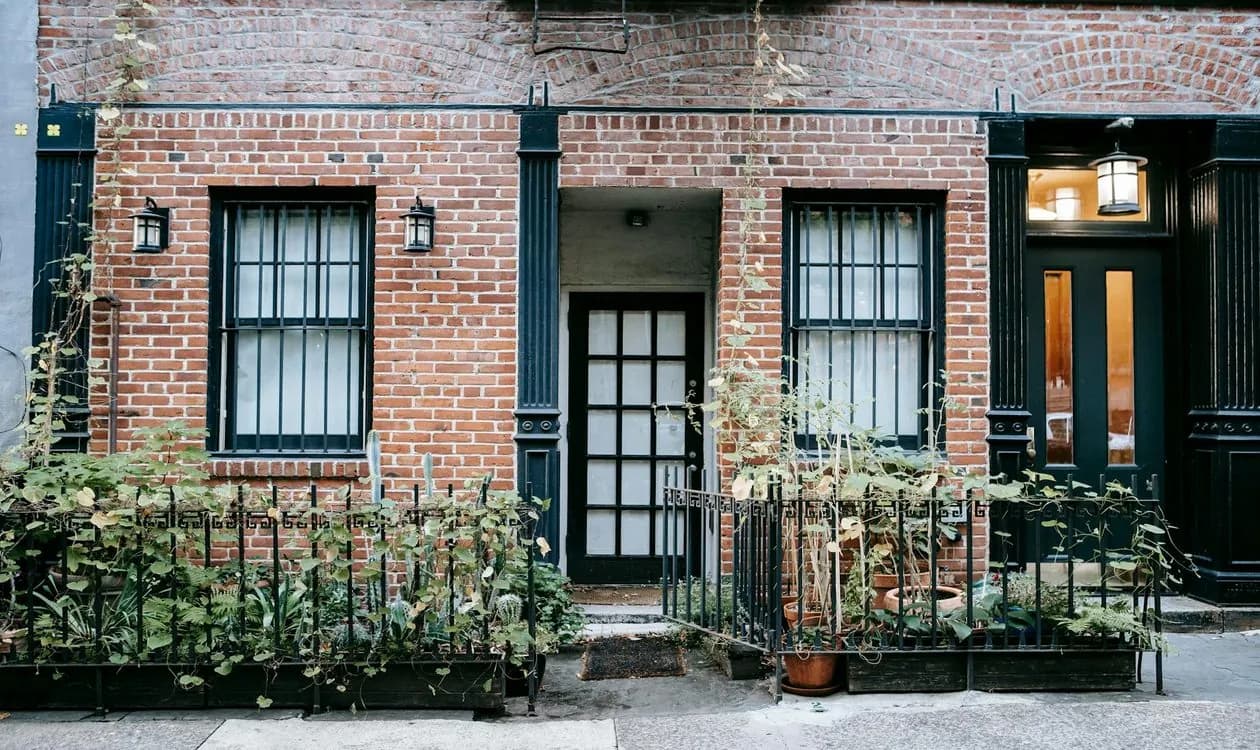
Where Radon Building Codes Are Heading: New-Construction Rules Spreading in 2026
A growing number of states are adopting radon requirements in new construction. What radon-resistant new construction is, where the trend is heading, that Georgia has no statewide mandate, and what to ask your builder.

Radon in Mixed-Use Developments: Residential Over Ground-Floor Retail
Apartments or condos over ground-floor retail are a fast-growing metro-Atlanta build type. Why the ground floor and lowest units carry the most radon risk, how testing is designed across uses, and how mitigation works in a shared structure.

Radon and Affordable Housing: LIHTC, Section 42, and Section 8 in Georgia
Affordable housing is financed through tracks separate from a standard HUD mortgage, including LIHTC (Section 42) and project-based Section 8, and radon testing often comes up through the allocating agency, investors, and resident-safety obligations. How it fits the development timeline.
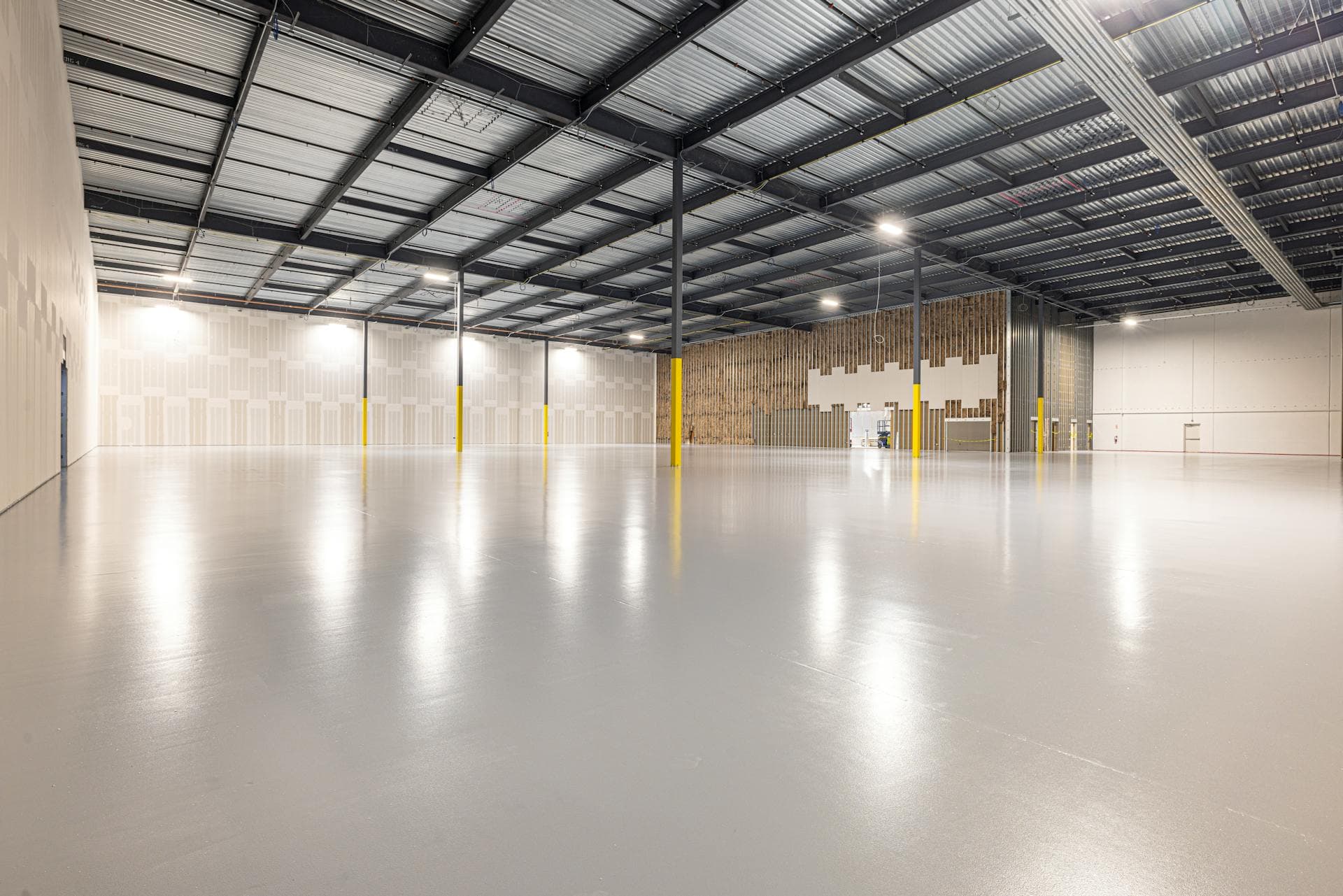
Radon Testing for Self-Storage Facilities
Self-storage facilities combine slab-on-grade construction, low ventilation, and climate-controlled units. Why operators and acquirers test, how testing a storage facility works, and what mitigation involves.

Radon Testing for Retail and Strip-Center Spaces in Georgia
Retail and strip-center spaces sit on large slab-on-grade footprints with many soil-gas entry points. Why landlords and ground-floor tenants test, how testing works, and the Georgia transaction and liability picture.

Radon Testing for Georgia Schools: District Programs and the AARST School Standard
A facilities-director guide to radon in K-12 schools. EPA estimates roughly 1 in 5 schools has at least one ground-contact room above 4 pCi/L. How district testing programs work, the consensus measurement standard schools follow, and where Georgia stands (no state mandate).

Does OSHA Require Radon Testing at Work? Georgia Employer Duties
Radon is a workplace concern, not just a home one. The OSHA general duty clause obligates employers to address recognized hazards, and ground-floor and lower-level workspaces can carry elevated radon. Why employers test, how it works, and what duty of care looks like in Georgia.

Radon in Douglasville, Georgia: A Douglas County Homeowner Guide
A local guide for Douglasville and Douglas County homeowners. Why metro Atlanta and north Georgia geology produces elevated indoor radon in many homes, why every home should be tested regardless of zone, and how testing and mitigation work.
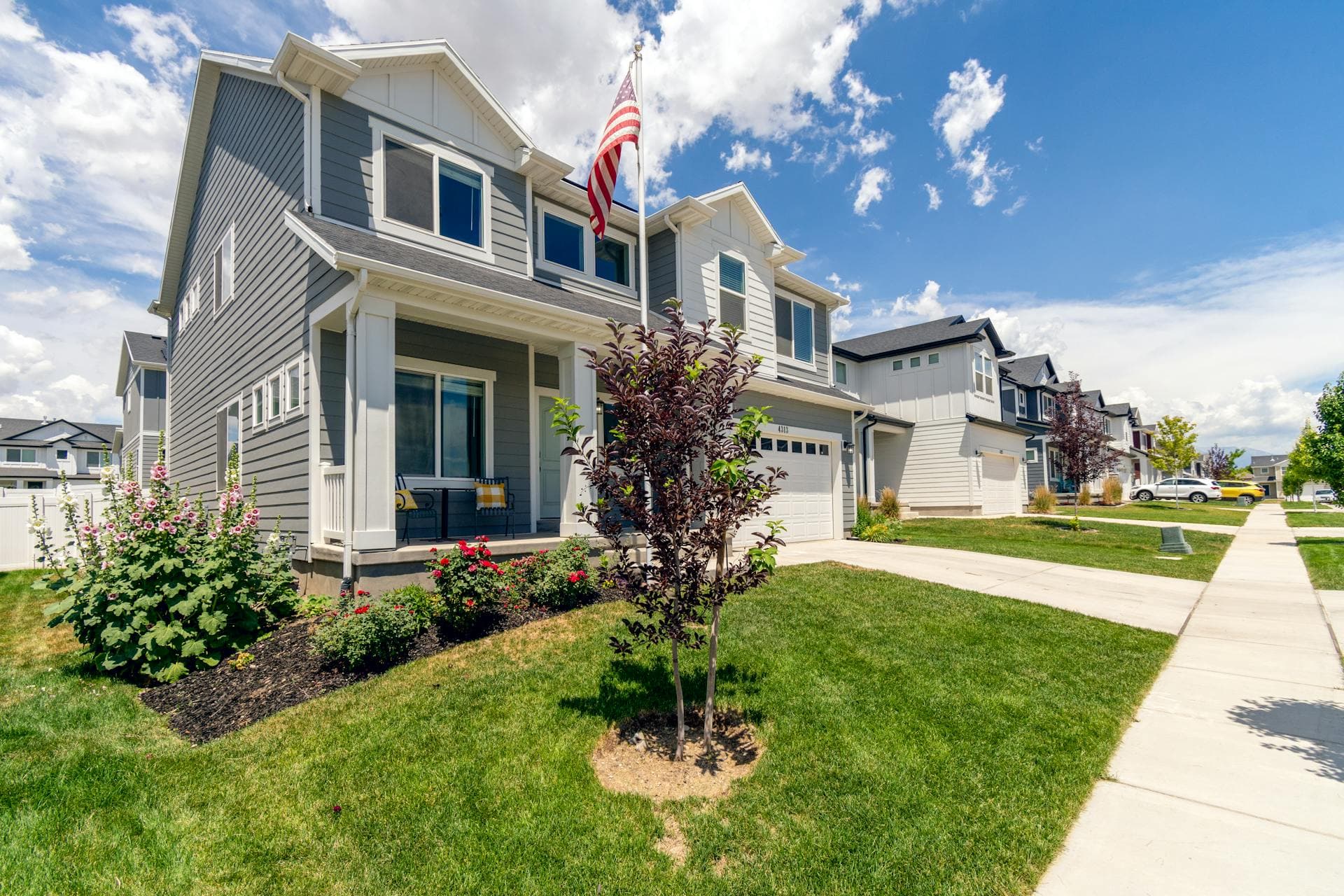
Radon in Cartersville, Georgia: A Bartow County Homeowner Guide
A local guide for Cartersville and Bartow County homeowners. Why north Georgia geology produces elevated indoor radon in many homes, why every home should be tested regardless of zone, and how testing and mitigation work.
Radon in Dawsonville, Georgia: A Dawson County Homeowner Guide
A local guide for Dawsonville and Dawson County homeowners in the north Georgia mountains. Why the region's granite and uranium-bearing bedrock produces elevated indoor radon, why every home should be tested regardless of zone, and how testing and mitigation work.
Radon in Gainesville, Georgia: What Hall County Homeowners Should Know
A local guide for Gainesville and Hall County homeowners. Why north Georgia geology produces elevated indoor radon in many homes, why every home should be tested regardless of zone, and how testing and mitigation work.
Smart Radon Monitors and Home Automation: Worth It?
Smart continuous radon monitors connect to an app or smart-home system for alerts and trend charts. What they are good for, where their limits are, and how they fit alongside professional and lab testing.
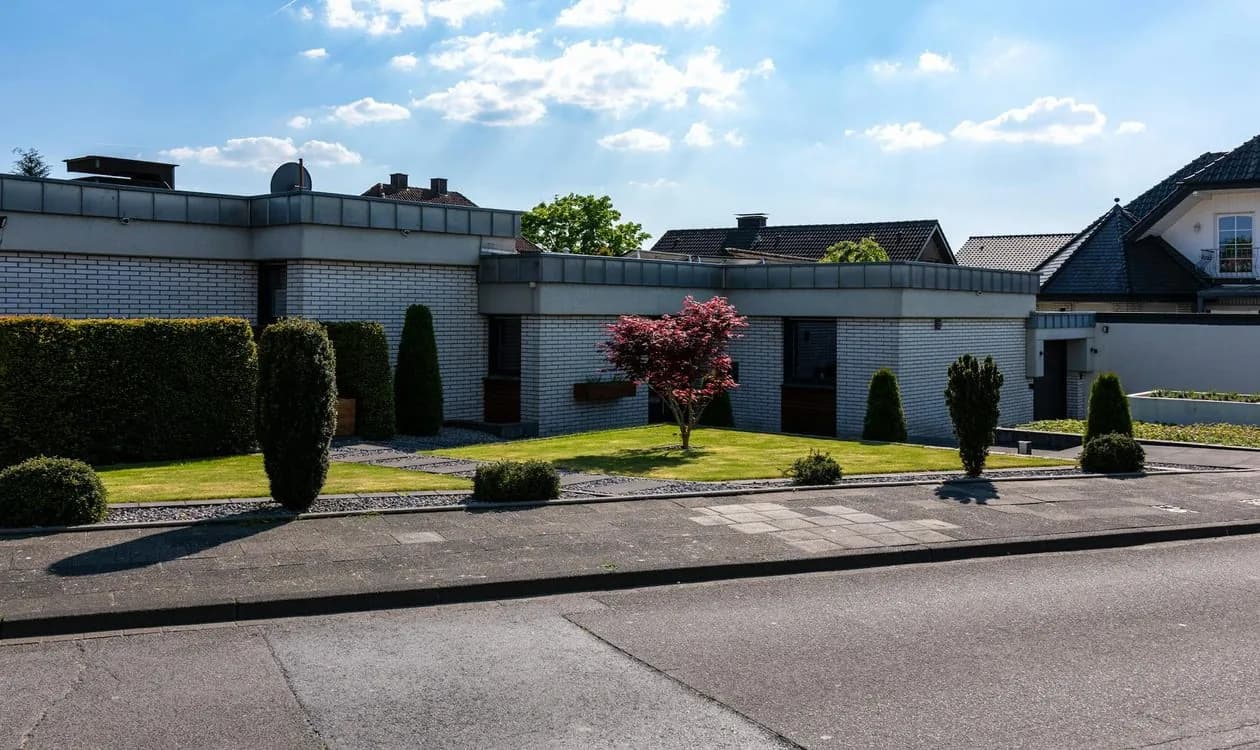
Why Do Radon Levels Fluctuate? Weather, Seasons, and the Stack Effect
Radon readings change with the weather, the seasons, and how a house is operated. The stack effect, barometric pressure, winter closed-house conditions, and HVAC all play a role. Why that matters for how you test.

Can an ERV or HRV Fix Your Radon Problem?
Energy and heat recovery ventilators reduce radon by dilution and can help in some cases, but they are generally not a substitute for active sub-slab depressurization when radon is elevated. When ventilation helps and when you need a mitigation system.
Radon vs Carbon Monoxide: What Is the Difference, and Do Detectors Overlap?
Radon and carbon monoxide are both colorless and odorless, but they are different hazards, and a carbon monoxide detector does not detect radon. What each gas is, the health effects, and why radon needs its own test.

WHO vs EPA Radon Levels: 2.7 vs 4.0 pCi/L, and Which to Follow
The US EPA action level is 4.0 pCi/L, while the World Health Organization recommends a lower reference level of 2.7 pCi/L (about 100 Bq/m3). What each number means, why they differ, why neither marks a "safe" line, and how a homeowner should decide what level to act on.
Should You Mitigate Radon Between 2 and 4 pCi/L?
EPA's action level is 4.0 pCi/L, but it also recommends considering action between 2 and 4, and the WHO reference level is lower. Radon risk is continuous, so here is how to decide whether to mitigate in the gray zone.

How to Tell If Your Radon Mitigation System Is Actually Working
Three checks confirm a radon mitigation system is doing its job: read the manometer (the U-tube gauge), confirm the fan is running, and retest below 4.0 pCi/L. What a level vs unlevel reading means, the warning signs of a problem, and how often to retest.

Radon Still High After Mitigation? Here Is Why, and What to Do
Your radon system is running but levels are still at or above 4.0 pCi/L. Here are the common reasons a mitigation system underperforms, what you can check yourself, and when to call a professional for diagnosis and a fix.
Radon in Slab-on-Grade Homes: Why No Basement Does Not Mean No Radon
Slab-on-grade homes have no basement, which leads many metro Atlanta homeowners to assume they are safe from radon. They are not. Radon enters through slab cracks, control joints, and plumbing and utility penetrations directly into the living space. How radon gets into a slab home, why these homes still test high, how testing works, and how sub-slab depressurization mitigates a slab home.
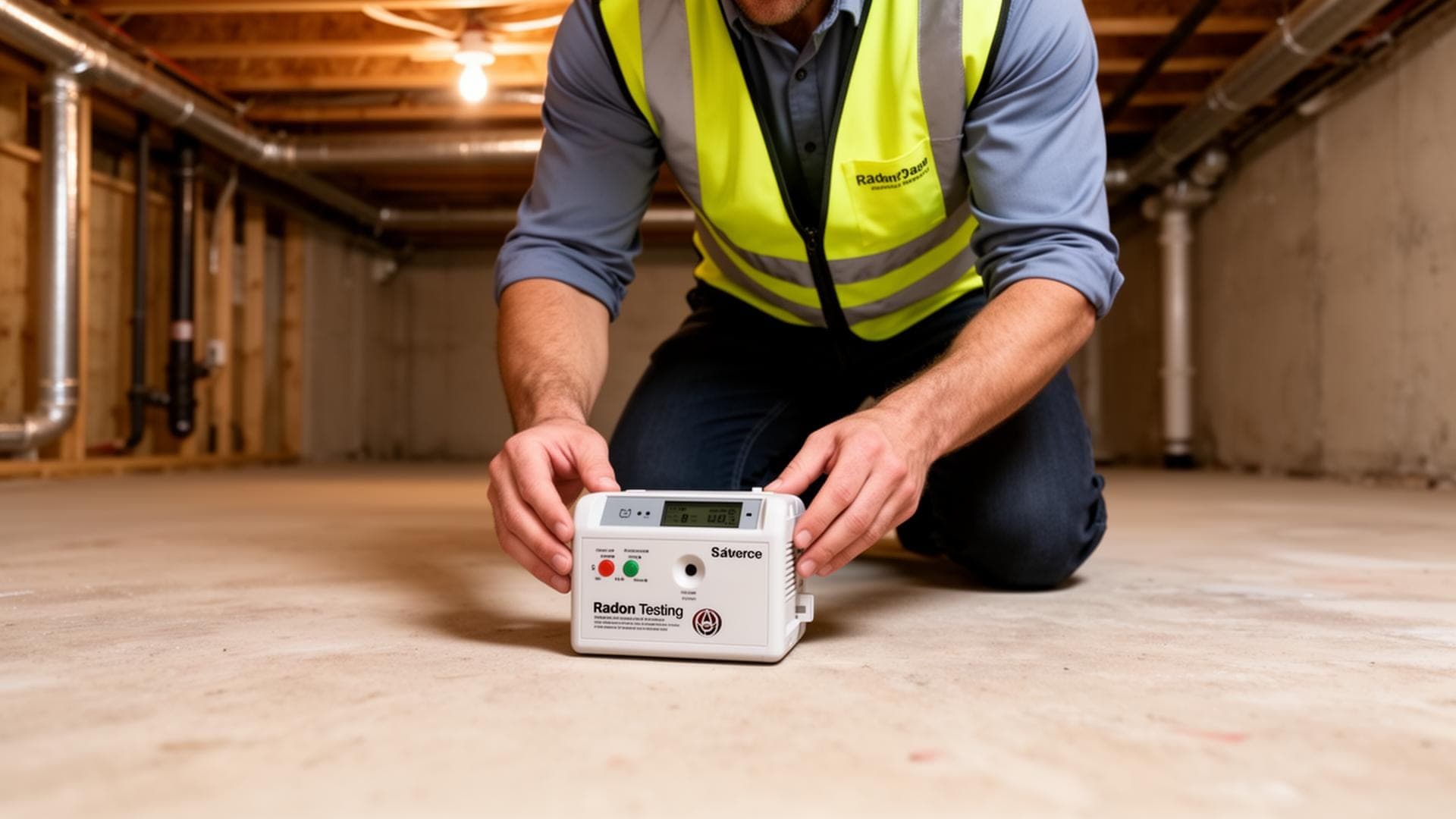
Do Consumer Radon Monitors Work? Electronic Monitors vs Lab Test Kits
Consumer electronic radon monitors are great for ongoing awareness and trends, while lab-analyzed charcoal and alpha-track kits and professional tests are the standard for decisions like real estate. How accuracy, cost, and speed compare, and which to use when.
Airthings vs Ecosense and RadonEye: Choosing a Consumer Radon Monitor
A general, evergreen comparison of the main consumer continuous radon monitor families. What each brand is known for, the difference between a quick continuous reading and a long-term average, app versus on-device displays, and how to decide. Verify current specs and reviews before buying.
Best Home Radon Detectors in 2026: How to Choose
How to choose a home radon detector: the difference between lab-analyzed test kits and continuous electronic monitors, the features that matter, the consumer-brand landscape, and when a monitor is enough versus a professional test.

Commercial Radon Disclosure and Landlord Liability in Georgia
Georgia has no radon mandate and no radon-specific disclosure law, but once a landlord is on notice a duty of care exists. Why documenting a test and any mitigation is the defensible response to a tenant inquiry, plus lease and risk-management considerations. General information, not legal advice.

Why a Missing or Late Radon Report Can Delay Your Commercial Closing
When a loan program or lender requires radon testing, a missing, late, or elevated result can hold up a commercial or multifamily closing. Why it happens and how to keep radon from delaying your deal.

ANSI/AARST Radon Standards Explained: The Protocols Lenders Expect
A plain-language guide to the ANSI/AARST radon standards that lenders and programs reference: the multifamily and large-building measurement standard (MA-MFLB-2023) and the new-construction soil-gas control standard (CC-1000), and why they matter when you hire a tester.

Radon in Commercial Real Estate Due Diligence: Where It Fits in a Phase I ESA
Radon is generally outside the scope of a standard ASTM E1527 Phase I Environmental Site Assessment. Here is why, how buyers and lenders add radon to commercial due diligence, and why it still matters in higher-radon geographies.

Radon Testing for Hotels and Hospitality Properties
Hotels combine ground-floor guest rooms, amenity spaces, and long employee shifts, which makes radon a real consideration. Why hospitality owners test, how testing a large lodging property works with minimal guest disruption, and what mitigation involves.

Radon Testing for Hospitals and Medical Office Buildings
Patients and staff spend long hours in healthcare buildings, often on ground-floor and basement clinical levels. Why hospitals and medical offices test for radon, how testing works around active clinical operations, and what mitigation looks like.
Radon Testing for Warehouses and Industrial Buildings
Large slab-on-grade warehouses and industrial buildings can concentrate radon: big ground-contact footprints, slab penetrations, and low fresh-air ventilation, with workers at ground level. Why owners test, how testing a large floor area works, and how mitigation scales up.

Radon Testing for Senior Living and Assisted Living Facilities
Senior living and assisted living facilities house a vulnerable, long-occupancy population, and HUD Section 232 loans require a radon report. Why operators test, how testing works in an occupied care facility, and how to plan it into a loan timeline.

Which Radon Rules Apply to Your Multifamily Loan: HUD, Fannie Mae, Freddie Mac, or Your Lender
Which radon rules govern a multifamily deal depends on how it is financed. Here is how HUD, Fannie Mae, Freddie Mac, and individual lender requirements differ after the 2025 FHFA changes, and how to find the requirement that actually controls your loan.

Commercial Radon Mitigation Cost for Large Buildings
What drives the cost of mitigating radon in a large or commercial building: the number of affected units and areas, slab construction and footprint, suction points, fan selection and noise control, riser routing in occupied buildings, electrical, and post-mitigation verification. How commercial sub-slab depressurization scales up from residential, and why a firm price comes after testing and a site visit.

Does Georgia Require Radon Testing for Commercial Buildings?
Georgia has no state law requiring radon testing for commercial or residential buildings, and it does not license radon professionals. But federal lending, real estate due diligence, and duty of care to tenants and employees make testing a real liability anyway. Here is what owners in metro Atlanta need to know.
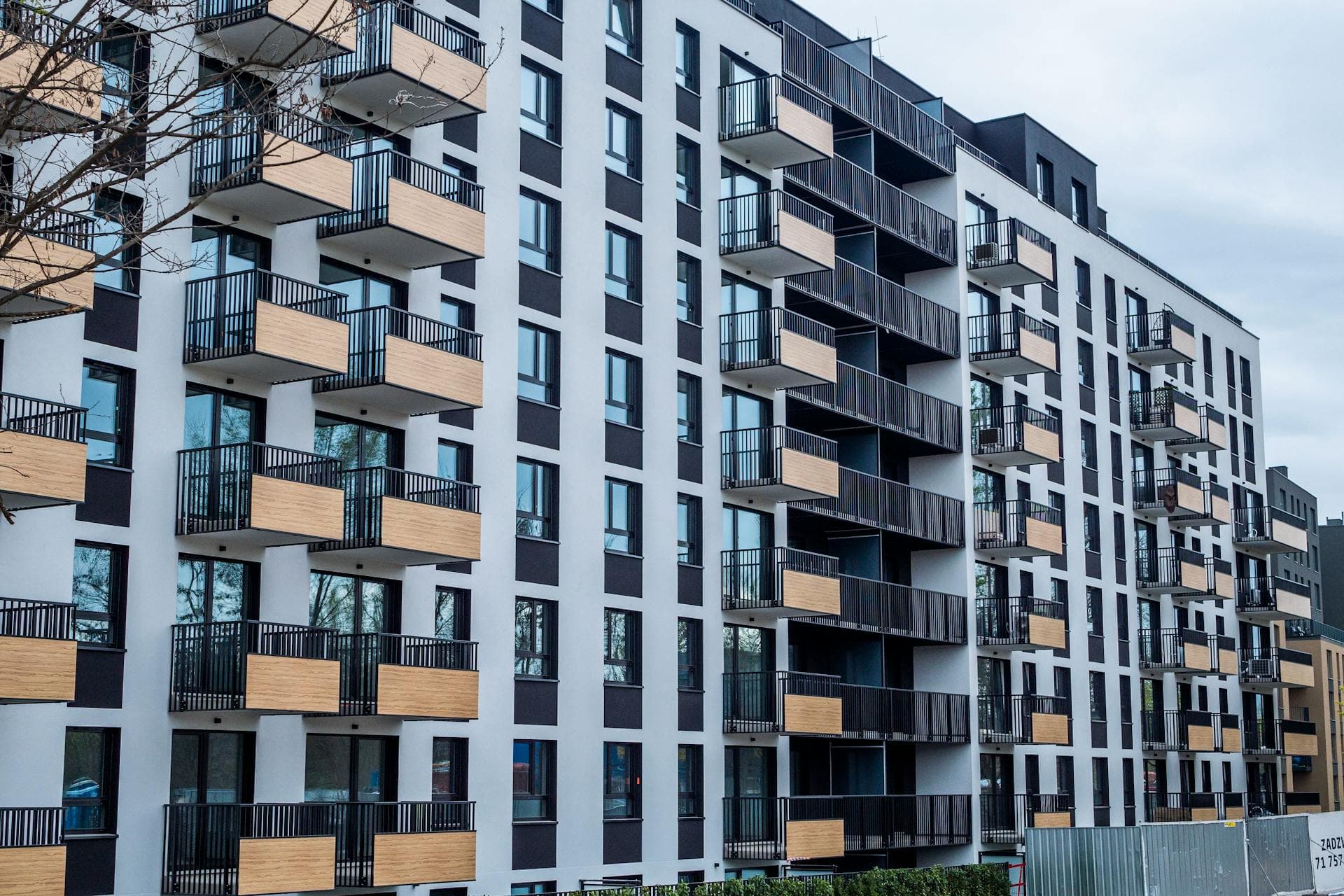
Radon Testing for Apartment Buildings in Georgia: An Owner and Manager Guide
A practical guide for apartment owners and property managers in metro Atlanta. Why apartment buildings get tested, how testing works in an occupied building without disrupting residents, which units carry the most risk, what mitigation looks like, and the disclosure and liability picture in Georgia.

Commercial Radon Testing Cost in Georgia: What Building Owners Pay
What actually drives the cost of commercial radon testing in Georgia: building size, the number of units or zones tested, device type, occupied-building logistics, and turnaround. How commercial pricing differs from residential, how multifamily per-unit pricing works, and what a fixed-fee testing quote includes.
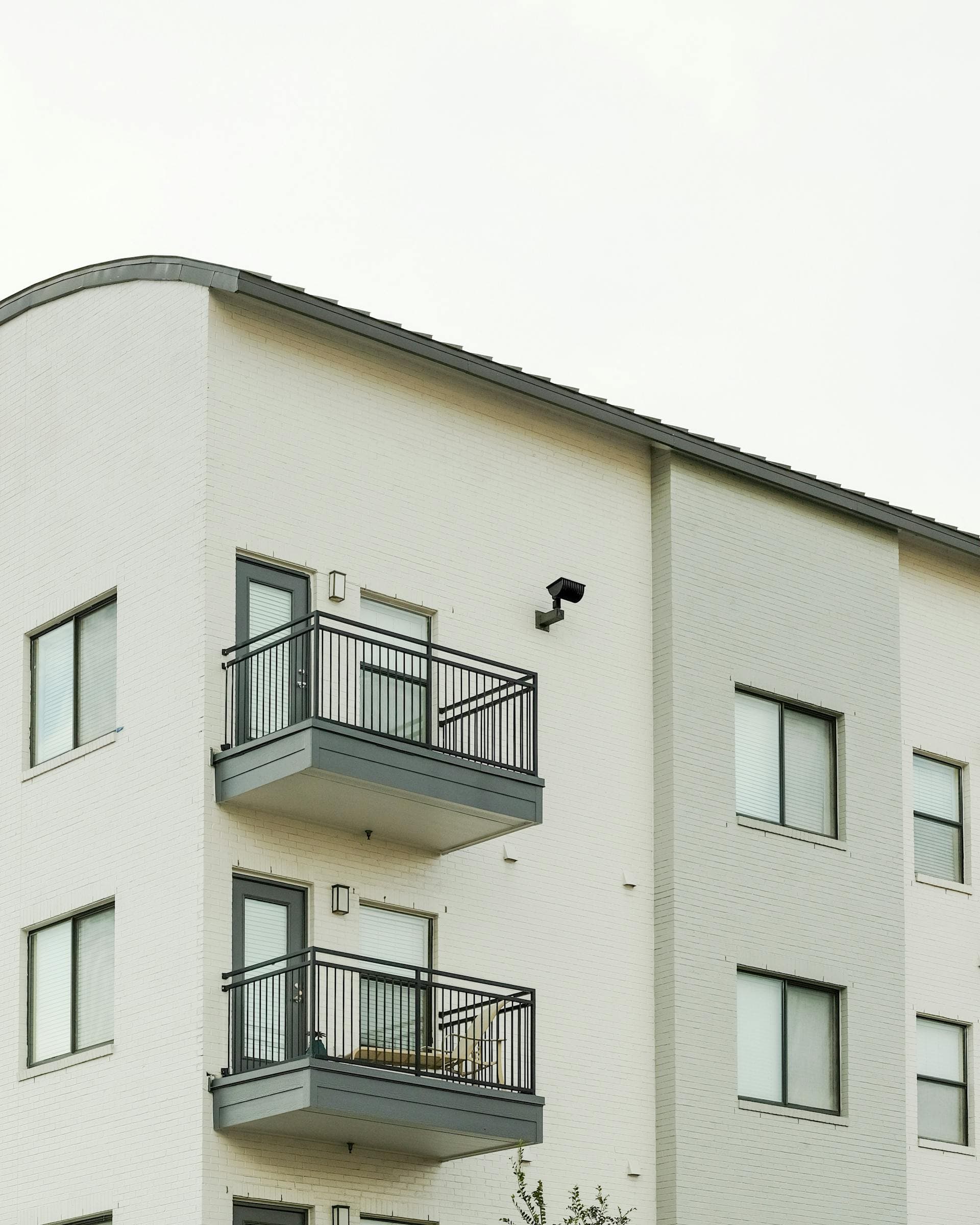
HUD Radon Requirements for Multifamily Properties: Testing Rules and What Owners Must Do
HUD finances much of US multifamily housing, and most of those loans require radon testing. Here is how the rules work in 2026: the 4.0 pCi/L action level, the 2025 sampling update, ANSI/AARST protocols, Section 232 senior living, and what it costs.
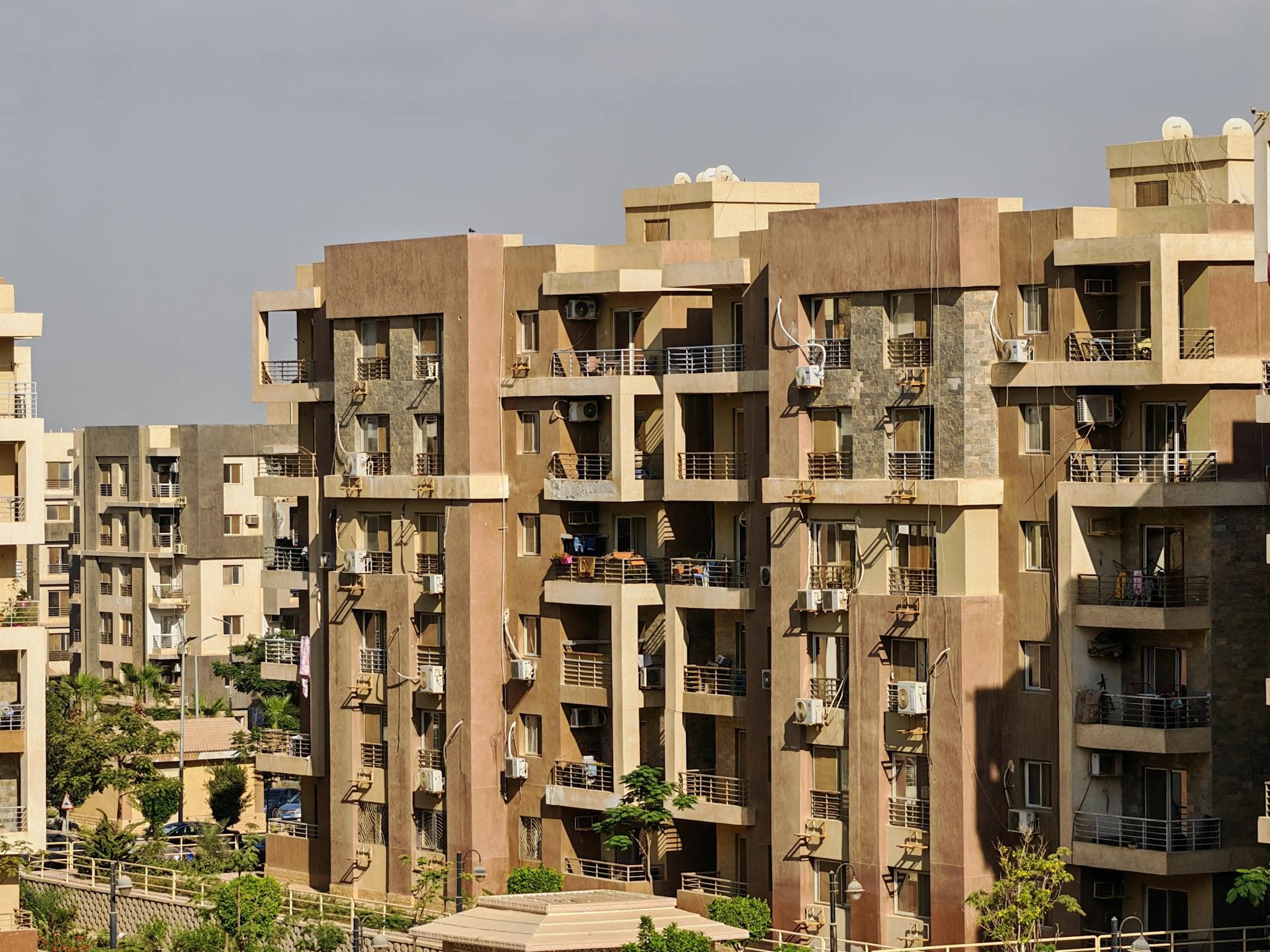
Fannie Mae & Freddie Mac Changed Radon Testing Rules in March 2025: What Multifamily Owners Need to Know
On March 26, 2025, the FHFA rescinded its 2022 directive that had standardized radon testing across Fannie Mae and Freddie Mac. Each enterprise now sets its own multifamily requirements, with more room for environmental-professional judgment and state law. HUD requirements are separate and unchanged. Here is what acquisition teams need to know.
How HVAC Ductwork Can Spread Radon Through Your Home
Your HVAC system can distribute radon from the basement to every room in your home. How ductwork affects radon levels and what you can do about it.

Radon Awareness: What Every Georgia Homeowner Should Know in 2026
A comprehensive radon awareness guide for Georgia homeowners. Covers what radon is, how it enters homes, health risks, testing options, and mitigation solutions.
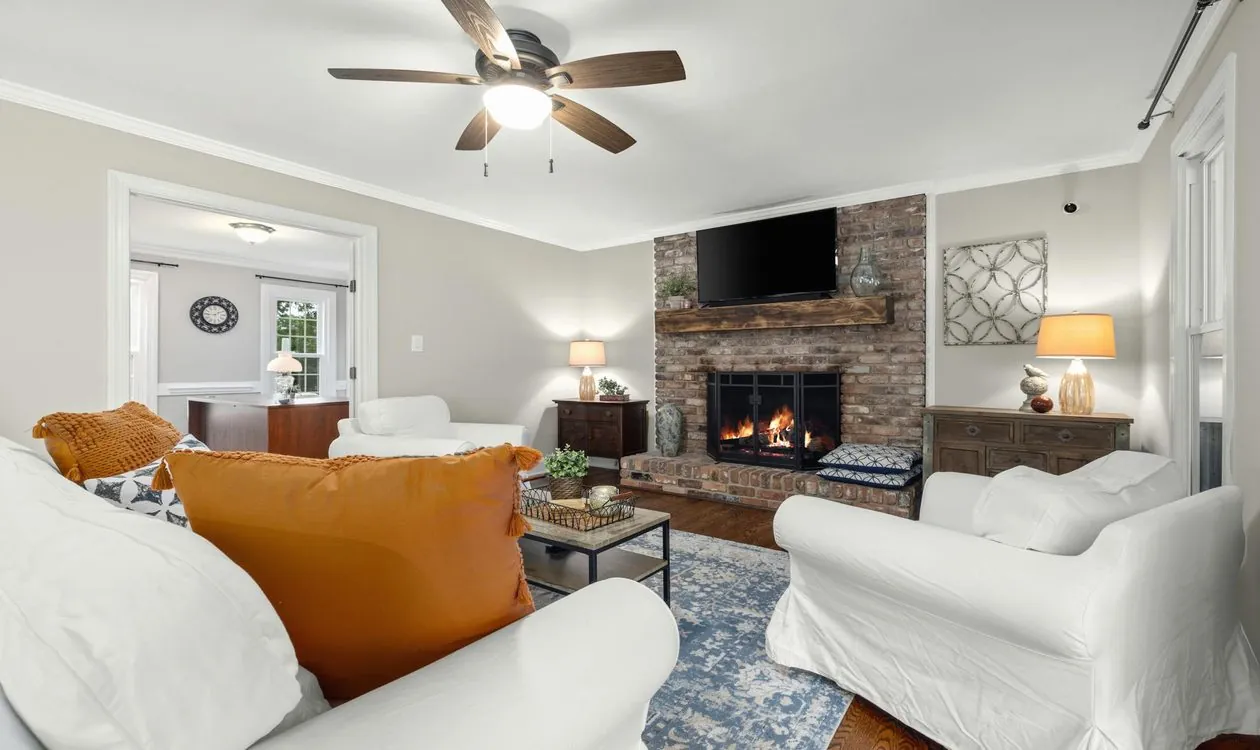
When to Test New Construction for Radon in Georgia
New homes in Georgia can have elevated radon. When to test new construction, what radon-resistant features to look for, and why new does not mean radon-free.

Where to Place a Radon Detector: Room-by-Room Placement Guide
Exactly where to place a radon test kit or detector in your home. Room-by-room guidance for accurate results, including height, distance, and conditions.
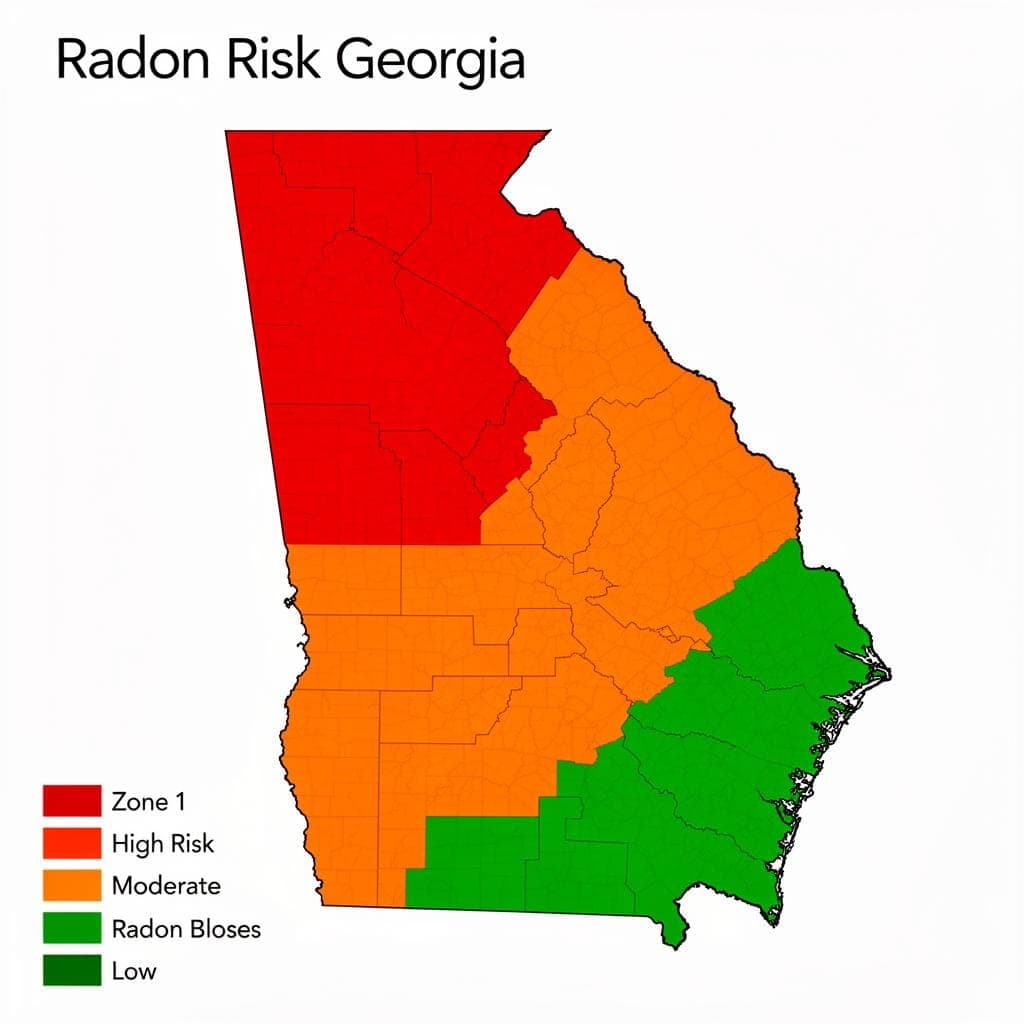
Georgia Radon Map: County-by-County Risk Levels and What They Mean
Explore Georgia
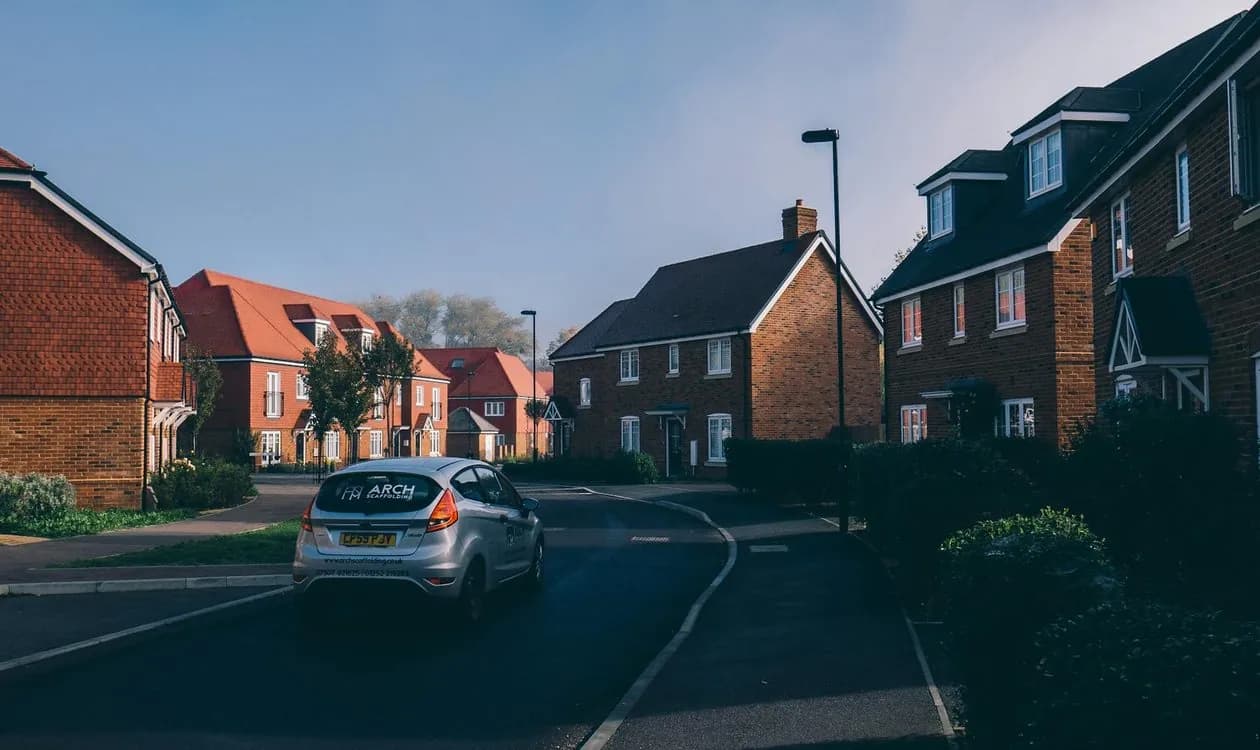
Installing Radon Mitigation Before Selling: Is It Worth the Investment?
Should sellers install radon mitigation before listing? The ROI, buyer psychology, and strategic benefits of proactive radon mitigation before selling your home.

Radon and Basement Waterproofing: How Water Management Affects Radon Entry
Basement waterproofing systems interact with radon entry in ways most homeowners do not expect. Sump pits, drain tiles, and vapor barriers can help or hurt depending on design.
Types of Radon Mitigation Systems Compared: Which Is Right for Your Home?
Compare sub-slab depressurization, crawl space ventilation, and other radon mitigation system types. Find the right system for your home
Radon Testing for Renters: Your Rights and How to Test an Apartment
Renters can and should test for radon. Your rights as a tenant, how to test an apartment, and what to do if your landlord will not address elevated levels.
Radon and Energy-Efficient Homes: Why Tight Construction Can Trap Radon
Energy-efficient homes with tight construction may have higher radon levels. How insulation, air sealing, and modern building practices affect radon accumulation.
Should You Mitigate Radon Below 4 pCi/L? The Case for Lower Levels
The EPA action level is 4 pCi/L, but is that truly safe? Why many health organizations recommend mitigation at 2 pCi/L and what the science actually shows.
Radon Testing in Real Estate: Buyer & Seller Timeline
A complete timeline for radon testing during real estate transactions. When to test, how long it takes, and what happens when results come back elevated.

Radon Testing for Daycares in Georgia
Radon testing is critical for daycares and childcare facilities in Georgia. Children face higher radon risks due to their size and developing lungs.
Does Homeowners Insurance Cover Radon Mitigation?
Does homeowners insurance cover radon testing and mitigation? A look at policy exclusions, potential coverage scenarios, and how to finance radon work.
Radon in Well Water: Testing, Treatment, and Georgia-Specific Risks
How radon enters well water in Georgia, how to test for it, and what treatment systems remove radon from your drinking water. Includes Georgia-specific geology.
Does Your Home Warranty Cover Radon? What Most Policies Exclude
Do home warranties cover radon testing, mitigation systems, or fan replacement? What is typically excluded and how to budget for radon protection.
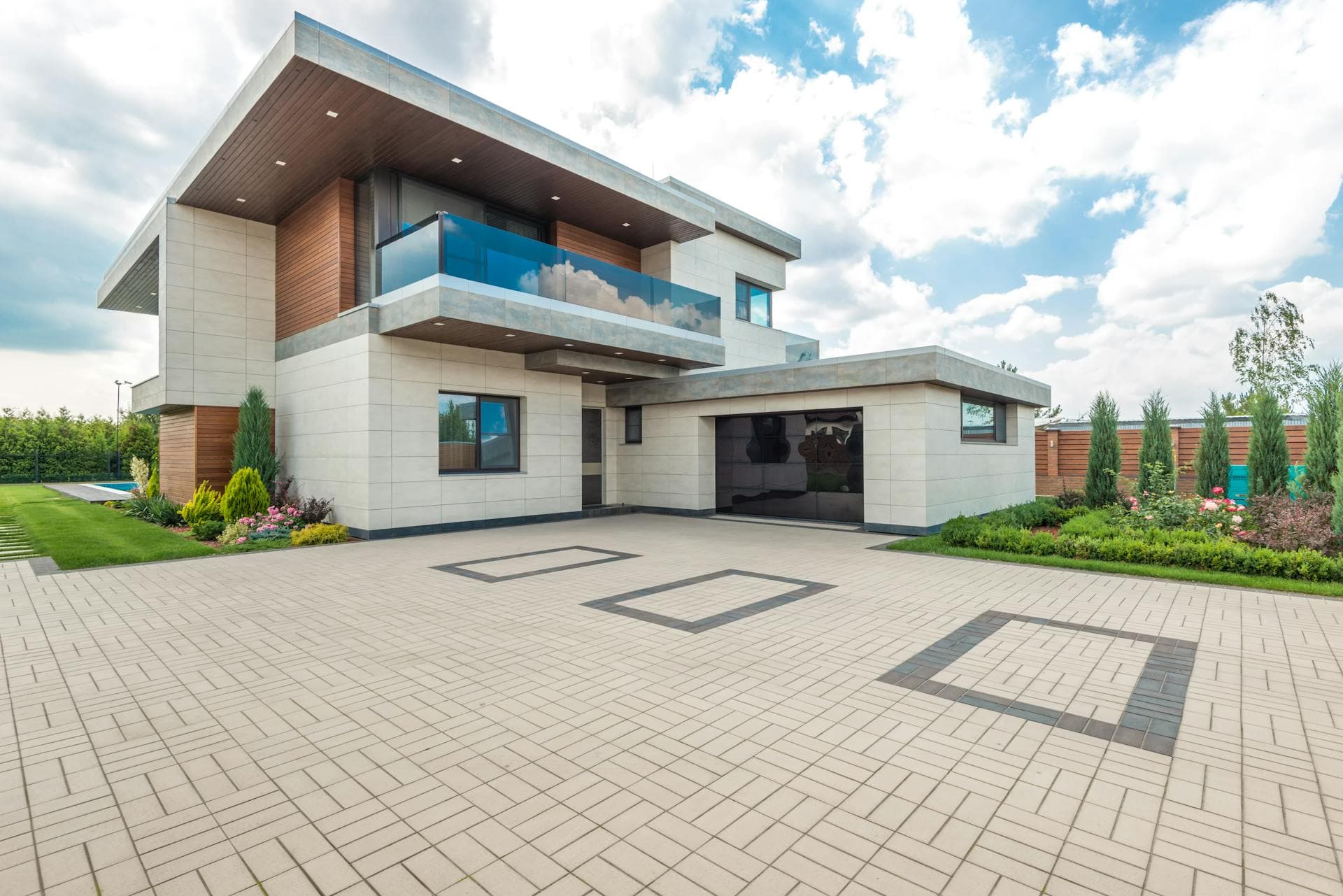
Radon in Churches and Community Buildings: Testing and Protection
Churches, community centers, and public buildings all face radon risks. A guide to testing protocols, mitigation options, and duty of care for building managers.
Radon Remediation vs Mitigation: What
The difference between radon remediation and radon mitigation often confuses homeowners. Which term is correct, what each process involves, and what to expect.
Charcoal vs Electret Radon Tests: Which Short-Term Method Is Better?
Charcoal canister and electret ion chamber radon tests work differently. A comparison of how each works, their accuracy, costs, and which method suits your testing needs best.
Radon-Resistant New Construction: Features That Reduce Risk from Day One
Radon-resistant new construction (RRNC) features include gravel layers, vapor barriers, vent pipes, and sealed foundations. A breakdown of costs and effectiveness.
Understanding Radon Decay Products: What Actually Causes Lung Damage
Radon decay products (progeny), not radon gas itself, cause lung cancer. A look at polonium-218, lead-214, and how alpha particles damage lung tissue.
How Your Home
The relationship between home ventilation and radon levels matters more than most homeowners realize. How HVAC systems, ERVs, HRVs, and natural ventilation affect indoor radon.
Using Your Sump Pit for Radon Mitigation: How It Works
Sump pits can be used as suction points for radon mitigation systems. The process, benefits, and limitations of sump-based radon reduction.

7 Common Radon Testing Mistakes That Lead to Inaccurate Results
Avoid these common radon testing errors that compromise accuracy. Proper test placement, timing, and closed-house conditions for reliable radon results.
The Myth That New Homes Are Safe from Radon
New construction homes can have radon levels just as high as older homes. Why building age does not determine radon risk and why every new home should be tested.
Radon Only Affects Homes with Basements: Why This Common Myth Is Wrong
Homes without basements can have dangerous radon levels too. Why slab-on-grade and crawl space homes are not immune to radon and why every foundation type needs testing.
Radon Mitigation ROI: How a System Protects Your Home
Radon mitigation systems affect home value, resale potential, and buyer confidence. The return on investment of radon reduction for Georgia homeowners.
Is Radon Mitigation Tax Deductible? What Homeowners Should Know
Do radon mitigation costs qualify for tax deductions, medical expense deductions, or home improvement credits? How to document your radon system for tax purposes.
Radon Testing Costs Compared: DIY Kits vs Professional Testing
DIY home test kits run $15-50 while professional testing runs $150-300. What you get for each price point and when professional testing is worth the investment.
How to Read Your Radon System Manometer: A Visual Guide
How to read the manometer on your radon mitigation system. What the U-tube gauge tells you, what normal looks like, and when to call for service.
Radon System Alarms and Monitors: How to Know Your System is Working
Radon system monitoring options range from basic manometers to electronic alarms and continuous monitors. How to know when your system needs attention.
How Long Does a Radon Mitigation System Last? Lifespan Guide
How long radon mitigation systems last, when to replace your fan, and what maintenance extends system life. A complete lifespan and replacement guide.
Radon Fan Noise: Causes, Solutions, and When to Call a Professional
Is your radon fan making noise? What different sounds mean, common causes of fan noise, simple fixes, and when it is time to call a professional.
Radon Fan Power Consumption: Electricity Use Explained
How much electricity a radon mitigation fan uses, what it costs to run, and how power consumption compares to other household appliances.
Winter Radon System Maintenance: Preventing Ice & Failures
Cold weather can affect your radon mitigation system. How to prevent ice buildup, maintain your system during winter, and recognize cold weather problems.
Radon in Office Buildings: Testing Requirements and Best Practices
Office buildings and commercial spaces can have elevated radon levels too. A guide to testing requirements, employee health considerations, and mitigation options for commercial buildings.
Radon in Older Homes: Why Pre-1980 Houses Deserve Extra Attention
Older homes built before 1980 often have more radon entry points due to foundation aging and construction methods. Why pre-1980 homes need testing and what to expect.
Radon Testing Before Baby: Protecting Your Home Before a New Arrival
Expecting a baby? Radon testing should be on your checklist. Why testing before your baby arrives matters and how to create a radon-safe nursery.
Radon in Finished Basements: Testing and Solutions
Finished basements are at higher risk for radon exposure. How to test for radon in finished basements, what affects levels, and how to protect your below-grade living space.
Radon in Split-Level Homes: Unique Risks and Testing Strategies
Split-level homes have unique radon challenges due to multiple foundation levels and complex airflow. How to test and address radon in split-level homes.
Radon in Atlanta Townhomes: Do Attached Homes Need Testing?
Townhomes in Atlanta are at risk for radon just like single-family homes. Why attached homes need testing, how radon behaves in townhomes, and what to do about elevated levels.
Radon After Foundation Repair: Does It Change Levels?
Foundation repair can change how radon enters your home. How different repair methods affect radon levels and why retesting after foundation work is essential.
Radon After Home Renovation: Why You Should Retest After Remodeling
Home renovations can change radon levels in your home. Which renovations affect radon, why retesting after remodeling matters, and what to do if levels increase.
Summer Radon Levels in Georgia: Why Testing Still Matters in Warm Months
Radon testing is still important during Georgia summers. How AC usage, humidity, and warm weather affect radon levels in your home.
Radon and Investment Properties: What Landlords Need to Know
Landlords and real estate investors need to understand radon risk in rental properties. A guide to liability, testing responsibilities, and protecting your tenants and investment.
Radon in Multifamily Buildings: Apartments and Condos
Radon affects apartments and condos too. How radon behaves in multifamily buildings, who is responsible for testing, and what mitigation options exist.
Pre-Listing Radon Testing: Why Sellers Should Test Before Listing
Smart sellers test for radon before listing their home. Why pre-listing radon testing gives you a strategic advantage in Georgia real estate.
Radon Disclosure Laws in Georgia: What Sellers Must (and Don
Understand Georgia
Does Radon Affect Your Home
Radon levels and mitigation systems can both affect your home value, resale potential, and buyer confidence. The real ROI of radon reduction for Georgia homeowners.
Radon Found During Home Inspection: Negotiation Tips for Buyers
Found elevated radon during your home inspection? How to negotiate with sellers, what to ask for, and how to handle radon findings in Georgia real estate.
Does Radon Exposure Have Symptoms? What Science Actually Says
Radon exposure produces no immediate symptoms. What science says about radon symptoms, why you cannot feel it, and why testing is the only way to know your exposure level.
Long-Term Radon Exposure: Health Effects and What You Can Do
Understand the long-term health effects of radon exposure, how cumulative exposure increases cancer risk over time, and the steps you can take to protect your family.
Radon and Smoking: How the Combined Risk Multiplies
The combination of radon exposure and smoking creates a synergistic cancer risk far greater than either alone. How these risks multiply and what smokers should do.
Radon and Children: Why Kids Are More Vulnerable to Radon Exposure
Children face higher health risks from radon exposure than adults. Why kids are more vulnerable, what the research shows, and how to protect your family.
Radon and Lung Cancer in Non-Smokers: What the Research Shows
Radon is the leading cause of lung cancer among non-smokers, responsible for about 2,900 deaths annually. What the research shows and why non-smokers should test.
Radon: The Second Leading Cause of Lung Cancer in the United States
Radon is the second leading cause of lung cancer in the U.S., responsible for about 21,000 deaths annually. The science, statistics, and how to protect your family.
Radon and Building Codes in Georgia: Builder & Owner Guide
Georgia has no statewide radon building code requirement, but some counties and builders include radon-resistant features. What homeowners and builders need to know.
Radon Pipe Routing: Interior vs Exterior Installation Options
Radon pipe routing can run through the interior of your home or up the outside wall. The pros, cons, and cost differences of each approach for Georgia homes.
Sealed Crawl Spaces and Radon: Why Encapsulation Helps Reduce Levels
Crawl space encapsulation helps reduce radon levels by sealing off bare soil. The connection between sealed crawl spaces, moisture control, and radon mitigation in Georgia homes.
Electronic Radon Monitors: Are They Worth It?
Electronic radon monitors for home use range from $100-300. A comparison of accuracy, features, and whether a continuous radon monitor is worth the investment.
How Radon Fans Work: The Complete Homeowner
How radon fans work, the different types available, energy costs, noise levels, lifespan, and when to replace your radon mitigation fan.
Radon Measurement Units Explained: pCi/L, Bq/m³ and What They Mean
Radon measurement units include pCi/L and Bq/m³. How to convert between units, what the numbers mean, and what levels are considered safe.

Radon in Dacula, Georgia: Local Radon Levels and Solutions
Dacula in Gwinnett County is EPA Zone 2 with radon levels averaging 2.5-4.5 pCi/L. A guide to radon risk, testing options, and mitigation for Dacula homes.
Do Granite Countertops Emit Radon? Facts vs. Fiction
Granite countertops contribute negligible radon compared to the soil beneath your home, according to scientific research. The facts on a common myth.
Radon Vapor Barriers Explained: How They Work and When You Need One
Radon vapor barriers in crawl spaces cost $1,500-4,000 to install. How they work, what materials are used, and when you actually need one for radon protection.
Radon in Buford, Georgia: Gwinnett County Radon Testing
Buford sits in Gwinnett County
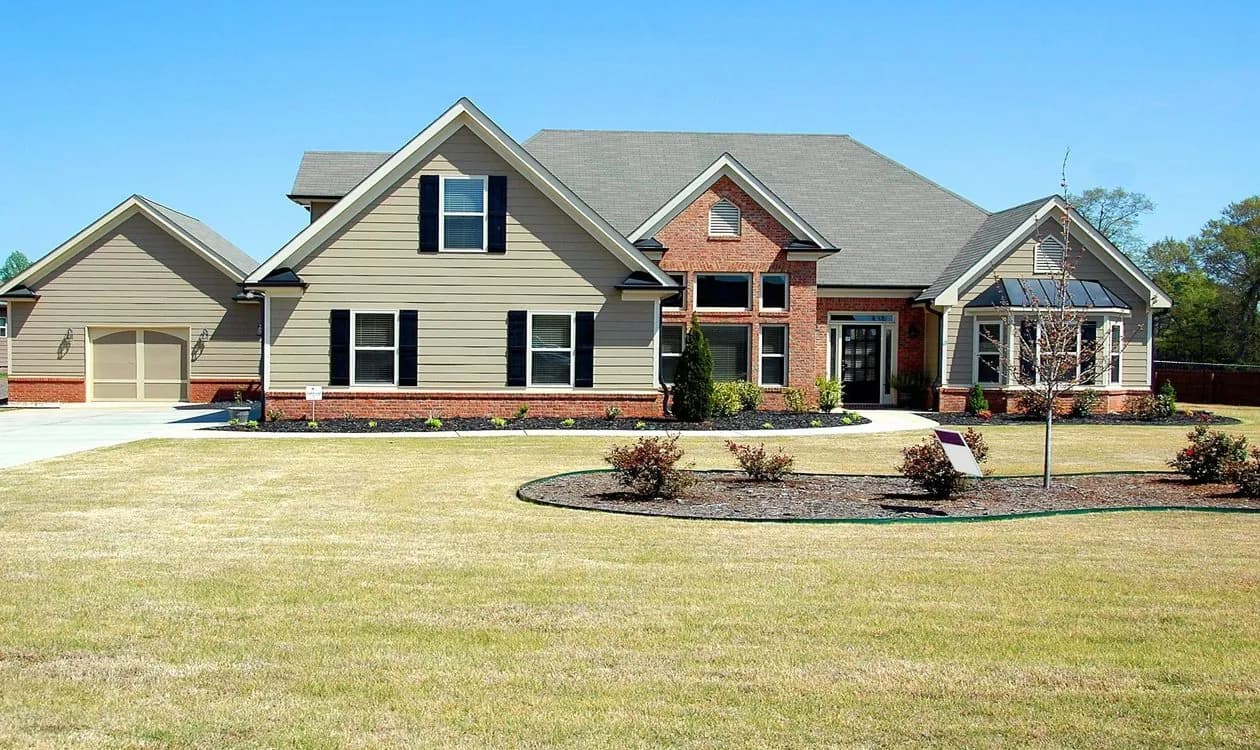
Radon in Powder Springs, Georgia: Testing and Protection Guide
Powder Springs in Cobb County is EPA Zone 2 with radon levels averaging 2.5-4.5 pCi/L. Local radon risk, testing, and mitigation for Powder Springs homes.
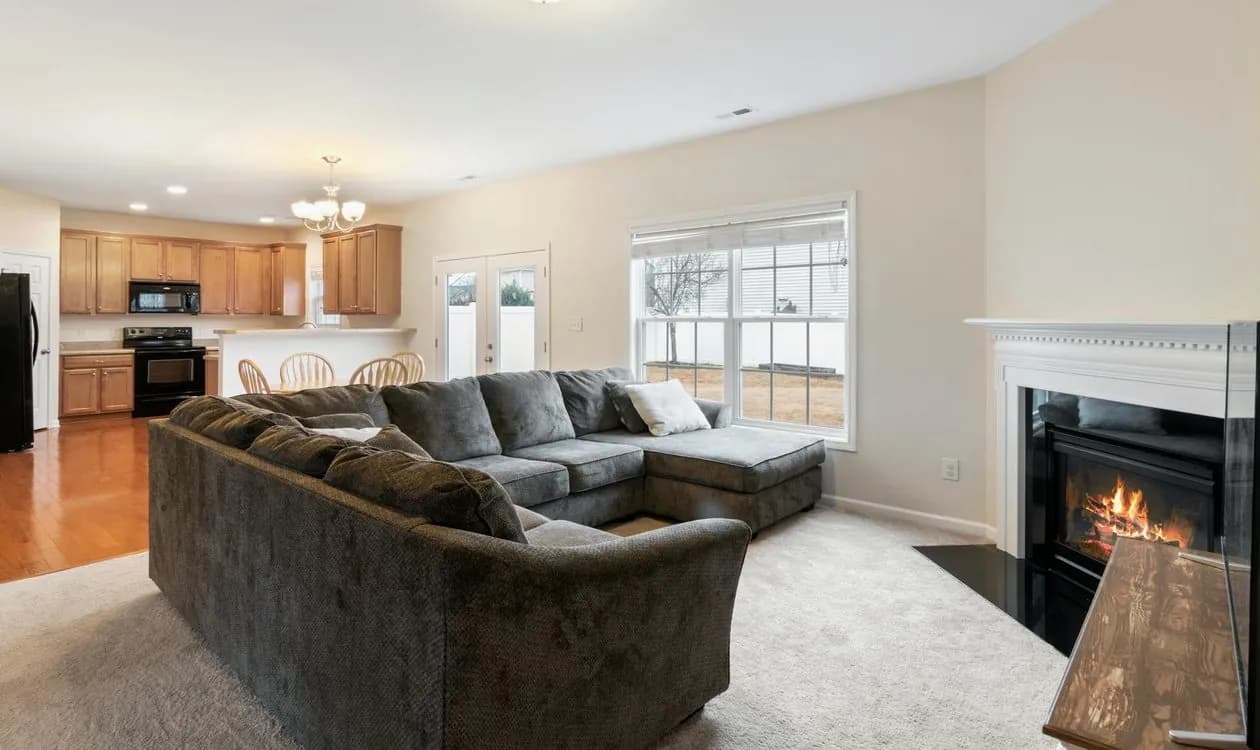
Radon in Stone Mountain, Georgia: What You Need to Know
Stone Mountain sits on exposed granite bedrock in DeKalb County with radon levels averaging 2.5-5.0 pCi/L. The unique radon risk, testing, and mitigation for Stone Mountain homes.
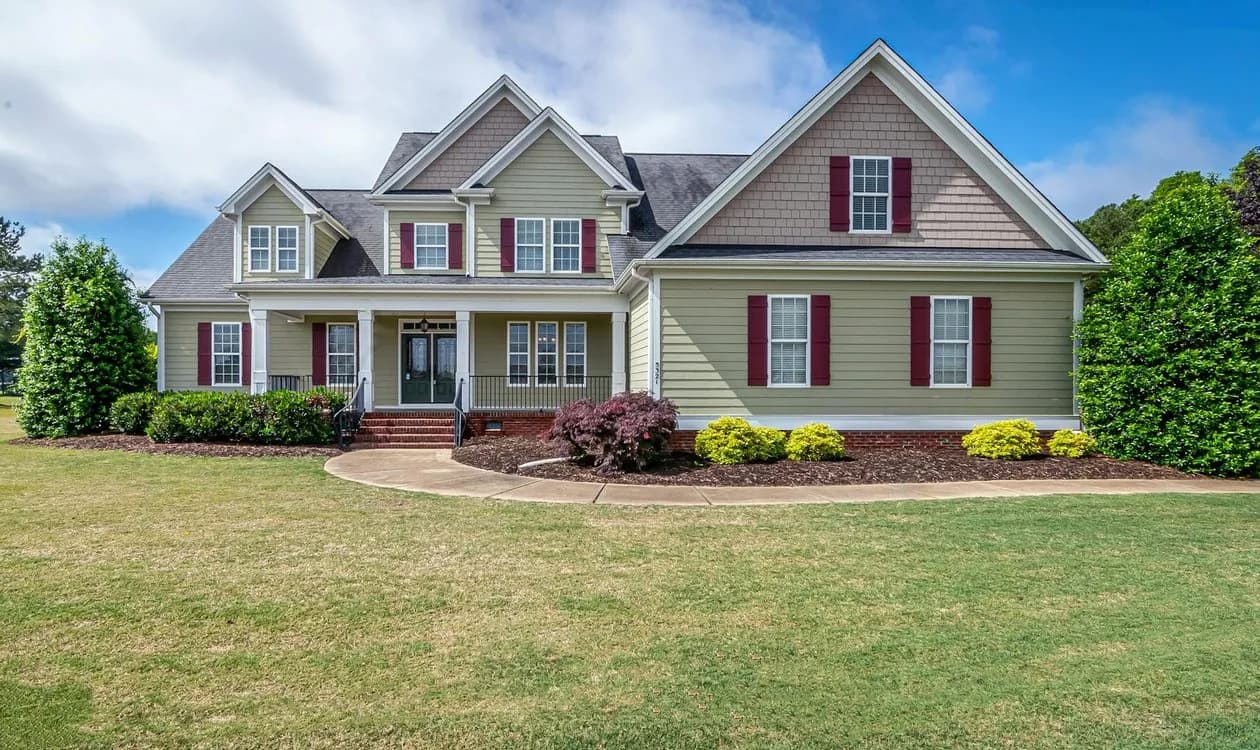
Radon in Covington, Georgia: Newton County Radon Risk
Covington and Newton County are EPA Zone 2 with radon levels averaging 2.0-4.0 pCi/L. Local geology, testing, and mitigation options for Newton County homes.

Radon in Newnan, Georgia: Coweta County Radon Guide
Newnan and Coweta County are EPA Zone 2 with radon levels averaging 2.0-4.0 pCi/L. Local geology, testing, and mitigation options for Coweta County homes.
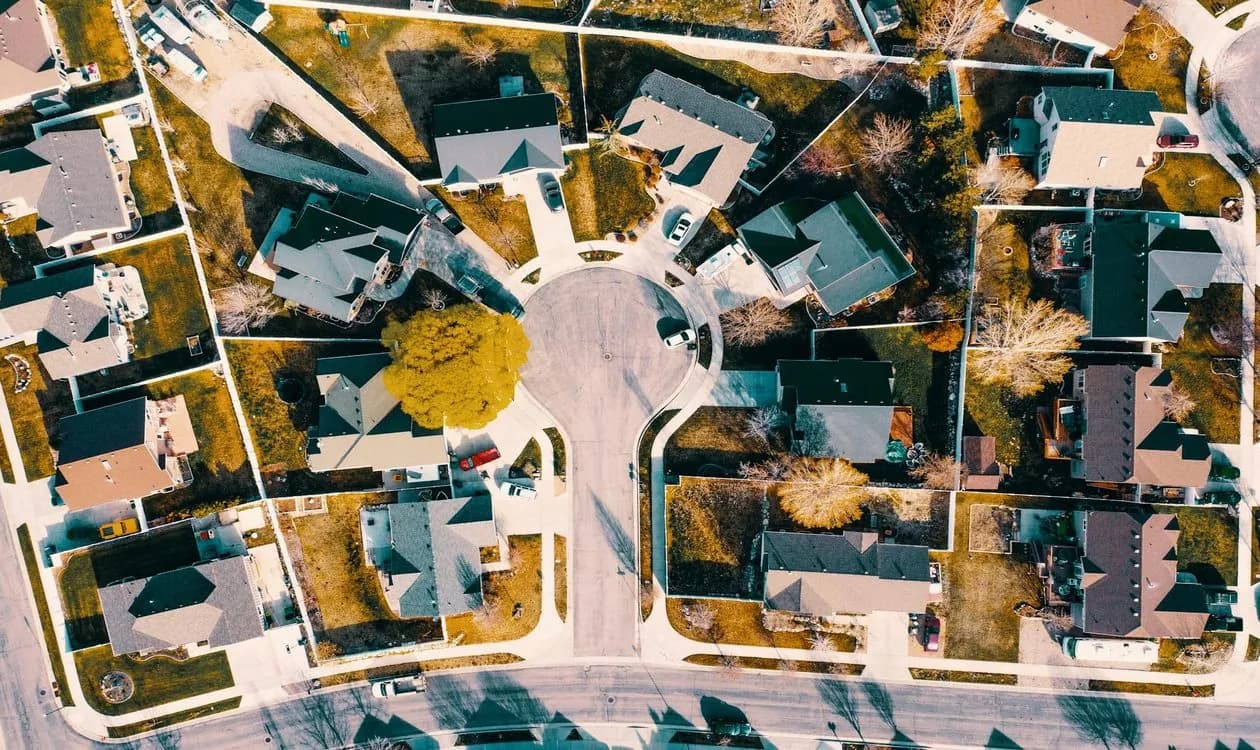
Radon in Stockbridge, Georgia: Local Levels and Testing
Stockbridge and Henry County are EPA Zone 2 with radon levels averaging 2.0-4.0 pCi/L. A guide to radon risk in Stockbridge neighborhoods, testing, and mitigation.

Radon in Conyers, Georgia: Rockdale County Radon Guide
Conyers and Rockdale County are EPA Zone 2 with radon levels averaging 2.0-4.0 pCi/L. A look at local radon risk, testing, and mitigation for Conyers homes.
Radon in McDonough, Georgia: Henry County Testing Guide
McDonough and Henry County are EPA Zone 2 with radon levels averaging 2.0-4.0 pCi/L. Local geology, testing options, and mitigation for Henry County homes explained.
Radon in Tucker, Georgia: What DeKalb County Homeowners Should Know
Tucker sits in DeKalb County

Radon in Lilburn, Georgia: Local Radon Data and Protection
Lilburn is in Gwinnett County, an EPA Zone 2 area with moderate radon risk. Local radon levels, neighborhood data, testing options, and mitigation for Lilburn homes.

Radon in Snellville, Georgia: What Homeowners Need to Know
Snellville is in Gwinnett County, an EPA Zone 2 area with moderate radon risk. Local radon levels, neighborhood data, testing options, and mitigation for Snellville homes.

Radon in Suwanee, Georgia: Risk Assessment and Testing
Suwanee spans Gwinnett and Forsyth counties with moderate-to-high radon risk. Local radon levels, neighborhood data, testing options, and mitigation for Suwanee homes.
Radon in Canton, Georgia: Testing Guide for Cherokee County Homes
Canton is the county seat of Cherokee County, an EPA Zone 1 area with high radon risk. Local radon levels, testing options, and mitigation for Canton homes.

Radon in Duluth, Georgia: Radon Levels and Testing Guide
Duluth is in Gwinnett County, an EPA Zone 2 area with moderate radon risk. Local radon levels, neighborhood data, testing options, and mitigation for Duluth homes.

Radon in Norcross, Georgia: What Gwinnett County Homeowners Should Know
Norcross is in Gwinnett County, an EPA Zone 2 area with moderate radon risk. Local radon levels, testing options, and mitigation for Norcross homes.

Radon in Acworth, Georgia: Local Data and What to Do
Acworth spans Cobb and Cherokee counties, both EPA Zone 1 areas with high radon risk. Local radon levels, neighborhood data, testing, and mitigation for Acworth homes.

Radon in Brookhaven, Georgia: Testing and Mitigation Guide
Brookhaven sits on Piedmont geology in DeKalb County with moderate radon risk. Local radon levels, neighborhood data, testing options, and mitigation for Brookhaven homes.
Radon in Milton, Georgia: Levels, Risk & Protection Options
Milton sits on radon-producing Piedmont granite in North Fulton County. Local radon levels, high-risk areas, testing options, and mitigation for Milton homes.

Radon in Lawrenceville, Georgia: Homeowner
Lawrenceville is the county seat of Gwinnett County, an EPA Zone 2 area with moderate radon risk. Local radon levels, neighborhood risks, testing, and mitigation options.
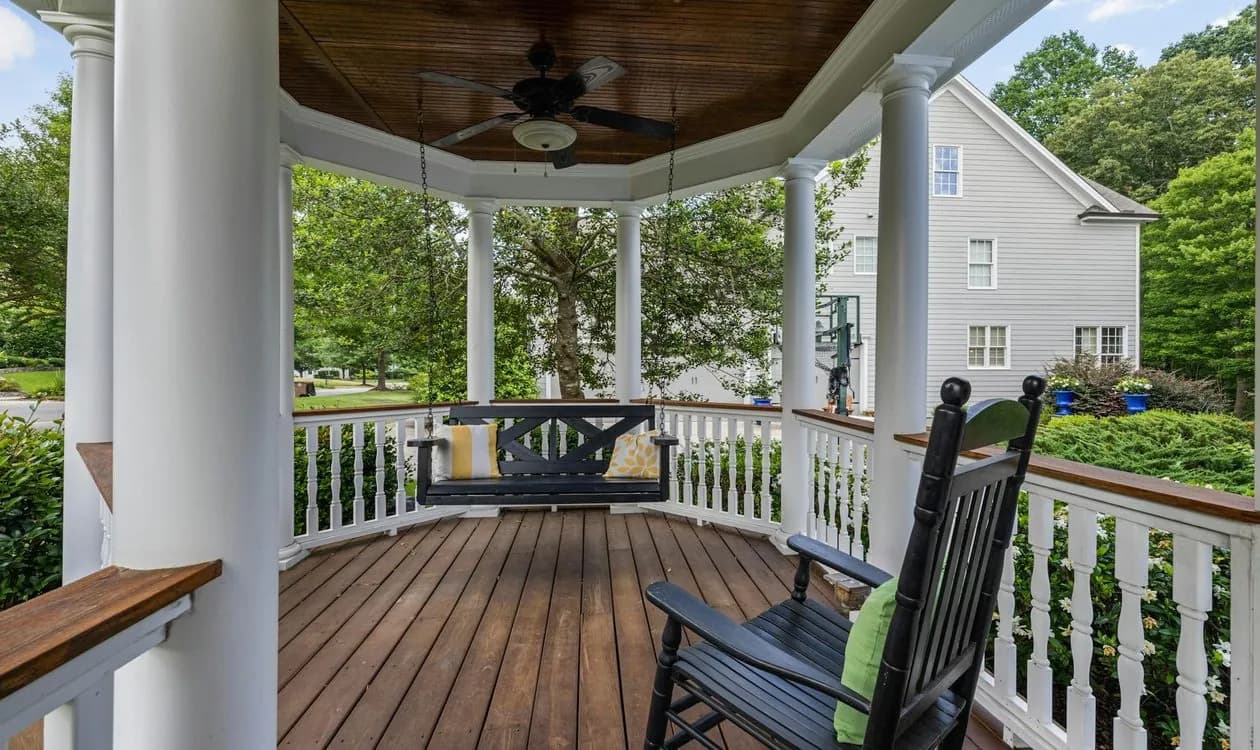
Radon in Peachtree City, Georgia: What Residents Need to Know
Peachtree City is in Fayette County, an EPA Zone 2 area with moderate radon risk. Local radon levels, neighborhood data, testing options, and mitigation for Peachtree City homes.

Radon in Smyrna, Georgia: Risk Levels, Testing & Mitigation
Smyrna is in Cobb County, an EPA Zone 1 area with high radon risk. Local radon levels, neighborhood risks, testing options, and mitigation for Smyrna homes.

Radon in Alpharetta, Georgia: Testing, Levels & Mitigation Guide
Alpharetta sits on radon-producing Piedmont granite in North Fulton County. Local radon levels, high-risk neighborhoods, testing options, and mitigation for Alpharetta homes.
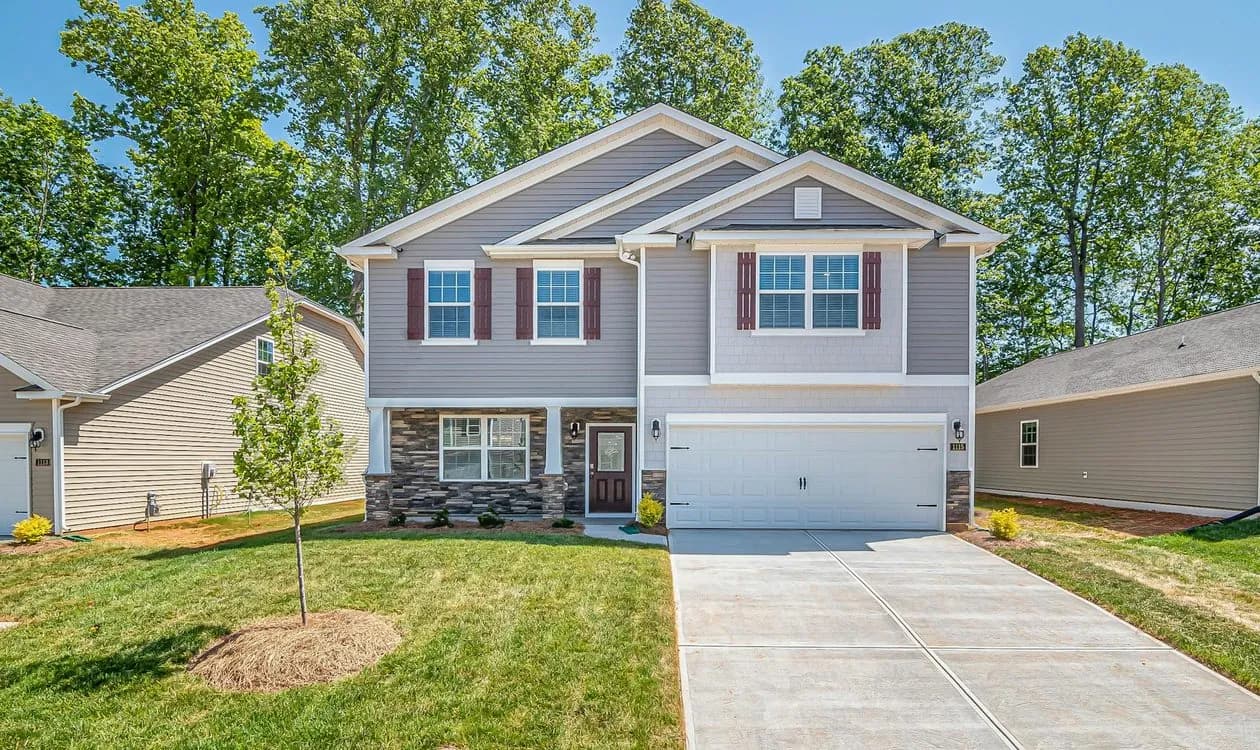
Radon in Decatur, Georgia: What Homeowners Should Know
Decatur sits on Piedmont geology in DeKalb County with moderate radon risk. Local radon levels, high-risk neighborhoods, testing options, and mitigation for Decatur homes.
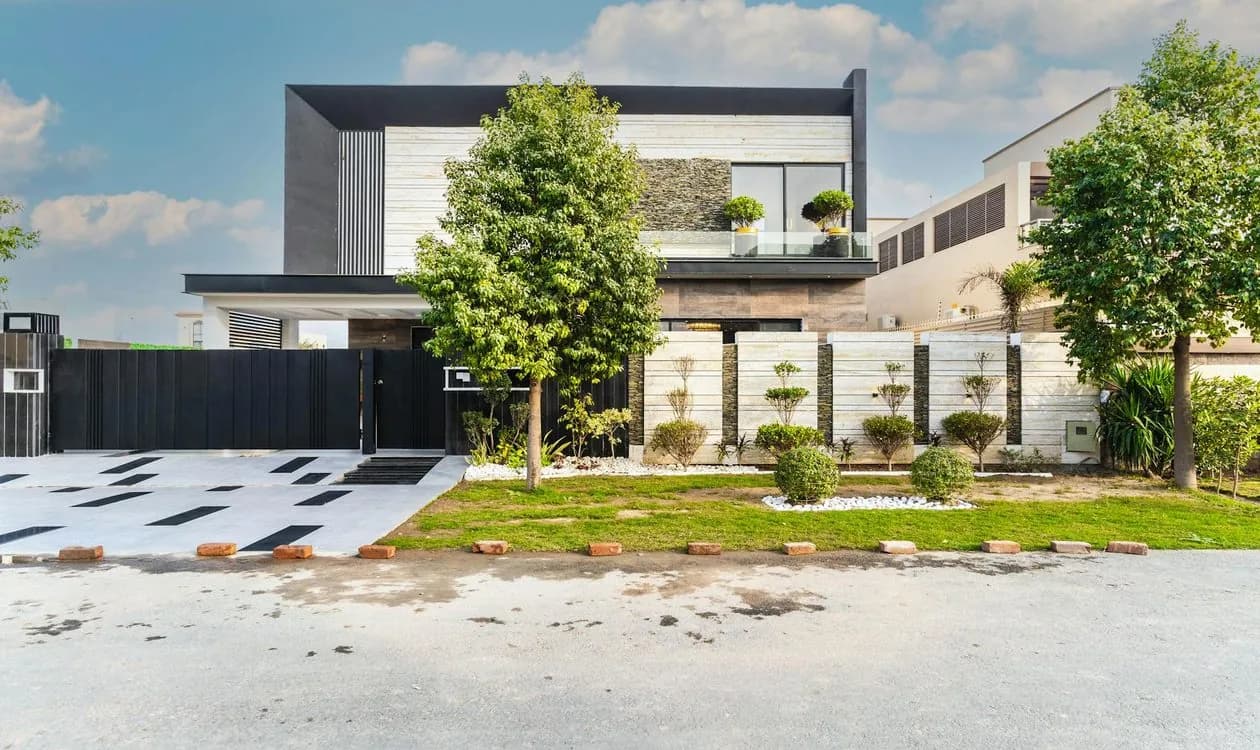
Radon in Kennesaw, Georgia: Local Levels, Testing & Protection
Kennesaw sits in Cobb County on Piedmont geology with moderate-to-high radon risk. Local radon levels, testing options, and mitigation for Kennesaw homes.
Does Radon Mitigation Reduce Home Humidity?
Radon mitigation systems also reduce basement and crawl space moisture. An EPA study confirms the dehumidifying effect. Here is how it works.
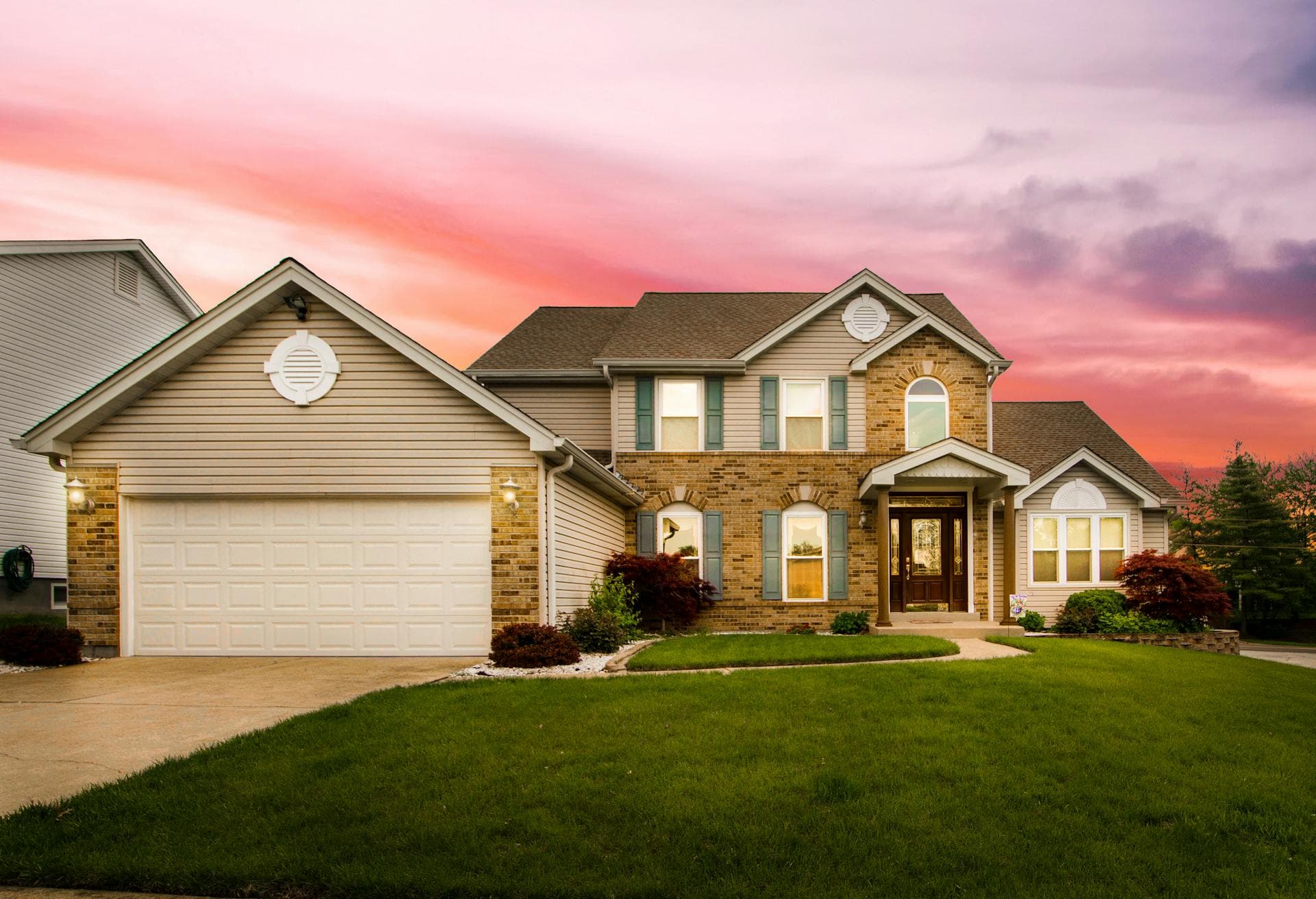
Spring Radon Testing: Why Now Is the Perfect Time to Test Your Georgia Home
Spring rain saturates Georgia soil and peak real estate season hits at the same time. That combination makes spring an ideal window to test your home for radon.

Radon in Sandy Springs, Georgia: What Homeowners Need to Know
Sandy Springs sits on dense Piedmont granite, with 22-32% of homes testing above the EPA action level. A look at local radon risk, testing, and mitigation options.
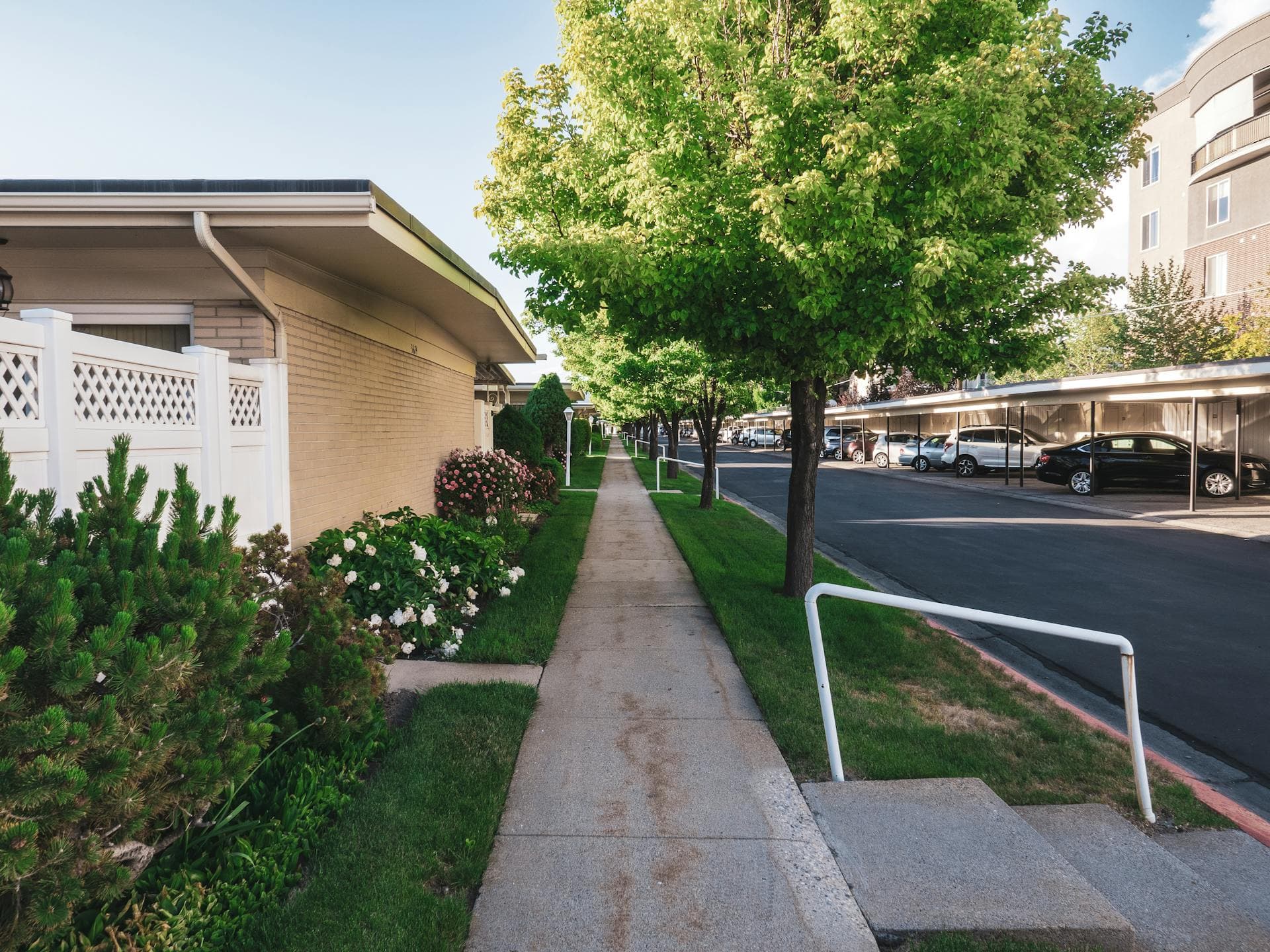
Does Homeowners Insurance Cover Radon Testing or Mitigation?
Wondering whether your homeowners insurance covers radon? It does not, in almost every case. The out-of-pocket cost is more affordable than most homeowners expect.

Radon in Dunwoody, Georgia: What Homeowners Need to Know
In Dunwoody, 20-30% of homes test above the EPA action level for radon. A neighborhood-by-neighborhood look at DeKalb County risk, testing, and mitigation options.

Radon and Indoor Air Quality: The Invisible Threat in Your Home
Radon is the most dangerous indoor air pollutant in most homes, and air purifiers cannot remove it. A clear look at why radon tops the EPA risk list and what actually works.

Radon in Johns Creek, Georgia: What Homeowners Need to Know
About 22-32% of Johns Creek homes test above the EPA action level for radon. A look at North Fulton County risk areas, testing options, and mitigation costs.
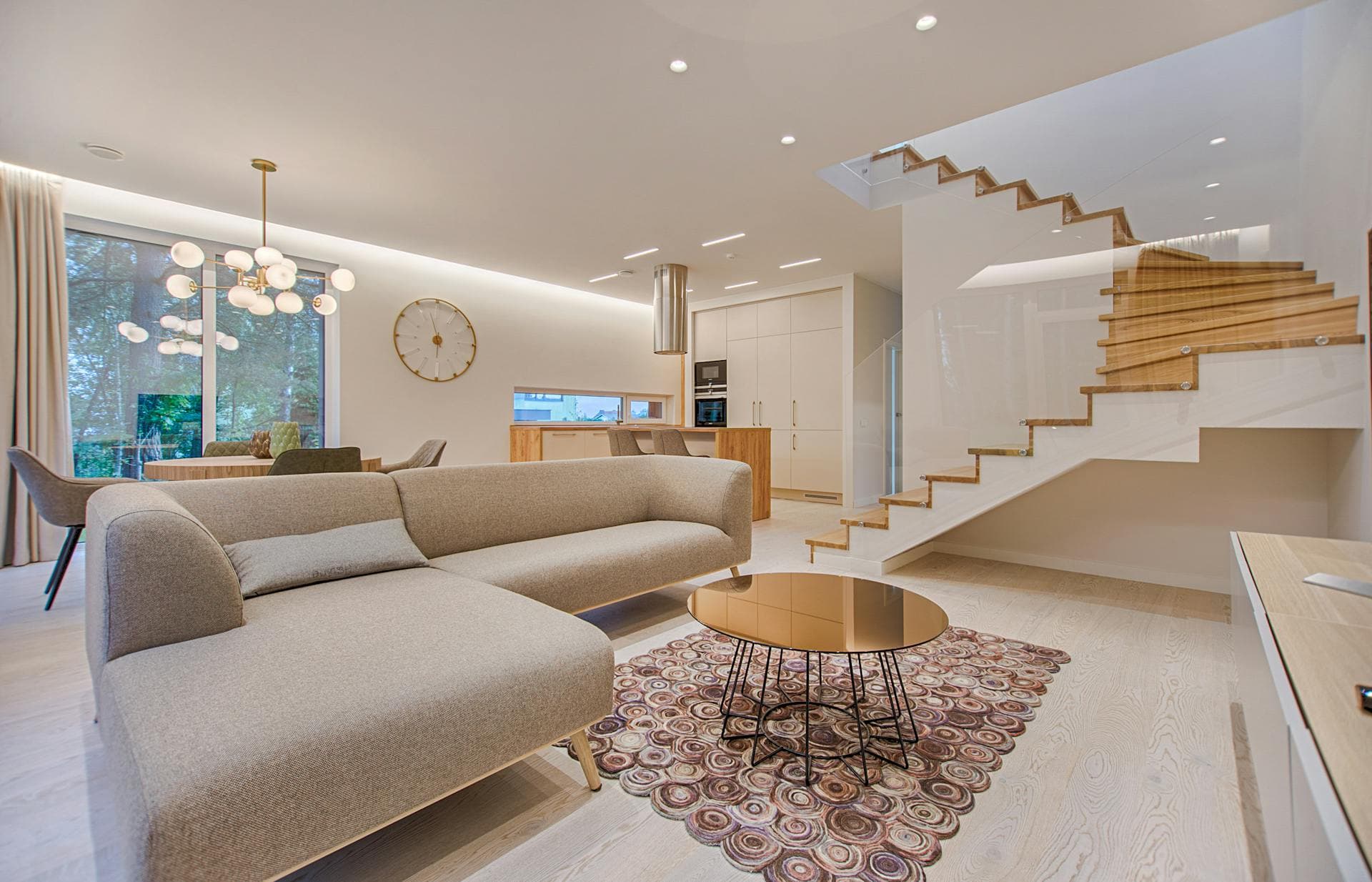
What to Expect During a Radon Mitigation Installation
A radon mitigation installation takes 4-6 hours and reduces radon by 95-99%. A step-by-step walkthrough of the process, the finished system, and what happens after.

Radon in Cumming, Georgia: What Homeowners Need to Know
Cumming sits in EPA Zone 1, with 35-45% of Forsyth County homes testing above the action level. A guide to radon risk, testing, and mitigation for Cumming homeowners.

Radon in Georgia Schools and Daycares: What Parents Should Know
An estimated 1 in 5 U.S. schools have elevated radon, yet Georgia has no testing mandate. What parents can do to protect children at school and daycare.
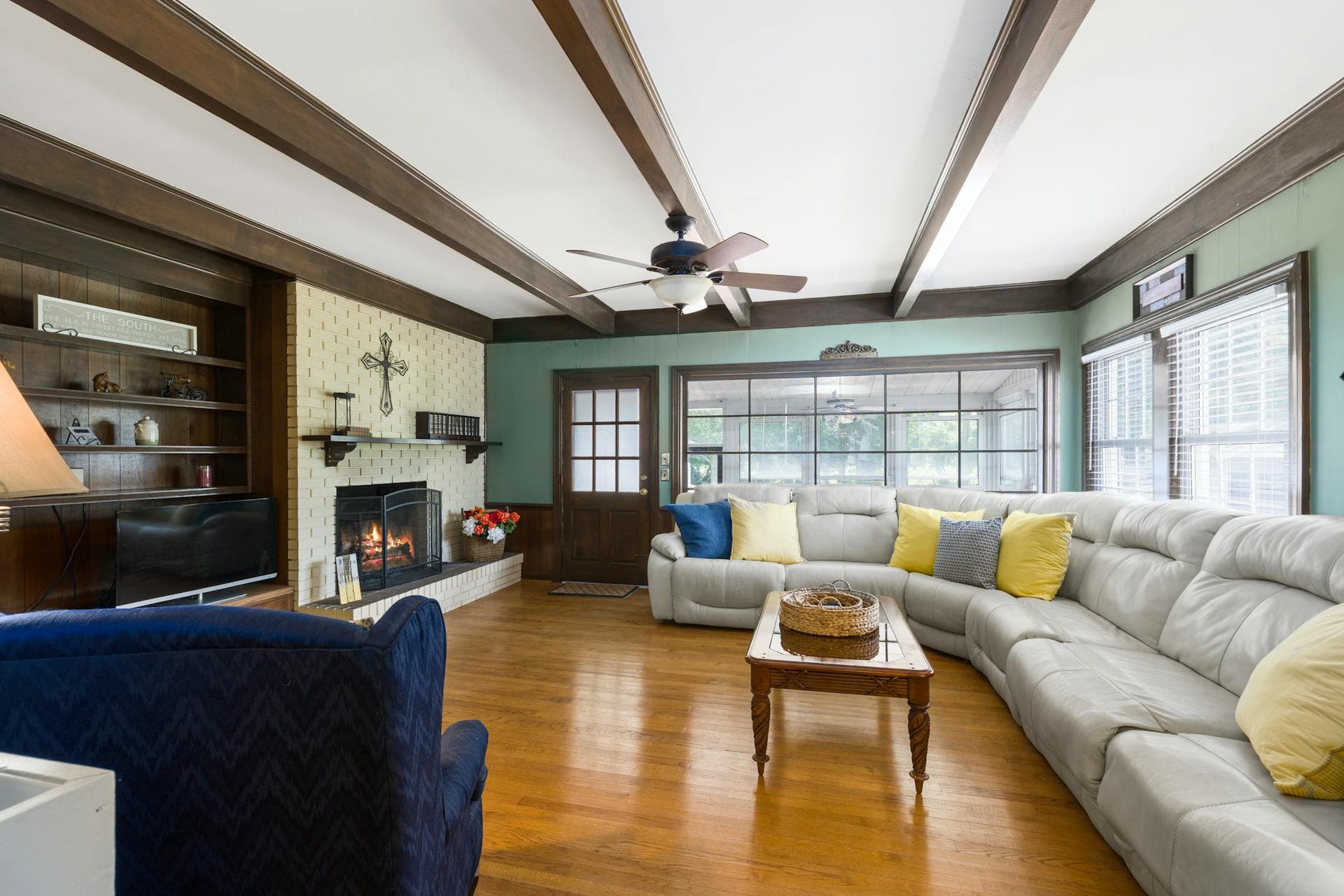
Radon in Woodstock, Georgia: What Homeowners Need to Know
Woodstock sits in EPA Zone 1, with 30-40% of Cherokee County homes testing above the action level. A breakdown of local radon risk, testing, and mitigation.
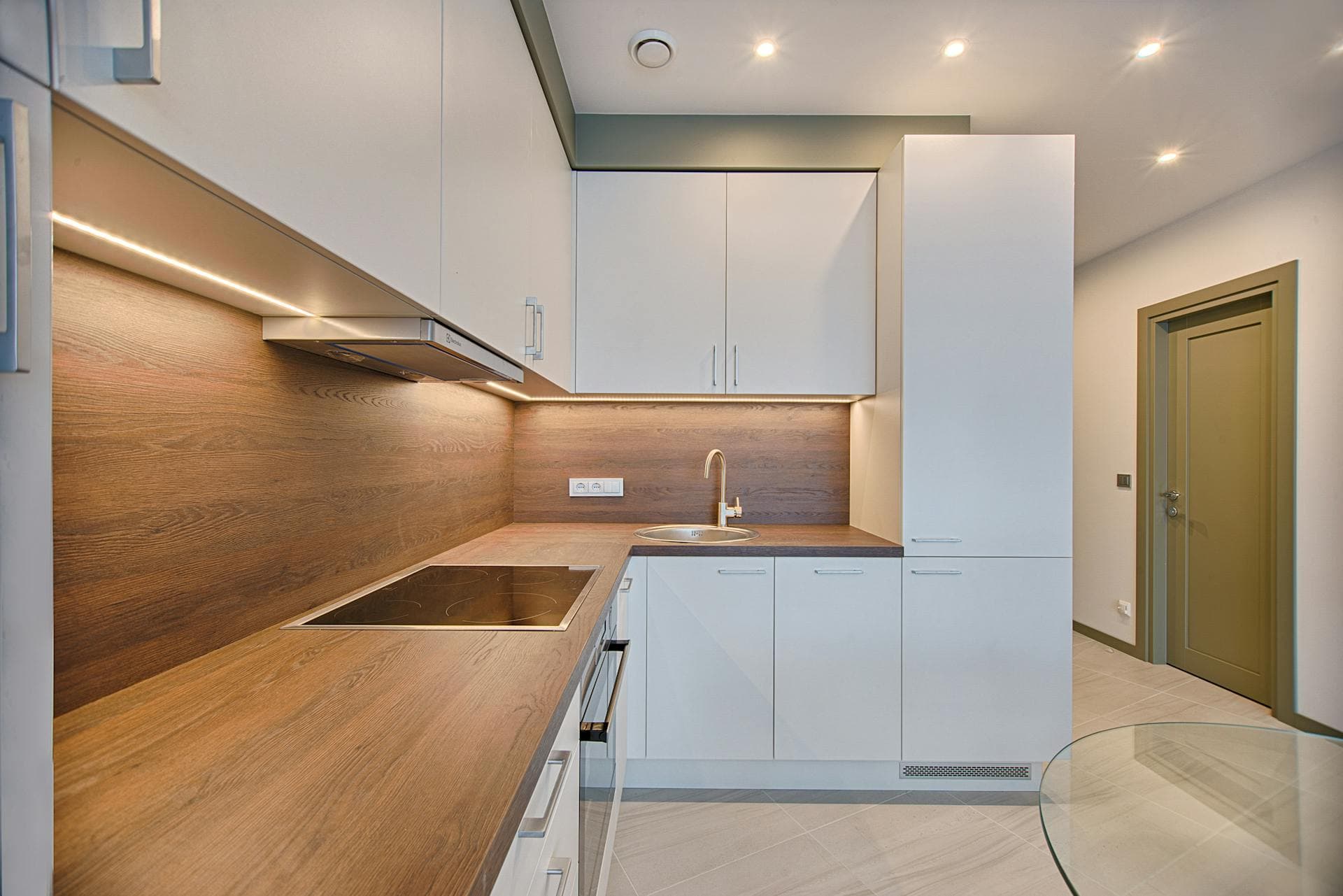
Radon and Home Renovations: When Remodeling Can Increase Radon Levels
Finishing a basement, changing your HVAC, or adding a bathroom below grade can all push radon levels higher. When to retest and how to protect your home during renovations.
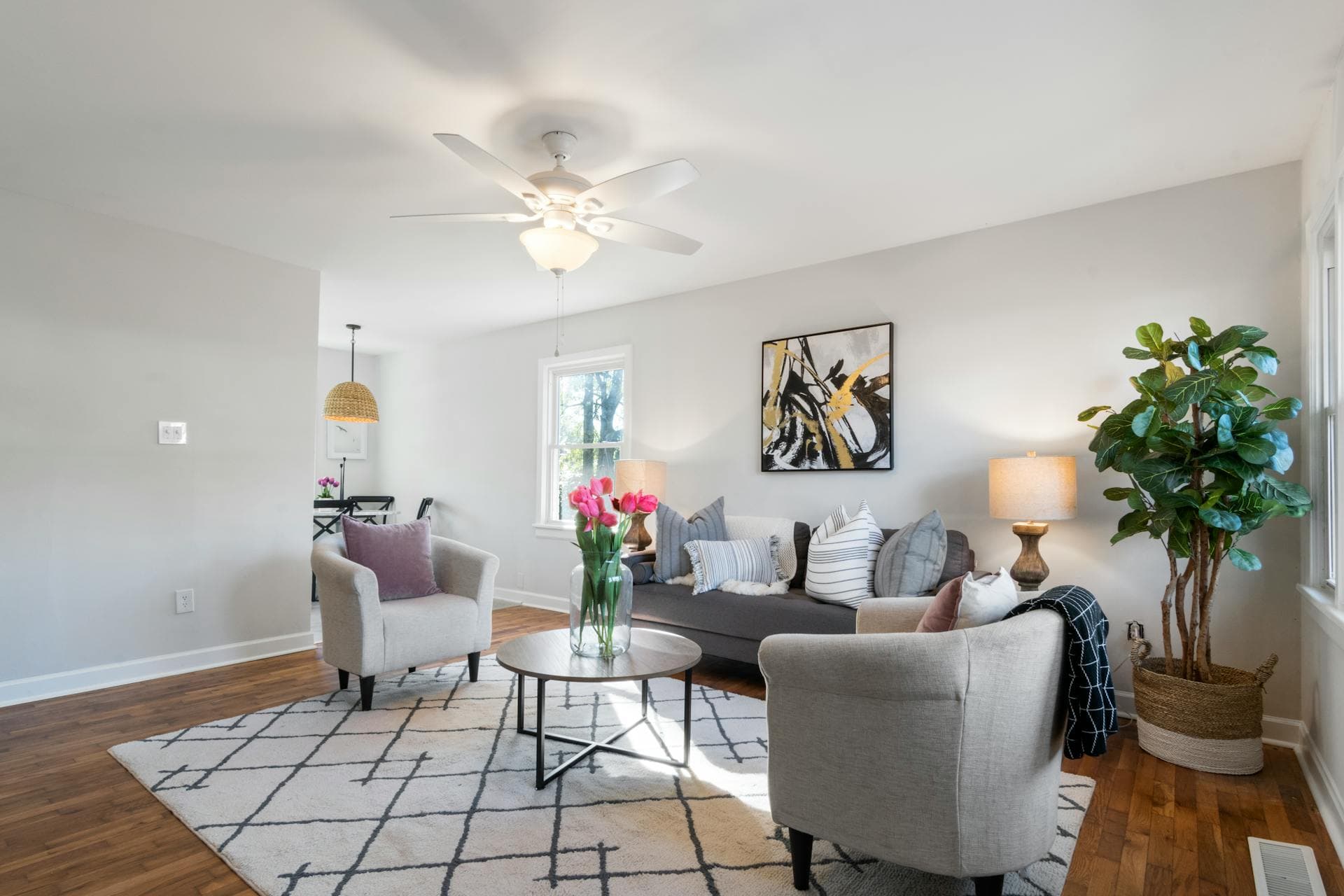
Radon in Roswell, Georgia: What Homeowners Need to Know
Roswell in North Fulton sits on dense granite bedrock, with 25-35% of homes testing above the EPA action level. A look at local radon risk and mitigation options.
Sump Pumps and Radon: How Your Sump Pit Affects Radon Entry
An open sump pit is a direct pathway for radon gas into your basement. How to seal it, why it matters, and the way sump pits can actually help with mitigation.

Radon in Marietta, Georgia: What Homeowners Need to Know
Marietta in Cobb County has 20-30% of homes testing above the EPA action level. Local radon risk near Kennesaw Mountain, testing, and mitigation options explained.

Radon Test Kit Types: Charcoal, Alpha Track & Continuous Monitors Compared
Charcoal canisters, alpha track detectors, and continuous radon monitors all do the same job differently. A comparison of accuracy, cost, and which test fits your situation.

Radon in Rockdale County, Georgia: Testing Testing & Risk Areas Risk Areas
Rockdale County is EPA Zone 2, with Arabia Mountain granite influencing western areas. Local radon data, high-risk areas, and what Conyers homeowners should do.

Radon in Rentals: Tenant and Landlord Responsibilities
Ground-floor apartments and rental homes face the same radon risks as owner-occupied houses. A guide to tenant rights, landlord duties, and testing a rental in Georgia.
Radon in Douglas County, Georgia: Testing Testing & Risk Areas Risk Areas
Douglas County is EPA Zone 2, with moderate radon risk across Douglasville and surrounding areas. Local testing data, geology, and what homeowners should do.

First-Time Homebuyer Radon Checklist for Georgia
Buying your first home in Georgia? Radon testing is not always included in a standard home inspection. Use this checklist to protect yourself during the buying process.
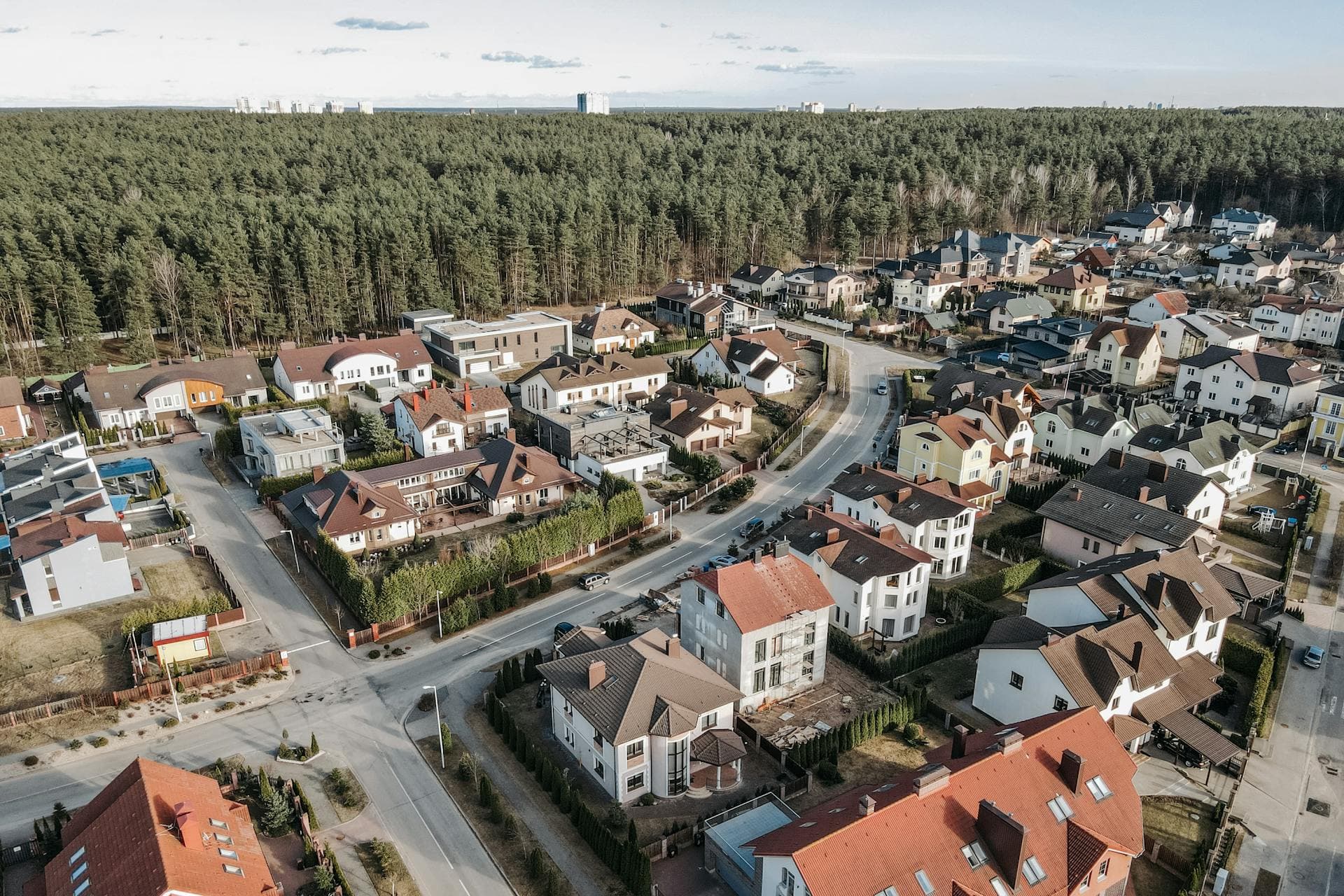
Radon in Clayton County, Georgia: Testing Testing & Risk Areas Risk Areas
Clayton County is EPA Zone 3, with lower overall radon risk. Individual homes can still test above the action level. What Clayton County homeowners need to know.

How Your HVAC System Affects Radon Levels in Your Home
Your HVAC system creates pressure differences that pull radon into your home. How heating, cooling, and ductwork affect radon levels and what you can do about it.
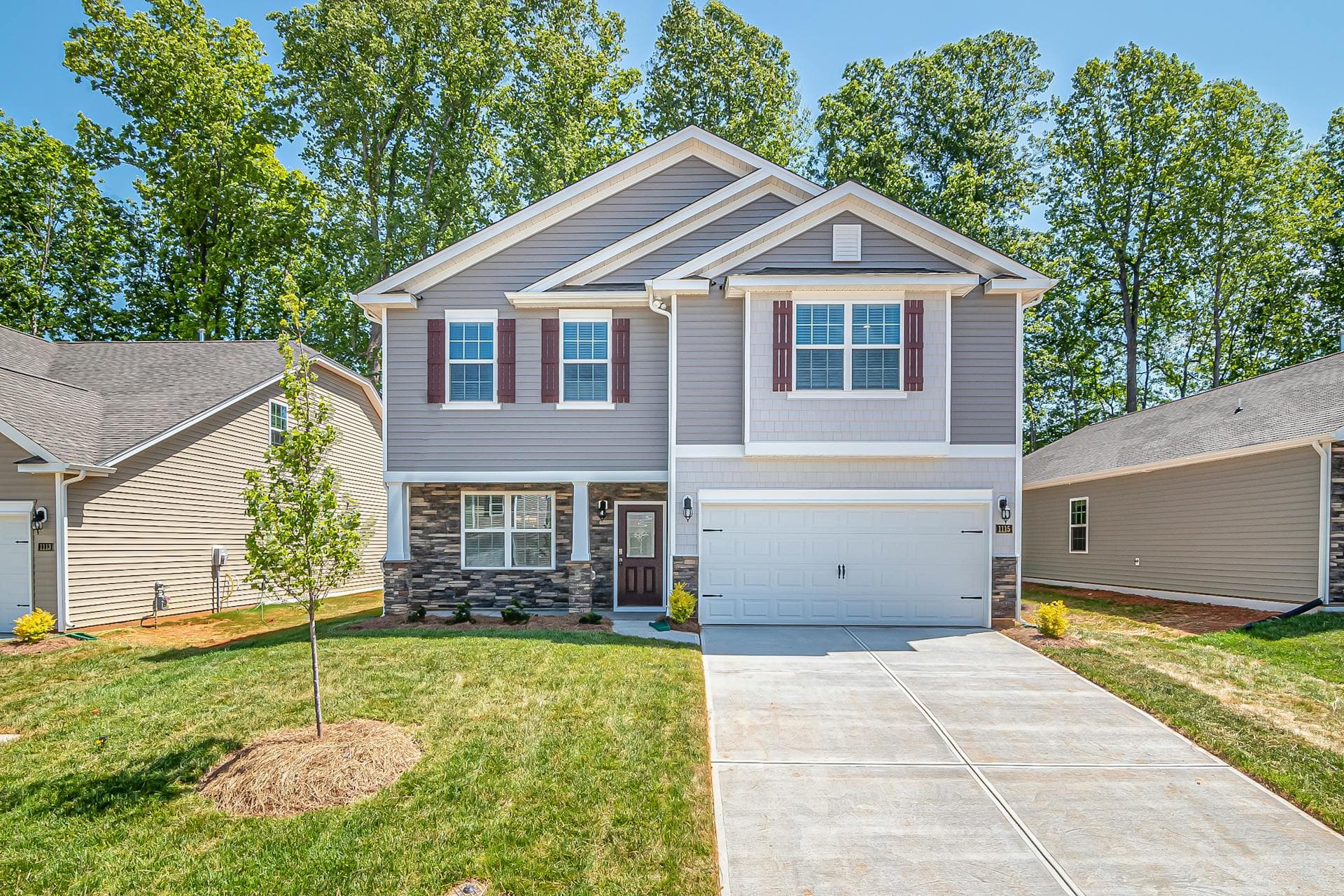
Radon in Fayette County, Georgia: Testing Testing & Risk Areas Risk Areas
Fayette County is EPA Zone 2, with moderate radon risk across Peachtree City, Fayetteville, and Tyrone. Local testing data, geology, and what homeowners should do.

Passive vs Active Radon Systems: Which Does Your Home Need?
Passive radon systems reduce levels by 30-50%. Active systems achieve 95-99%. The differences, when each is appropriate, and how to convert passive to active.
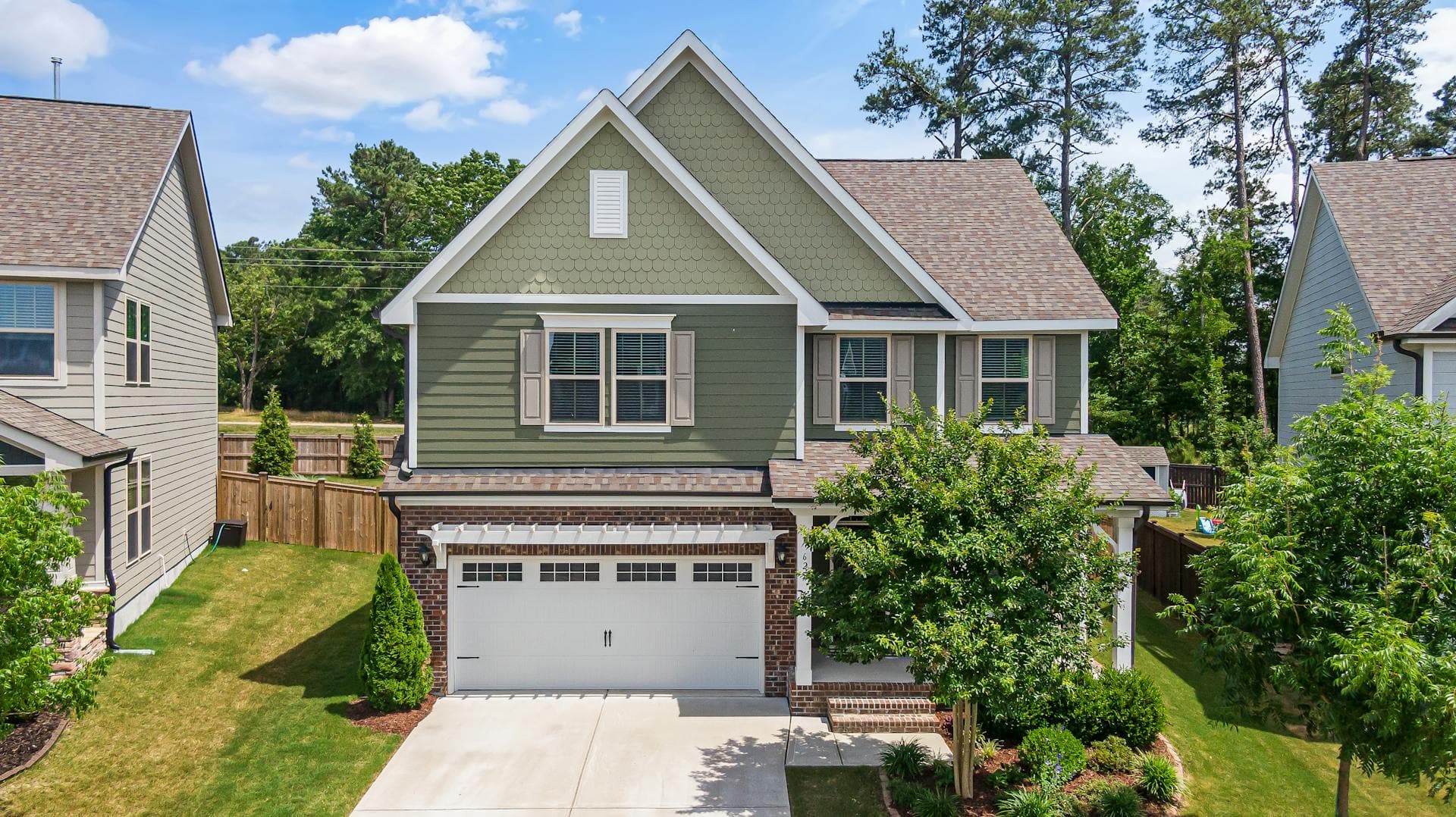
Radon in Henry County, Georgia: Testing Testing & Risk Areas Risk Areas
Henry County is EPA Zone 2, with moderate radon risk across McDonough, Stockbridge, and Hampton. Local testing data and what Henry County homeowners should do.

Does Radon Affect Home Value? What Georgia Sellers Need to Know
Unmitigated radon can cost sellers $5,000-15,000 in negotiations. A $1,200-2,500 mitigation system often eliminates the issue. The smart approach for Georgia sellers.
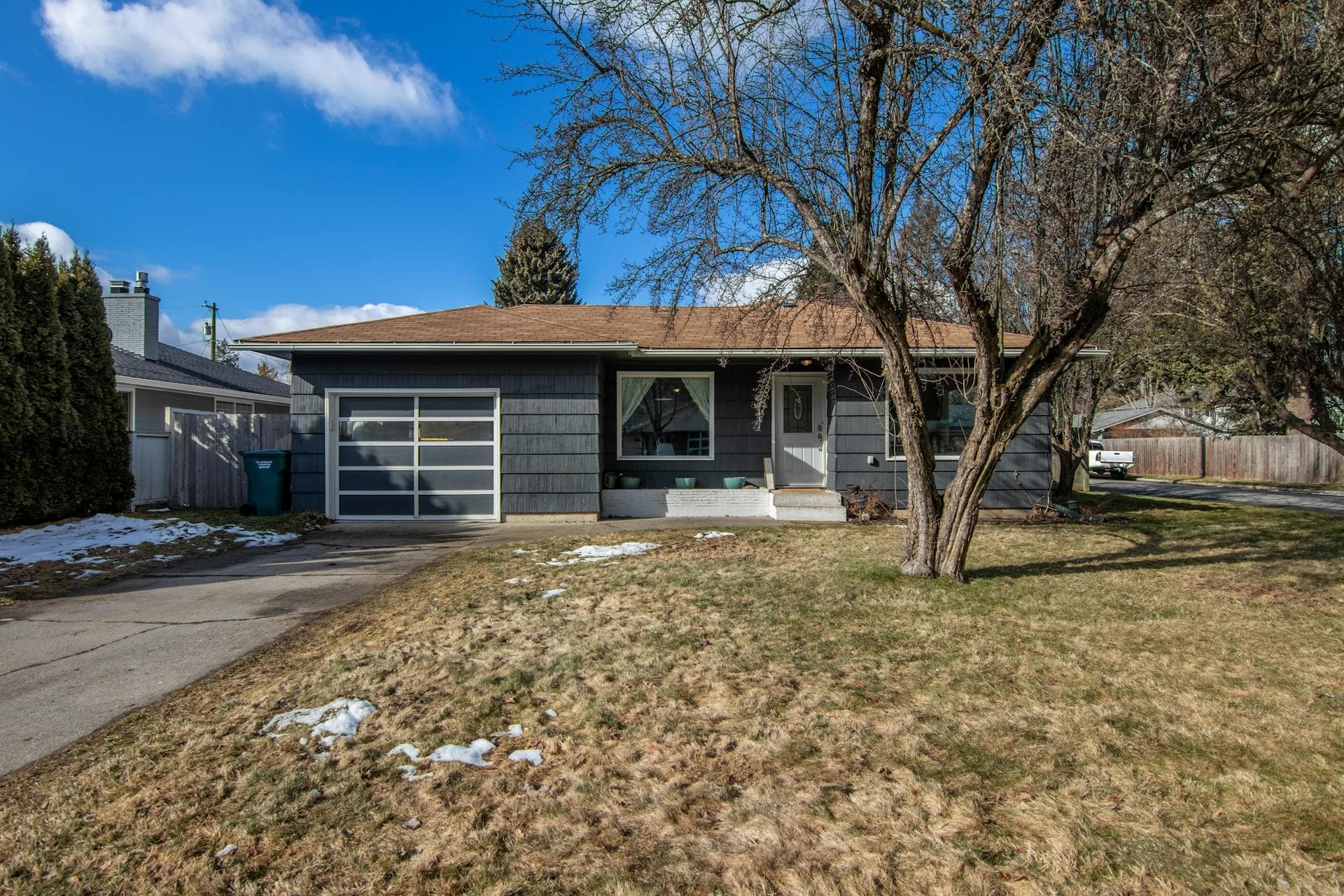
Radon in Forsyth County, Georgia: Testing Testing & Risk Areas Risk Areas
Forsyth County is EPA Zone 1, with some of the highest radon potential in Metro Atlanta. Local data, risk areas around Cumming, and what homeowners should do.
How to Choose a Radon Mitigation Company in Georgia
Not all radon companies are equal. What credentials to look for, red flags to avoid, and the right questions to ask before hiring a radon mitigation company in Georgia.
Radon in Cherokee County, Georgia: Testing Testing & Risk Areas Risk Areas
Cherokee County is EPA Zone 1, the highest radon risk designation. Up to 1 in 3 homes test above the action level. What Woodstock and Canton homeowners should do.

Radon and Pregnancy: Risks, Safe Levels & How to Protect Your Family
Pregnant women spend more time at home, making radon exposure a real concern. What the research says, when to test, and how to protect your growing family.
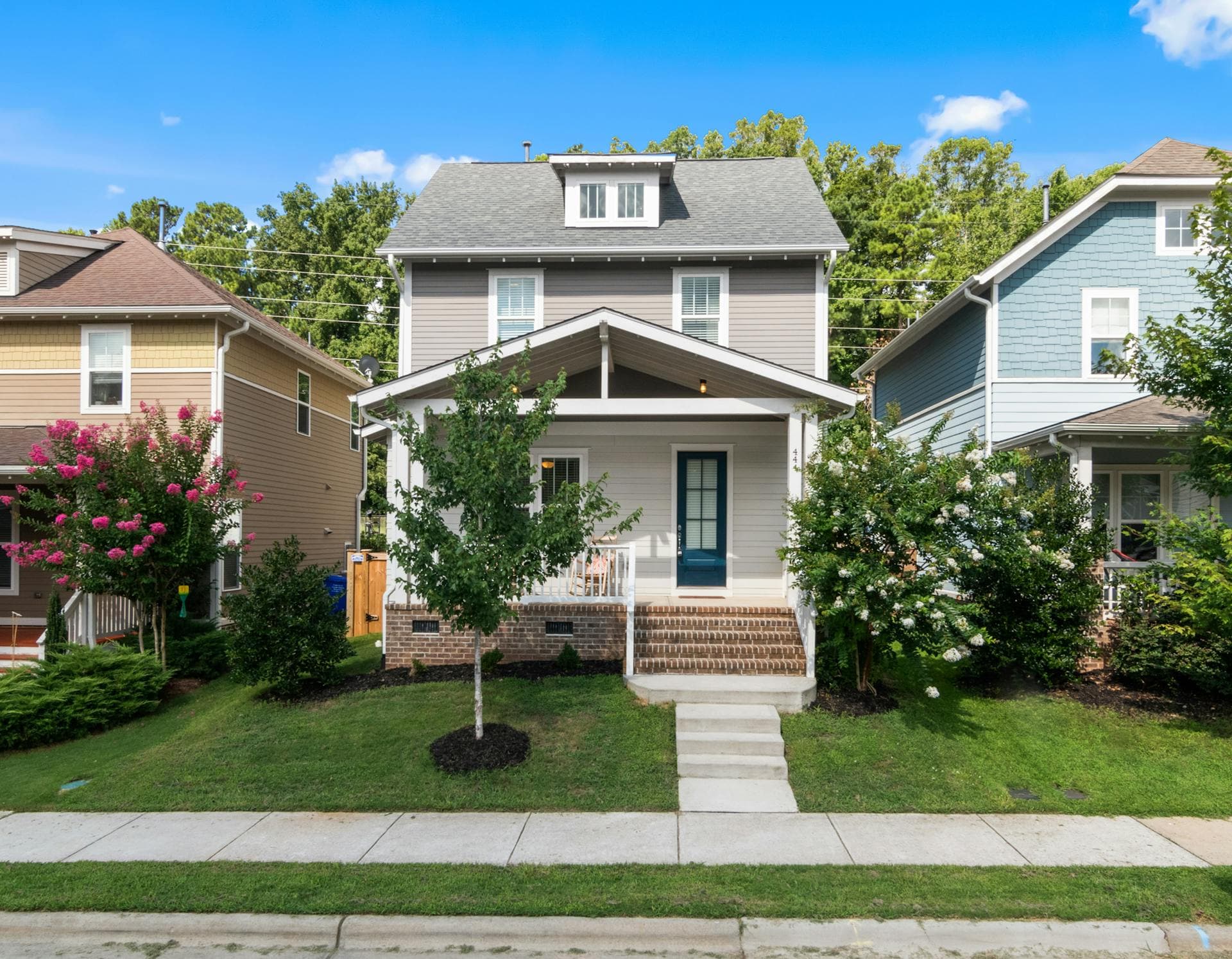
Radon in DeKalb County, Georgia: Testing Testing & Risk Areas Risk Areas
DeKalb County is EPA Zone 2, with Stone Mountain granite influencing radon levels. Risk areas in Brookhaven, Dunwoody, Decatur, and what homeowners should do.

Radon in Well Water: Testing & Treatment in Georgia
Radon dissolves into well water from underground granite and enters your home when you shower, cook, and run the dishwasher. A guide to testing and treatment options.
Radon in Cobb County, Georgia: Testing Testing & Risk Areas Risk Areas
Cobb County is EPA Zone 2, with moderate radon risk across Marietta, Smyrna, Kennesaw, and East Cobb. Local testing data, geology, and what homeowners should do.
Radon Levels by Zip Code in Georgia: Look Up Your Area's Risk
Check radon levels by zip code across Georgia. EPA zone data, county-level averages, and a free radon risk lookup tool to assess your home's risk in seconds.
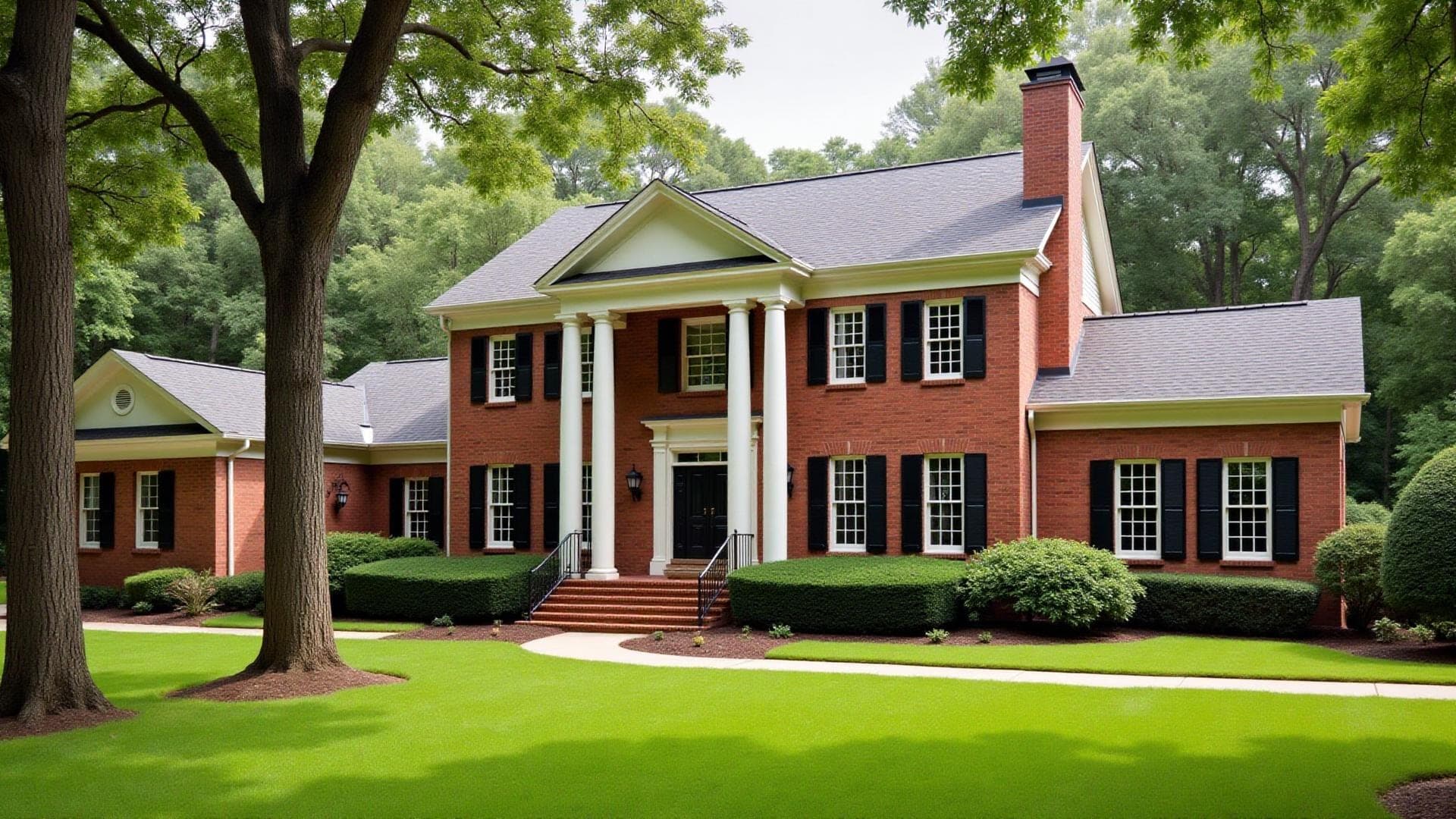
Radon Mitigation Cost Guide 2026: Real Prices by System & Home Type
How much does radon mitigation cost in 2026? Real pricing from $800 to $3,000+ by system type, foundation, and home size. Use our free cost calculator for an instant estimate.
Granite Bedrock and Radon in North Georgia: Why Geology Matters
North Georgia's granite bedrock produces some of the highest radon levels in the Southeast. Learn how the Piedmont and Blue Ridge geology creates radon risk and what homeowners should do.
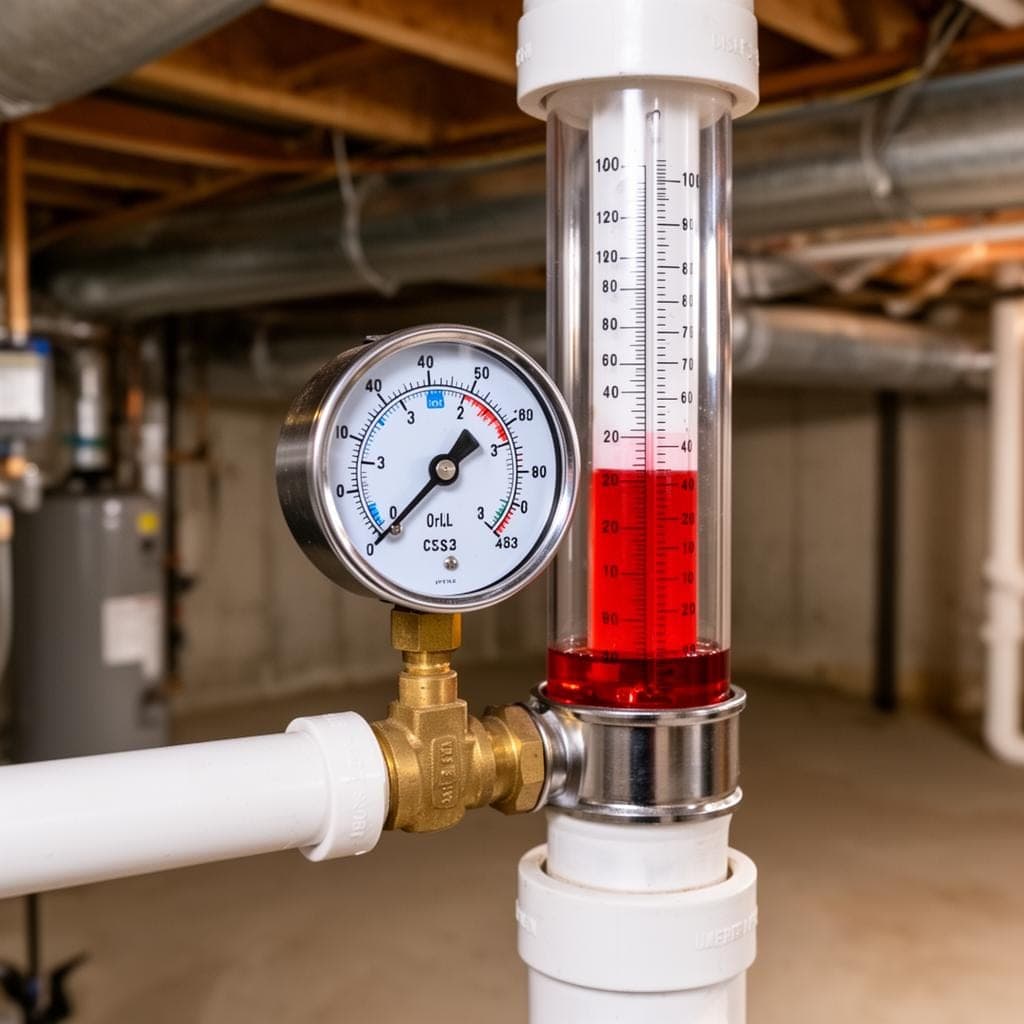
Radon System Maintenance Guide: Keep Your Mitigation System Working
Your radon mitigation system needs basic maintenance to stay effective. Learn how to check the manometer, monitor fan performance, and know when to call a professional.

Who Pays for Radon Mitigation: Buyer or Seller? Negotiation Guide
Radon found during a home inspection? Learn who typically pays for mitigation in Georgia, how to negotiate costs, and what buyers and sellers should know about radon in real estate.

Does Rain Affect Radon Levels? Weather, Barometric Pressure & Radon
Rain can increase radon levels in your home by saturating soil and trapping gas. Learn how weather patterns, barometric pressure, and seasonal changes affect indoor radon concentrations.
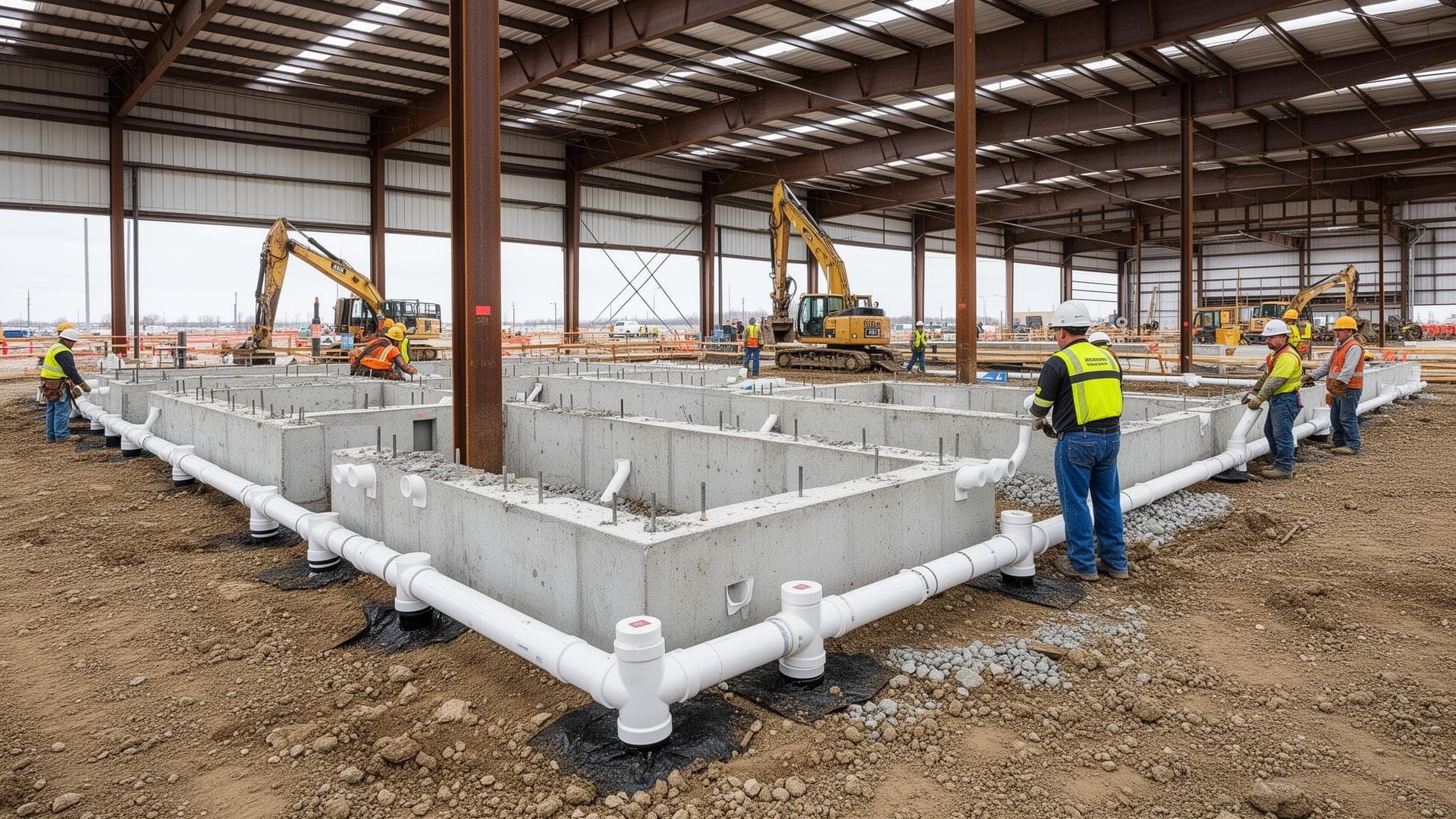
Commercial Radon Testing: A Guide for Business Owners & Property Managers
Commercial buildings need radon testing too. Learn about EPA guidelines for workplaces, schools, and commercial properties, testing methods, and mitigation options for commercial spaces.
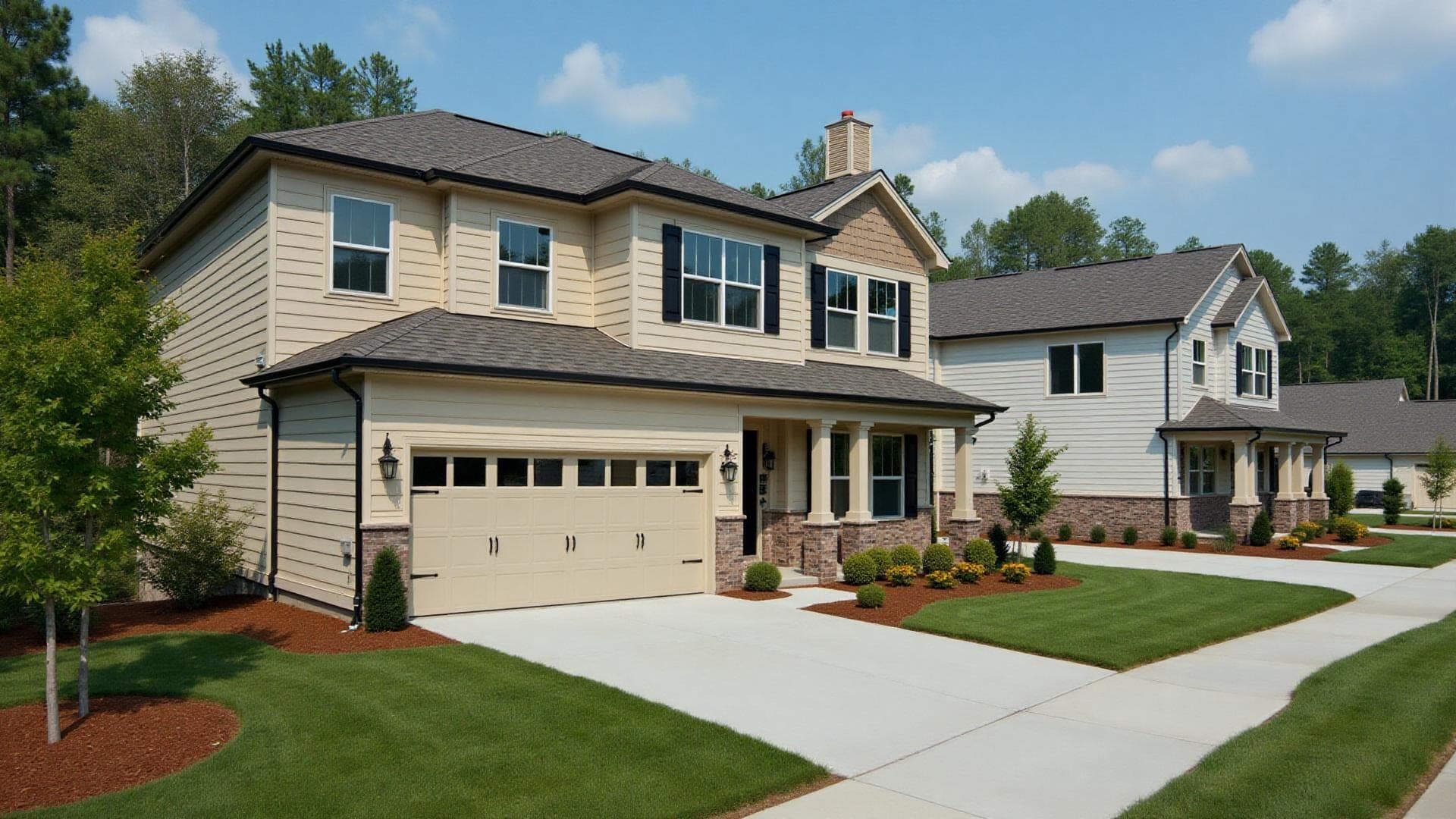
Radon in Gwinnett County Georgia: Testing Data, Risk Zones & What to Do
Gwinnett County falls in EPA Zone 2 with moderate to high radon risk. Learn about local testing data, which areas test highest, and how to protect your Gwinnett County home.

The Health Cost of Ignoring Radon: What Inaction Really Costs You
Ignoring radon is a gamble with your health. Learn the real costs of radon exposure over time, lung cancer treatment expenses, and why a $1,200 mitigation system is the best investment you can make.
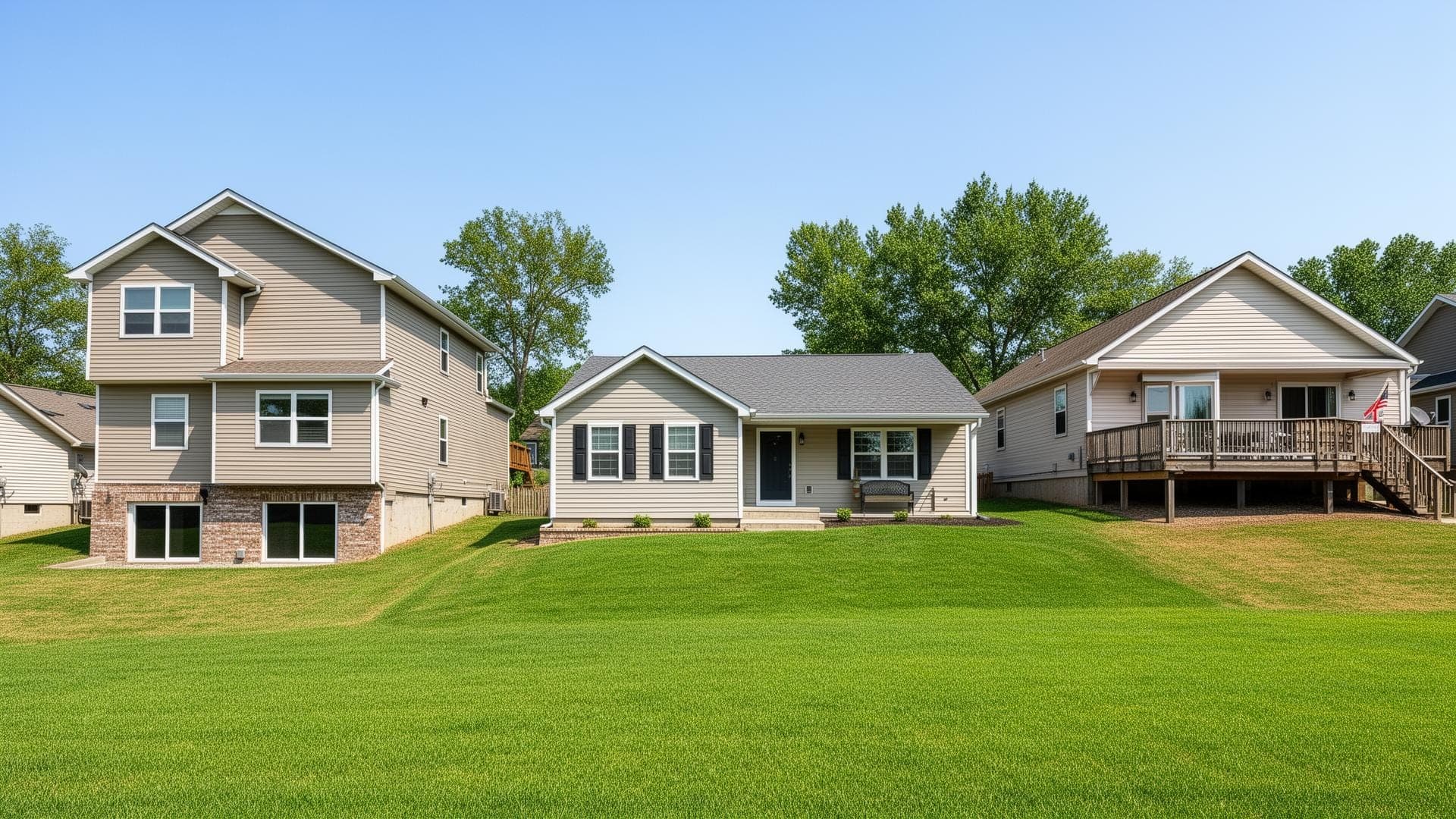
Radon-Resistant New Construction in Georgia: Builder Guide
Building a new home in Georgia? Radon-resistant new construction (RRNC) features cost $350-$750 during building vs $800-$2,500 to retrofit. Learn what to require from your builder.
How to Read Radon Test Results: Understanding Your Numbers
Got your radon test results back? Learn what pCi/L means, how to interpret your numbers, what the EPA action level means for your home, and what to do at every result level.
Radon in Condos and Townhomes: Are Multi-Unit Homes at Risk?
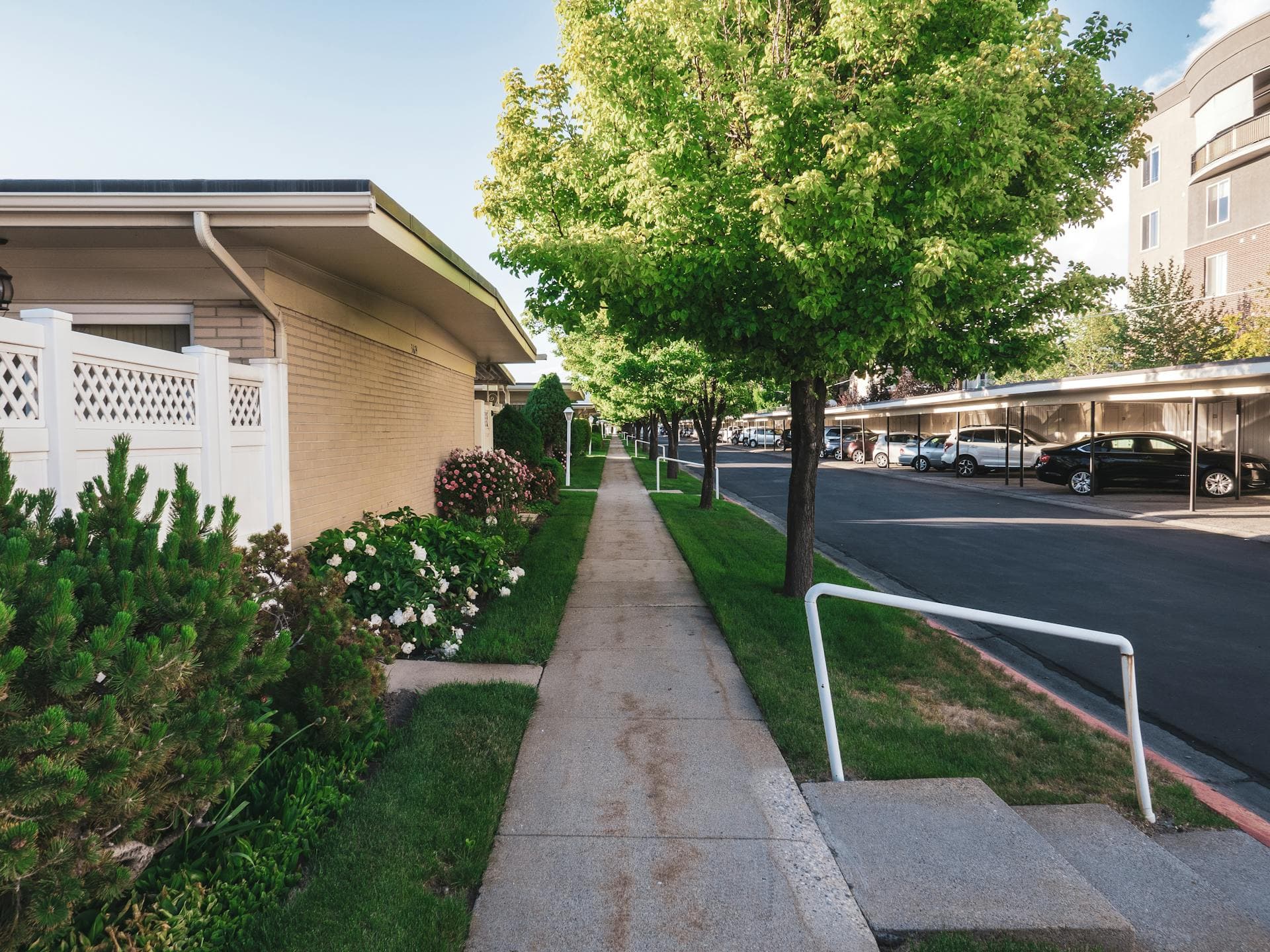
Think condos and townhomes are safe from radon? Ground-floor and basement units face the same risks as single-family homes. Learn about radon in multi-unit housing and what residents should know.
Selling a House with High Radon in Georgia: What Sellers Need to Know
High radon does not have to kill your home sale. Learn how to handle elevated radon as a Georgia seller, whether to mitigate before listing, and how to navigate buyer negotiations.

Radon in Fulton County Georgia: Atlanta Area Testing Data & Risk Guide
Fulton County sits in EPA Zone 2 with significant radon risk across Atlanta, Sandy Springs, Roswell, and Alpharetta. Learn about local radon data and what Fulton County homeowners should do.

Short-Term vs Long-Term Radon Testing: Which Do You Need?
Short-term radon tests take 2-7 days. Long-term tests take 90+ days. Learn when each is appropriate, accuracy differences, and which gives the most useful results for your situation.
Radon Fan Replacement Guide: When, Why & How Much It Costs
Radon fans last 5-12 years. Learn the signs your fan needs replacement, what replacement costs, how to choose the right fan, and why prompt replacement matters for your safety.
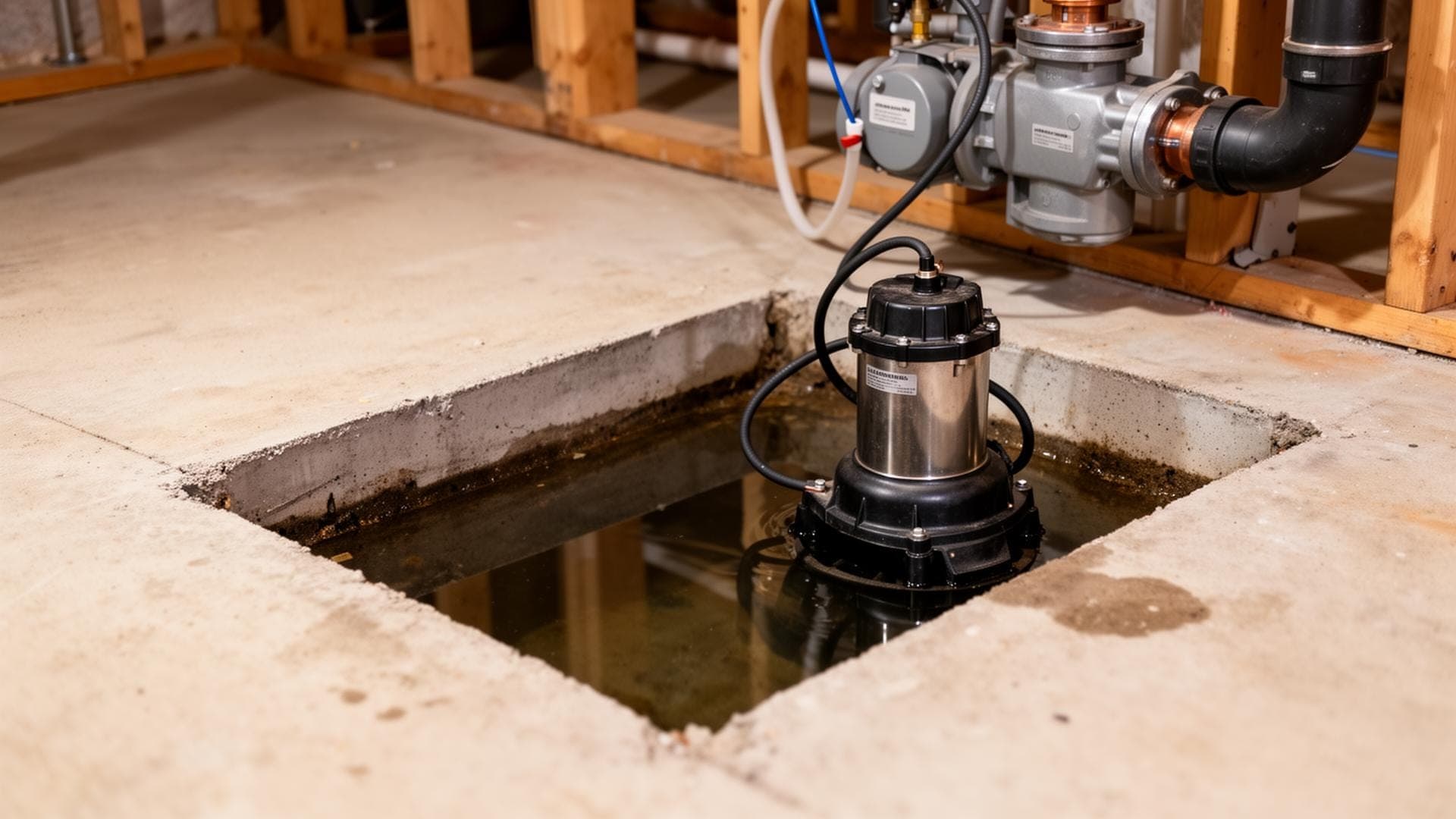
How Radon Enters Your Home: Entry Points, Pathways & Prevention
Radon enters through cracks, gaps, pipes, and any opening where your home contacts the ground. Learn the exact pathways, driving forces, and how to reduce radon entry.
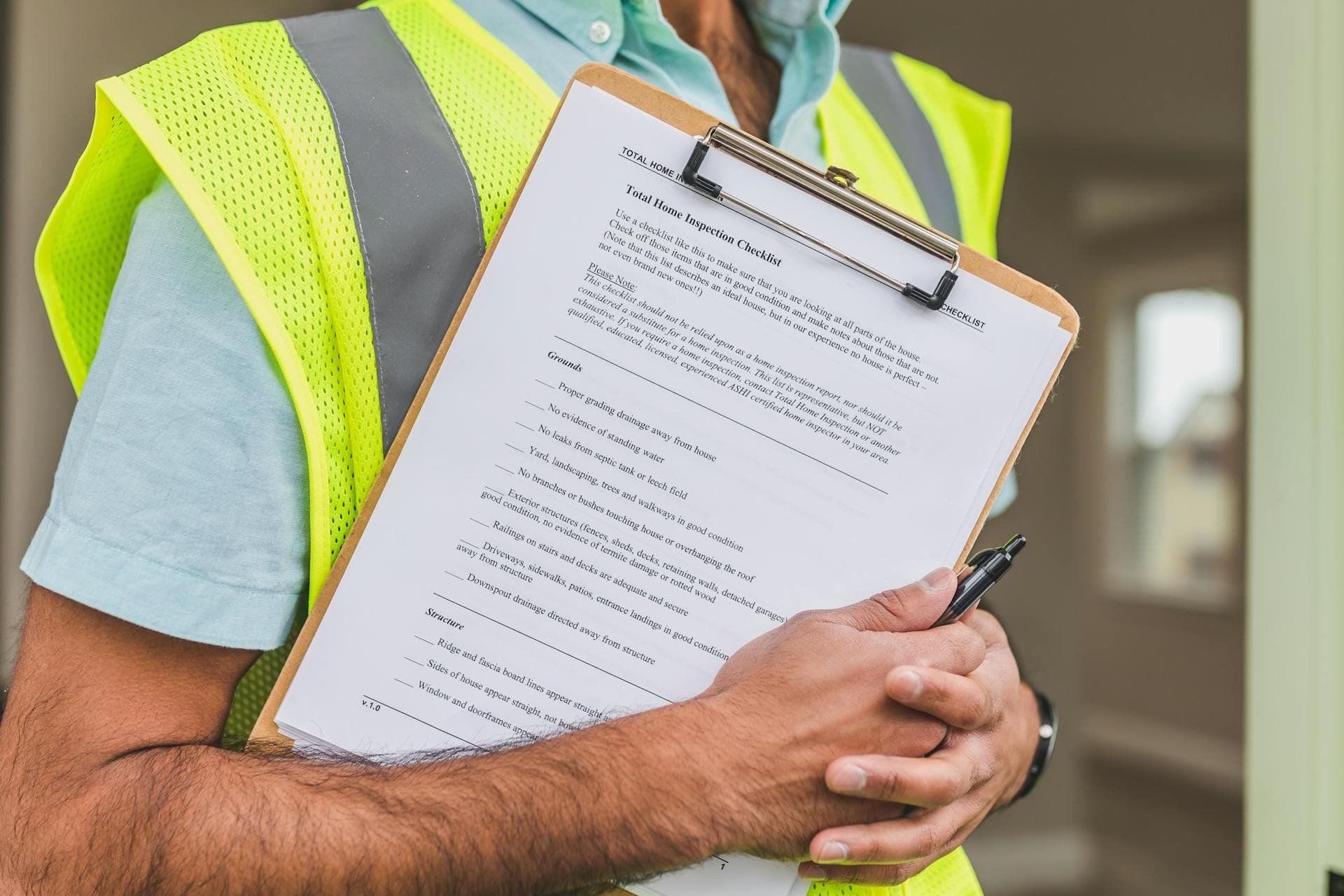
Radon Home Inspection: A Complete Buyer's Guide for Georgia
Buying a home in Georgia? Radon testing during the inspection period is critical. Learn what to expect, how to interpret results, and your negotiation options if radon is found.
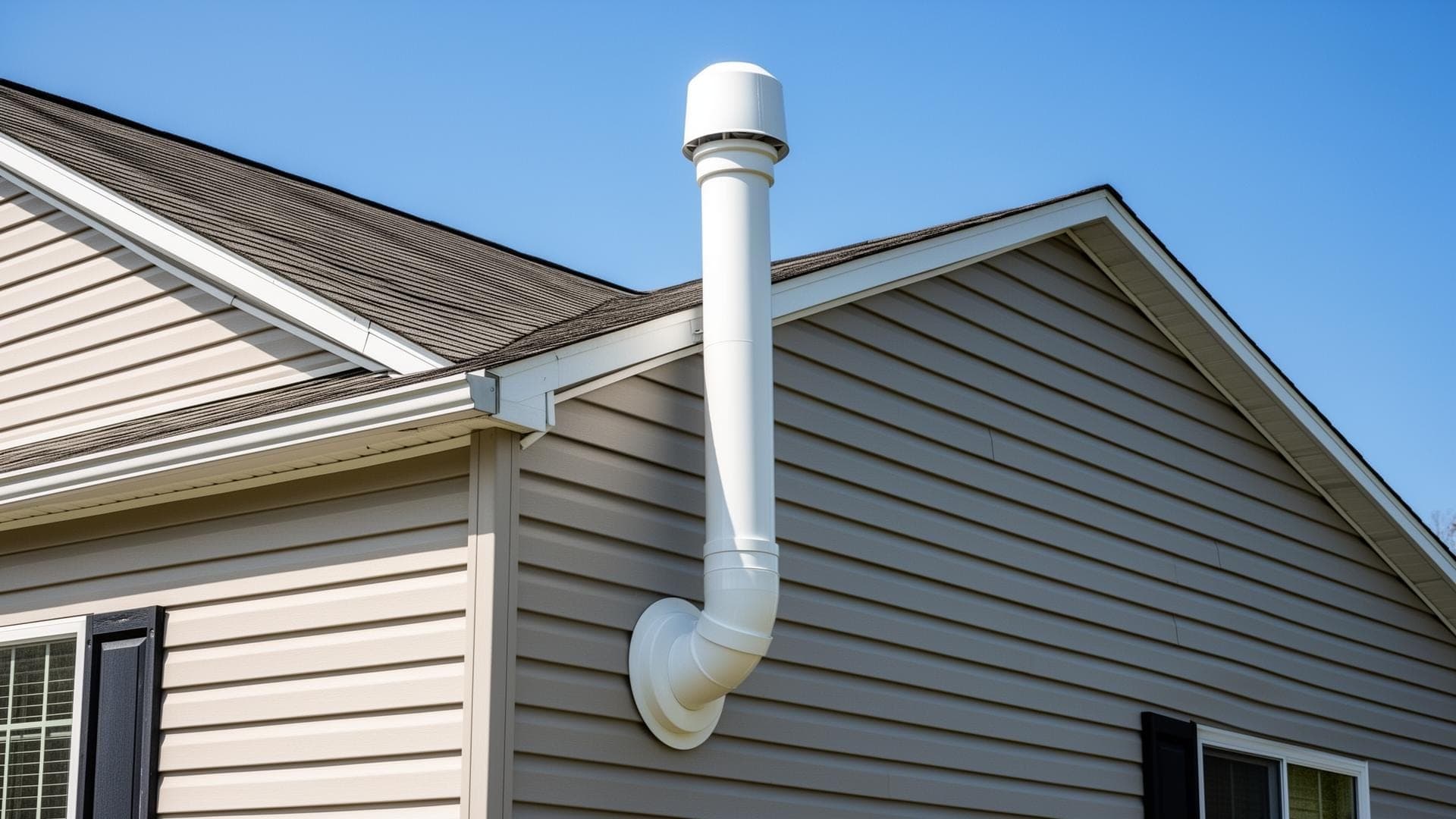
What Is Sub-Slab Depressurization? The Standard Radon Fix Explained
Sub-slab depressurization (SSD) is the most common and effective radon mitigation method. Learn how it works, what the installation involves, costs, and why it achieves 95-99% radon reduction.
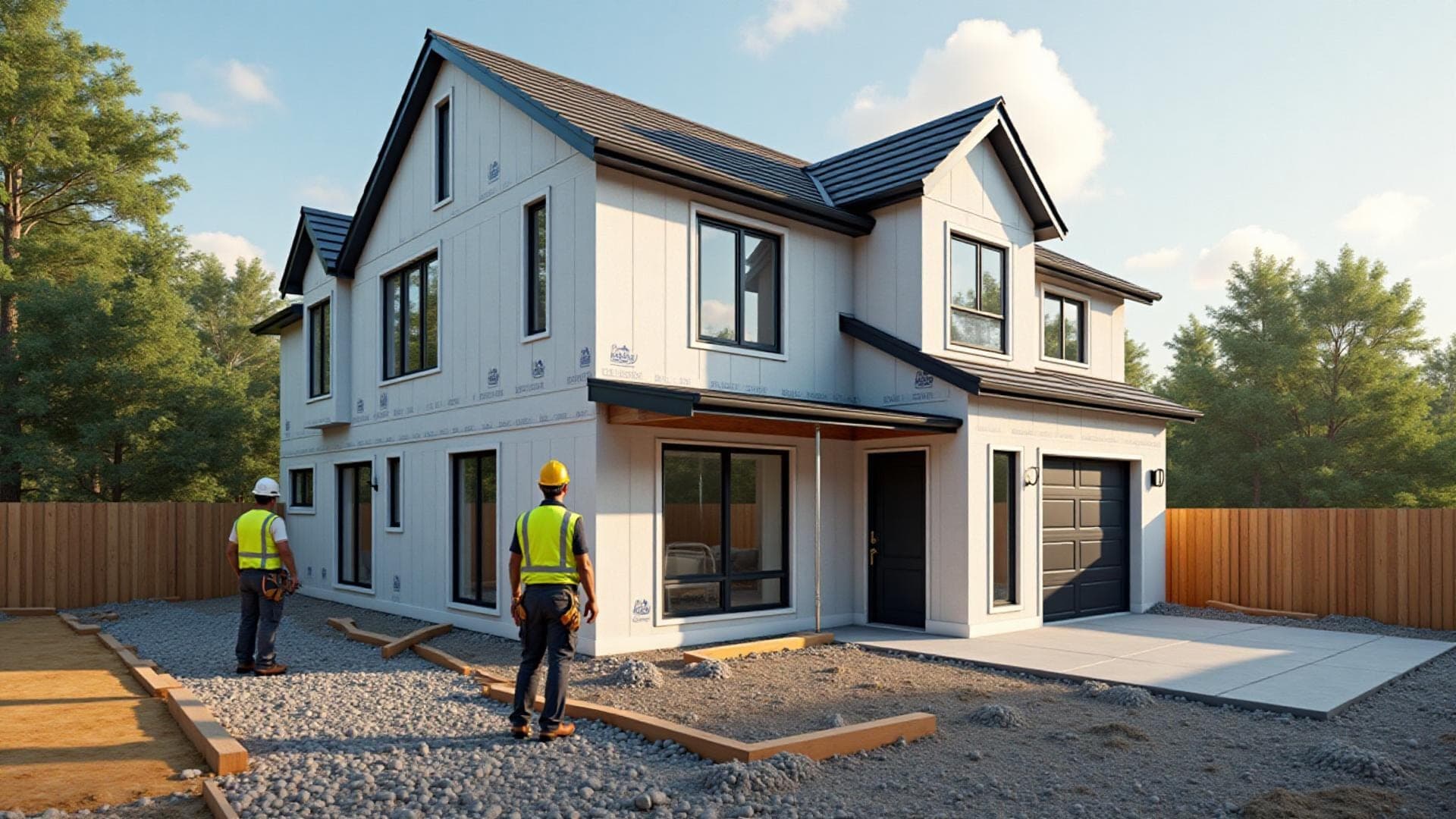
Radon in New Construction Homes: Why New Homes Still Need Testing
New homes are not radon-proof. Even homes built with RRNC features need testing. Learn why new construction in Georgia can have elevated radon and what builders should include.
Best Time to Test for Radon in Georgia: Seasonal Guide
When is the best time to test for radon in Georgia? Winter gives the highest readings, but any season works. Learn how Georgia's climate affects radon levels year-round.

Radon and Lung Cancer: Understanding the Risk for Georgia Homeowners
Radon is the #1 cause of lung cancer among non-smokers. Learn how radon causes cancer, your risk level at different concentrations, and how to protect your Georgia home.

Georgia Radon Guide for Homeowners (2026): Testing, Levels & Protection
Everything Georgia homeowners need to know about radon in 2026. County risk zones, testing options, mitigation costs, and how to protect your family from radon gas.
How Long Does Radon Testing Take? Complete Timeline Guide
Radon testing takes 48 hours minimum for short-term tests and 90+ days for long-term tests. Learn the full timeline from setup to results for DIY and professional testing.
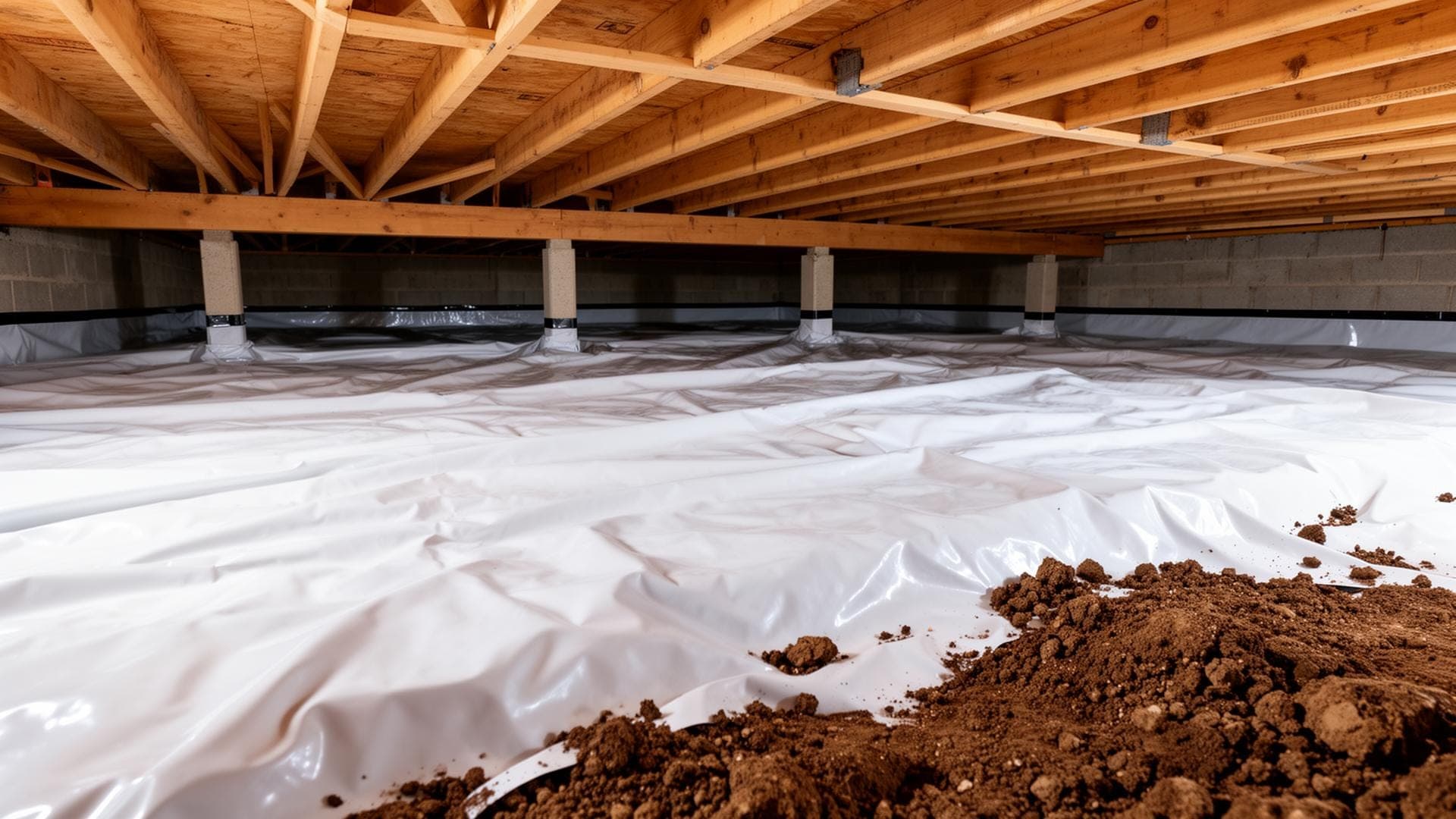
Radon in Crawl Space Homes: What Georgia Homeowners Need to Know
Crawl space homes need a different approach to radon mitigation. Learn about sub-membrane depressurization, encapsulation, costs, and why crawl spaces are uniquely vulnerable to radon in Georgia.

Radon and Real Estate in Georgia: Buyer, Seller & Agent Guide
Georgia has no radon testing mandate for home sales, but that doesn't mean you can skip it. Learn disclosure rules, negotiation strategies, and how radon affects property value in Metro Atlanta.
DIY Radon Test Kit vs Professional Testing: Which Should You Choose?
Honest comparison of DIY radon test kits ($15-$40) vs professional CRM testing ($125-$250). When each makes sense, accuracy differences, and why real estate transactions require professional testing.
Radon Levels in Winter vs Summer: When Should You Test?
Radon levels can be 2 to 5 times higher in winter than summer. Learn why the stack effect drives seasonal variation, what Atlanta-area data shows, and the best time to test your home.
10 Radon Myths That Put Your Family at Risk
Granite countertops cause radon? New homes are safe? Opening windows fixes it? We break down the 10 most common radon myths with data from the EPA, WHO, and peer-reviewed research.
Radon Mitigation Cost in Atlanta: Real Prices for Every Home Type (2026)
What does radon mitigation actually cost in Metro Atlanta? Real price ranges by system type, home size, and foundation. No inflated estimates, no bait-and-switch numbers.

An Orange Cat Went Viral for Detecting Radon Gas
A Reddit post with 36,000+ upvotes tells the story of a senior orange cat whose bizarre behavior turned out to be a life-saving warning about dangerous radon gas levels. The internet loved it, but the science behind it is dead serious.
Why Radon Testing Is Essential: Complete Guide for Homeowners & Buyers
Radon causes more deaths than drunk driving, house fires, and carbon monoxide combined. Learn why radon testing should be part of every home purchase and ownership plan, understand the health risks, and discover how to protect your family.
How Radon Mitigation Systems Work: Complete Technical Guide
Learn exactly how radon mitigation systems achieve 95-99% reduction rates. Understand sub-slab depressurization, system components, installation process, costs, and what to expect from professional radon mitigation.
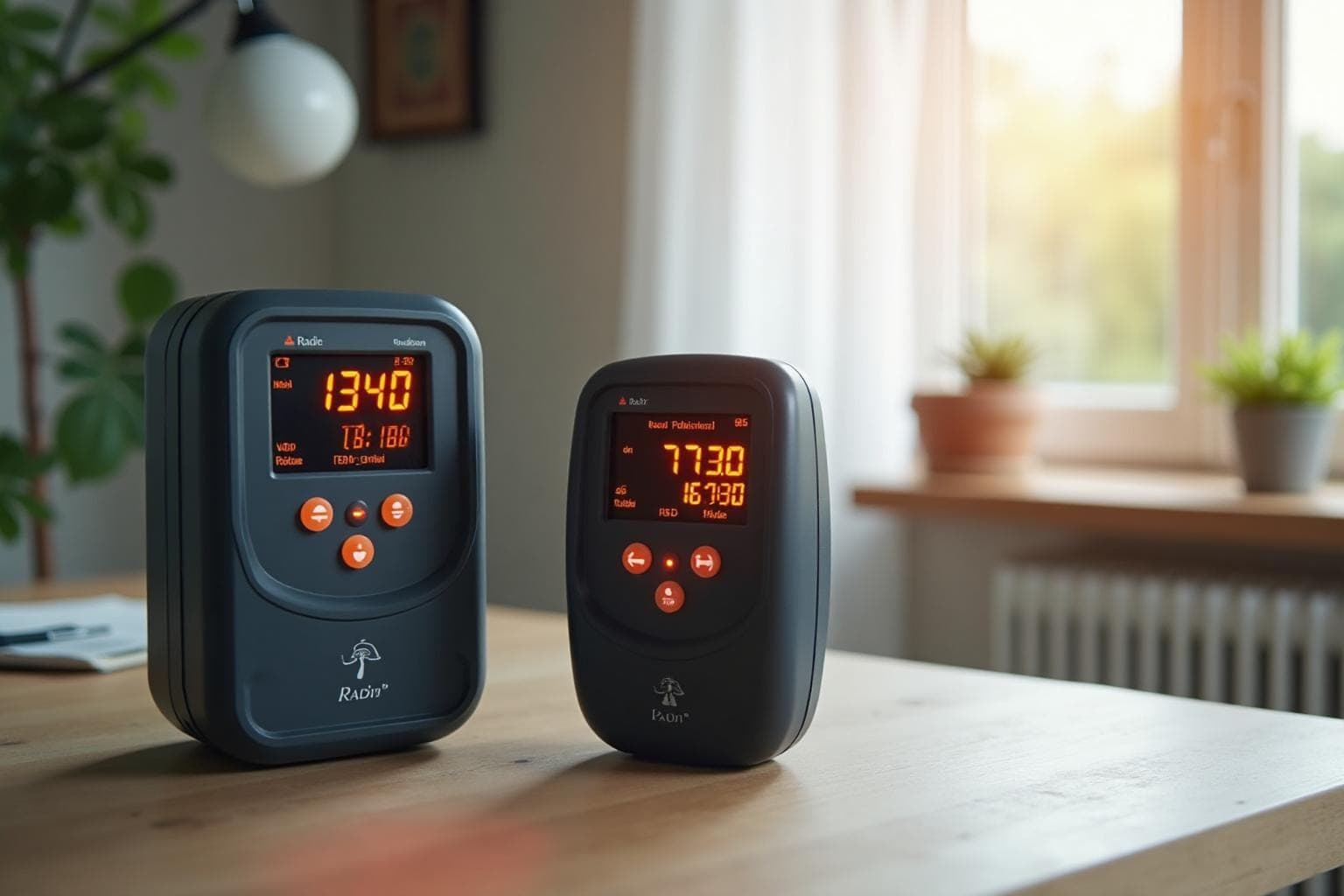
How Often Should You Test for Radon? Complete Retesting Guide
Learn when and how often to test your home for radon. EPA guidelines, seasonal considerations, testing after renovations, with mitigation systems, and special circumstances explained by experienced radon professionals.
Average Radon Levels in Atlanta Homes: Data & Comparison
Discover the average radon levels in Metro Atlanta homes, compare them to national averages, and learn why professional radon testing is essential for every Atlanta homeowner. County-by-county data included.

Radon and Pets: Protecting Dogs, Cats & Other Animals
Your pets may be at greater risk from radon exposure than you are. This comprehensive guide examines the science behind radon's impact on dogs, cats, and other household animals, and what you can do to protect them.
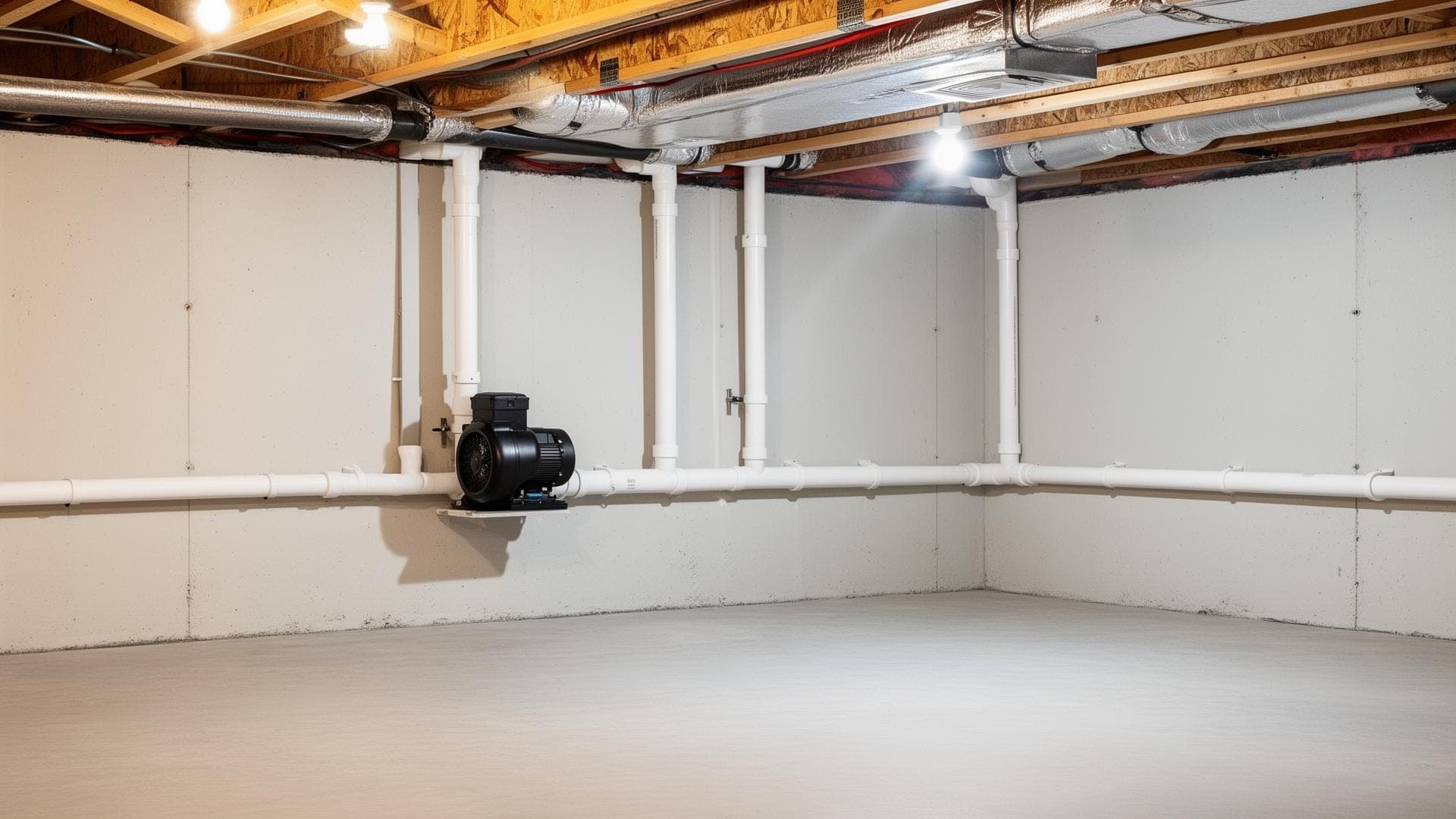
How Effective Is Radon Mitigation? Reduction Rates Explained
Discover the proven effectiveness of radon mitigation systems with real data from thousands of Metro Atlanta installations. Learn about 99%+ success rates, EPA validation studies, and what to expect before and after mitigation.
Radon and Basements: Why the Basement Drives Risk
The definitive guide to understanding why basements are the strongest predictive factor for elevated radon levels. Learn how different basement types affect radon accumulation, entry points, and the most effective mitigation strategies for basement homes.
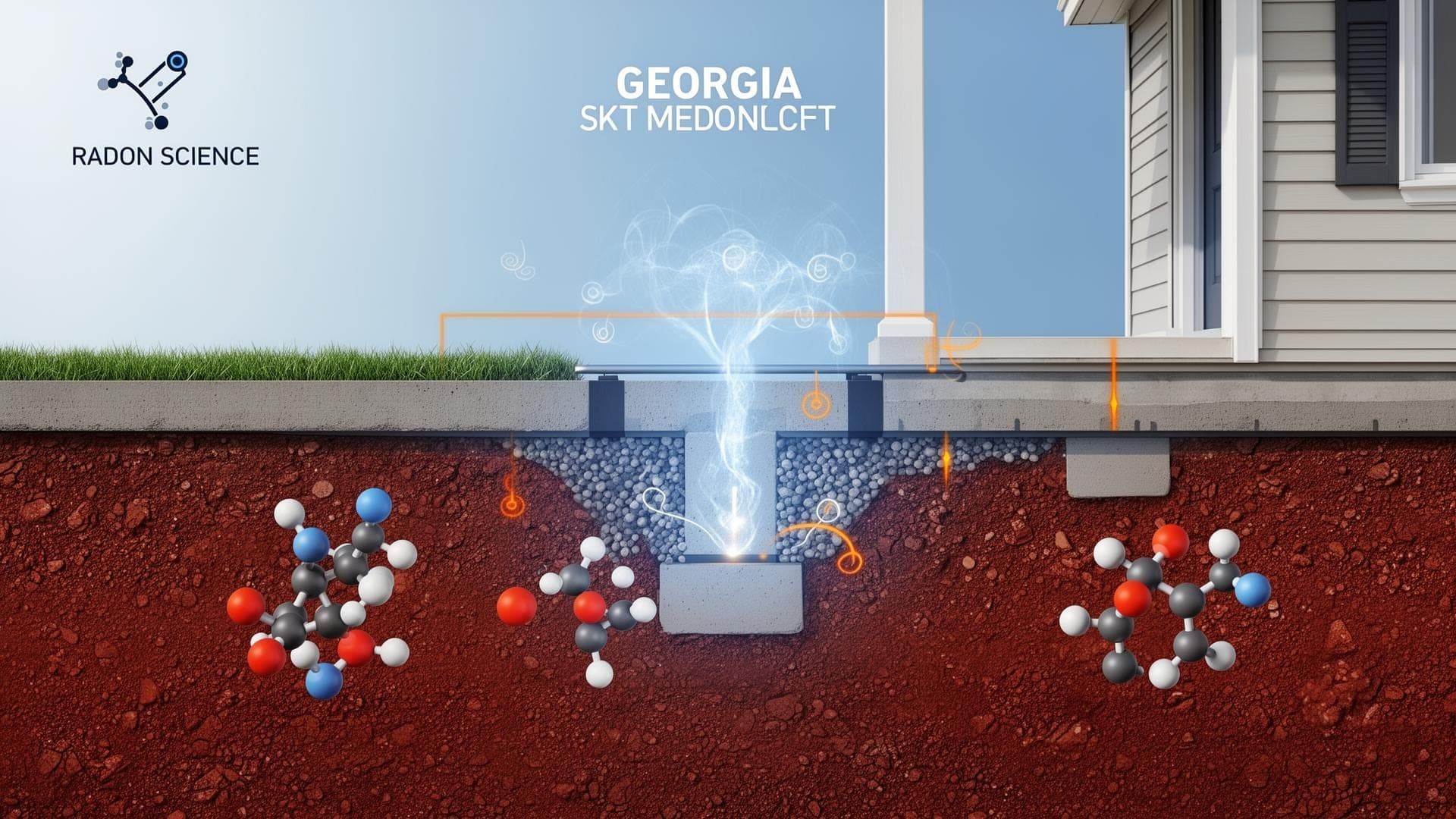
The Science of Radon in Georgia: Complete Health & Safety Guide
The most comprehensive scientific guide to radon in Georgia. Nuclear physics of radon decay, Georgia's uranium-rich geology, how radon causes lung cancer, measurement technology, and mitigation systems explained by experienced radon professionals.
Georgia Radon Levels: County-by-County Analysis
The definitive resource on radon in Georgia. Explore EPA zone designations, county-specific data, geological factors, health risks, and actionable protection strategies for every Georgia homeowner.
Schedule Your Radon Test
Protect your Atlanta home with professional radon testing from experienced contractors.
Request ServiceStay Informed
Get radon safety tips and Atlanta-specific updates delivered to your inbox.
We respect your privacy. Unsubscribe anytime.
Need Professional Radon Services in Atlanta?
Our experienced radon contractors provide expert radon testing and radon mitigation throughout Metro Atlanta.