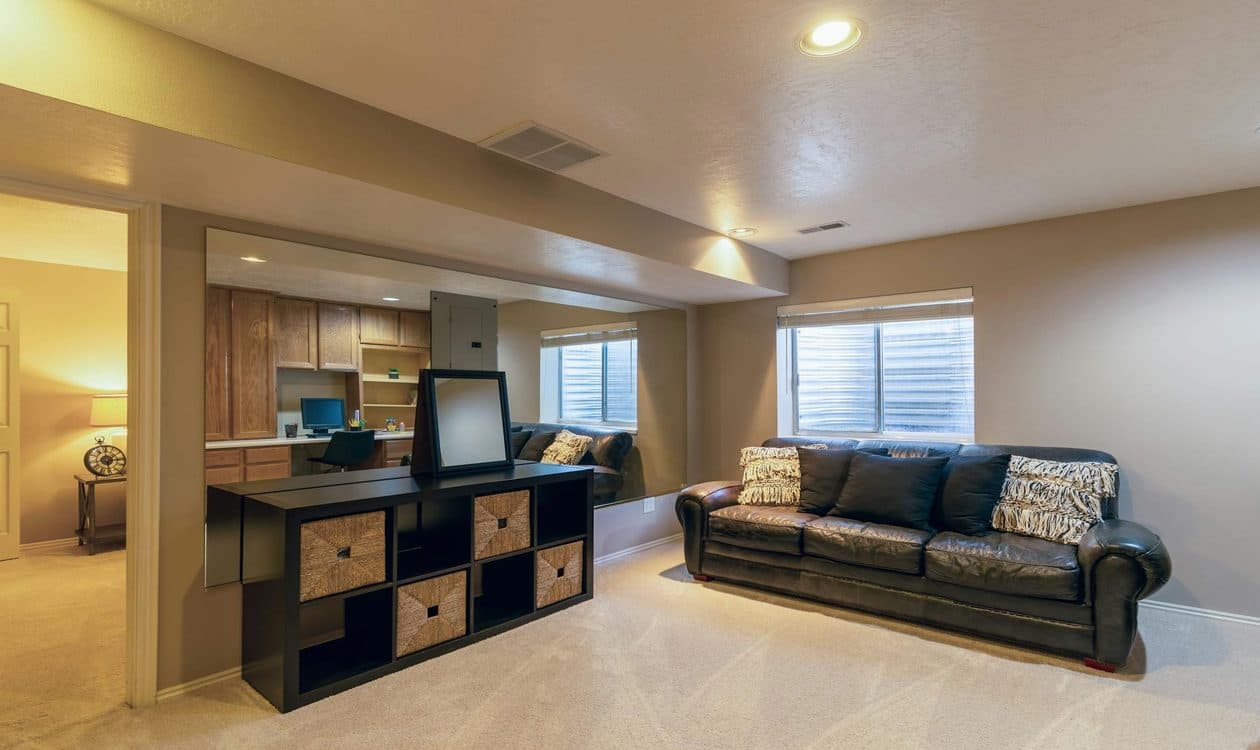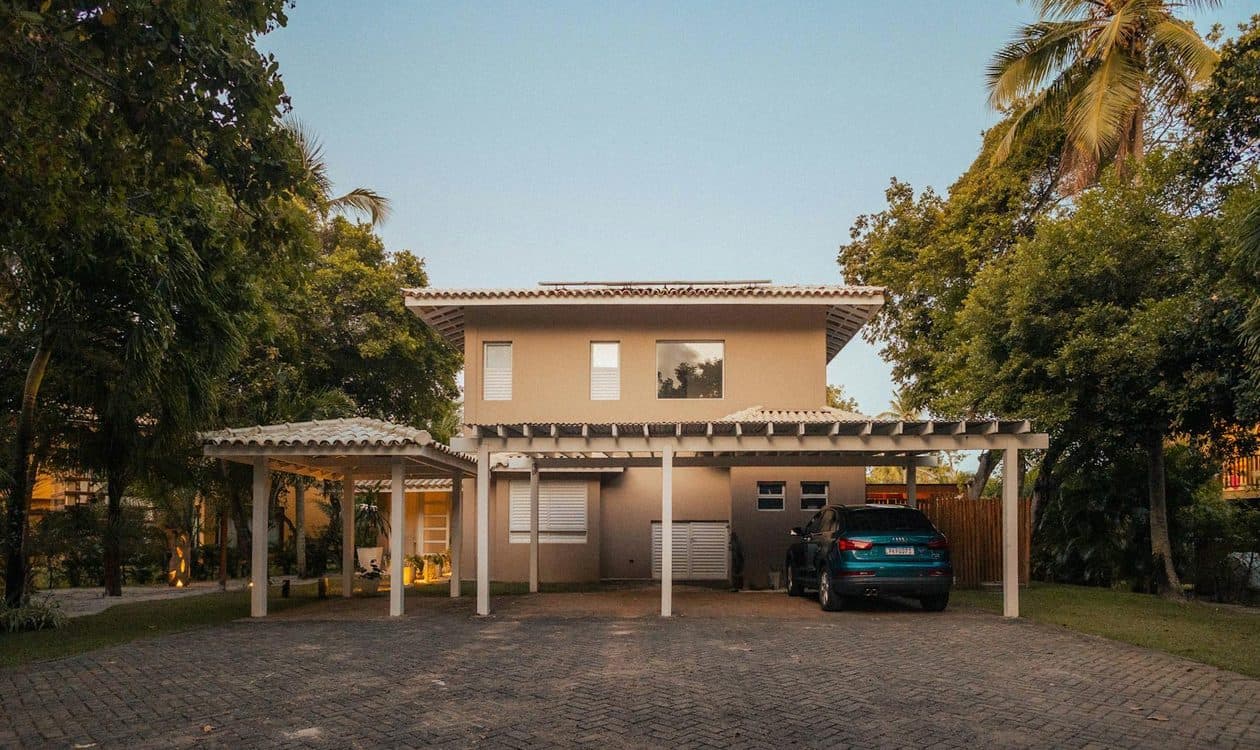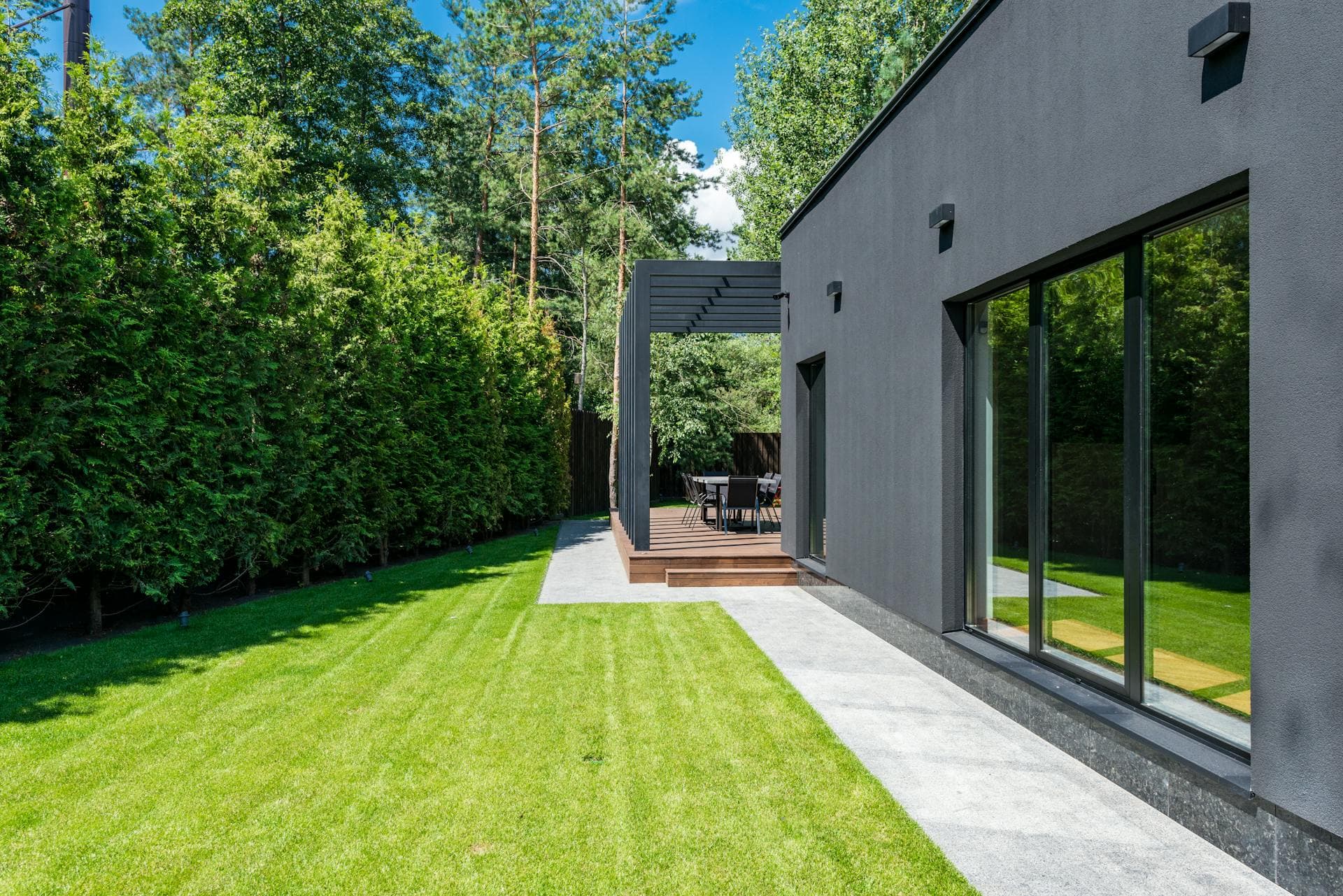
Energy efficiency is a worthy goal. Lower utility bills, reduced carbon footprint, and improved comfort are all benefits of modern building practices. But there is a trade-off that rarely gets discussed: when you seal a home tightly to save energy, you also seal in radon gas that would otherwise dissipate through natural air leakage.
1. The Tight Construction Problem
Older homes typically have air changes of 1.0 to 2.0 ACH (air changes per hour) due to gaps, cracks, and generally leaky construction. Modern energy-efficient homes target 0.35 ACH or less, as specified by ASHRAE standards. That means the indoor air in a new home is replaced far less frequently than in an older home.
Older Home (Pre-1990)
Natural air leakage of 1.0 to 2.0 ACH provides passive dilution of indoor radon. More air comes in, more radon escapes. Energy efficiency is poor, but radon accumulation is naturally limited.
Modern Tight Home
Air leakage rates of 0.1 to 0.35 ACH mean radon has far fewer escape routes. The same amount of radon entering through the foundation accumulates to higher concentrations because dilution is minimal.
2. How Air Sealing Traps Radon
Common energy-efficiency upgrades that can increase radon accumulation include spray foam insulation in rim joists and crawl spaces, weatherstripping around doors and windows, caulking around penetrations, new energy-efficient windows with tight seals, and crawl space encapsulation. Each of these improvements is good for energy performance, but each also reduces the natural ventilation that helps carry radon out of the home.
3. The Stack Effect and Negative Pressure
In tight homes, the stack effect becomes more pronounced. Warm air rises and exits through upper-level leaks, creating a vacuum at the lower levels that pulls soil gas (including radon) through the foundation. The tighter the home, the stronger this pressure differential becomes relative to outside air.
Exhaust Fans Compound the Problem
Kitchen range hoods, bathroom exhaust fans, and dryer vents all exhaust air from the home. In a tight house, these appliances create significant negative pressure that actively draws radon through foundation cracks and gaps.
4. Georgia Energy Codes and Radon Risk
Georgia adopted the 2015 International Energy Conservation Code with amendments. New homes built to these standards are significantly tighter than homes built even a decade earlier. While Georgia does require radon-resistant new construction (RRNC) features in EPA Zone 1 counties, enforcement and compliance vary.
- Blower door testing: Required in Georgia for new homes, verifying air tightness. This confirms the home is energy-efficient but does not assess radon risk.
- RRNC features: Gas-permeable layer, vapor barrier, sealed pipe stub, and sealed foundation are recommended but not universally enforced.
- Post-construction testing: Not required by code. Many new homeowners assume their tight, new home is safe without testing.
5. Solutions That Serve Both Goals
The good news is that energy efficiency and radon safety are not mutually exclusive. With the right approach, you can have both.
- Sub-slab depressurization: The gold standard. This system removes radon before it enters the home and uses minimal energy (50 to 150 watts).
- Balanced mechanical ventilation: ERV or HRV systems provide fresh air while recovering heat energy, maintaining both air quality and efficiency.
- Foundation sealing: Sealing cracks and penetrations in the foundation reduces radon entry points without affecting the building envelope above grade.
6. HRV and ERV Systems
Heat Recovery Ventilators (HRVs) and Energy Recovery Ventilators (ERVs) provide controlled fresh air exchange while recovering 70 to 80% of the heating or cooling energy from outgoing air. They are the standard solution for maintaining indoor air quality in tight homes.
While HRVs and ERVs can help reduce radon levels through dilution, they are not a substitute for active radon mitigation when levels are elevated. They work best as a complement to a sub-slab depressurization system, providing overall air quality improvement on top of targeted radon reduction.
7. Testing Your Energy-Efficient Home
If you live in an energy-efficient home or have recently completed energy upgrades, radon testing is especially important. Test under normal living conditions with the HVAC operating as usual.
When to Test
- After moving into any newly built home
- After adding insulation or air sealing
- After encapsulating a crawl space
- After replacing windows or doors
- Every 2 to 5 years as part of regular home maintenance
Frequently Asked Questions
Is Your Efficient Home Trapping Radon?
Testing is the only way to know. Schedule professional radon testing for your energy-efficient home today.