
Professional Radon Testing in Atlanta
Accurate radon measurement is the essential first step in understanding indoor air quality. Professional testing services are available throughout Metro Atlanta for residential and commercial properties.
Professional Radon Testing Services in Atlanta
Professional radon testing provides accurate measurement of radon gas levels in residential and commercial properties throughout Atlanta and Metro Atlanta. Testing is performed using continuous radon monitors that record indoor radon concentrations over a defined period.
Radon is an invisible, odorless, radioactive gas that can accumulate in homes and buildings. The EPA identifies radon exposure as a leading environmental health concern. Professional testing provides reliable data to help property owners make informed decisions about whether mitigation may be appropriate.
Testing services are available for real estate transactions, post-construction verification, and routine property assessments. Experienced radon professionals follow EPA-approved testing protocols to ensure accurate, reliable results for properties throughout Atlanta and surrounding counties.
Why Testing Matters
- • Radon contributes to approximately 21,000 lung cancer deaths annually in the U.S.
- • Invisible, odorless, and tasteless gas
- • Can be present in any home, regardless of age or construction
- • Levels vary by property, location, and season
- • Learn about radon and pets
The Testing Process
- • Standard 48-72 hour monitoring period
- • EPA-approved testing methods
- • Testing identifies whether mitigation may be appropriate
- • Results inform property decisions
Testing Service Components
Professional radon testing includes specialized equipment and documented results to support informed property decisions.

Professional Equipment
Continuous radon monitors used for accurate measurement
Timely Results
Results typically available within 48-72 hours of testing completion
Detailed Reports
Comprehensive written documentation of radon levels and findings
Professional Guidance
Interpretation of results and information about next steps
How Testing Works
Schedule Test
Request a convenient time for professional radon testing.
Equipment Setup
Continuous radon monitors are placed in appropriate locations.
Monitoring Period
Radon levels are continuously recorded, typically over 48-72 hours.
Results Delivered
Written results are provided, generally within 24 hours of test completion.
Radon Testing in Atlanta & Metro Atlanta
Local radon information for Atlanta homeowners and businesses
Atlanta Area Radon Levels
Metro Atlanta experiences varying radon levels across different neighborhoods and counties. Georgia's geology includes granite and other rock formations that can release radon gas. However, regional averages do not predict radon levels in individual properties. Professional testing is the only way to determine radon concentration in a specific home or building.
Radon Level Context
- • EPA action level: 4.0 pCi/L
- • Levels vary widely between properties
- • Geographic averages do not predict individual risk
- • Basements and ground levels typically tested first
Common Entry Points
- • Cracks in foundation slabs
- • Gaps around service pipes
- • Crawl spaces and dirt floors
- • Well water (less common)
Testing is the only way to determine radon levels at a specific property. The EPA recommends considering mitigation for levels at or above 4.0 pCi/L, though no level of radon exposure is considered completely without risk.
Experienced Radon Testing Professionals
Testing services coordinated through experienced radon specialists
Experienced Professionals
Testing performed by trained, experienced radon specialists
Industry Standards
Adherence to professional radon measurement guidelines
EPA Protocols
Testing follows EPA-approved radon measurement protocols
Professional Standards
Clear documentation and reliable communication
Frequently Asked Questions About Radon Testing
What is the average radon level in Atlanta homes?
Radon levels in Metro Atlanta vary widely, with many homes measuring between 2.0-4.0 pCi/L and some exceeding this range. The EPA recommends considering mitigation for levels at or above 4.0 pCi/L. Geographic averages do not predict individual property levels; testing is the only way to determine radon concentration in a specific home.
How long does radon testing take?
Professional radon testing typically uses continuous monitors that collect data over 48-72 hours. This short-term testing approach is generally appropriate for most residential and commercial properties in Metro Atlanta.
Do I need a radon test if my neighbor's test was low?
Yes. Radon levels can vary significantly between adjacent properties due to differences in foundation type, soil composition, and construction methods. Each property should be tested individually to determine its specific radon levels.
When should I test for radon in Atlanta?
Radon testing can be performed year-round. Testing is commonly recommended when buying or selling a home, after major renovations, periodically every 2-5 years, and for properties with basements or ground-level living areas.
How does professional radon testing work?
Continuous radon monitors are placed in appropriate locations within the property, typically at the lowest livable level. The monitors record radon concentrations over 48-72 hours, providing data to inform decisions about whether mitigation may be appropriate.
Schedule Your Radon Test
Complete the form below to request radon testing. A response is typically provided within one business day.
Related Radon Services in Atlanta
Radon Safety Resources
Expert insights and guides to keep you informed
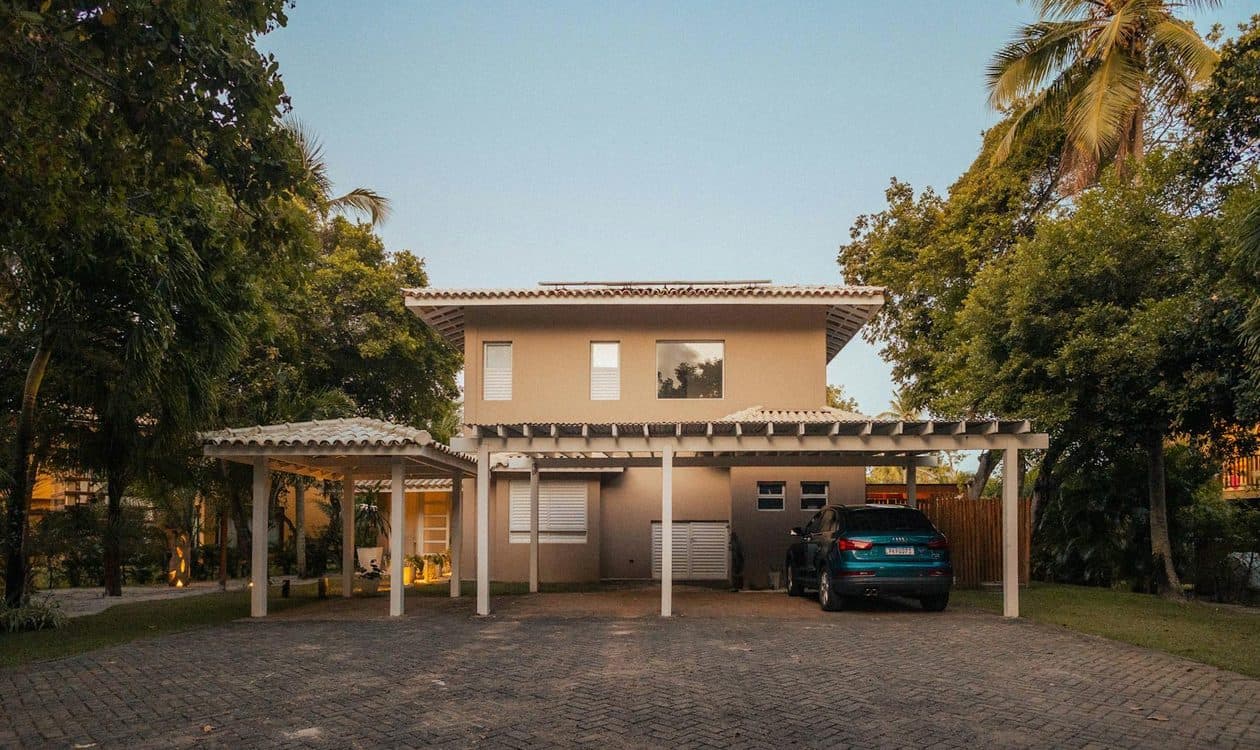
Radon Levels Chart: What Every Reading Means, From 0.4 to 20+ pCi/L
A radon levels chart from 0.4 to 20+ pCi/L. What each reading means, the EPA lifetime lung cancer risk at every level for smokers and never-smokers, the WHO reference level, and exactly what to do next at your number.
Read more about Radon Levels Chart: What Every Reading Means, From 0.4 to 20+ pCi/L →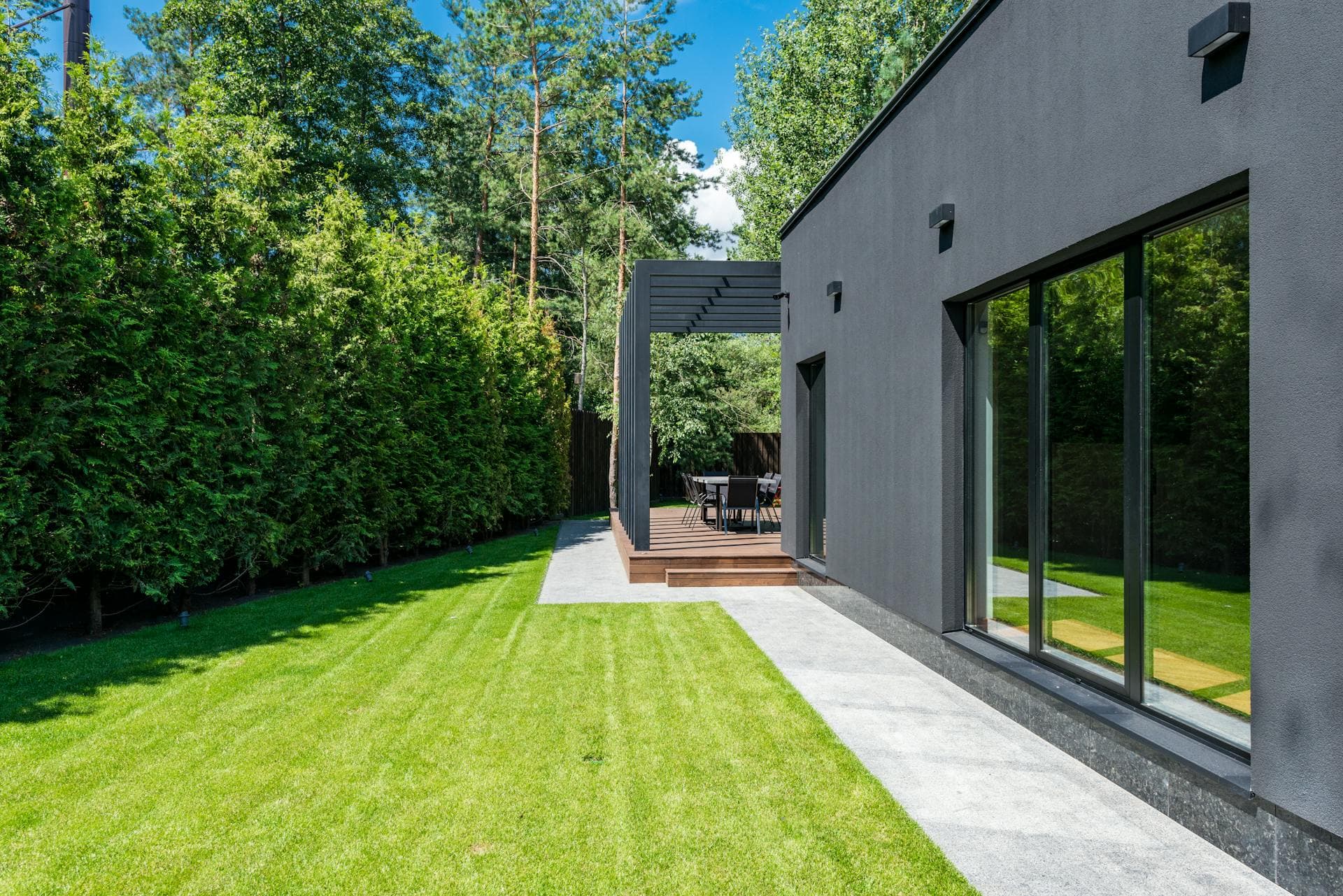
Radon in Holly Springs, Georgia: A Cherokee County Homeowner Guide
A local guide for Holly Springs and Cherokee County homeowners. Why north-Georgia granite geology produces elevated indoor radon in many homes, why every home should be tested regardless of zone, and how testing and mitigation work.
Read more about Radon in Holly Springs, Georgia: A Cherokee County Homeowner Guide →
Radon in Athens, Georgia: An Athens-Clarke County Homeowner Guide
A local guide for Athens and Athens-Clarke County homeowners, landlords, and renters. Why north-Georgia geology produces elevated indoor radon in many homes, why every home and rental should be tested regardless of zone, and how testing and mitigation work.
Read more about Radon in Athens, Georgia: An Athens-Clarke County Homeowner Guide →