
Commercial Radon Testing & Mitigation in Georgia
Apartments, offices, daycares, warehouses, healthcare, and more. Defensible reports formatted for lenders, boards, and counsel. Occupied-building protocols. Fast quotes.
What commercial radon work actually involves
Testing, mitigation if the test comes back high, and a final report that survives review by a lender, an attorney, or a board. Four stages, plain English.
Consultation
The conversation starts with the basics: building type, square footage, and what is driving the test (lender, tenant, acquisition, internal). The output is a clear answer on whether testing makes sense, how long it takes, and what it will cost.
Test plan
Device placement is mapped to the building. Number of devices is set by floor area and ground-contact spaces. Devices run undisturbed for the required duration with HVAC operating normally.
Mitigation, if needed
If results come back at or above 4.0 pCi/L, mitigation is the next step. Systems are sized to the actual slab. Large commercial slabs need multiple suction points. Riser routing, fan sizing, electrical, and noise are all part of the design.
Verification & report
After mitigation, a re-test confirms the system is performing. The final report includes the data, the system design, and post-mitigation results. Formatted to hand to a lender, attorney, or board.
How commercial differs from residential
Building scale
A 200,000 sf warehouse needs many more measurement devices than a 2,500 sf home, placed across the slab. A 200-unit apartment building needs ground-floor coverage that proportionally samples upper floors.
HVAC behavior
Commercial HVAC creates pressure differentials that residential systems do not. Stack effect in tall buildings, negative pressure under economizer cycles, and exhaust-heavy spaces all change how soil gas enters.
The deliverable
A residential report is read by a homeowner. A commercial report is read by a lender, an attorney, an operator board, or an environmental consultant. It needs site plans, device serials, chain of custody, and a defensible narrative.
Why owners actually test
Most commercial radon testing in Georgia is not driven by a state mandate. It is driven by a lender, a tenant, a deal, or an internal policy. Knowing which of these applies to you shapes the whole project.
A lender or loan program is asking
Multifamily acquisitions financed through HUD/FHA, Fannie Mae, or Freddie Mac frequently include radon testing as a closing condition. The federal framework changed in March 2025, when the FHFA rescinded the directive that had standardized testing across Fannie Mae and Freddie Mac. Each now follows its own current guide, and the environmental consultant on the deal plays a larger role in whether testing is required. In higher-radon Georgia counties the answer is usually yes.
A tenant, parent, or employee asked
In most non-mandated states, the real trigger is a question. Once a tenant, daycare parent, or office worker has asked about radon in writing, the building owner is on notice. A documented test (and mitigation if needed) is the defensible response.
You are buying or selling
Phase I environmental site assessments under ASTM E1527-21 list radon as a non-scope consideration, which means a clean Phase I does not say anything about radon at all. If the property is in a higher-radon Georgia county, adding a radon evaluation to the user-defined scope of the Phase I is the only way to flag it before closing.
Internal risk management
Schools, daycares, healthcare operators, and senior living operators frequently test even where state law is silent. The framing is brand protection and resident safety, not regulatory compliance. The value of having a defensible test on file is highest when nothing has gone wrong yet.
Where radon is highest in Georgia
The EPA radon zone map ranks counties by predicted indoor radon. Zone 1 counties are predicted to average above 4.0 pCi/L. If your building is in one of them, the case for testing changes from optional to obvious.
Georgia Zone 1 counties (highest predicted radon)
Most of metro Atlanta sits in Zone 1 or Zone 2. Buildings outside Zone 1 still test high regularly. The zone map is a planning tool based on predictions, not a guarantee. Testing the actual building is the only way to know. If your metro building has already tested high, see commercial radon mitigation in Atlanta.
Buildings covered
Each building type has its own testing rhythm and mitigation pattern. Two pages get a full deep-dive. Multifamily and daycare. The rest are summarized here.
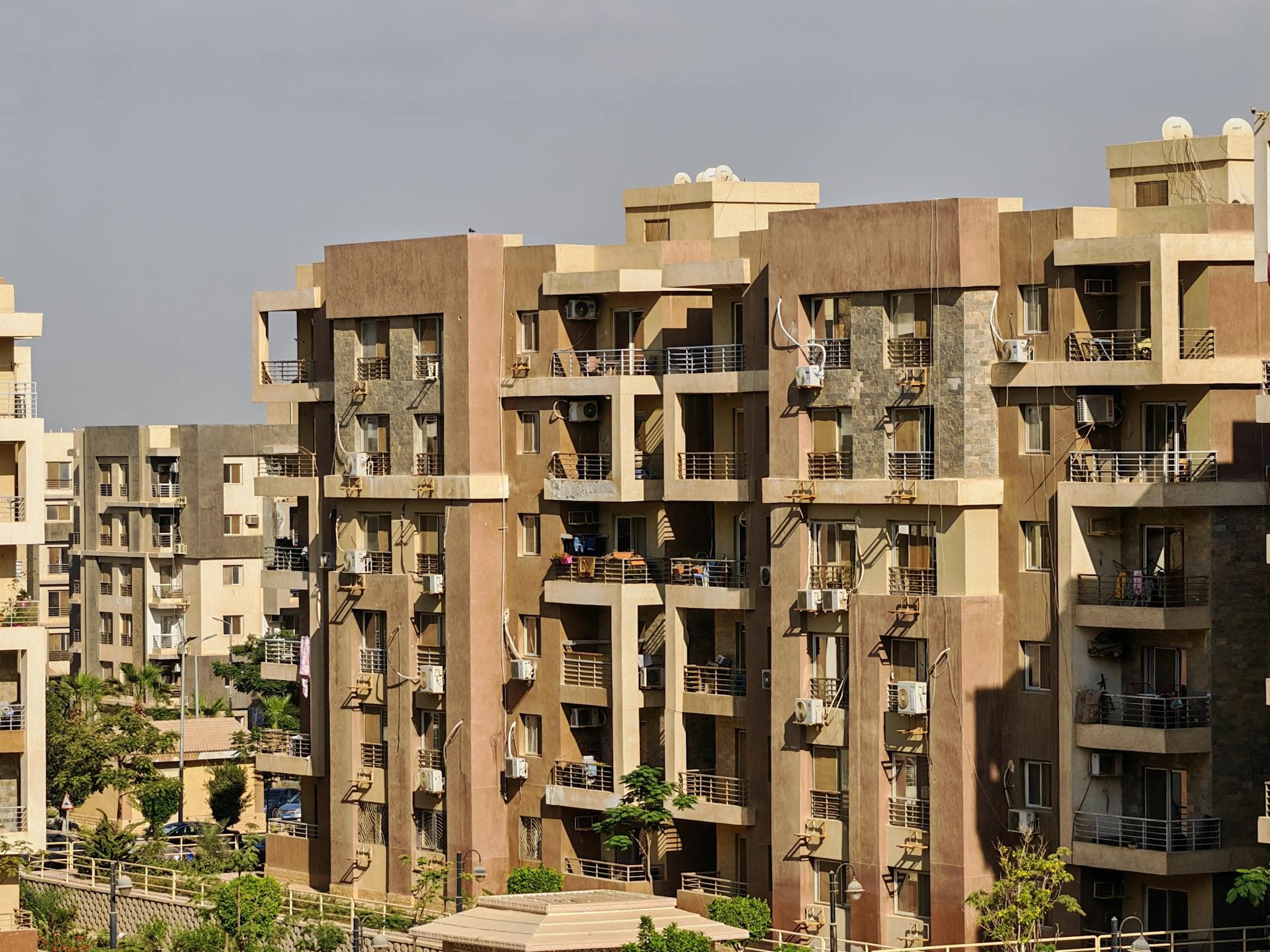
Apartments & multifamily
Garden-style, mid-rise, and high-rise residential. Ground-floor units sit on slab and contact soil gas directly; upper floors are usually low-risk but get sampled in proportion. Testing is sequenced building-by-building so leasing operations are not disrupted. Mitigation in occupied buildings means concealed riser routes, after-hours electrical work, and a tenant notification rollout coordinated with property management.
Multifamily details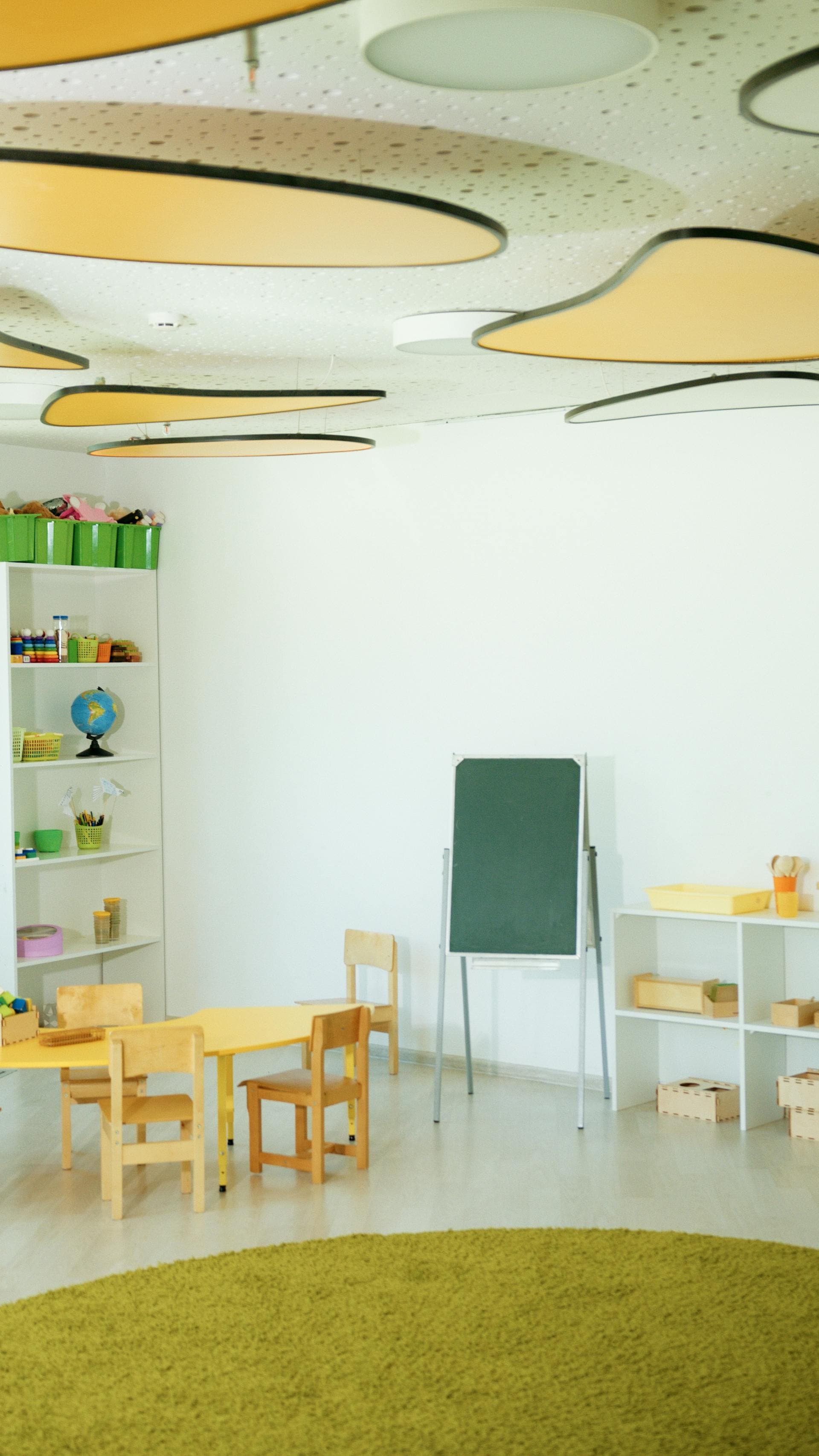
Daycares & childcare
Georgia DECAL does not require radon testing in licensed childcare facilities. Most Georgia operators that test do it because a corporate brand standard requires it (Primrose, Goddard, KinderCare and similar national systems often have internal policies) or because parents have asked. Testing is fast and quiet; results inform whether mitigation is needed before the next licensing review.
Daycare details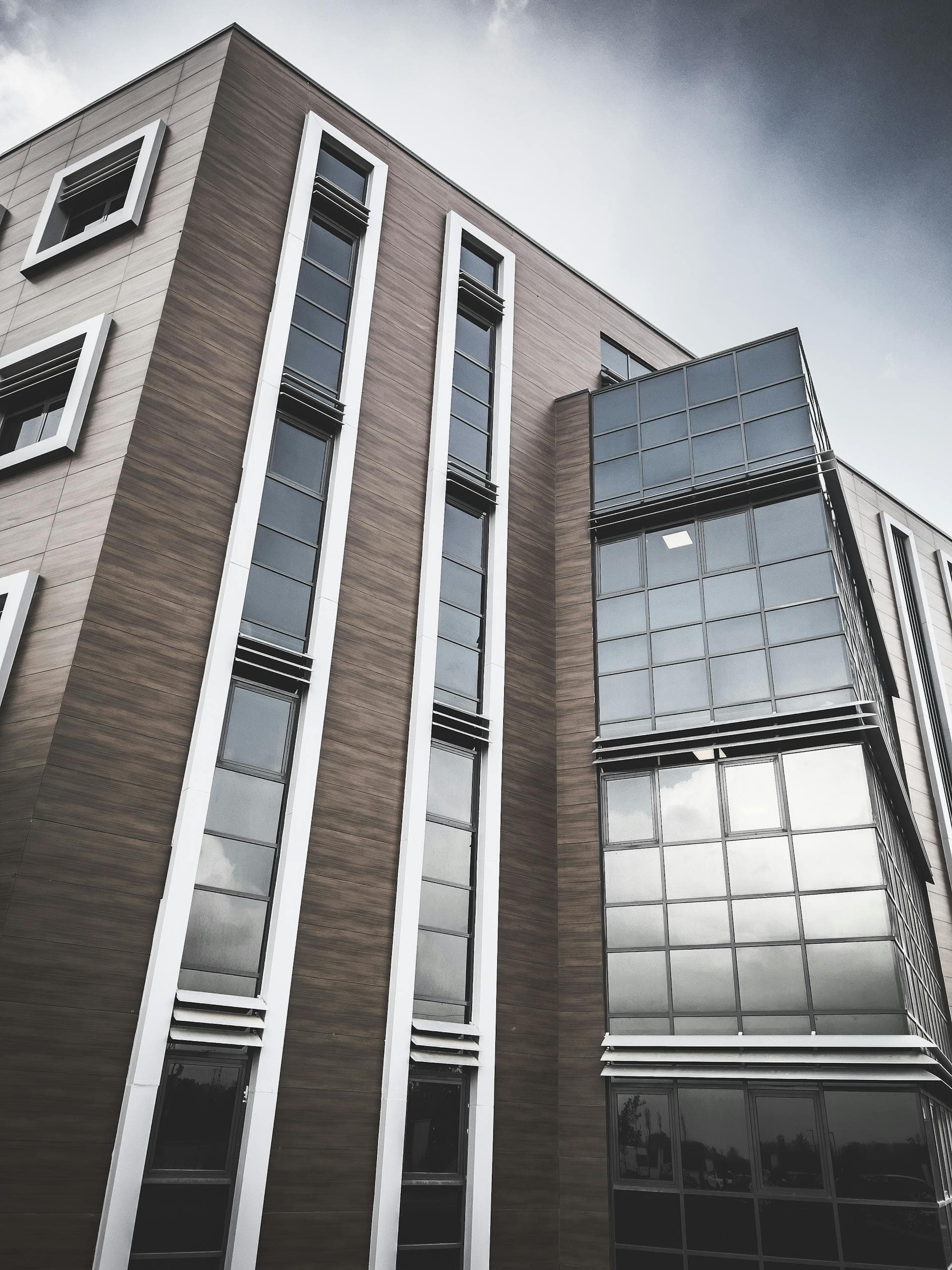
Offices & professional buildings
Class A through C office, ground-floor and basement spaces, finished lower levels. Office HVAC tends to run at slight negative pressure during occupied hours, which can pull soil gas into the building envelope. Testing is scheduled around occupied/unoccupied cycles so devices reflect real working conditions, not a vacant building over a weekend.

Healthcare & medical office
Medical office buildings, clinics, dental, urgent care, outpatient, surgical centers. The Joint Commission and CMS do not require radon testing. Operators that test do so under internal environment-of-care policy. Testing is staged around patient flow; mitigation routes are designed around medical gas, vacuum, and IT pathways already in the building.
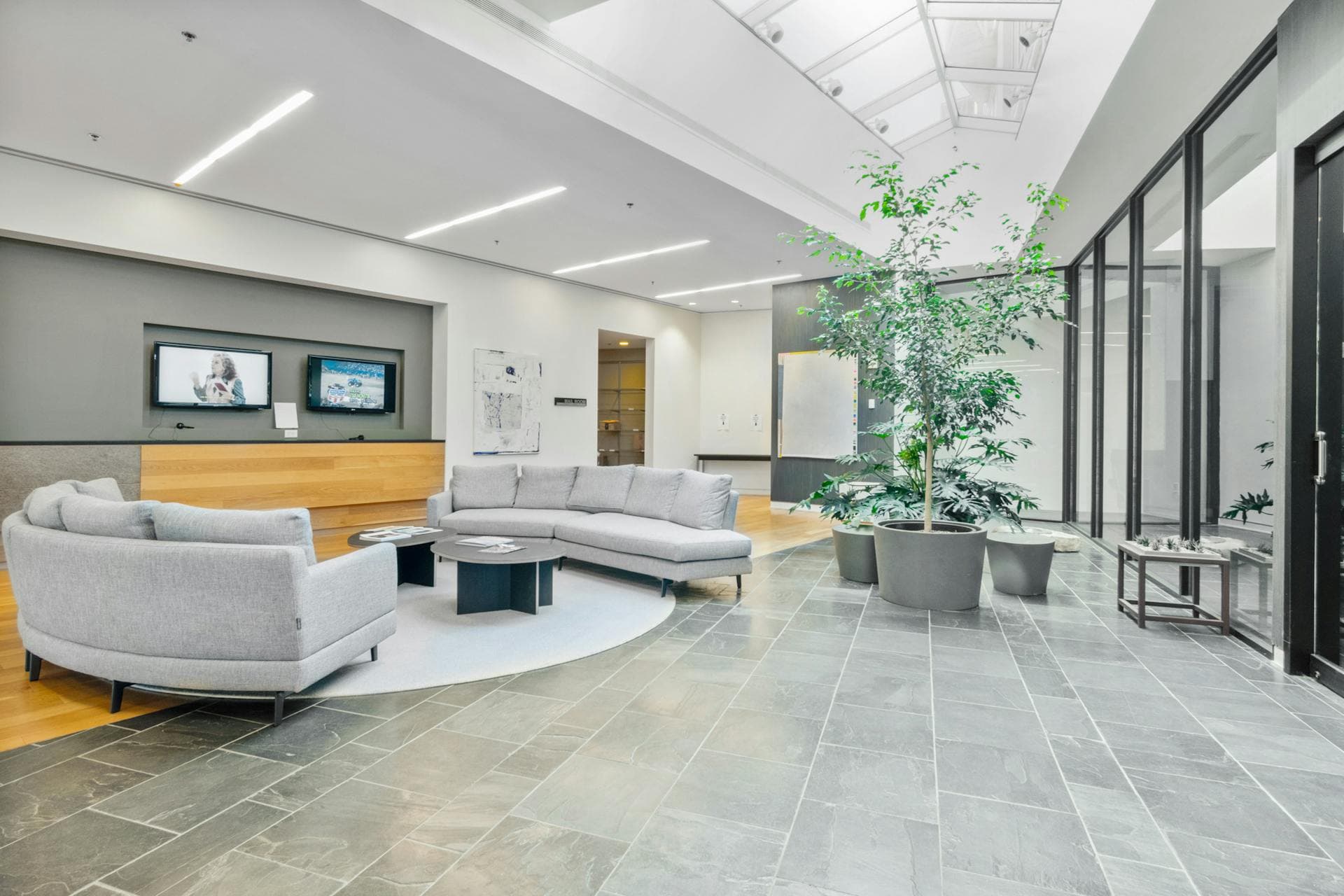
Senior living & assisted living
Independent living, assisted living, memory care, skilled nursing. Resident occupancy is closer to 24-hour than office or retail, which makes the dose math more conservative. Testing is sequenced floor-by-floor and unit-by-unit; mitigation in occupied resident wings uses concealed risers and quiet, low-watt fans selected for noise sensitivity.
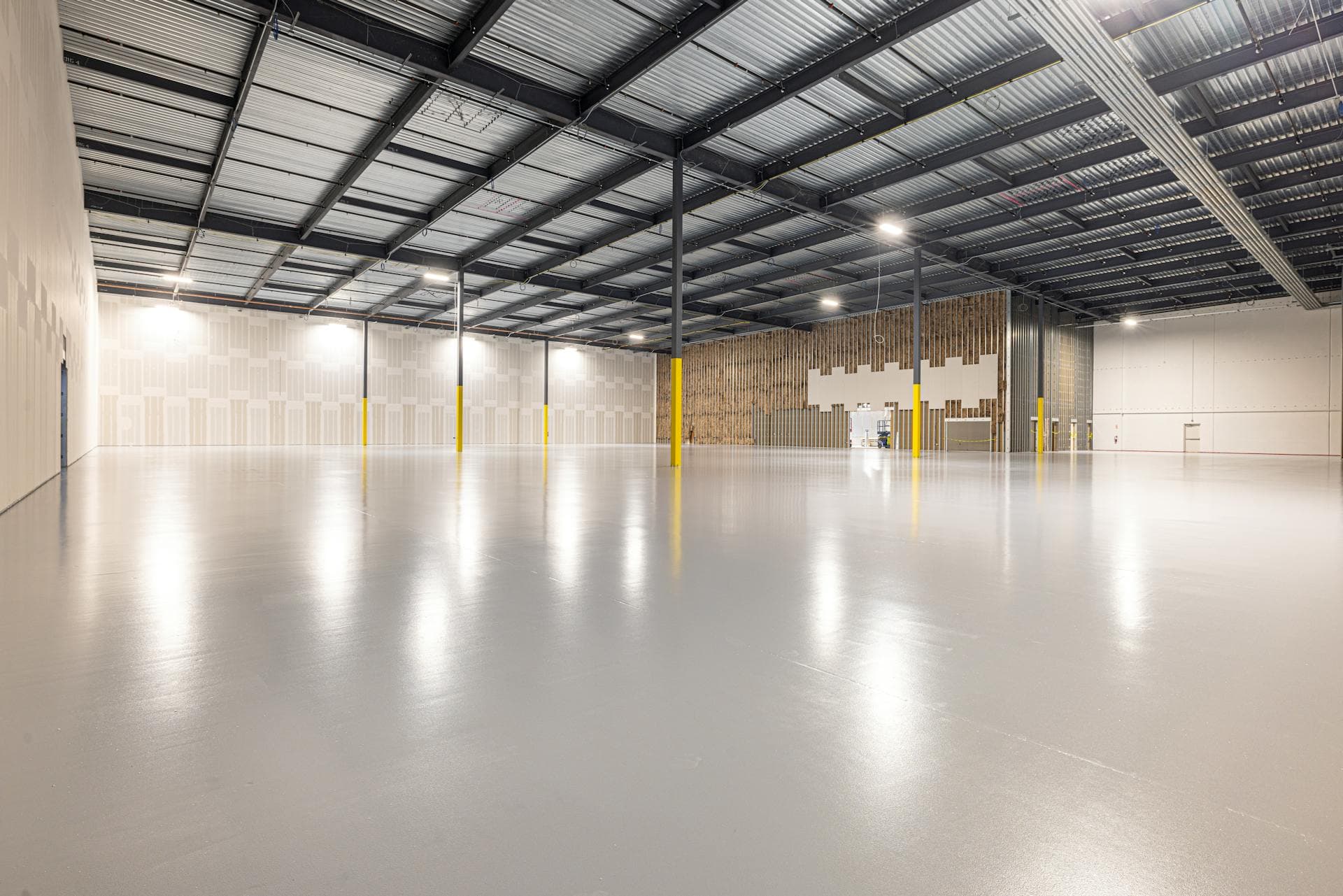
Warehouse, logistics, light industrial
Slab-on-grade buildings with very large floor plates. Stack effect through tall vertical envelopes can pull soil gas in at the slab. Loading-dock door cycles, exhaust fans, and process ventilation all interact with radon levels. Mitigation typically requires multiple sub-slab suction points spread across the floor plate, not a single point at one wall.
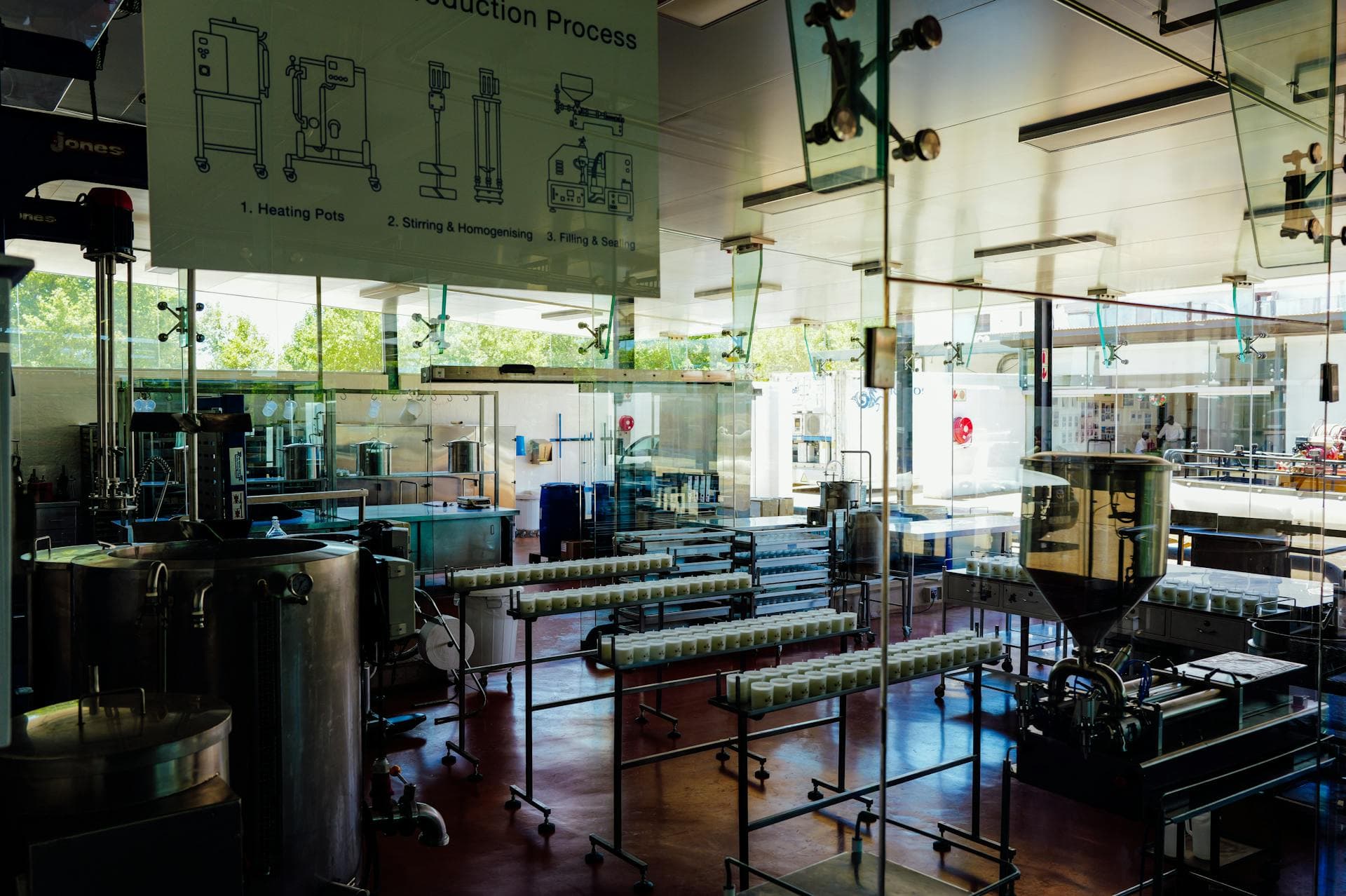
Manufacturing
Process ventilation interacts with radon in ways residential mitigation does not handle. Mitigation design works around existing make-up air, dust collection, and any pressurized clean rooms or quality areas. Testing is staged to match the production schedule the floor actually runs.
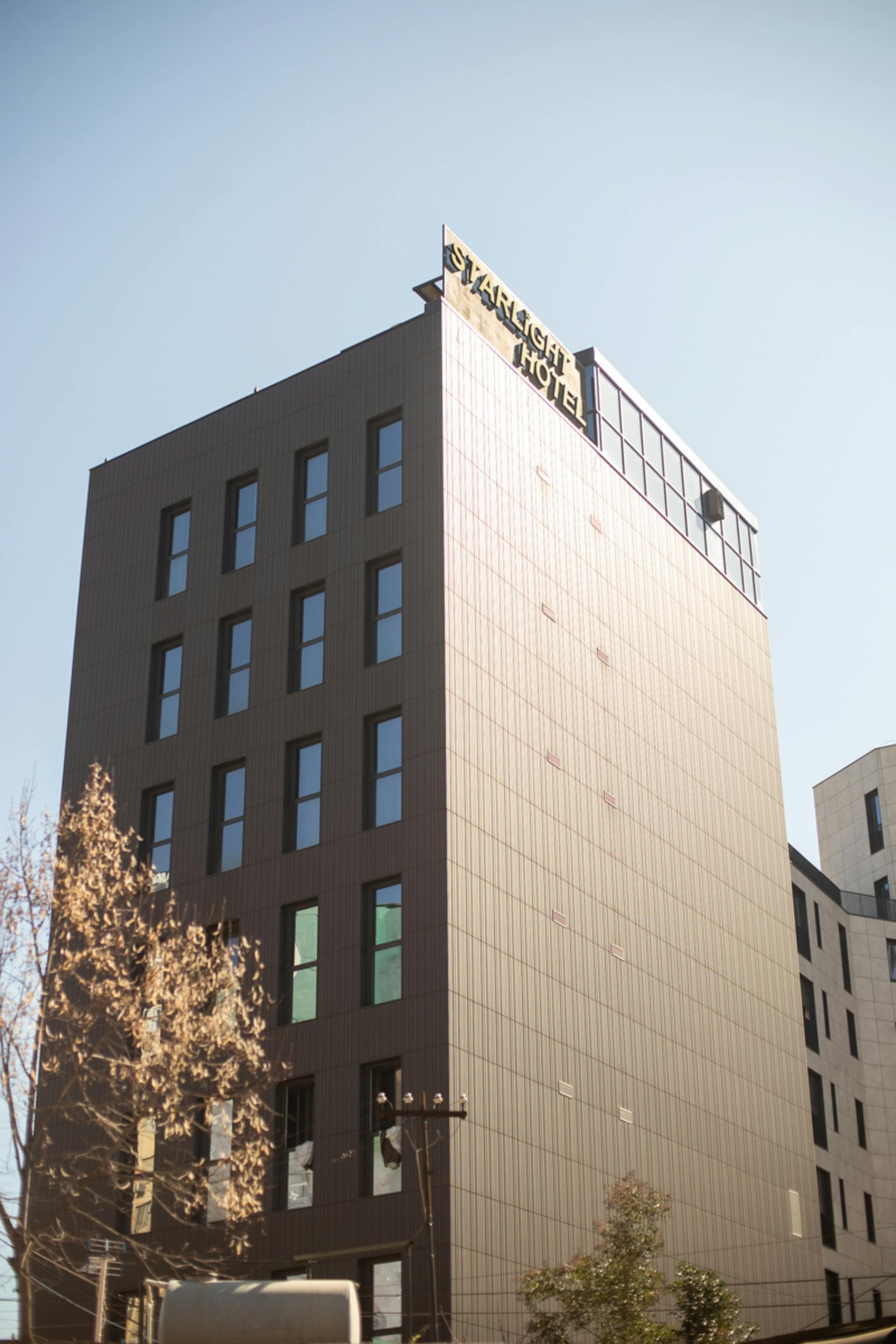
Hospitality
Hotels, motels, extended-stay, conference properties. Lower-floor guest rooms, basement function space, back-of-house, and laundry are the common high-reading areas. Testing windows are scheduled around housekeeping turns; mitigation in guest-facing corridors uses concealed risers and quiet fans.
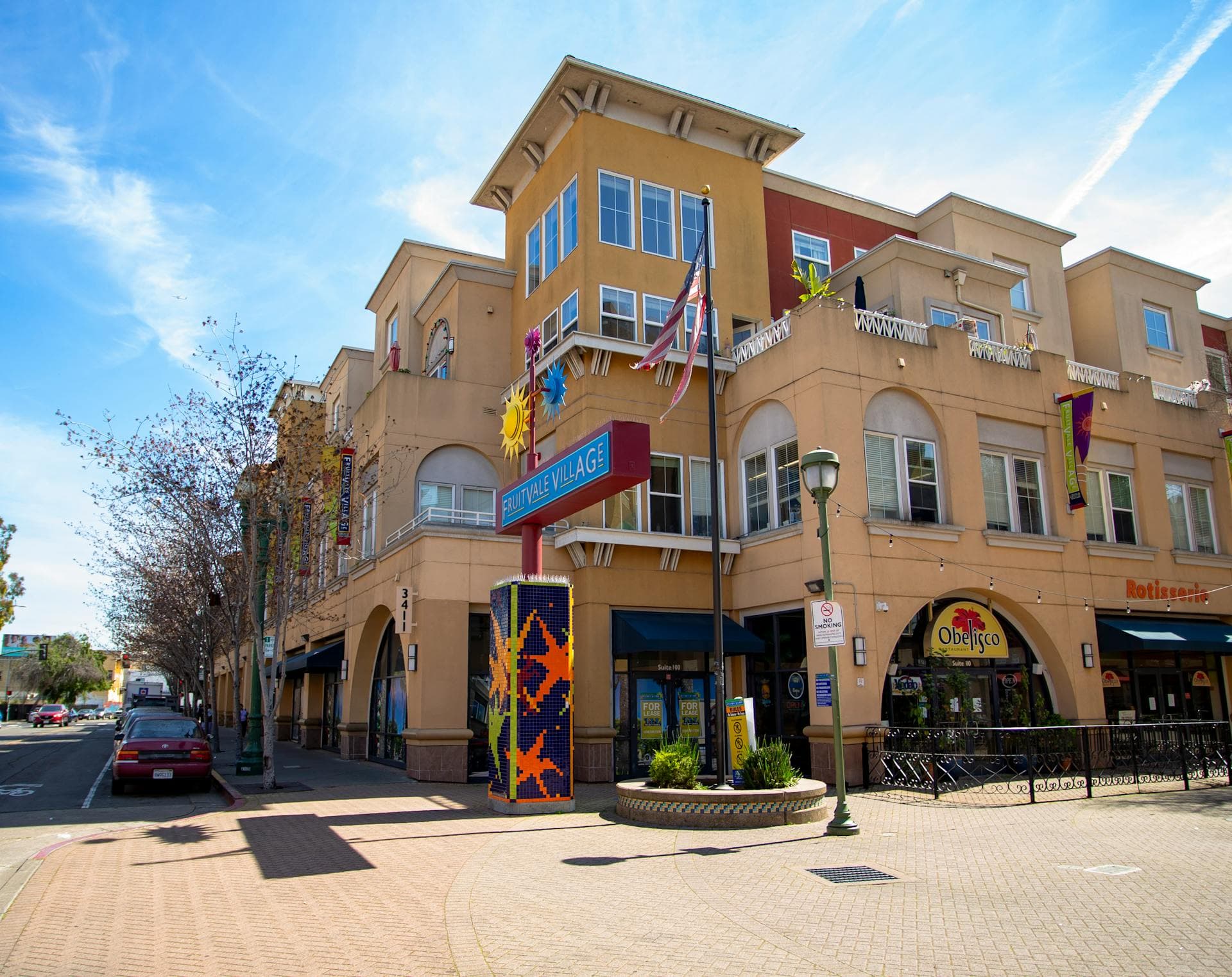
Retail
Strip-center inline space, big-box, grocery, restaurant. Retail leases often push environmental responsibility back to the landlord; tenants asking for documentation is the most common trigger. Testing is straightforward; mitigation runs are usually short because most retail slabs are smaller than warehouse or office.
How pricing works
Commercial radon work does not have a flat price. Two buildings of the same square footage can be very different jobs. The variables that shape cost:
Testing
- Number of ground-contact spacesHigh impact
- Total floor areaHigh impact
- Short-term vs long-term protocolMedium
- Turnaround required (rush vs standard)Medium
- Number of buildings in the engagementHigh impact
Mitigation
- Slab area and number of suction pointsHigh impact
- Slab construction (poured, post-tension, sub-membrane)High impact
- Riser routing and concealmentMedium
- Electrical runs and panel capacityMedium
- Occupied vs vacant during workMedium
You get a fixed-fee testing quote after a short call. Mitigation quotes follow a site visit because the suction-point count is the biggest cost variable and that requires eyes on the slab.
Frequently asked questions
Is radon testing required for commercial buildings in Georgia?▾
How is commercial testing different from residential?▾
How much does commercial radon testing cost?▾
How much does commercial mitigation cost?▾
Will testing or mitigation disrupt my building?▾
Who pays for commercial radon testing, landlord or tenant?▾
How long does the whole process take?▾
Does my Phase I ESA cover radon?▾
What is the action level for commercial buildings?▾
What does the final report contain?▾
Information on this page is general guidance about commercial radon testing, mitigation, and the regulatory landscape. It is not legal, financial, or engineering advice. Specific decisions about a property, lease, transaction, or compliance obligation should be made with qualified counsel and a site-specific evaluation.
Request a commercial quote
Tell us the building type, rough square footage, and what is driving the test. We will reply with a fixed-fee testing quote and a clear next step.
Commercial inquiry