
One of the Best Radon Mitigation Companies in North Fulton County
Radon Mitigation Milton, GA - Testing & Remediation
EPA Zone 1: Fulton County's Highest Risk Classification
Fulton County averaged 2.9 pCi/L across 4,858 pre-mitigation tests. Milton's rolling terrain, 1-acre lots, and daylight basements make radon testing essential. Our top rated radon contractors protect Milton families with professional testing and mitigation.
Radon in Milton, Georgia: What North Fulton County Homeowners Need to Know
Milton is a city of approximately 41,296 residents in the northern reaches of Fulton County, Georgia. Incorporated in 2006, Milton spans 39 square miles of rolling Piedmont hills with a 1-acre minimum lot size that preserves its equestrian heritage and rural character. The city sits at elevations between 950 and 1,280 feet, with the Chattahoochee River forming its western boundary. Milton's median home price of approximately $1.18 million reflects its status as one of metro Atlanta's most desirable communities.
Fulton County is classified as EPA Zone 1, the highest-risk category for radon, making it one of only four Georgia counties with this designation alongside Cobb, Gwinnett, and DeKalb. According to ALA and CDC data from 4,858 pre-mitigation tests conducted in Fulton County between 2008 and 2017, the average indoor radon level is 2.9 pCi/L. Statewide, 21.5% of Georgia homes tested above the EPA action level of 4.0 pCi/L.
Radon is the second leading cause of lung cancer in the United States and the leading cause among non-smokers. In Georgia, approximately 800 people die each year from radon-related lung cancer. Because radon is odorless, colorless, and tasteless, the only way to know your home's radon level is through testing.
Milton's unique combination of high elevation, rolling terrain, large lots, and prevalence of daylight basements creates conditions that are particularly favorable for elevated radon. Unlike denser suburban areas where smaller slab-on-grade homes dominate, Milton's estate-style homes built into hillsides have extensive below-grade soil contact, the primary pathway for radon entry.
Milton's Piedmont Geology and Radon Risk
Milton and northern Fulton County sit within the Piedmont physiographic province on ancient gneiss and granite bedrock that contains uranium-bearing minerals. As these minerals undergo radioactive decay, they produce radium, which further decays into radon gas. The Brevard Fault Zone, a major geological structure running through the region, creates fractured rock pathways that allow radon to migrate more easily from deep bedrock toward the surface.
Above the bedrock, Milton's saprolite layer, a thick zone of weathered rock ranging from 15 to more than 50 feet deep, acts as both a reservoir and pathway for radon gas. This "rotten rock" is more porous than intact bedrock, allowing radon to accumulate and move upward through the soil column into homes through foundation cracks, construction joints, and gaps around utility penetrations.
Milton's elevation between 950 and 1,280 feet places it on some of the highest terrain in metro Atlanta. The rolling topography that gives Milton its scenic character also means most homes are built on slopes with cut-and-fill foundations, increasing the contact area between the home and radon-bearing soil. This geological profile, combined with the Brevard Fault Zone's fractured rock, contributes to Fulton County's Zone 1 classification.
How Radon Mitigation Works in Milton Homes
Our proven radon remediation process protects your family in four steps, typically completed in a single day
Test Your Home
We place a continuous radon monitor in the lowest livable level of your Milton home for 48 hours, recording hourly readings. For homes with daylight basements, this is typically the basement level.
Review Results
If levels exceed 4.0 pCi/L, we design a custom mitigation system based on your home's foundation type, size, and Milton's specific Piedmont geology with its thick saprolite layer.
Install System
Our experienced contractors install a sub-slab depressurization system in one day. For Milton's daylight basements, we may install additional suction points to address the larger below-grade footprint.
Verify & Protect
A post-installation test confirms your home's radon levels are below the EPA action level. Your family is now protected, and the system runs continuously with minimal energy cost.
Radon & Real Estate in Milton
With Milton's median home price at approximately $1.18 million and Fulton County's Zone 1 radon classification, radon testing is a critical part of every real estate transaction in this market.
For Buyers
- Request a radon test during your inspection period. In Fulton County's Zone 1, this is essential, especially for Milton's prevalent daylight basements.
- If levels exceed 4.0 pCi/L, negotiate mitigation as a seller repair or credit. Cost is typically $1,200-$2,500 and is minor relative to Milton's home prices.
- We provide 48-hour testing results so your deal stays on schedule. No delays, no surprises.
- A mitigation system adds value to the home and provides ongoing protection. At $1M+ price points, buyers increasingly expect radon clearance.
For Sellers
- Pre-listing radon testing shows buyers you're proactive about home safety. In Milton's premium market, this builds trust and prevents surprises.
- If elevated, installing a mitigation system before listing prevents deal delays. The $1,200-$2,500 cost is minimal compared to the sale price.
- An installed radon system is a selling point in Zone 1 Fulton County. Educated Milton buyers increasingly ask about radon before making offers.
- Georgia does not require radon disclosure, but most north Fulton County buyers now request testing during inspections.
Radon Testing Across Milton Communities
Milton's 39 square miles include established golf communities, equestrian estates, the historic Crabapple district, and newer luxury developments. Every community sits on the same Zone 1 Piedmont bedrock.
Golf & Estate Communities
Crooked Creek, White Columns, The Manor Golf and Country Club, and Providence at Atlanta National are among Milton's premier golf communities. These large homes, many exceeding 5,000 square feet, are built on rolling fairway lots with daylight basements that provide extensive below-grade living space.
The combination of large foundation footprints, hillside construction, and Milton's thick saprolite layer means these homes have significant soil contact. Research shows basement foundations are the strongest predictor of elevated radon, making testing essential for every golf community home.
Historic Crabapple District
The Crabapple community is the historic heart of Milton, centered around the Crabapple Crossroads. This area features a mix of older homes, newer infill development, and the growing Crabapple Market district with shops and restaurants.
Older homes in the Crabapple area may have more foundation settling and gaps that allow radon entry, while newer homes on the same bedrock can also have elevated levels. The area's central location in Milton places it squarely on the same uranium-bearing gneiss and granite that underlies the entire city.
Equestrian Properties
Milton's 1-acre minimum lot sizes and equestrian overlay districts make it one of metro Atlanta's premier horse country communities. Properties along Freemanville Road, Bethany Bend, and Hopewell Road feature pastures, barns, and estate homes on large acreage.
Equestrian properties with large homes built into the natural terrain have extensive foundation contact with radon-bearing soil. The undisturbed soil surrounding these properties preserves natural radon migration pathways. We serve equestrian estates throughout Milton with discreet, professional radon services.
Schools & Families
Milton is served by Fulton County Schools, including Milton High School with approximately 2,380 students and Cambridge High School with about 1,700 students. The city is also home to several private schools and is known for its family-oriented community.
Children are especially vulnerable to radon exposure due to their higher breathing rates and developing lungs. Families moving to Milton for its acclaimed schools should test their new home before or immediately after moving in. We provide radon testing and mitigation for schools, daycares, and homes throughout Milton.
Radon Risk by Foundation Type in Milton
Milton's rolling terrain means daylight basements are the dominant foundation type. A peer-reviewed study of metro Atlanta homes found that foundation type is one of the strongest predictors of radon levels:
Most common in Milton due to rolling terrain. Maximum soil contact with below-grade living space on the downhill side. Research shows basements are the strongest predictor of elevated radon levels.
Found in some Milton homes on flatter lots. Direct contact with soil through the entire slab. Radon enters through cracks, construction joints, and gaps around plumbing penetrations.
Less common in Milton but present in some older properties. Radon accumulates in the crawl space and enters living areas through gaps. Sub-membrane depressurization is the effective solution.
Milton Areas We Serve
Professional Radon Services in Milton, GA
Comprehensive radon testing, mitigation, remediation, and system maintenance from experienced contractors serving north Fulton County
Radon Testing
Professional radon testing using continuous radon monitors that record hourly data for the most accurate assessment of your Milton home's radon levels. Essential for homes with daylight basements on north Fulton County's rolling terrain.
- 48-hour results
- Continuous monitoring
- Detailed hourly data report
Radon Mitigation Systems
Expert radon mitigation and remediation system installation designed for Milton's Piedmont geology and large estate homes. Sub-slab depressurization systems proven to reduce radon below EPA levels.
- 1-day installation
- Below EPA levels guaranteed
- Post-install verification test
System Repair & Maintenance
Complete radon system repair, fan replacement, and maintenance for existing systems in Milton. We service all brands and system types to keep your home protected year-round.
- All brands serviced
- Fan replacement
- Performance verification
Commercial & Multi-Family
Professional radon testing and mitigation for Milton commercial properties, Crabapple district businesses, and multi-family buildings. Compliance documentation provided for property managers.
- Office buildings
- Multi-family buildings
- Compliance documentation
Why Milton Homeowners Choose Our Radon Company
Trusted radon contractors and experienced professionals serving north Fulton County
North Fulton Expertise
We understand Milton's Piedmont gneiss geology, the Brevard Fault Zone, and how daylight basements on rolling terrain affect radon levels across north Fulton County.
48-Hour Results
Professional radon testing with results in 48 hours. For Milton's premium real estate market, we work within inspection timelines to keep your deal on schedule.
Verified Results
Every mitigation installation includes a post-install verification test to confirm your Milton home's radon levels are below the EPA action level.
Free Estimates
We provide free radon mitigation estimates for Milton homeowners. Know the cost before you commit, whether your home is 2,000 or 10,000 square feet.
Radon Services in Nearby Cities
We also serve communities surrounding Milton and north Fulton County
Frequently Asked Questions About Radon in Milton, GA
Common questions from north Fulton County homeowners about radon testing and mitigation
Why is radon a serious concern in Milton, Georgia?
Milton sits in the northern portion of Fulton County, which is classified as EPA Zone 1, the highest-risk category for radon. According to ALA and CDC data from 4,858 pre-mitigation tests in Fulton County (2008-2017), the average indoor radon level is 2.9 pCi/L. Statewide, 21.5% of Georgia homes tested above the EPA action level of 4.0 pCi/L. Milton's rolling Piedmont terrain, elevations between 950 and 1,280 feet, and prevalence of daylight basements on 1-acre-plus lots create ideal conditions for radon entry.
What makes north Fulton County high risk for radon?
Northern Fulton County, where Milton is located, sits on Piedmont gneiss and granite bedrock that contains uranium-bearing minerals. These minerals decay into radium and then radon gas. The Brevard Fault Zone, a major geological feature running through the region, creates fractured rock that allows radon to migrate more easily to the surface. Milton's thick saprolite layer of 15 to 50 feet of weathered rock acts as both a source and pathway for radon gas migration into homes.
How does a radon mitigation system work in Milton homes?
The most common method is sub-slab depressurization (SSD). A pipe is inserted through your foundation into the crushed rock or soil beneath. A specialized radon fan creates negative pressure below the foundation, drawing radon gas from beneath the home and venting it safely above the roofline. For Milton homes with daylight basements, which are extremely common due to the rolling terrain, the system may require additional suction points. Installation is typically completed in one day.
How much does radon mitigation cost in Milton, GA?
Radon mitigation systems in Milton typically cost between $1,200 and $2,500 for standard residential installations. However, Milton's large homes on 1-acre-plus lots with daylight basements and multiple foundation types may require additional suction points, which can increase the cost. We provide free estimates so you know the exact cost before any work begins.
Should I test for radon before buying a Milton home?
Absolutely. With Fulton County classified as EPA Zone 1 and Milton's prevalence of daylight basements on large hillside lots, radon testing is essential for any real estate transaction. Milton's median home price is approximately $1.18 million, making it even more important to ensure your investment includes safe indoor air. We provide 48-hour testing results to keep your deal on schedule.
Do daylight basements in Milton have higher radon risk?
Yes. Daylight basements, also called walkout basements, are extremely common in Milton due to the rolling Piedmont terrain between 950 and 1,280 feet elevation. Research shows that basement foundations have the highest radon risk because they have the most soil contact and below-grade living space. Milton's 1-acre minimum lot sizes and hilly topography mean most homes are built into slopes with full or partial basement exposure to the soil.
How long does radon testing take in Milton?
Short-term radon tests take 48 to 96 hours. We use professional continuous radon monitors that record hourly readings for the most accurate results. For real estate transactions, we offer 48-hour turnaround. Long-term tests of 90 or more days provide a more accurate annual average and are recommended for homeowners not in a transaction.
Does Milton's equestrian and rural character affect radon levels?
Milton's rural character with 1-acre minimum lots, equestrian properties, and large estate homes actually increases radon risk compared to denser suburban development. Larger lots mean more open soil surrounding the home, and the estate-style homes built into Milton's rolling hills almost always have daylight basements with extensive soil contact. The undeveloped land and natural topography also mean less soil disturbance, preserving the natural radon pathways through the saprolite.
Get Your Milton Radon Test Quote
Fulton County is EPA Zone 1. With Milton's daylight basements and rolling terrain, don't wait to find out if your home has elevated radon. Contact us today for your free consultation.
Protect Your Milton Home From Radon
In EPA Zone 1 Fulton County, more than 1 in 5 Georgia homes tested above the action level. Milton's rolling hills and daylight basements increase risk. Contact our top rated radon contractors today.
Radon Safety Resources
Expert insights and guides to keep you informed
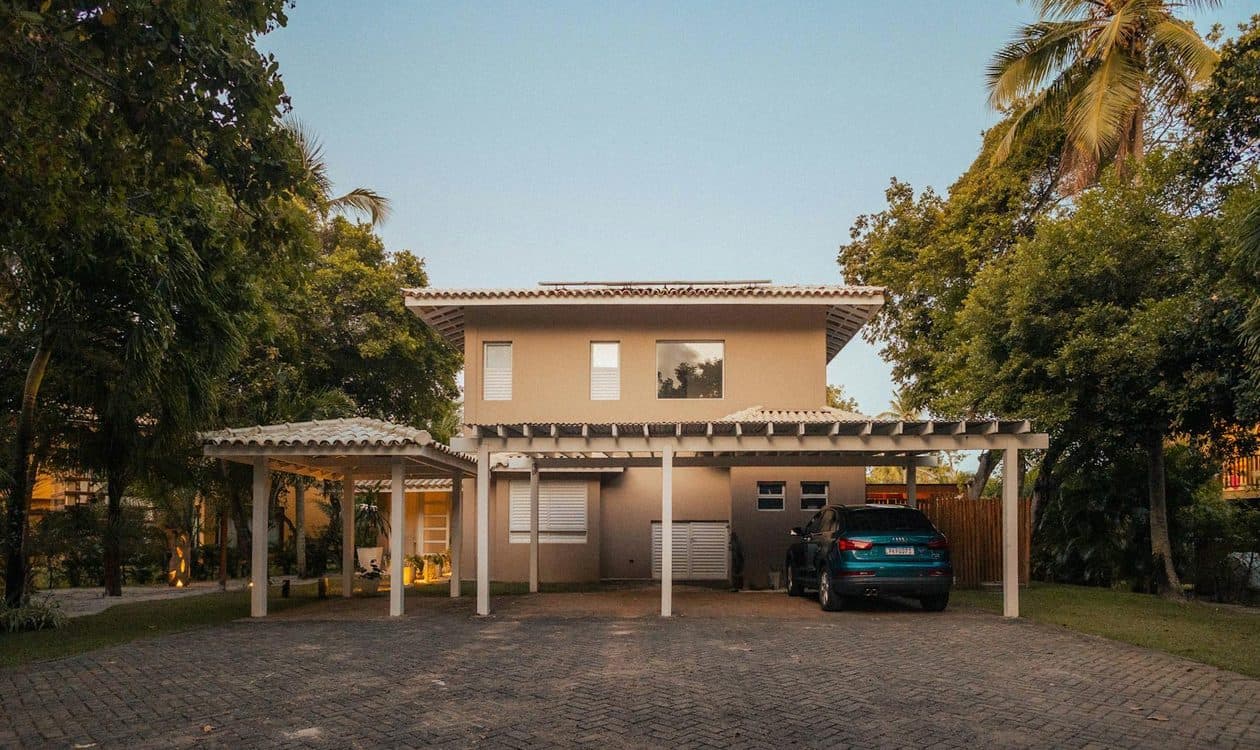
Radon Levels Chart: What Every Reading Means, From 0.4 to 20+ pCi/L
A radon levels chart from 0.4 to 20+ pCi/L. What each reading means, the EPA lifetime lung cancer risk at every level for smokers and never-smokers, the WHO reference level, and exactly what to do next at your number.
Read more about Radon Levels Chart: What Every Reading Means, From 0.4 to 20+ pCi/L →
Radon in Holly Springs, Georgia: A Cherokee County Homeowner Guide
A local guide for Holly Springs and Cherokee County homeowners. Why north-Georgia granite geology produces elevated indoor radon in many homes, why every home should be tested regardless of zone, and how testing and mitigation work.
Read more about Radon in Holly Springs, Georgia: A Cherokee County Homeowner Guide →
Radon in Athens, Georgia: An Athens-Clarke County Homeowner Guide
A local guide for Athens and Athens-Clarke County homeowners, landlords, and renters. Why north-Georgia geology produces elevated indoor radon in many homes, why every home and rental should be tested regardless of zone, and how testing and mitigation work.
Read more about Radon in Athens, Georgia: An Athens-Clarke County Homeowner Guide →