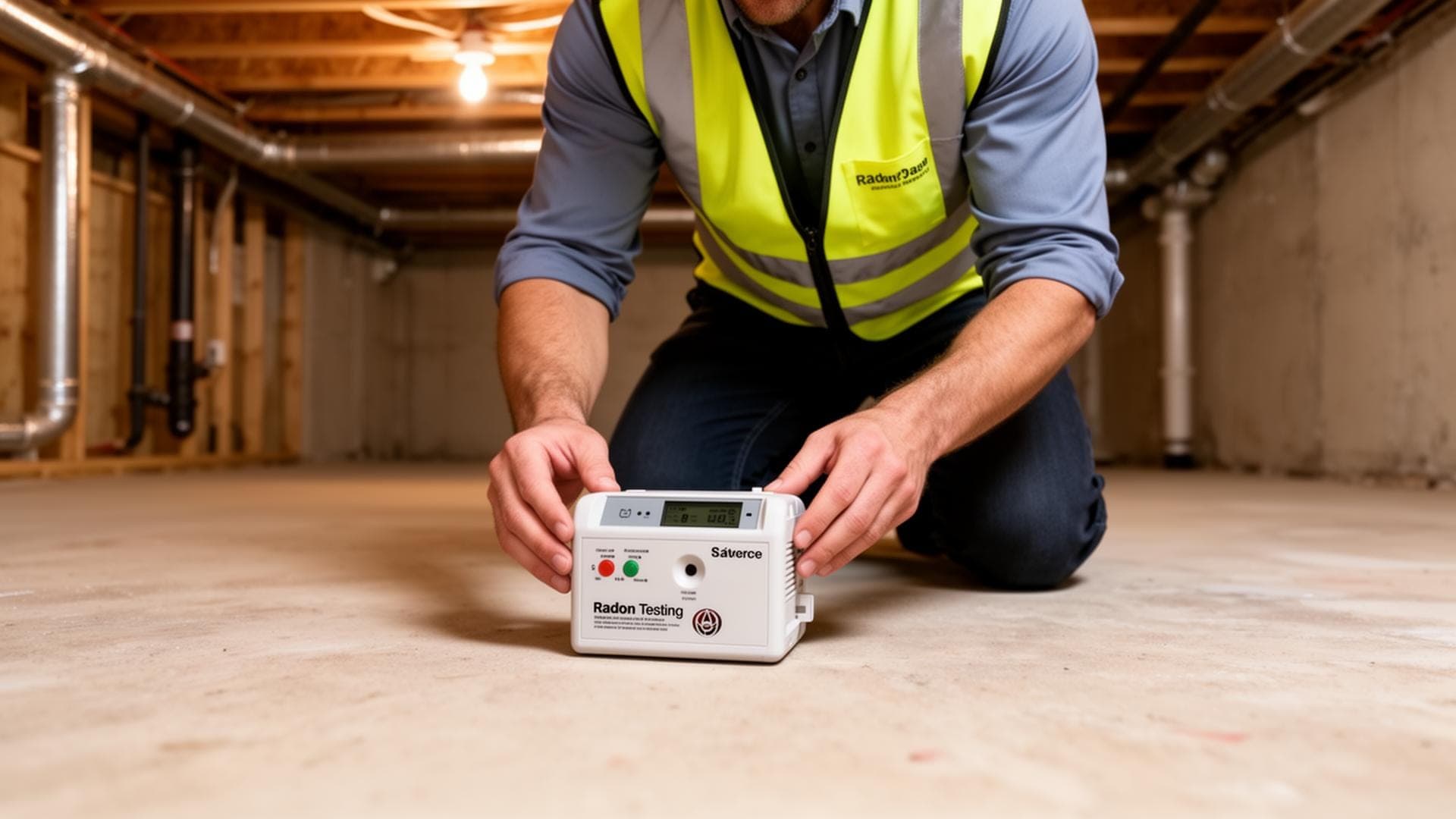
In Georgia's real estate market, radon has become a standard part of the home inspection process. Sellers who address radon before listing enjoy smoother transactions, less negotiation pressure, and often save money compared to dealing with it under the time constraints of a pending sale. For the complete overview, see our guide to radon in Georgia real estate.
1. Proactive vs. Reactive Approach
Proactive (Before Listing)
- You control the timeline and vendor selection
- You choose where the system routes (aesthetics)
- No pressure from a closing deadline
- Cost is predictable and market-rate
- Can market the home as radon-protected
Reactive (During Due Diligence)
- Buyer controls the narrative
- Time pressure from closing deadline
- Buyers often demand price reductions beyond actual cost
- Rush scheduling may limit vendor options
- Can create a perception that the home has "problems"
2. The ROI of Pre-Listing Mitigation
When radon is discovered during a buyer's inspection, the negotiation often goes beyond the actual cost of mitigation. Buyers may request a $3,000 to $5,000 price reduction for a problem that costs $1,500 to fix, or they may use it as leverage for additional concessions on other inspection items.
By spending $1,000 to $2,500 proactively, sellers typically save $1,000 to $3,000 in avoided concessions and keep the transaction moving smoothly. Start with professional radon testing and, if needed, professional radon mitigation. See our 2026 cost guide for pricing details.
3. Understanding Buyer Psychology
When a buyer discovers elevated radon during their inspection, it triggers a fear response. Even though radon is easily mitigated, the word "radioactive" creates anxiety that can sour a buyer on the property. A pre-installed system with documentation removes that emotional reaction entirely.
- Confidence signal: A radon system shows the seller is proactive and transparent about the home's condition.
- Reduced objections: One fewer item on the inspection repair list means fewer negotiation points.
- Faster closing: No delays for scheduling mitigation installation during the due diligence period.
4. Timeline and Logistics
Plan to start the process 3 to 4 weeks before listing.
Pre-Listing Radon Timeline
- Week 1: Professional radon test (48+ hours)
- Week 1-2: Review results. If below 4 pCi/L, you are done. Document and share with your agent.
- Week 2: If elevated, schedule mitigation installation
- Week 2-3: Installation (4 to 8 hours) followed by 24-hour settling period
- Week 3: Post-mitigation verification test (48+ hours)
- Week 3-4: Results documented. Ready to list with radon protection in place.
5. Using Mitigation as a Marketing Advantage
Once your system is installed and verified, work with your listing agent to highlight it as a feature of the home.
- Include "radon mitigation system installed" in the listing description
- Have documentation available for buyer review (test results, installation report, warranty)
- Mention the post-mitigation test showing levels below 2 pCi/L
6. Disclosure Considerations
In Georgia, sellers are required to disclose known material defects. If you have tested for radon and found elevated levels, this should be disclosed. However, disclosure alongside documentation of a working mitigation system turns a potential negative into a positive.
7. Making the Decision
When to Mitigate Before Listing
- Your home is in EPA Zone 1 or Zone 2 (most of North Georgia and Metro Atlanta)
- You know or suspect your home has elevated radon
- You want the smoothest possible transaction
- You have 3 to 4 weeks before your target listing date
Frequently Asked Questions
Prepare Your Home for Sale
Get ahead of the inspection with pre-listing radon testing and mitigation.