
Atlanta Radon Mitigation and Testing
Radon Testing and Mitigation in Atlanta, GA
Testing, Mitigation, and Radon Removal for Homes and Buildings Across the City
Atlanta sits in EPA Zone 2 with an average radon level of 3.5 pCi/L, just under the federal action level, and an estimated 55,000+ area homes have elevated radon. From intown bungalows to Buckhead high-rises, we test, mitigate, and verify results across every part of the city.
Radon Levels in Atlanta: What Zone 2 Really Means
Atlanta is Georgia's capital and largest city, with a population near 500,000 and radon risk that varies noticeably from one neighborhood to the next. Fulton County is classified as EPA Zone 2, the moderate category, with an average indoor radon level around 3.5 pCi/L. That average sits just below the EPA action level of 4.0 pCi/L, which is exactly why it should not be read as reassurance.
A zone rating describes a county-wide prediction, not your house. Atlanta's varied geology includes pockets of granite bedrock throughout the metro area, and homes sitting over those pockets routinely test above the action level while a house a few blocks away tests low. An estimated 55,000+ homes in the Atlanta area have elevated radon. The distribution is patchy enough that the EPA recommends testing every home in every zone.
Radon is a naturally occurring radioactive gas produced as uranium in soil and rock breaks down. It is invisible, odorless, and tasteless, and it is the second leading cause of lung cancer in the United States after smoking. It enters buildings through foundation cracks, sump pits, crawl spaces, utility penetrations, and slab joints, then accumulates in the lowest lived-in levels.
Whether you are in a Virginia Highland craftsman, an Old Fourth Ward townhome, or a West End bungalow, professional radon testing Atlanta GA residents can trust is the only way to know your number. If it comes back elevated, radon removal is a solved problem with a well-established fix.
Atlanta Geology and Radon Risk
Atlanta sits on varied geology with pockets of granite bedrock scattered throughout the metro area. Granite carries trace uranium, and as that uranium decays it releases radon gas into the surrounding soil. Where a foundation happens to sit over one of these pockets, radon has a direct path into the building.
This patchwork is why Atlanta's radon picture is so uneven. Neighboring properties can produce very different test results, and no address in the city can be declared safe from a map alone. For a closer look at how the bedrock shapes local readings, see our guides to Atlanta's granite geology and radon and high radon areas in Atlanta.
How Radon Testing Works in Atlanta
We place a continuous radon monitor in the lowest lived-in level of your home, away from drafts, windows, and exterior doors. The monitor records radon concentrations every hour for 48 to 96 hours under closed-house conditions. Hourly data matters because radon levels swing with weather, HVAC cycles, and time of day, and a single-point reading can miss the real picture.
When the test finishes, you get a written report showing the hourly readings and the overall average, along with a clear explanation of what the number means for your home. If the result is at or above 4.0 pCi/L, the EPA recommends mitigation. Results between 2.0 and 4.0 pCi/L are worth addressing too, since no level of radon exposure is considered risk-free.
For home purchases, the monitored 48-hour test fits inside a standard inspection window, and the tamper-resistant hourly log holds up in negotiations. Learn more on our Atlanta radon testing and real estate radon testing pages.
Radon Mitigation and Removal in Atlanta
When people search for radon removal, what they need is a mitigation system: there is no filter or one-time treatment that scrubs radon out of the air. Instead, the system stops radon at the source. The most common design in Atlanta is sub-slab depressurization. We core a suction point through the slab, connect it to PVC piping and an inline fan, and vent the soil gas above the roofline where it disperses harmlessly. The fan runs continuously, creating negative pressure under the foundation so radon is drawn out before it can enter your living space.
Homes with crawl spaces get a variation called sub-membrane depressurization. A heavy vapor barrier is sealed across the crawl space floor and the fan draws from beneath it. Many intown Atlanta homes combine a basement with a crawl space section, so the right radon mitigation Atlanta homes need is often a hybrid system with more than one suction point.
A properly designed system can cut indoor radon by 90 percent or more, and most standard residential installations take a single day of work. Every installation we complete is followed by a post-mitigation verification test so you see the reduced number, not just a running fan. See our Atlanta radon mitigation systems page for system types and design details.
Radon Service in Atlanta for Every Type of Home
Atlanta's housing stock spans a century and a half of construction styles, from historic homes and urban condos to modern townhomes and high-rise apartments. Each one meets radon differently, and the mitigation approach has to match the building.
Historic Intown Homes
Bungalows and craftsman houses in Grant Park, Candler Park, Inman Park, and Virginia Highland often sit on stone or brick foundations with crawl spaces, dirt floors, and decades of settling cracks. Every one of those is a radon entry point.
See our historic home radon and crawl space radon guides for how we mitigate without altering original character.
Basement Homes
Finished basements in Buckhead, Morningside, and Druid Hills put bedrooms, offices, and gyms in direct contact with the soil, exactly where radon concentrates. A basement that has never been tested is an unknown.
Our Atlanta basement radon page covers testing finished and unfinished basements and how sub-slab systems are routed discreetly.
Condos, Townhomes, and High-Rises
Ground-floor and lower-level units in Midtown and Old Fourth Ward buildings can still see elevated radon, and modern townhomes with tuck-under garages or slab foundations have their own entry paths.
See condo radon, townhome radon, and slab foundation radon.
New Construction
A new build is not a low-radon build. The geology under the foundation determines risk, not the age of the framing, and tight modern envelopes can actually hold radon in.
Our new construction radon page covers testing new homes and activating rough-in systems.
The same basements and crawl spaces that let radon in often trap moisture too. See also: mold inspection and removal in Atlanta (our sister company Erase Mold).
Professional Radon Services in Atlanta, GA
Radon testing, mitigation, removal, and system maintenance for homes and commercial buildings across the city
Radon Testing
Professional radon testing Atlanta GA homeowners can rely on, using continuous radon monitors that record hourly readings for an accurate picture of your home's radon levels.
- 48 to 96 hour monitored tests
- Hourly data report
- Real estate transaction testing
Radon Mitigation Systems
Radon mitigation Atlanta properties need, matched to the foundation type: sub-slab depressurization for basements and slabs, sub-membrane systems for crawl spaces.
- System design matched to foundation
- Post-install verification test
- Quiet, code-compliant installs
System Repair & Maintenance
Repair, fan replacement, and performance checks for existing radon systems anywhere in the city. We service all brands and system types.
- All brands serviced
- Fan replacement
- Performance verification
Commercial Radon Services
Radon testing and mitigation for Atlanta offices, schools, daycares, warehouses, and multi-family buildings, with documentation for compliance and due diligence.
- Multi-family and mixed-use
- Schools and daycares
- Compliance documentation
Commercial Radon Mitigation in Atlanta
Radon is a building issue, not just a housing issue. Offices, schools, daycares, warehouses, medical buildings, and multi-family properties across Atlanta can all accumulate radon in ground-contact spaces.
We design commercial radon testing plans that follow ANSI/AARST multi-building protocols and engineer mitigation systems sized for larger slabs and mechanical systems, with documentation for compliance, financing, and due diligence requirements.
Explore Atlanta Radon Resources
In-depth radon testing and mitigation guides for Atlanta homeowners and building owners
Why Atlanta Homeowners Choose EraseRadon
Local radon contractors focused on accurate testing and verified results
Atlanta Expertise
We work in Atlanta's housing stock every week, from crawl space bungalows to high-rise condos, and match each system to the building.
Hourly Test Data
Continuous monitors record hourly readings over 48 to 96 hours, giving you a defensible result instead of a single snapshot.
Verified Results
Every mitigation includes a post-install verification test so you see the reduced radon number, not just an installed fan.
Residential & Commercial
One team for houses, condos, multi-family buildings, and commercial properties, with documentation for closings and compliance.
Radon Services in Nearby Cities
We also serve communities throughout metro Atlanta
Frequently Asked Questions About Radon in Atlanta, GA
Common questions from Atlanta homeowners about radon testing, mitigation, and removal
Do Atlanta homes really need radon testing if Fulton County is Zone 2?
Yes. EPA Zone 2 means the county's predicted average indoor level falls between 2 and 4 pCi/L, not that individual homes are safe. Atlanta's average of 3.5 pCi/L sits just below the EPA action level of 4.0 pCi/L, and the city's varied geology includes pockets of granite bedrock that push many individual homes well above it. An estimated 55,000+ homes in the Atlanta area have elevated radon. The only way to know where your home falls is to test it.
What is the average radon level in Atlanta, GA?
The Atlanta area averages approximately 3.5 pCi/L, close to the EPA action level of 4.0 pCi/L. Averages hide wide swings between properties. Two houses on the same street can test very differently depending on the soil and rock directly beneath each foundation, which is why the EPA recommends testing every home regardless of zone.
How long does radon testing take in Atlanta?
A short-term test with a continuous radon monitor runs 48 to 96 hours and records hourly readings, giving you an accurate picture of your home's radon levels. For real estate transactions in Atlanta, a 48-hour monitored test is the standard approach used during the inspection window.
How does radon removal actually work?
Radon removal is done with a mitigation system, most commonly sub-slab depressurization. A suction point is created beneath the foundation, connected to PVC piping and an inline fan that pulls radon from the soil and vents it above the roofline before it can enter the living space. Crawl space homes use sub-membrane depressurization, where a sealed vapor barrier is depressurized the same way. Properly designed systems can reduce indoor radon by 90 percent or more.
How much does radon mitigation cost in Atlanta?
Cost depends on foundation type, home size, and how many suction points the system needs. A slab-on-grade ranch and a Buckhead home with a finished basement plus a crawl space are very different projects. We provide a written quote before any work begins, so you know the exact price up front. Our radon mitigation cost guide breaks down the factors that drive pricing.
Should I test for radon when buying a home in Atlanta?
Yes. Radon testing should be part of every Atlanta home inspection, whether you are buying a Grant Park bungalow, a Midtown condo, or new construction on the Westside. If the test comes back elevated, mitigation is a routine repair that is typically negotiated as part of the transaction rather than a reason to walk away.
Get Your Atlanta Radon Quote
Tell us about your property and we will follow up with next steps for testing or mitigation anywhere in the city.
Protect Your Atlanta Home From Radon
With an estimated 55,000+ area homes carrying elevated radon, the only way to know your number is to test. Schedule radon testing or mitigation with our Atlanta team today.
Radon Safety Resources
Expert insights and guides to keep you informed
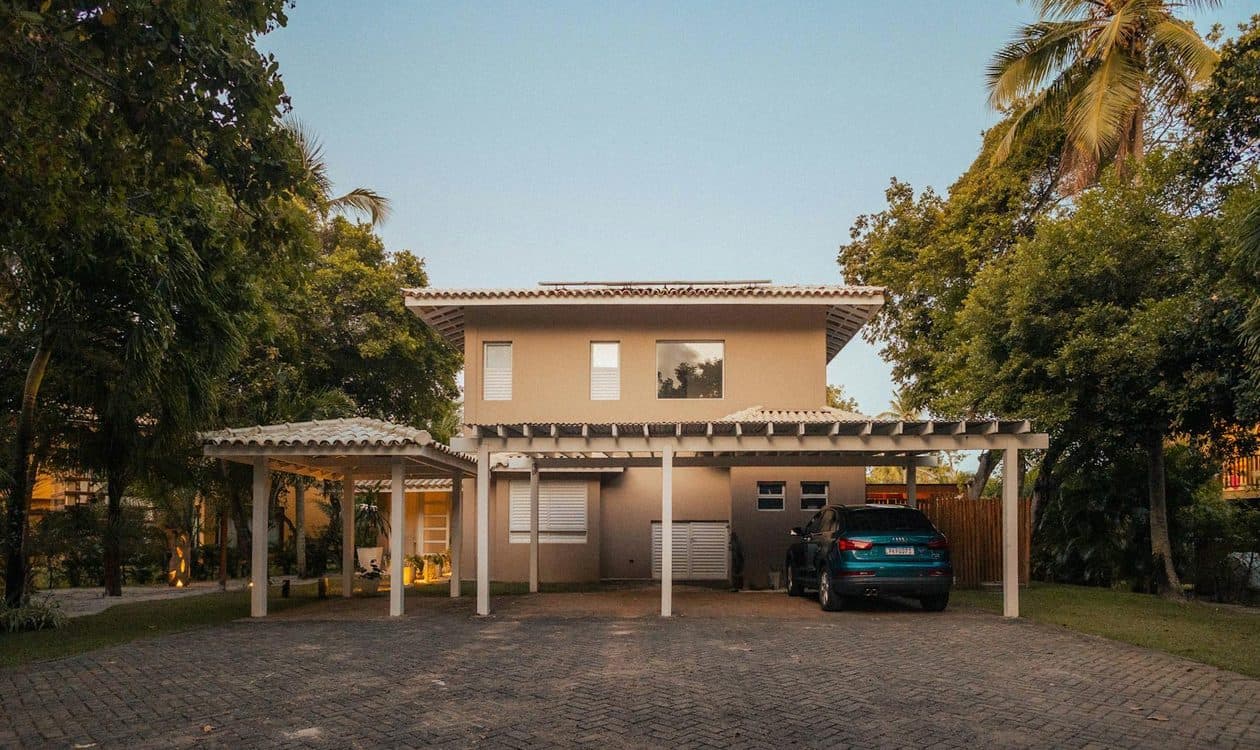
Radon Levels Chart: What Every Reading Means, From 0.4 to 20+ pCi/L
A radon levels chart from 0.4 to 20+ pCi/L. What each reading means, the EPA lifetime lung cancer risk at every level for smokers and never-smokers, the WHO reference level, and exactly what to do next at your number.
Read more about Radon Levels Chart: What Every Reading Means, From 0.4 to 20+ pCi/L →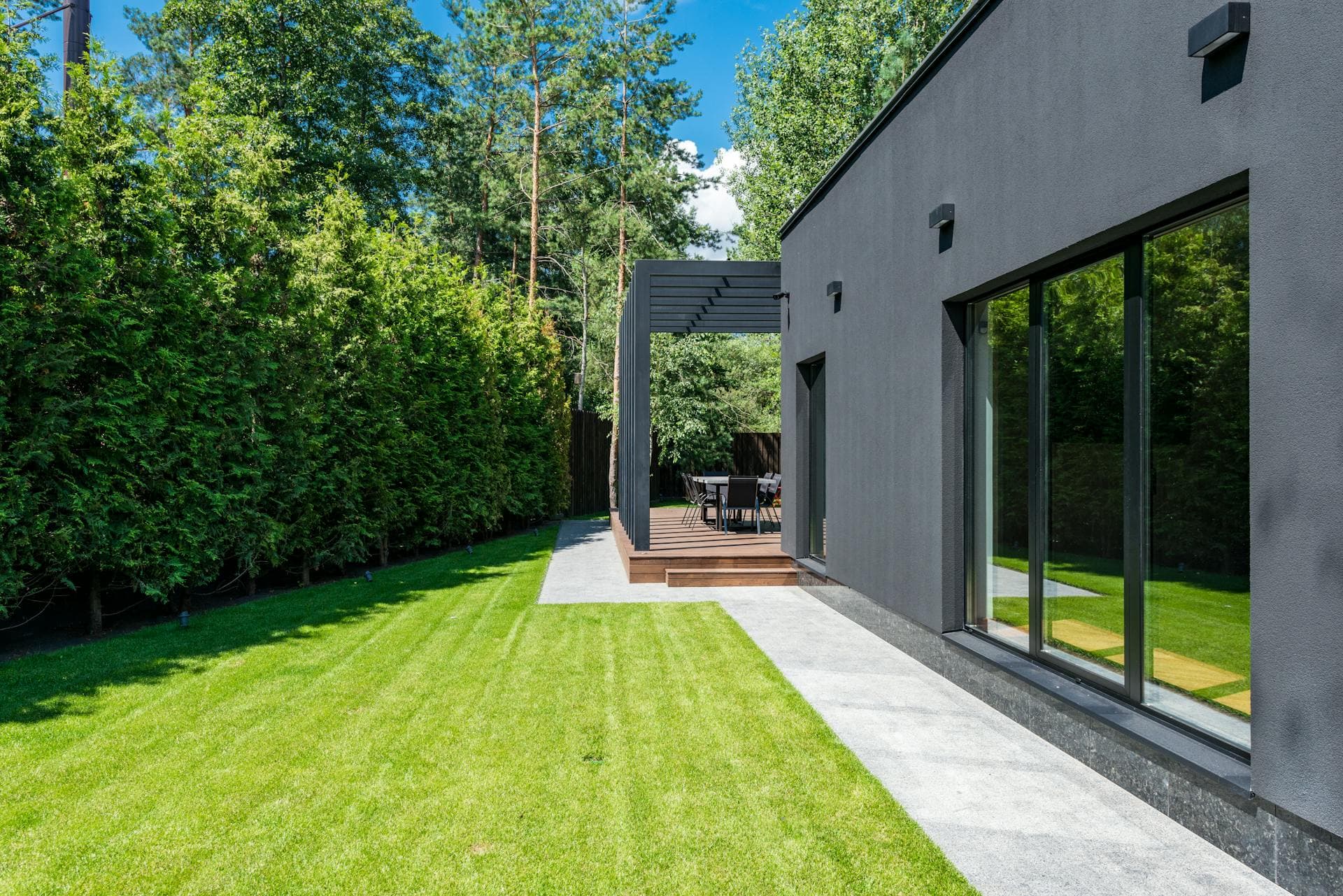
Radon in Holly Springs, Georgia: A Cherokee County Homeowner Guide
A local guide for Holly Springs and Cherokee County homeowners. Why north-Georgia granite geology produces elevated indoor radon in many homes, why every home should be tested regardless of zone, and how testing and mitigation work.
Read more about Radon in Holly Springs, Georgia: A Cherokee County Homeowner Guide →
Radon in Athens, Georgia: An Athens-Clarke County Homeowner Guide
A local guide for Athens and Athens-Clarke County homeowners, landlords, and renters. Why north-Georgia geology produces elevated indoor radon in many homes, why every home and rental should be tested regardless of zone, and how testing and mitigation work.
Read more about Radon in Athens, Georgia: An Athens-Clarke County Homeowner Guide →