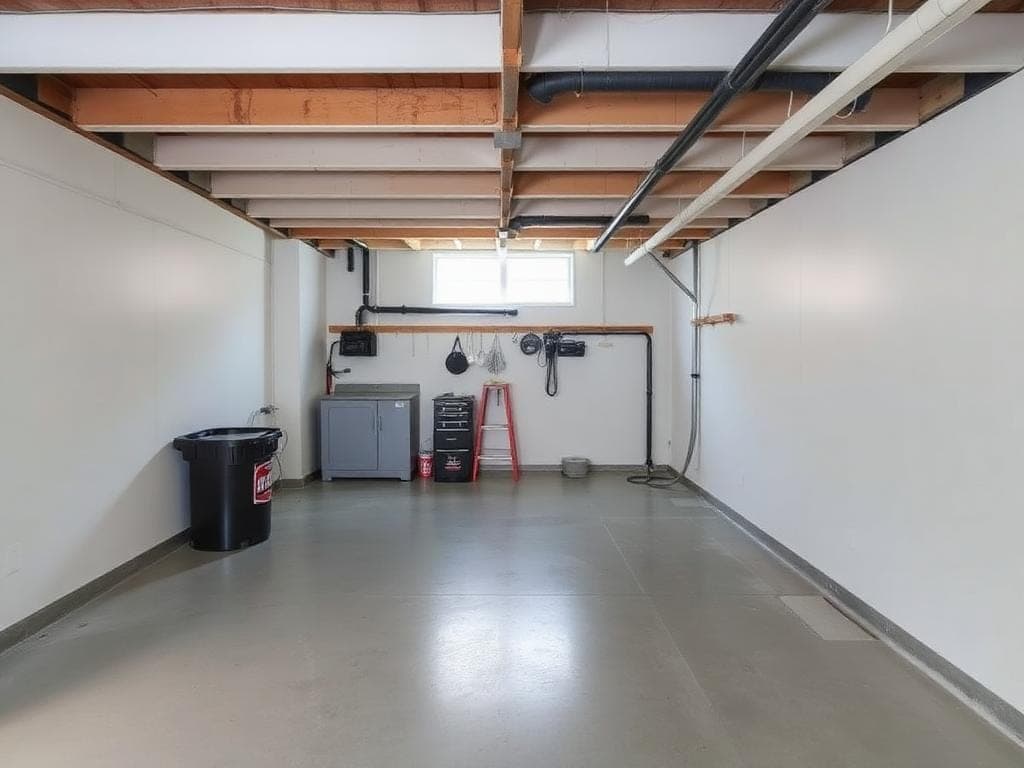
Basement Radon in Atlanta
Why Basements Have Higher Radon & How to Fix It
Basements often have higher radon levels than upper floors. Professional mitigation can help reduce these levels.
Why Basements Have Higher Radon Levels
Your basement is where radon naturally concentrates due to its below-grade location and direct contact with soil.
Direct Soil Contact
Basements have more surface area in contact with soil where radon originates, providing more entry points.
Pressure Differentials
Basements are often under negative pressure relative to the soil, drawing radon-laden air inside.
Stack Effect
Warm air rising in your home creates suction at the lowest level, pulling soil gases including radon into the basement.
Foundation Cracks
Settling and age create cracks in basement floors and walls that serve as radon entry pathways.
Common Basement Radon Entry Points
Sealing these entry points alone is not sufficient to reduce radon. While sealing is part of our process, active soil depressurization is required to effectively reduce radon levels. The same cracks and gaps that admit radon can also let in moisture; if that has led to mold, our sister company Erase Mold offers basement mold removal for Atlanta homes.
Basement Radon Mitigation Process
Assessment
We evaluate your basement's construction, identify entry points, and determine the optimal system design.
Installation
A suction point is created through the basement floor. PVC piping routes from beneath the slab to above the roofline.
Fan Activation
A radon fan creates negative pressure beneath your basement floor, drawing radon away before it enters.
Verification
Post-installation testing can confirm the system is working effectively.
Atlanta Basement Radon Facts
Basement Radon FAQs
Why do basements have higher radon levels?
Basements have more direct contact with soil and are typically under negative pressure relative to the ground. This combination allows radon to easily enter through floor and wall cracks.
Should I test my basement even if I don't use it?
Yes. Radon can migrate from basements to upper floors through HVAC systems, stairwells, and floor penetrations. Even unused basements can affect whole-home air quality.
Can I finish my basement if it has high radon?
Yes, but addressing radon first is recommended. Installing a radon system before finishing is often easier. It also helps ensure your finished basement has lower radon levels.
How much does basement radon mitigation cost in Atlanta?
Basement radon systems in Atlanta typically cost $1,200-2,000. Costs vary based on basement size, foundation type, and system complexity. Contact us for a quote.
Do sump pumps increase radon levels?
Sump pits can be radon entry points if unsealed. Airtight sump covers can help address this pathway while maintaining pump function.
How is basement radon mitigation done?
A common method is sub-slab depressurization. This involves drilling through the basement floor, installing a suction point in the gravel bed below, and using a fan to draw radon out through PVC piping that vents above the roof.
Address Basement Radon Today
Contact us to discuss your basement radon levels and mitigation options.
Related Topics
Mitigation Systems
Sub-slab depressurization for basement foundations
Mitigation Cost
Basement systems typically $1,000-$2,000
Crawl Space Radon
Solutions for combination foundation homes
Slab Foundation
Similar sub-slab approach for slab homes
Radon Testing
Test your basement for radon levels
Health Risks
Basement radon exposure and lung cancer risk
Radon Safety Resources
Expert insights and guides to keep you informed
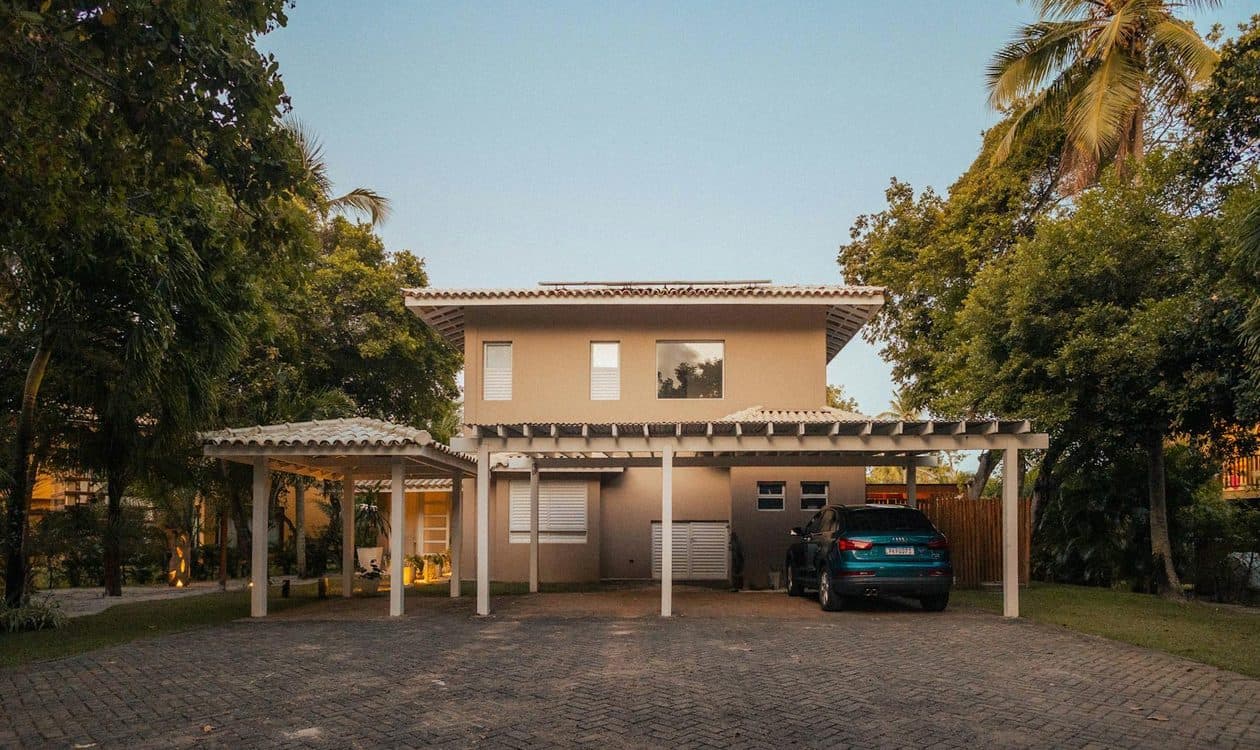
Radon Levels Chart: What Every Reading Means, From 0.4 to 20+ pCi/L
A radon levels chart from 0.4 to 20+ pCi/L. What each reading means, the EPA lifetime lung cancer risk at every level for smokers and never-smokers, the WHO reference level, and exactly what to do next at your number.
Read more about Radon Levels Chart: What Every Reading Means, From 0.4 to 20+ pCi/L →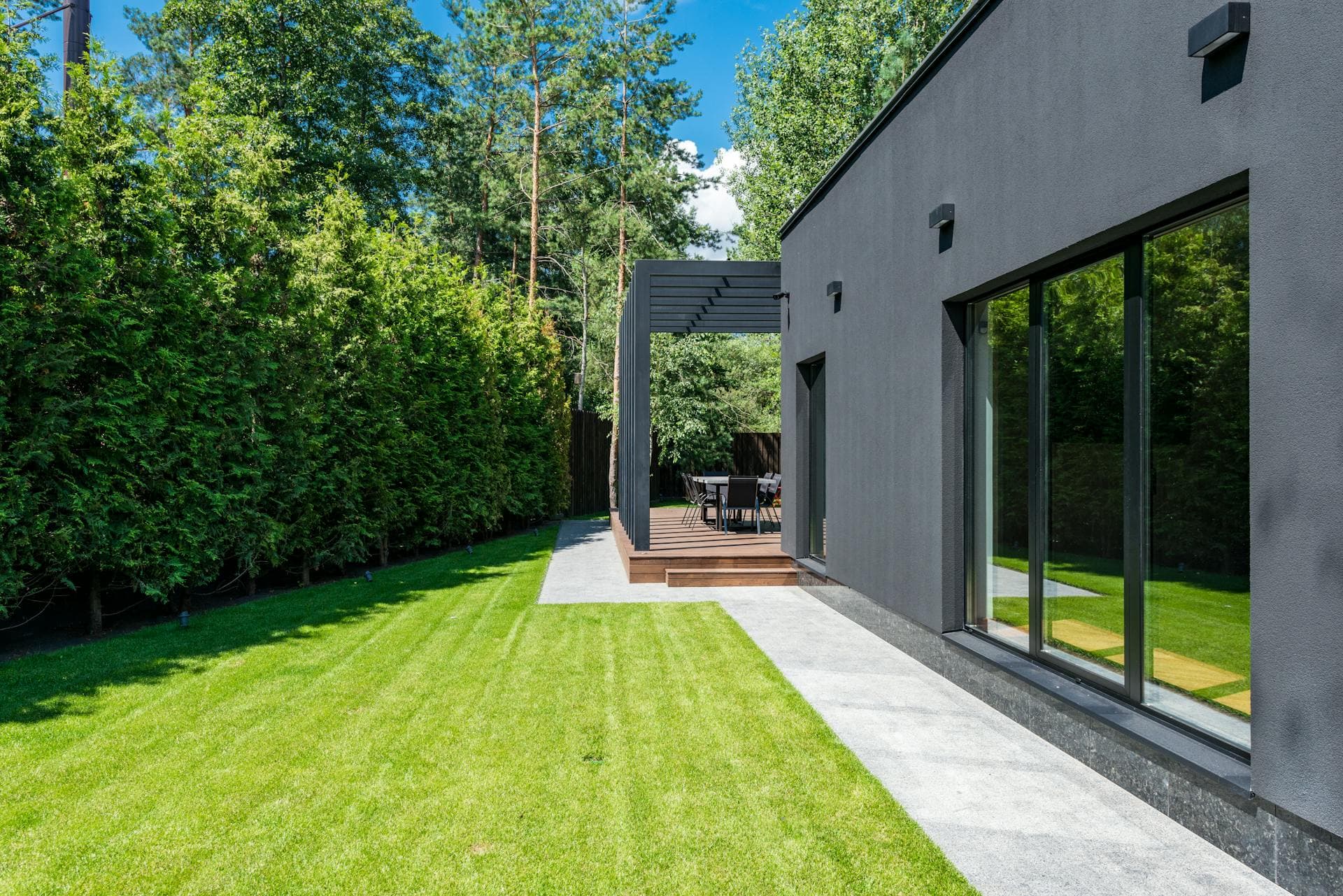
Radon in Holly Springs, Georgia: A Cherokee County Homeowner Guide
A local guide for Holly Springs and Cherokee County homeowners. Why north-Georgia granite geology produces elevated indoor radon in many homes, why every home should be tested regardless of zone, and how testing and mitigation work.
Read more about Radon in Holly Springs, Georgia: A Cherokee County Homeowner Guide →
Radon in Athens, Georgia: An Athens-Clarke County Homeowner Guide
A local guide for Athens and Athens-Clarke County homeowners, landlords, and renters. Why north-Georgia geology produces elevated indoor radon in many homes, why every home and rental should be tested regardless of zone, and how testing and mitigation work.
Read more about Radon in Athens, Georgia: An Athens-Clarke County Homeowner Guide →