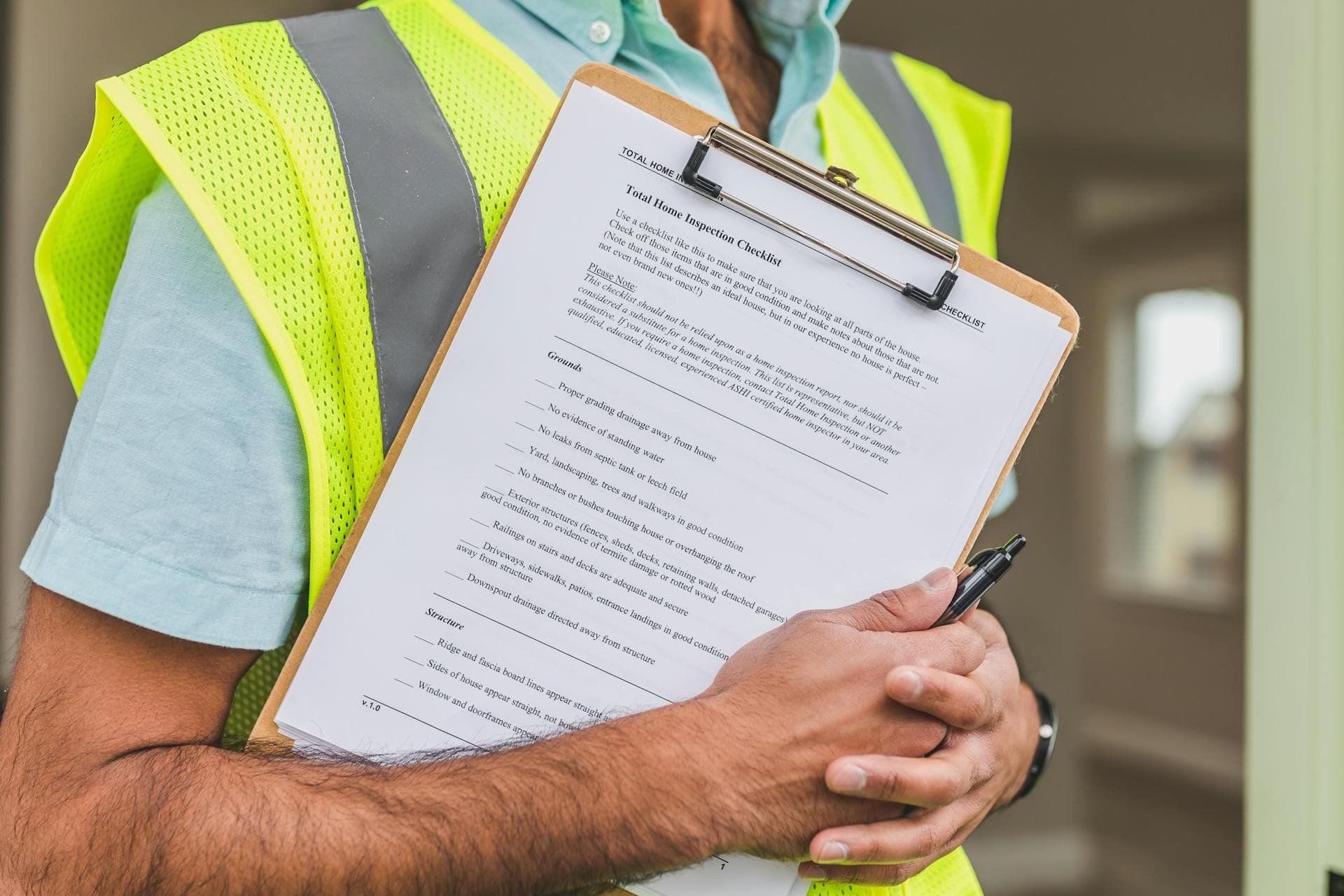
Radon Testing in Atlanta, GA
Professional Radon Testing by Experienced Technicians
Professional radon testing for homes and businesses throughout Metro Atlanta.
Why Radon Testing is Critical in Atlanta
Atlanta sits on granite bedrock that naturally produces radon gas. The EPA classifies our region as Zone 1, the highest risk category for radon exposure.
The Invisible Threat
Radon is a colorless, odorless radioactive gas that enters homes through foundation cracks, gaps around pipes, and other openings. It's the second leading cause of lung cancer in the United States, responsible for approximately 21,000 deaths annually. The only way to know your home's radon level is to test.
Radon Testing Methods
Short-Term Testing
48-hour to 7-day tests ideal for real estate transactions and initial screening.
Long-Term Testing
90+ day tests provide the most accurate annual average. Recommended after mitigation.
Continuous Monitoring
Electronic monitors that provide hourly readings. Commonly used for real estate transactions.
Testing Method Comparison
| Feature | Short-Term Test | Long-Term Test | Continuous Monitor |
|---|---|---|---|
| Duration | 2-7 days | 90+ days | 48+ hours |
| Best For | Initial screening | Annual average | Real estate transactions |
| Results Type | Average over period | Yearly average | Hourly readings |
| Tamper Detection | Limited | Limited | Yes |
| Accuracy | Good | Most accurate | Good |
Our Testing Process
Schedule
Call or book online. We'll find a time that works for your schedule.
Placement
Technician places monitors in the lowest livable level of your home.
Testing
Monitors collect data for minimum 48 hours under closed-home conditions.
Results
Receive detailed report with radon levels and recommended next steps.
Atlanta Radon Testing Service Areas
We provide professional radon testing throughout Metro Atlanta and surrounding areas:
Radon Testing FAQs
How much does radon testing cost in Atlanta?
Professional radon testing in Atlanta typically costs $125-200 for short-term testing. Contact us for current pricing.
How long does radon testing take?
Short-term tests require a minimum of 48 hours. For the most accurate results, keeping monitors in place for 4-7 days is recommended. Long-term tests run 90+ days for annual average readings.
Do I need to leave my home during testing?
No. You can stay in your home during testing. However, you'll need to maintain closed-home conditions: keep windows and exterior doors closed except for normal entry/exit.
When should I test for radon in Atlanta?
Test every 2 years, after major renovations, when buying or selling a home, or after radon mitigation. Winter testing often shows higher levels due to closed homes and temperature differentials.
Are DIY radon test kits accurate?
DIY kits can provide general guidance, but professional testing is often preferred for real estate transactions and may provide more consistent results.
What if my radon test shows high levels?
If your test shows levels at or above 4.0 pCi/L, the EPA recommends mitigation. We can discuss your results and mitigation options. Levels between 2-4 pCi/L may also warrant consideration.
Schedule Your Radon Test Today
Don't wait to find out if your home has elevated radon levels. Protect your family with professional testing.
Related Services & Information
Radon Mitigation Systems
Learn about mitigation systems if testing shows elevated levels
Radon Mitigation Cost
Understand pricing factors for radon mitigation
Real Estate Radon Testing
Testing services for home buyers and sellers
Radon Health Risks
Why radon testing matters for your health
Atlanta Radon Map
View radon zones in Metro Atlanta
High Radon Areas
Areas with elevated radon potential
Radon Safety Resources
Expert insights and guides to keep you informed
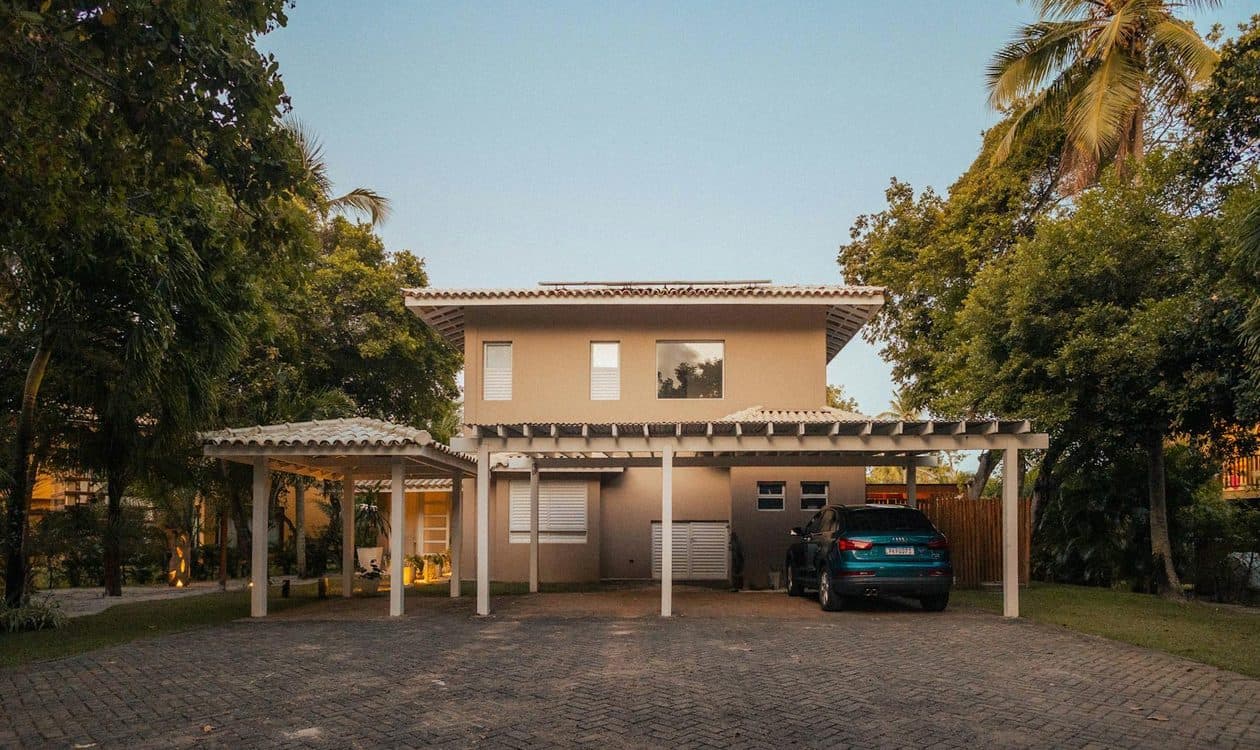
Radon Levels Chart: What Every Reading Means, From 0.4 to 20+ pCi/L
A radon levels chart from 0.4 to 20+ pCi/L. What each reading means, the EPA lifetime lung cancer risk at every level for smokers and never-smokers, the WHO reference level, and exactly what to do next at your number.
Read more about Radon Levels Chart: What Every Reading Means, From 0.4 to 20+ pCi/L →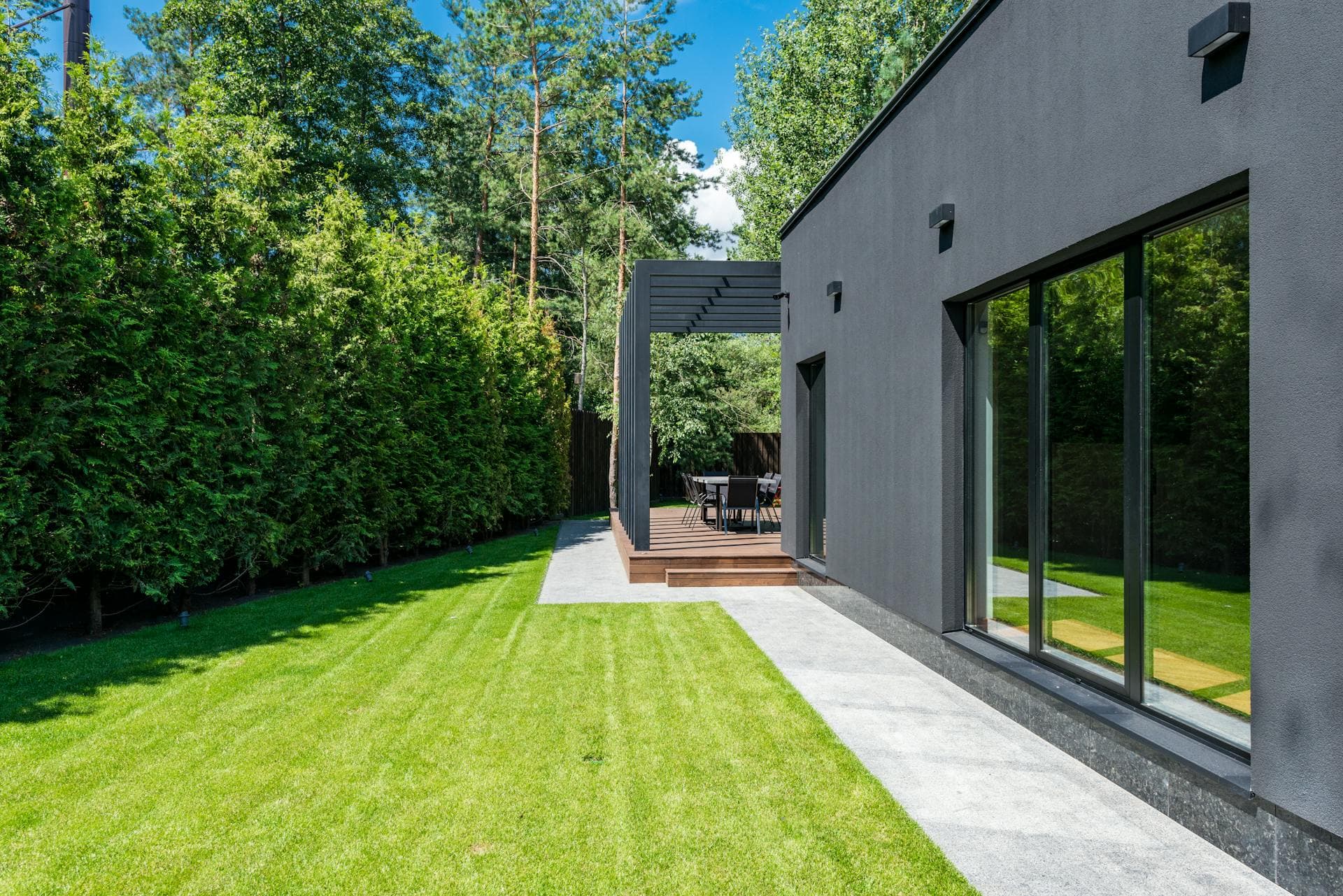
Radon in Holly Springs, Georgia: A Cherokee County Homeowner Guide
A local guide for Holly Springs and Cherokee County homeowners. Why north-Georgia granite geology produces elevated indoor radon in many homes, why every home should be tested regardless of zone, and how testing and mitigation work.
Read more about Radon in Holly Springs, Georgia: A Cherokee County Homeowner Guide →
Radon in Athens, Georgia: An Athens-Clarke County Homeowner Guide
A local guide for Athens and Athens-Clarke County homeowners, landlords, and renters. Why north-Georgia geology produces elevated indoor radon in many homes, why every home and rental should be tested regardless of zone, and how testing and mitigation work.
Read more about Radon in Athens, Georgia: An Athens-Clarke County Homeowner Guide →