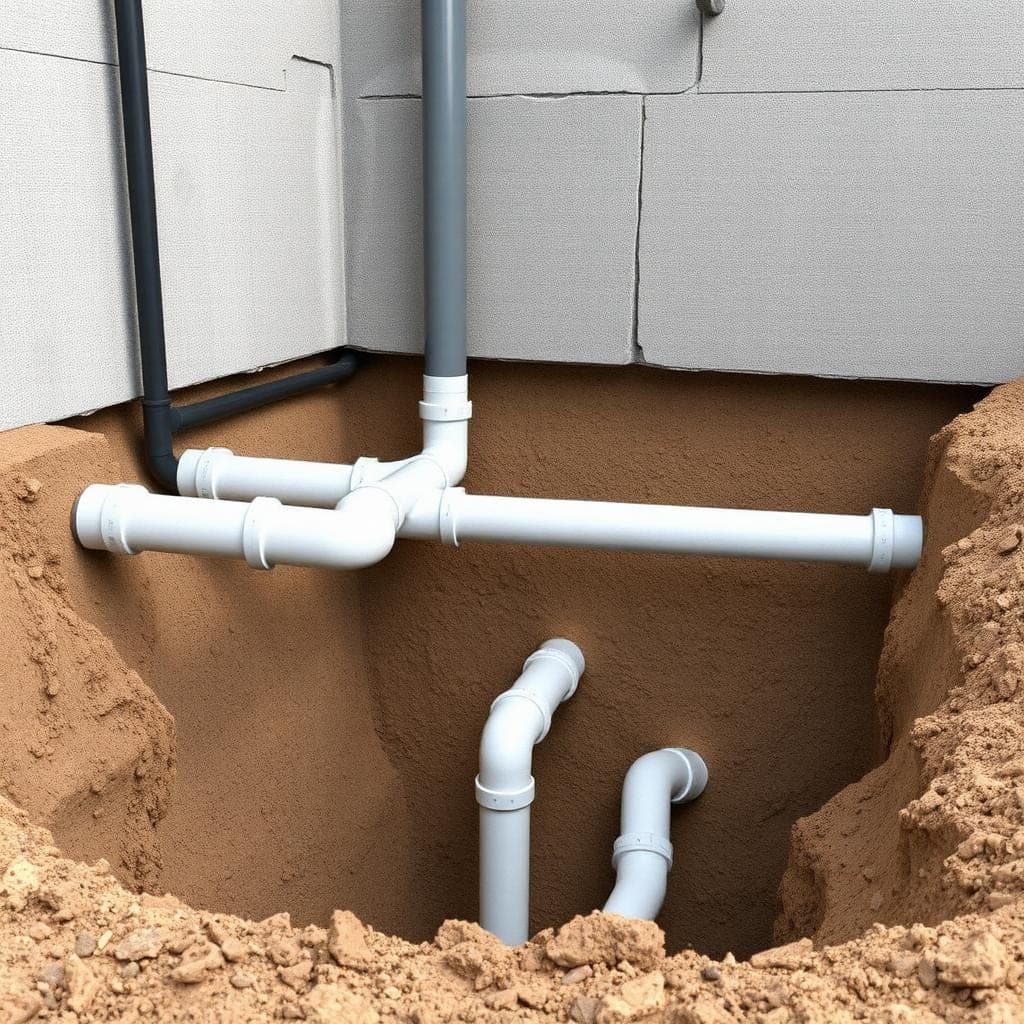
Radon Mitigation Systems in Atlanta
Professional System Installation & Repair
Custom-designed systems that can significantly reduce radon levels. Contact us for a quote.
How Radon Mitigation Systems Work
Radon mitigation systems use active soil depressurization to prevent radon from entering your home. By creating negative pressure beneath your foundation, radon gas is safely vented above your roofline before it can accumulate indoors.
Proven Results
A properly installed radon mitigation system can significantly reduce radon levels in your home.
Types of Radon Mitigation Systems
Sub-Slab Depressurization
The most common and effective system for homes with basements or slab foundations. A pipe extends through the floor into the gravel bed beneath, and a fan draws radon-laden air from under the foundation and vents it safely above the roofline.
Sub-Membrane Depressurization
Designed for crawl spaces. A heavy-duty polyethylene membrane is sealed over the dirt floor, and a fan system draws radon from beneath the membrane and vents it outside.
Block Wall Suction
Used in homes with hollow block foundation walls. Suction is applied to the interior of the block wall to remove radon before it enters living spaces.
Drain Tile Suction
If your home has a drain tile system around the foundation, we can connect to it to depressurize the soil and reduce radon entry points.
Mitigation System Comparison
| System Type | Foundation | Typical Cost | Installation |
|---|---|---|---|
| Sub-Slab Depressurization | Basement, Slab | $1,000 - $1,800 | 1 day |
| Sub-Membrane Depressurization | Crawl Space | $1,000 - $2,200 | 1 day |
| Block Wall Suction | Hollow Block | $1,200 - $2,000 | 1 day |
| Drain Tile Suction | With Drain Tiles | $1,000 - $1,600 | 1 day |
| Combination System | Mixed Foundations | $1,500 - $2,500 | 1-2 days |
*Costs are estimates. Contact us for a quote specific to your home.
What's Included in Your System
Radon Fan
Commercial-grade, energy-efficient fan rated for continuous operation. Typical lifespan 10-15 years.
PVC Piping
Schedule 40 PVC pipe, typically 3-4 inches diameter, routes radon from below foundation to above roofline.
Manometer
U-tube gauge that provides visual confirmation your system is operating correctly.
Suction Point
Strategic penetration through the slab or membrane where radon is collected.
Sealant & Caulk
Professional-grade sealants close foundation cracks and gaps to maximize system efficiency.
Electrical
Dedicated circuit with weather-rated outlet for the fan. All work meets code requirements.
Why Choose EraseRadon
Experienced
Radon mitigation professionals
Effective
Systems designed for your home
Efficient
Most installations completed same-day
Quality Work
Professional installation
Frequently Asked Questions
How does a radon mitigation system work?
Most systems use active soil depressurization. A fan creates negative pressure beneath your foundation, drawing radon-laden air through a pipe and venting it safely above your roofline. This prevents radon from entering your home.
How much does a radon mitigation system cost in Atlanta?
Most residential systems cost $1,000-2,500 depending on home size, foundation type, and system complexity. Contact us for a detailed quote.
How long does installation take?
Most residential installations are completed in a single day.
Will the system be visible?
We work to minimize visual impact. Interior pipes can often run through closets or utility areas. Exterior installations can be painted to match your home. The fan is typically located in the attic, garage, or exterior.
How much electricity does the system use?
Most radon fans use 50-100 watts, similar to a light bulb. Annual operating cost is typically $50-100 in electricity.
What maintenance does the system require?
Radon systems are low-maintenance. Check the manometer monthly to ensure the fan is running. Retesting every 2 years is recommended to verify continued effectiveness.
What about warranty?
Contact us to discuss warranty options for your specific installation.
Get a Quote for Your Home
Contact us to discuss mitigation options for your home.
Related Services & Information
Radon Testing
Test your home before mitigation
Mitigation Cost
Understand pricing for your foundation type
Basement Radon
Sub-slab systems for basements
Crawl Space Radon
Sub-membrane systems for crawl spaces
Slab Foundation
Systems for slab-on-grade homes
New Construction
RRNC systems for new homes
Radon Safety Resources
Expert insights and guides to keep you informed
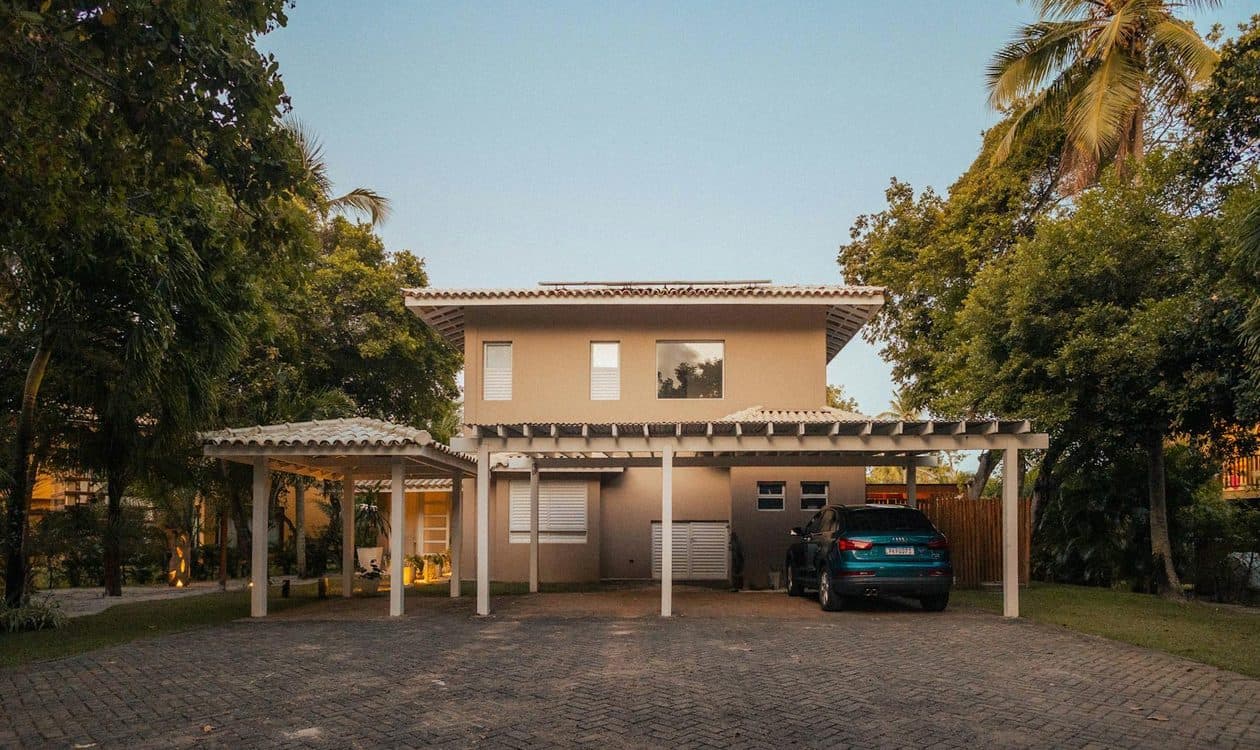
Radon Levels Chart: What Every Reading Means, From 0.4 to 20+ pCi/L
A radon levels chart from 0.4 to 20+ pCi/L. What each reading means, the EPA lifetime lung cancer risk at every level for smokers and never-smokers, the WHO reference level, and exactly what to do next at your number.
Read more about Radon Levels Chart: What Every Reading Means, From 0.4 to 20+ pCi/L →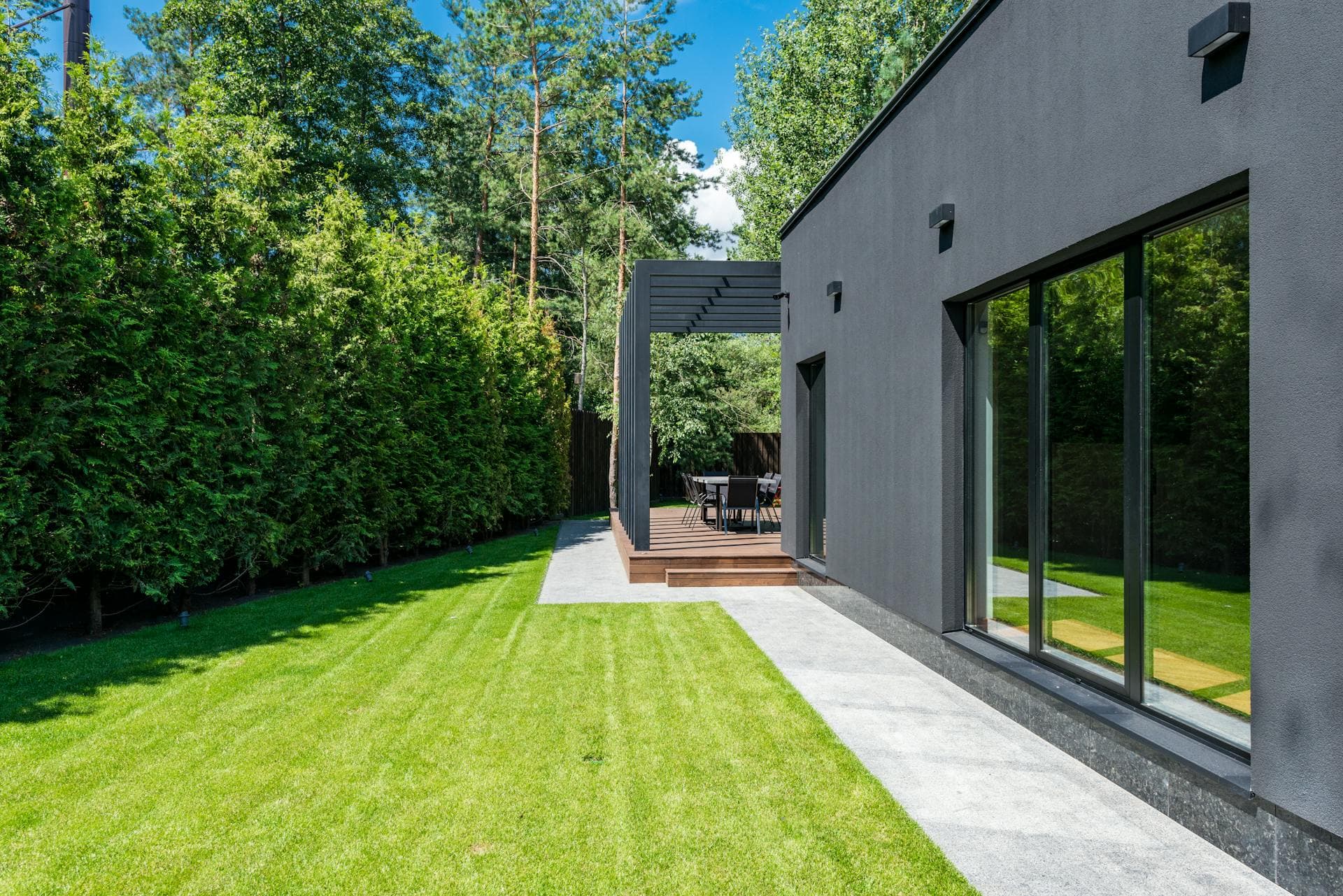
Radon in Holly Springs, Georgia: A Cherokee County Homeowner Guide
A local guide for Holly Springs and Cherokee County homeowners. Why north-Georgia granite geology produces elevated indoor radon in many homes, why every home should be tested regardless of zone, and how testing and mitigation work.
Read more about Radon in Holly Springs, Georgia: A Cherokee County Homeowner Guide →
Radon in Athens, Georgia: An Athens-Clarke County Homeowner Guide
A local guide for Athens and Athens-Clarke County homeowners, landlords, and renters. Why north-Georgia geology produces elevated indoor radon in many homes, why every home and rental should be tested regardless of zone, and how testing and mitigation work.
Read more about Radon in Athens, Georgia: An Athens-Clarke County Homeowner Guide →