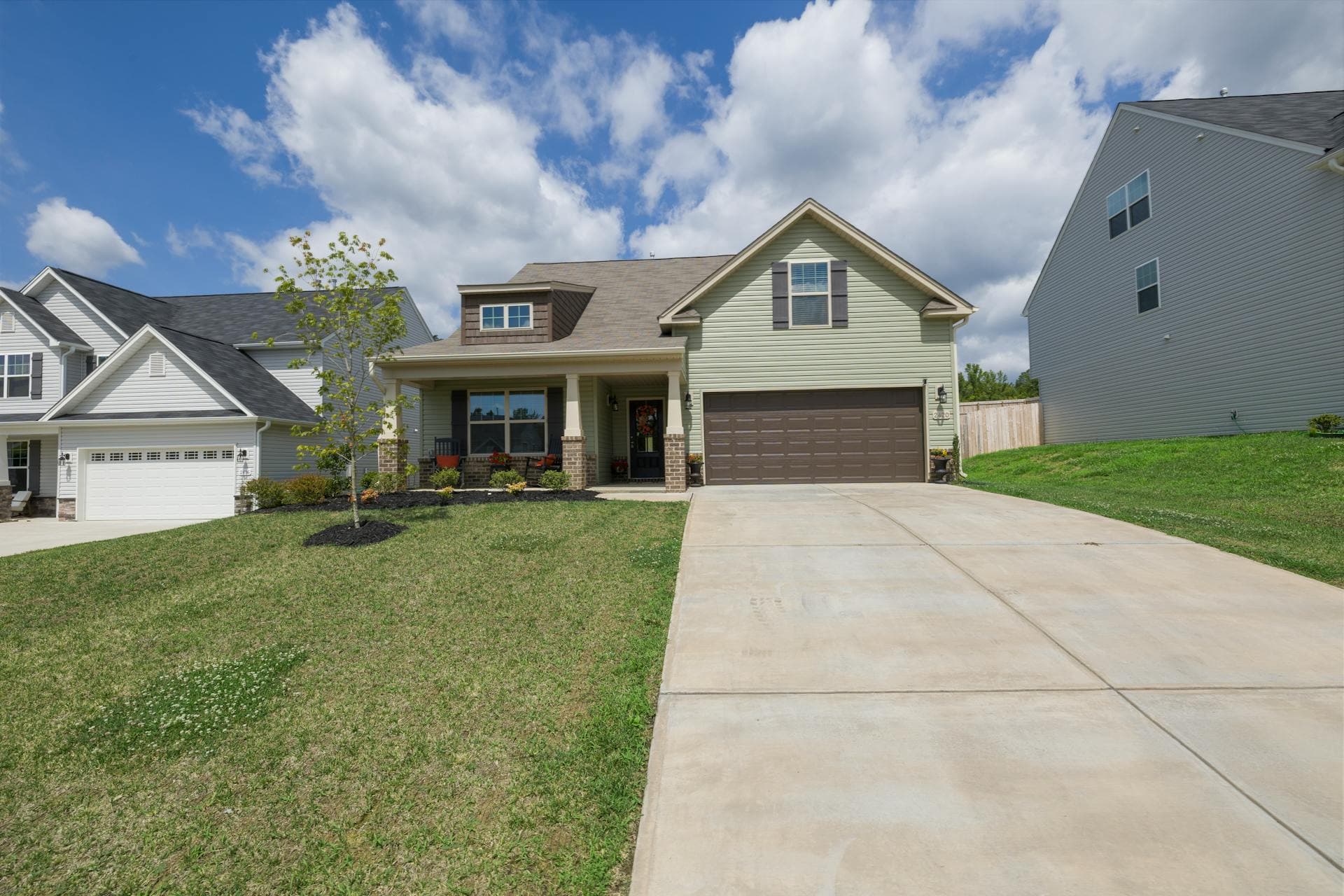
Slab Foundation Radon in Atlanta
Sub-Slab Depressurization for Concrete Slab Homes
Many Atlanta homes are built on slab foundations. Professional mitigation can help address radon entering through the concrete slab.
How Radon Enters Slab Foundations
Even solid concrete slabs have pathways where radon gas can enter your home.
Floor Cracks
Settlement and shrinkage cracks in concrete slabs provide pathways for radon to enter.
Expansion Joints
Gaps where the slab meets walls or around expansion joints can allow radon infiltration.
Pipe Penetrations
Openings around plumbing, electrical, and HVAC penetrations through the slab.
Porous Concrete
Concrete itself can be permeable enough for radon gas to pass through over time.
Sub-Slab Depressurization Process
Assessment
We evaluate your slab construction, identify potential entry points, and determine system placement.
Core Drilling
A hole is drilled through the concrete slab to access the gravel bed or soil beneath.
Suction Point
A suction pit is created beneath the slab and connected to PVC piping.
Fan & Venting
A radon fan creates negative pressure, venting radon above the roofline.
Slab vs. Other Foundation Types
| Feature | Slab Foundation | Crawl Space | Basement |
|---|---|---|---|
| Mitigation Method | Sub-Slab | Sub-Membrane | Sub-Slab |
| Typical Cost | $900 - $1,800 | $1,000 - $2,200 | $1,000 - $2,000 |
| Installation | Core drill + fan | Membrane + fan | Core drill + fan |
| Suction Points | 1-2 typical | 1-2 typical | 1-2 typical |
| Common In Atlanta | Very common | Common | Common |
Slab Foundation Radon FAQs
How does slab foundation radon mitigation work?
Sub-slab depressurization involves drilling through the concrete floor to create a suction point. A fan draws radon-laden air from beneath the slab and vents it safely above the roofline before it can enter your home.
Will drilling damage my slab foundation?
The core-drilled hole is typically 4-5 inches in diameter and is properly sealed around the pipe. This does not affect structural integrity of the slab.
How much does slab radon mitigation cost in Atlanta?
Slab foundation systems in Atlanta typically cost $900-1,800 depending on home layout and number of suction points needed. Contact us for a specific quote.
Where is the mitigation system visible?
A pipe runs from the suction point through a closet, garage, or exterior wall up to above the roofline. The fan can be located in the attic, garage, or exterior.
Do newer slab homes have less radon?
Building age doesn't determine radon levels. Newer homes may have radon-resistant features, but these should still be tested to verify effectiveness.
How long does installation take?
Most slab foundation systems are installed in a single day.
Address Slab Foundation Radon
Contact us to discuss radon testing and mitigation for your slab foundation home.
Related Topics
Mitigation Systems
Overview of all mitigation system types
Mitigation Cost
Slab systems typically $900-$1,800 installed
Basement Radon
Sub-slab systems for basement foundations
Crawl Space Radon
Sub-membrane systems for crawl spaces
Radon Testing
Test before and after mitigation installation
New Construction
RRNC features for new slab homes
Radon Safety Resources
Expert insights and guides to keep you informed
Radon Levels Chart: What Every Reading Means, From 0.4 to 20+ pCi/L
A radon levels chart from 0.4 to 20+ pCi/L. What each reading means, the EPA lifetime lung cancer risk at every level for smokers and never-smokers, the WHO reference level, and exactly what to do next at your number.
Read more about Radon Levels Chart: What Every Reading Means, From 0.4 to 20+ pCi/L →
Radon in Holly Springs, Georgia: A Cherokee County Homeowner Guide
A local guide for Holly Springs and Cherokee County homeowners. Why north-Georgia granite geology produces elevated indoor radon in many homes, why every home should be tested regardless of zone, and how testing and mitigation work.
Read more about Radon in Holly Springs, Georgia: A Cherokee County Homeowner Guide →
Radon in Athens, Georgia: An Athens-Clarke County Homeowner Guide
A local guide for Athens and Athens-Clarke County homeowners, landlords, and renters. Why north-Georgia geology produces elevated indoor radon in many homes, why every home and rental should be tested regardless of zone, and how testing and mitigation work.
Read more about Radon in Athens, Georgia: An Athens-Clarke County Homeowner Guide →