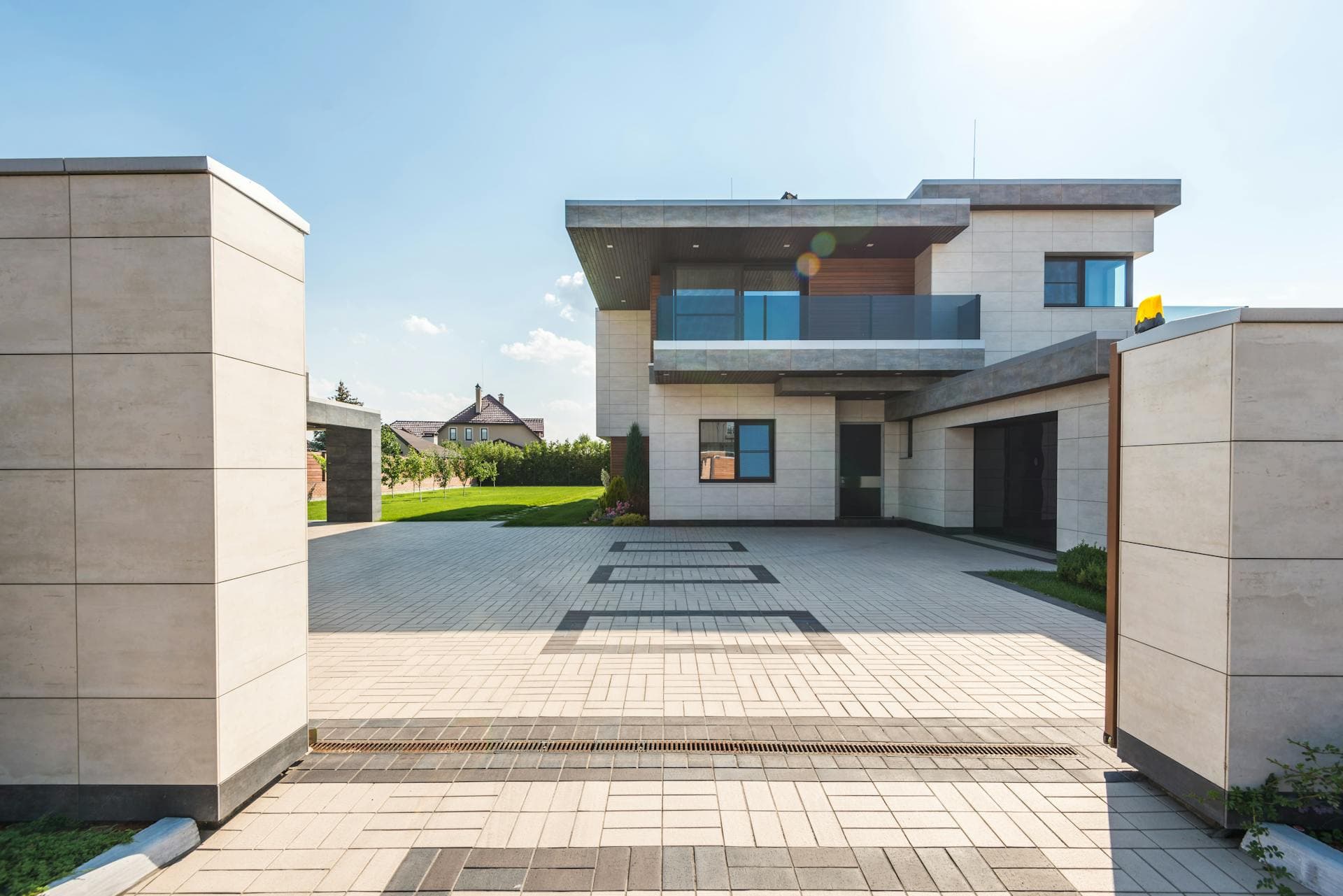
New Construction Radon in Atlanta
Testing & Radon-Resistant Construction
New homes can have elevated radon too. Testing verifies your new home's radon levels.
Why Test New Homes for Radon
Radon-Resistant New Construction (RRNC)
Some builders include radon-resistant features in new construction. These components make it easier to address radon if testing shows elevated levels.
Gas-Permeable Layer
A layer of gravel beneath the foundation slab allows soil gases to move freely.
Plastic Sheeting
Polyethylene sheeting over the gravel layer helps prevent radon from entering through the slab.
Vent Pipe
A PVC pipe runs from below the slab through the house and exits above the roofline.
Sealing
Cracks and openings in the foundation are sealed to reduce radon entry points.
Junction Box
Electrical rough-in for a fan, if active depressurization is needed later.
RRNC vs. Retrofit Mitigation
| Feature | RRNC (New Construction) | Retrofit (Existing Home) |
|---|---|---|
| Installation Timing | During construction | After construction |
| Cost to Prepare | $500 - $1,000 | N/A (not applicable) |
| Cost to Activate | $300 - $500 (fan only) | $1,000 - $2,200 |
| Disruption | None (built-in) | Core drilling required |
| Pipe Routing | Hidden in walls | May be visible |
*Both approaches are effective when properly installed. RRNC is typically more cost-effective if included during construction.
New Construction Radon FAQs
Do new homes in Atlanta have radon problems?
Yes. Radon levels are determined by local geology, not building age. Many new homes in Metro Atlanta have elevated radon. The only way to know is to test.
What is radon-resistant new construction (RRNC)?
RRNC includes features like gravel under the slab, plastic sheeting, a vent pipe, and sealed penetrations. These features make it easier to reduce radon if testing shows elevated levels.
Should I test a new home with RRNC features?
Yes. RRNC features are designed to make mitigation easier if needed, but testing is still necessary to verify actual radon levels. Passive systems can be activated with a fan if levels are elevated.
When should new construction be tested for radon?
Testing should occur after the home is completed and the HVAC system is operating normally. This typically means testing after closing or during the final stages of construction.
Does Georgia require RRNC in new homes?
Georgia does not currently mandate RRNC in new residential construction. Some builders include these features, and some homebuyers request them. Check with your builder about available options.
Can a passive RRNC system be upgraded?
Yes. If testing shows elevated levels, a passive RRNC system can typically be activated by adding a fan to the existing vent pipe. This is often simpler and less expensive than retrofitting an older home.
Test Your New Home
Contact us to discuss radon testing for your new construction home.
Related Topics
Radon Testing
Professional testing to verify your new home's radon levels
Mitigation Systems
Active systems to reduce elevated radon if needed
Mitigation Cost
Compare RRNC activation vs retrofit pricing
Slab Foundation
Sub-slab systems for new construction on slabs
Basement Radon
Radon solutions for homes with basements
Radon Safety Resources
Expert insights and guides to keep you informed
Radon Levels Chart: What Every Reading Means, From 0.4 to 20+ pCi/L
A radon levels chart from 0.4 to 20+ pCi/L. What each reading means, the EPA lifetime lung cancer risk at every level for smokers and never-smokers, the WHO reference level, and exactly what to do next at your number.
Read more about Radon Levels Chart: What Every Reading Means, From 0.4 to 20+ pCi/L →
Radon in Holly Springs, Georgia: A Cherokee County Homeowner Guide
A local guide for Holly Springs and Cherokee County homeowners. Why north-Georgia granite geology produces elevated indoor radon in many homes, why every home should be tested regardless of zone, and how testing and mitigation work.
Read more about Radon in Holly Springs, Georgia: A Cherokee County Homeowner Guide →
Radon in Athens, Georgia: An Athens-Clarke County Homeowner Guide
A local guide for Athens and Athens-Clarke County homeowners, landlords, and renters. Why north-Georgia geology produces elevated indoor radon in many homes, why every home and rental should be tested regardless of zone, and how testing and mitigation work.
Read more about Radon in Athens, Georgia: An Athens-Clarke County Homeowner Guide →