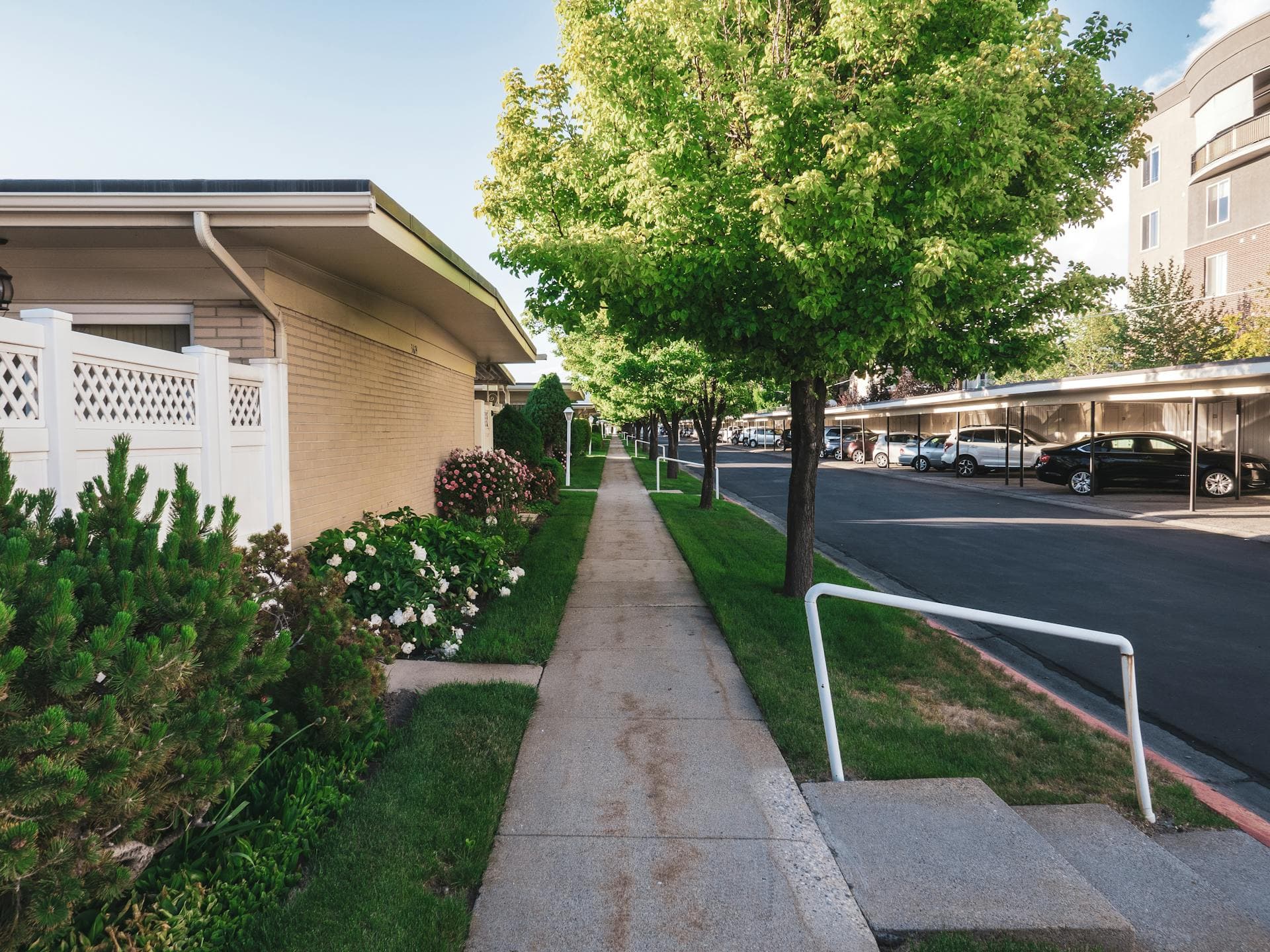
High Radon Areas in Atlanta
Understanding Elevated Radon Potential
Metro Atlanta's granite geology creates conditions for elevated radon. Learn about risk factors and why testing matters.
Why Some Areas Have Higher Radon
Granite Bedrock
Areas with granite and other crystalline rocks tend to have higher radon potential due to uranium content.
Piedmont Province
Metro Atlanta sits in the Piedmont geological province, known for elevated radon potential.
Hilly Terrain
Areas with varied topography and exposed rock can have variable radon levels.
Older Soil Deposits
Certain soil types derived from granite parent material may have higher radon emanation.
Metro Atlanta Area Considerations
Key Point
Area classifications provide general guidance but cannot predict individual home radon levels. Every home should be tested regardless of perceived risk level. Radon testing is the only way to know your home's actual levels.
High Radon Areas FAQs
Which Atlanta areas have the highest radon?
Radon potential tends to be elevated throughout Metro Atlanta due to underlying granite geology. However, individual home levels vary significantly, a home in a 'high-risk' area might test low while a home in a 'lower-risk' area tests high. Testing is essential regardless of location.
Do all homes in high radon areas have high levels?
No. Even in areas with elevated radon potential, many homes test below EPA action levels. Factors like foundation type, construction, and local soil conditions significantly affect radon entry. The only way to know is to test.
Should I avoid buying a home in a high radon area?
High radon potential shouldn't deter home purchases. Radon is manageable through mitigation. Test any home you're considering, and if levels are elevated, factor mitigation costs into negotiations or plans.
Why does North Georgia have high radon?
North Georgia sits on the Piedmont and Blue Ridge geological provinces, characterized by granite and metamorphic rocks containing uranium. As uranium decays, radon gas is produced and can enter homes through foundations.
Are newer neighborhoods in high radon areas safer?
Building age doesn't determine radon levels, geology does. New homes in high radon areas can have elevated levels just like older homes. Some newer homes have radon-resistant features, but testing is still recommended.
Can radon levels vary within a neighborhood?
Yes. Two homes on the same street can have very different radon levels. Factors include foundation type, soil porosity, cracks and openings, and pressure differentials. Neighborhood averages don't predict individual home levels.
Related Topics
Radon Map
View detailed EPA zone maps for Metro Atlanta counties.
Radon Levels
Understand what radon levels mean for your home.
Granite Geology
The geological factors that create high radon areas.
Radon Testing
Testing is essential to know your home's actual radon level.
Health Risks
Why high radon areas require attention to health risks.
Radon Safety Resources
Expert insights and guides to keep you informed
Radon Levels Chart: What Every Reading Means, From 0.4 to 20+ pCi/L
A radon levels chart from 0.4 to 20+ pCi/L. What each reading means, the EPA lifetime lung cancer risk at every level for smokers and never-smokers, the WHO reference level, and exactly what to do next at your number.
Read more about Radon Levels Chart: What Every Reading Means, From 0.4 to 20+ pCi/L →
Radon in Holly Springs, Georgia: A Cherokee County Homeowner Guide
A local guide for Holly Springs and Cherokee County homeowners. Why north-Georgia granite geology produces elevated indoor radon in many homes, why every home should be tested regardless of zone, and how testing and mitigation work.
Read more about Radon in Holly Springs, Georgia: A Cherokee County Homeowner Guide →
Radon in Athens, Georgia: An Athens-Clarke County Homeowner Guide
A local guide for Athens and Athens-Clarke County homeowners, landlords, and renters. Why north-Georgia geology produces elevated indoor radon in many homes, why every home and rental should be tested regardless of zone, and how testing and mitigation work.
Read more about Radon in Athens, Georgia: An Athens-Clarke County Homeowner Guide →