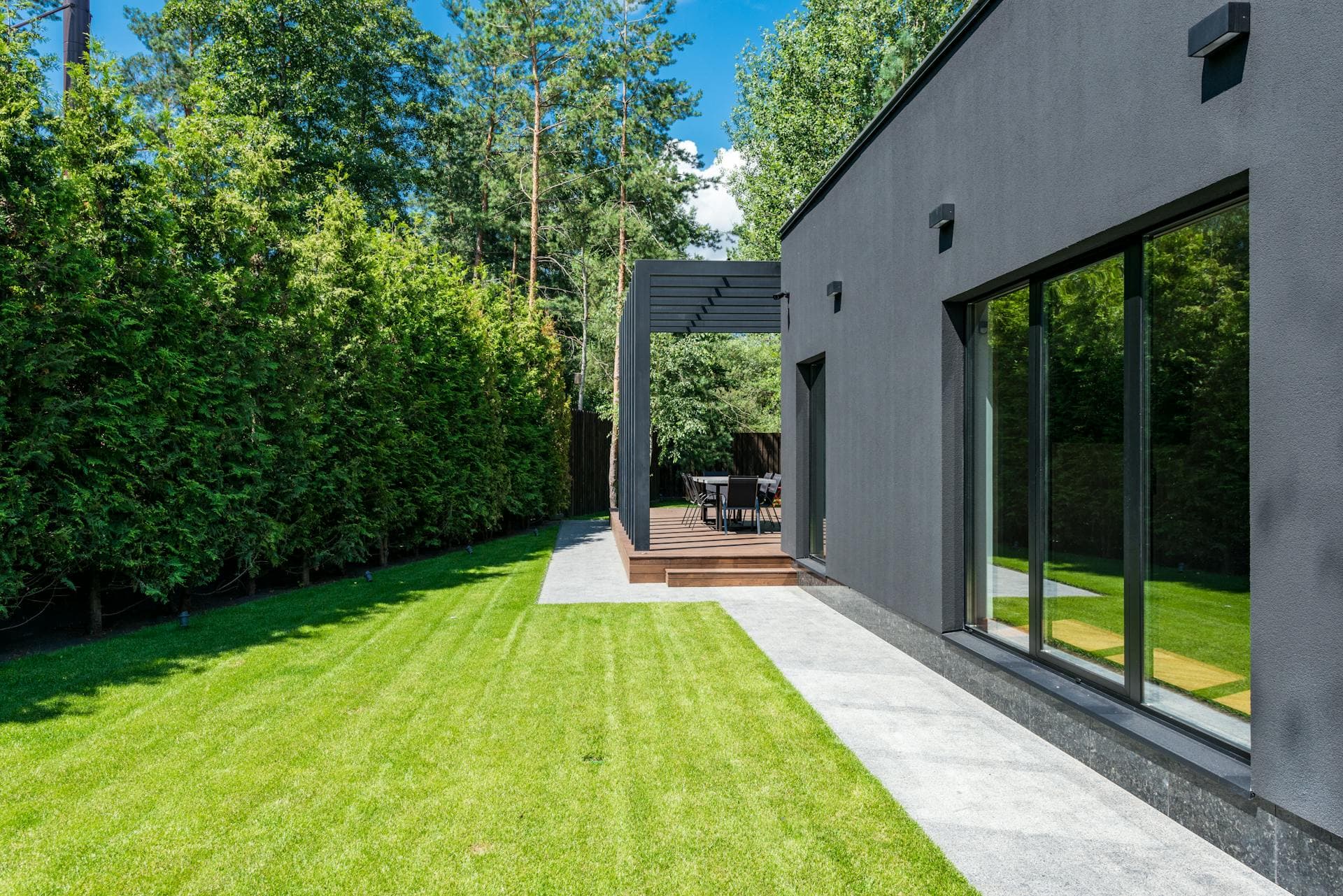
Townhome Radon Testing in Atlanta
Testing & Mitigation for Attached Homes
Townhomes can have elevated radon levels. Learn about testing and mitigation options for your townhome.
Radon in Townhomes: Special Considerations
Slab Foundations Common
Many Atlanta townhomes are built on slab foundations, which can allow radon entry through cracks and penetrations.
Shared Walls
Townhomes share walls with neighbors. Mitigation systems must be designed for your specific unit without affecting adjacent units.
Lower Levels at Risk
Ground-level living spaces and any basement or below-grade areas have the highest potential for radon entry.
Varied Construction
Townhome construction varies, some have basements or crawl spaces, others are slab-on-grade. Foundation type affects mitigation approach.
Testing Recommendations
Foundation Matters
Your townhome's foundation type (slab, basement, or crawl space) affects both radon entry potential and mitigation approach. Contact us to discuss the best testing and mitigation strategy for your specific townhome.
Townhome Radon FAQs
Do townhomes have radon problems?
Townhomes can have elevated radon levels just like single-family homes. The potential for radon depends on foundation type, local geology, and construction, not whether a home is attached or detached.
Is radon testing different for townhomes?
Testing is similar to single-family homes. Place the test in the lowest occupied level for at least 48 hours under closed-home conditions. Test your unit specifically, as levels can vary between adjacent townhomes.
Can radon travel between townhome units?
Radon can potentially migrate through shared foundation elements, though each unit typically has its own soil gas dynamics. If one unit has elevated radon, neighboring units may also want to test, but levels can vary significantly.
How is townhome radon mitigation done?
Mitigation approaches depend on foundation type. Sub-slab depressurization is common for slab foundations. Systems are designed for your specific unit and shouldn't require access to neighbor's units, though pipe routing may need HOA approval.
Do I need HOA approval for mitigation?
Many townhome HOAs have guidelines about exterior modifications. Pipe routing and fan placement may require approval. Interior-routed systems with attic fans may have fewer restrictions. Check your HOA guidelines.
Will my neighbor's mitigation system help my unit?
Typically not. Each townhome unit usually needs its own assessment and, if needed, its own mitigation system. Soil conditions and foundation characteristics beneath each unit can differ.
Test Your Townhome
Contact us to discuss radon testing for your townhome.
Related Topics
Condo Radon
Radon considerations for condo owners in multi-unit buildings.
Radon Testing
Testing services tailored for townhome properties.
Mitigation Systems
Mitigation approaches designed for attached homes.
Health Risks
Understand why radon testing is important for your family.
Mitigation Cost
What to expect for townhome radon mitigation pricing.
Radon Safety Resources
Expert insights and guides to keep you informed
Radon Levels Chart: What Every Reading Means, From 0.4 to 20+ pCi/L
A radon levels chart from 0.4 to 20+ pCi/L. What each reading means, the EPA lifetime lung cancer risk at every level for smokers and never-smokers, the WHO reference level, and exactly what to do next at your number.
Read more about Radon Levels Chart: What Every Reading Means, From 0.4 to 20+ pCi/L →
Radon in Holly Springs, Georgia: A Cherokee County Homeowner Guide
A local guide for Holly Springs and Cherokee County homeowners. Why north-Georgia granite geology produces elevated indoor radon in many homes, why every home should be tested regardless of zone, and how testing and mitigation work.
Read more about Radon in Holly Springs, Georgia: A Cherokee County Homeowner Guide →
Radon in Athens, Georgia: An Athens-Clarke County Homeowner Guide
A local guide for Athens and Athens-Clarke County homeowners, landlords, and renters. Why north-Georgia geology produces elevated indoor radon in many homes, why every home and rental should be tested regardless of zone, and how testing and mitigation work.
Read more about Radon in Athens, Georgia: An Athens-Clarke County Homeowner Guide →