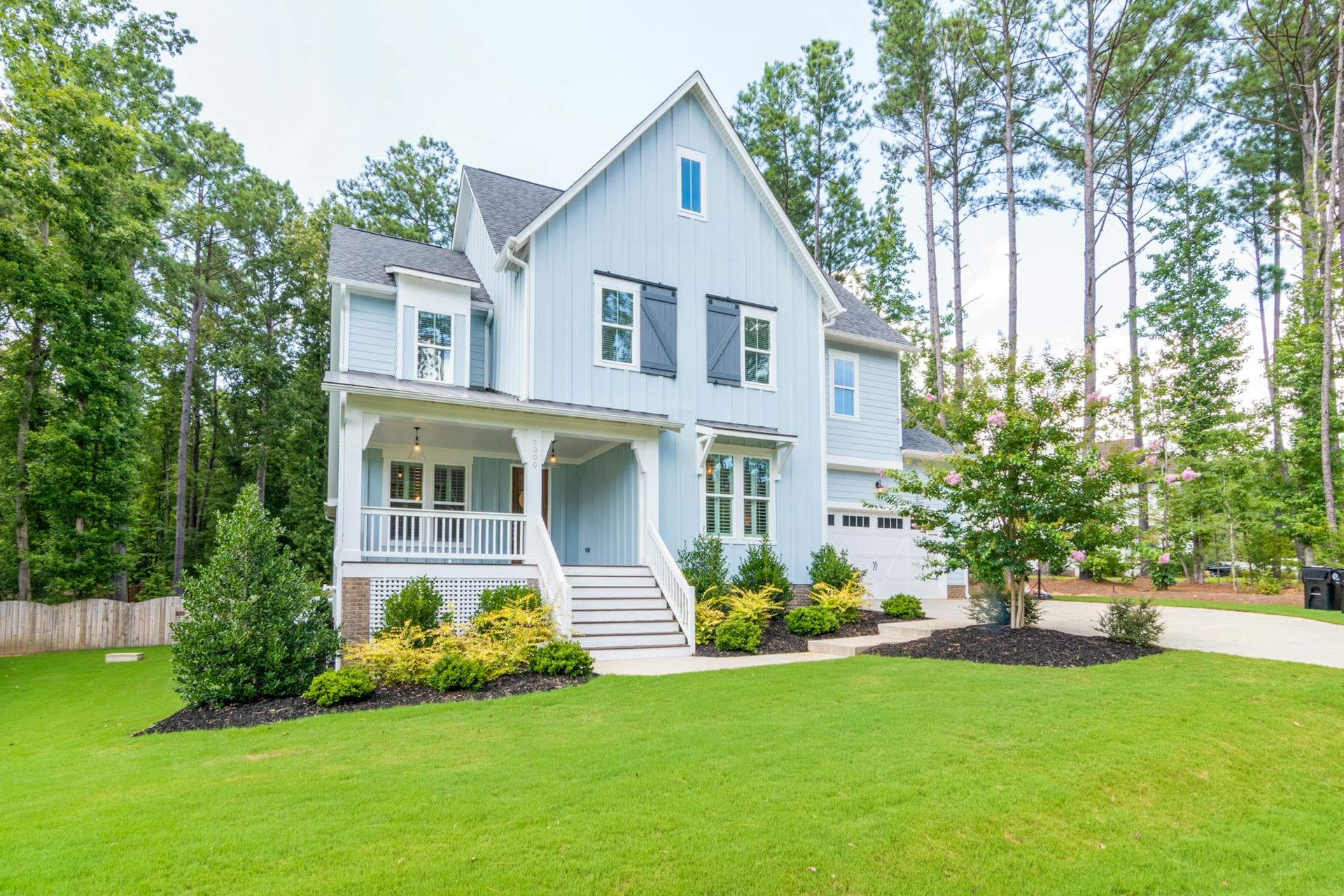
Historic Home Radon in Atlanta
Testing & Preservation-Sensitive Mitigation
Atlanta's historic homes can have elevated radon. Learn about testing and mitigation approaches that respect your home's character.
Historic Home Considerations
Older Foundations
Historic homes often have stone, brick, or poured concrete foundations with more potential entry points than modern construction.
Basements & Cellars
Many older Atlanta homes have basements or root cellars that may not be air-sealed, allowing radon entry.
Preservation Concerns
Mitigation systems can be designed to minimize visual impact and preserve the character of historic homes.
Unique Construction
Historic homes vary widely in construction methods. Each home requires individual assessment for the best mitigation approach.
Atlanta Historic Neighborhoods
These Atlanta neighborhoods feature many historic homes that may benefit from radon testing:
Preservation-Sensitive Mitigation
Interior Routing
Pipes can often be routed through closets, utility areas, or other discrete locations to minimize visibility.
Exterior Placement
When interior routing isn't feasible, exterior pipes can be painted to match the home and placed in less visible locations.
Attic Fan Location
Placing the fan in the attic reduces exterior equipment and noise concerns.
Multiple Small Points
Some historic foundations benefit from multiple smaller suction points rather than one large installation.
Historic Home Radon FAQs
Do historic homes have more radon problems?
Building age doesn't directly determine radon levels, geology does. However, older homes may have more foundation cracks, unsealed penetrations, and basement areas that can allow radon entry. Testing is the only way to know your home's levels.
Will radon mitigation damage my historic home?
Properly designed mitigation systems minimize impact on historic homes. Approaches can include discrete interior pipe routing, careful exterior placement, and attention to preservation concerns. Discuss your priorities during the assessment.
Are homes in historic districts exempt from radon testing?
No. Historic district designation doesn't affect radon levels or the need for testing. If anything, the preservation of older construction methods may mean more potential radon entry points.
How much does historic home radon mitigation cost?
Costs for historic homes are similar to other homes but may be affected by accessibility, routing complexity, and any special preservation requirements. Contact us for a quote specific to your home.
Can I install mitigation if my home is on the historic register?
Yes. Radon mitigation is generally allowed for historic properties, though you may need to work with your local historic preservation office on exterior modifications. Interior systems typically have no restrictions.
Do stone foundation homes have higher radon?
Stone foundations may have more gaps and openings than modern poured concrete, potentially allowing more radon entry. However, individual home testing is necessary, some stone foundation homes test low while some modern homes test high.
Test Your Historic Home
Contact us to discuss radon testing and preservation-sensitive mitigation for your historic home.
Related Topics
Basement Radon
Many historic homes have basements that may need radon mitigation.
Crawl Space Radon
Solutions for historic homes with crawl space foundations.
Radon Testing
Professional testing for older and historic properties.
Mitigation Systems
Preservation-sensitive mitigation options for historic homes.
Mitigation Cost
Understanding costs for historic home radon mitigation.
Radon Safety Resources
Expert insights and guides to keep you informed
Radon Levels Chart: What Every Reading Means, From 0.4 to 20+ pCi/L
A radon levels chart from 0.4 to 20+ pCi/L. What each reading means, the EPA lifetime lung cancer risk at every level for smokers and never-smokers, the WHO reference level, and exactly what to do next at your number.
Read more about Radon Levels Chart: What Every Reading Means, From 0.4 to 20+ pCi/L →
Radon in Holly Springs, Georgia: A Cherokee County Homeowner Guide
A local guide for Holly Springs and Cherokee County homeowners. Why north-Georgia granite geology produces elevated indoor radon in many homes, why every home should be tested regardless of zone, and how testing and mitigation work.
Read more about Radon in Holly Springs, Georgia: A Cherokee County Homeowner Guide →
Radon in Athens, Georgia: An Athens-Clarke County Homeowner Guide
A local guide for Athens and Athens-Clarke County homeowners, landlords, and renters. Why north-Georgia geology produces elevated indoor radon in many homes, why every home and rental should be tested regardless of zone, and how testing and mitigation work.
Read more about Radon in Athens, Georgia: An Athens-Clarke County Homeowner Guide →