Most parents research a daycare's safety record, staff credentials, and cleanliness. But there is one hazard that goes completely unnoticed without specialized testing: radon gas. This invisible, odorless radioactive gas seeps into buildings from the ground and can accumulate to dangerous levels in any structure, including the childcare facility where your child spends the majority of their waking hours.
In Georgia, where significant portions of the state sit in EPA Zone 1 and Zone 2 radon risk areas, testing childcare facilities is not just a precaution. It is a necessary step to protect the most vulnerable members of our communities. Learn more about protecting children from radon.
1. Why Children Face Higher Radon Risk
Children are not simply small adults where radiation exposure is concerned. Several biological factors make them significantly more susceptible to the harmful effects of radon gas.
Higher Breathing Rate
Children breathe roughly twice as fast as adults relative to their body size. This means they inhale more radon decay products per pound of body weight than an adult in the same room.
Rapidly Dividing Cells
Growing children have cells that divide at a much faster rate. Radiation damage to a rapidly dividing cell is more likely to cause mutations that could eventually lead to cancer.
Closer to the Floor
Radon is denser than air and concentrates closer to ground level. Toddlers and infants who crawl, play on the floor, and nap on mats are exposed to higher concentrations than standing adults.
Longer Lifetime Exposure
A child exposed to radon at age two has decades more potential exposure ahead compared to an adult. Early exposure creates a longer window for radiation damage to develop into disease. For school-specific guidance, see radon in Georgia schools and daycares.
2. Georgia Daycare Regulations and Radon
Georgia's Bright from the Start agency regulates childcare facilities across the state, covering everything from staff ratios to building safety. However, radon testing is not currently among the mandatory requirements for childcare licensing.
The Regulatory Gap
While Georgia requires fire safety inspections, background checks, and health department reviews for daycares, there is no requirement to test for radon. This means thousands of childcare facilities in high-risk radon zones have never been evaluated for this known carcinogen.
The EPA has recommended since 1993 that all schools and daycare facilities in Zone 1 and Zone 2 areas be tested for radon. In Georgia, this includes most of the northern half of the state, spanning from the mountains through Metro Atlanta and into the Piedmont region.
- EPA Zone 1 Counties: Cherokee, Forsyth, Gwinnett, Hall, Lumpkin, and many north Georgia counties have predicted average levels above 4.0 pCi/L.
- EPA Zone 2 Counties: Fulton, DeKalb, Cobb, and other Metro Atlanta counties have predicted averages between 2.0 and 4.0 pCi/L.
- Voluntary Testing: Several states now require or strongly encourage radon testing in childcare settings. Georgia has not yet joined them, making voluntary testing by operators even more important. Our commercial building radon assessment covers daycare facilities.
3. How to Test a Daycare for Radon
Testing a daycare facility follows similar principles to residential testing, with a few important differences related to the building's size and layout.
Identify All Ground-Level Rooms
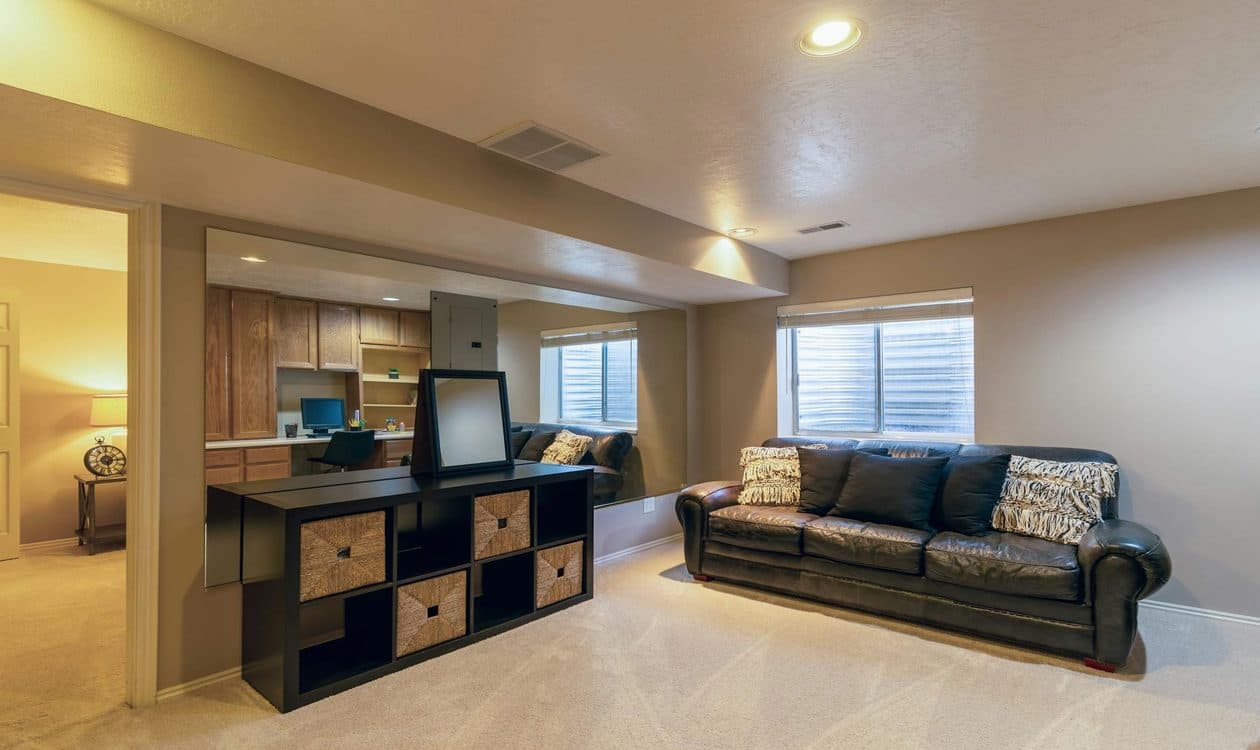
Every room on the ground floor or basement level that children occupy needs its own test device. This includes classrooms, nap rooms, play areas, and any below-grade spaces.
Use Professional Testing Equipment
For childcare facilities, professional continuous radon monitors provide the most reliable results. These devices record hourly readings and can detect tampering or unusual conditions.
Test During Normal Operating Conditions
The test should capture the building's radon levels while the HVAC system operates as it normally would during childcare hours. Testing over a weekend alone may not reflect actual exposure conditions.
Minimum 48-Hour Test Duration
Short-term tests should run for at least 48 hours. For the most accurate picture, a 90-day long-term test provides a true average that accounts for daily and seasonal fluctuations.
4. Interpreting Test Results for Childcare Settings
While the EPA's action level of 4.0 pCi/L applies to all indoor environments, many pediatric health experts recommend a lower threshold for spaces where young children spend significant time.
Radon Level Guidelines for Childcare Facilities
- Below 2.0 pCi/L: Low risk. Continue monitoring with re-testing every 2 to 5 years.
- 2.0 to 3.9 pCi/L: Consider mitigation, especially for infant and toddler rooms. The EPA recommends considering action at this range.
- 4.0 to 7.9 pCi/L: Mitigation strongly recommended. Take action within a few months.
- 8.0 pCi/L and above: Immediate action needed. Consider temporary measures like increased ventilation while a mitigation system is installed.
5. Mitigation Options for Daycare Facilities
Radon mitigation in commercial childcare buildings works on the same principles as residential mitigation, though the scale and approach may differ based on building size and foundation type.
Sub-Slab Depressurization
The most common and effective method. A pipe inserted through the slab connects to a fan that pulls radon from beneath the building and vents it safely above the roofline. Larger buildings may need multiple suction points.
Building Pressurization
Adjusting the HVAC system to maintain slight positive pressure inside the building prevents radon from being drawn in through the foundation. This approach works well in commercial settings with centralized air handling.
Professional radon mitigation typically reduces levels by 95% or more. A facility with a reading of 8.0 pCi/L can expect post-mitigation levels below 1.0 pCi/L in most cases. The cost for commercial daycare mitigation generally ranges from $1,500 to $5,000, depending on building size and complexity.
6. A Parent's Checklist for Daycare Radon Safety
As a parent, you have every right to ask about radon testing at your child's daycare. Here are practical steps you can take.
- Ask for test records: Request documentation of any radon testing that has been performed. If the facility has never been tested, encourage management to arrange a professional test.
- Check the EPA zone: Look up whether your daycare's county falls in EPA Zone 1 or Zone 2. If it does, testing is especially important.
- Ask about the building's foundation: Facilities in basements or on slab-on-grade foundations may have different risk profiles. Knowing the foundation type helps inform the urgency of testing.
- Organize with other parents: If the daycare is reluctant to test, a group of concerned parents can often prompt action. Offer to share the cost of testing if needed.
- Request ongoing monitoring: A single test is a start, but long-term monitoring provides the most complete picture of radon exposure in the facility.
7. Long-Term Monitoring and Re-Testing
Radon levels are not static. They fluctuate based on season, weather patterns, building modifications, and changes to the surrounding soil. A daycare that tested within safe limits two years ago may have different levels today.
Recommended Re-Testing Schedule
- Re-test every 2 years for facilities in EPA Zone 1 or Zone 2 areas
- Re-test after any foundation work, major renovation, or HVAC system changes
- Re-test after installing a radon mitigation system (within 30 days of activation and then annually)
- Consider continuous electronic monitors for real-time, ongoing monitoring in high-priority facilities
Frequently Asked Questions
Protect the Children in Your Care
Professional radon testing for your daycare or childcare facility is affordable, non-disruptive, and could be the most important safety step you take this year.