1. Why Commercial Buildings Need Radon Testing
Radon enters buildings through the same mechanism regardless of whether the building is a home or an office. Soil gas migrates through the foundation and accumulates indoors. If a building sits on soil that produces radon, and the building has ground contact, radon can be a concern.
The health risk applies to anyone spending significant time in the space. An employee who works 40 hours per week in a ground-floor office with elevated radon is getting substantial cumulative exposure. Children in a school or daycare spend 6-8 hours per day, five days a week, in the same building.
Metro Atlanta sits on the Piedmont granite belt, which produces radon throughout the region. Commercial properties are on the same geology as residential properties. The same zip codes that show elevated residential radon will also affect commercial buildings. Check your building's area with our radon risk lookup.
2. Which Buildings Are at Risk
Not every commercial building needs radon testing. The key factor is ground contact and occupancy time:
| Building Type | Risk Level | Testing Priority |
|---|---|---|
| Schools (ground-floor classrooms) | High priority | Strongly recommended |
| Daycares and childcare facilities | High priority | Strongly recommended |
| Ground-floor offices | Moderate | Recommended |
| Basement-level retail/restaurants | Moderate to High | Recommended |
| Multi-story buildings (upper floors only) | Low | Optional |
| Warehouses (low occupancy time) | Low | Optional |
3. Testing Protocols for Commercial Properties
Commercial radon testing differs from residential testing in several ways:
Test Placement
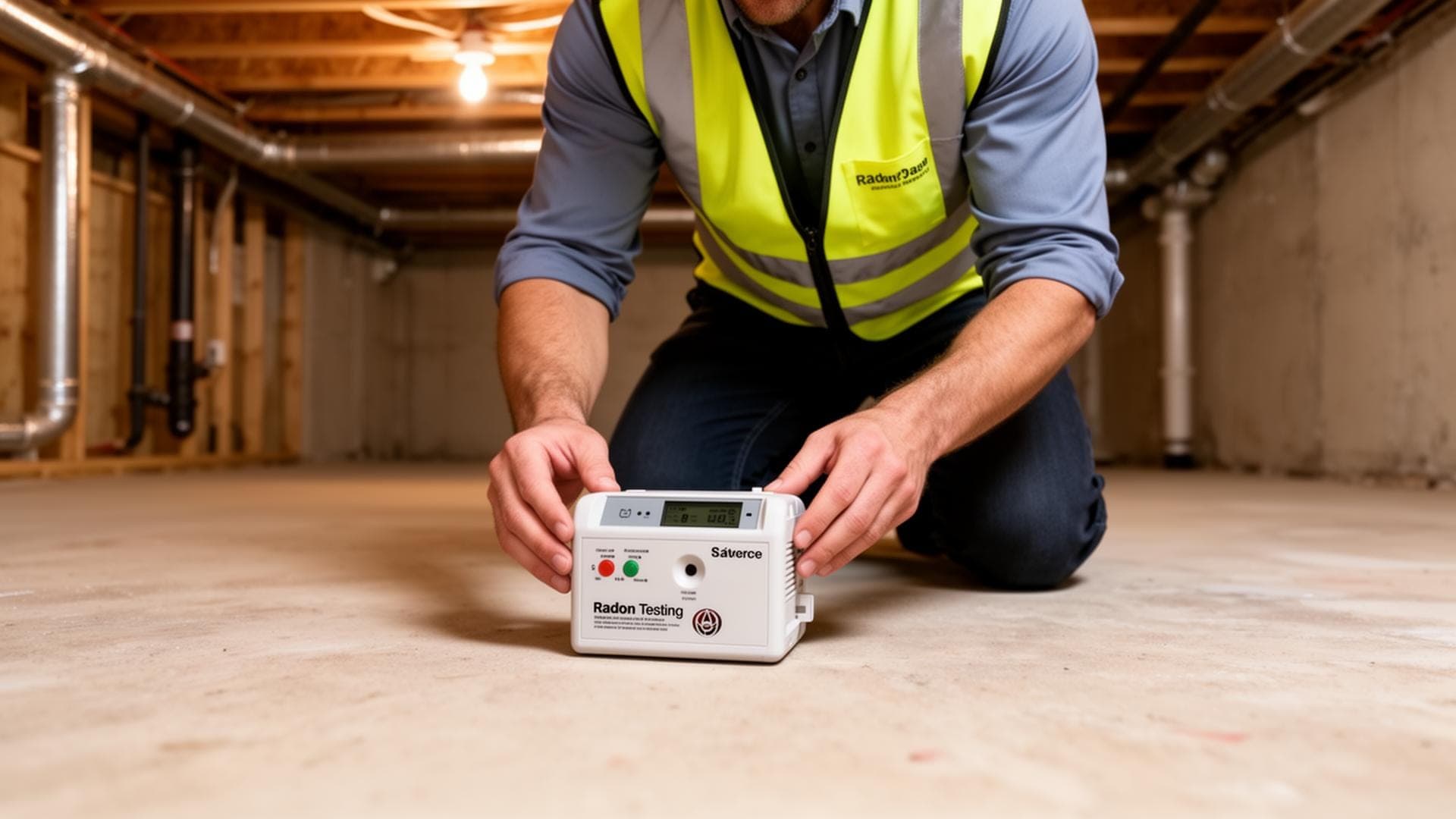
For commercial properties, each regularly occupied ground-contact room should have its own test device. Unlike residential testing where one device in the lowest livable area is sufficient, commercial buildings need multi-point testing because HVAC zones, construction materials, and floor plans create different radon conditions in different areas of the same building.
Test Duration
The EPA recommends either short-term testing (2-7 days with CRM devices) or long-term testing (90+ days with alpha track detectors) for commercial buildings. Alpha track detectors are the most common choice for schools because they are inexpensive, unobtrusive, and do not require electricity, making them practical for deploying across many rooms simultaneously.
HVAC Considerations
Commercial HVAC systems significantly affect radon levels. Testing should occur during normal HVAC operation (not during shutdowns or maintenance periods) to reflect actual occupant exposure. If the building's HVAC is shut down on weekends, testing that includes a weekend may show artificially elevated readings for those hours.
4. Schools and Daycares
Schools and daycares deserve special attention because children are more vulnerable to radon exposure than adults. Their lungs are still developing, they breathe more rapidly relative to body weight, and they have more years ahead for cumulative damage to manifest as cancer.
EPA School Testing Guidelines
Georgia School Testing
Georgia does not mandate radon testing in schools. The Indoor Radon Abatement Act of 1988 directed the EPA to develop school testing guidance, but compliance is voluntary. Some Georgia school districts have conducted testing programs, but many have not. Parents and administrators can advocate for testing by citing EPA guidance and the documented health risk to children. For details, see our guides on radon in Georgia schools and daycares and daycare radon testing.
5. Office Buildings and Workplaces
Office workers in ground-floor or basement-level spaces can accumulate significant radon exposure. A full-time employee spends roughly 2,000 hours per year in the workplace. If radon in that workspace averages 6 pCi/L, the cumulative exposure adds meaningfully to their lifetime risk.
Employer Considerations
6. Liability and Legal Considerations
Commercial property owners and managers face potential liability related to radon:
7. Commercial Mitigation Options
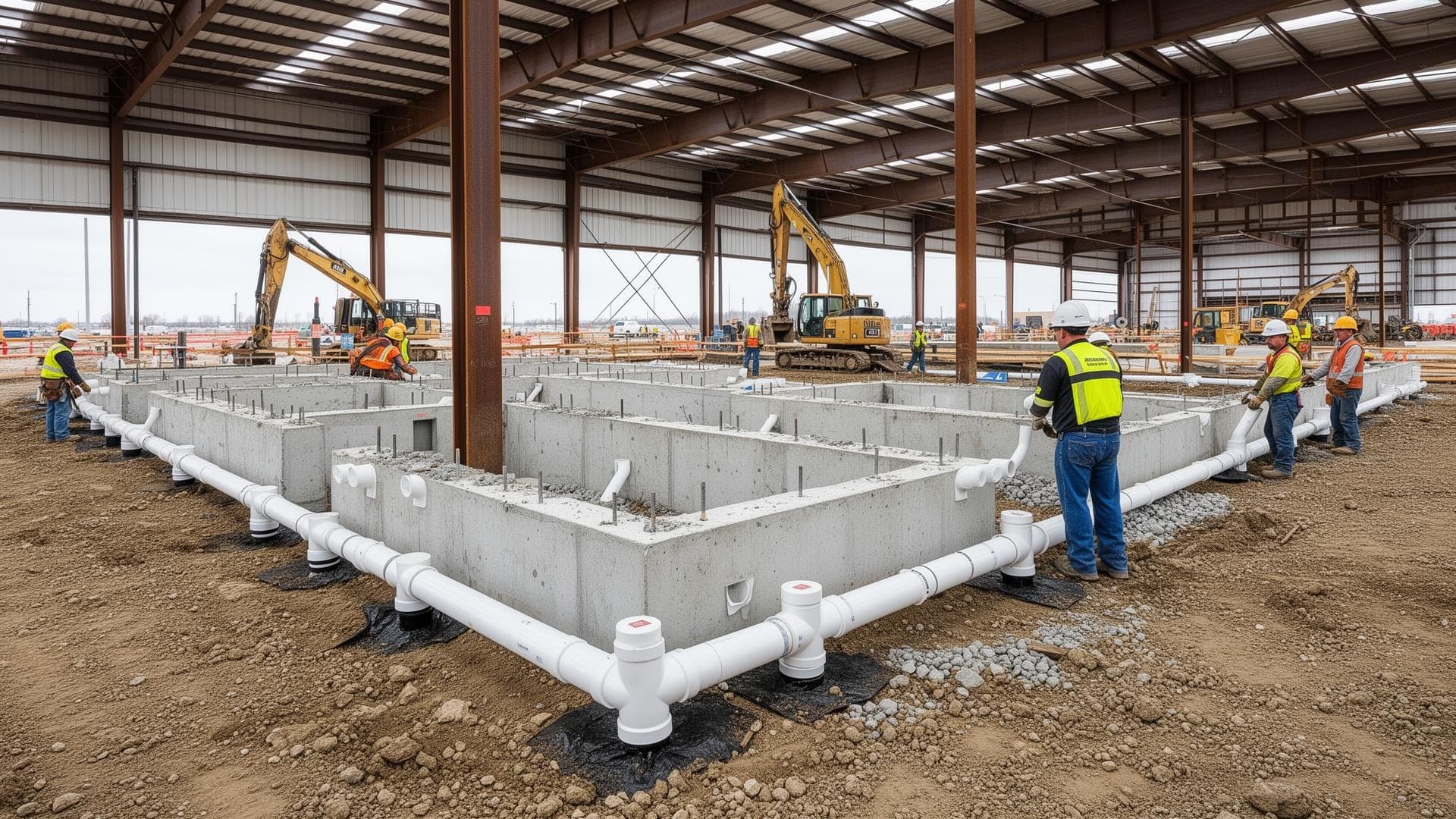
Commercial radon mitigation uses the same principles as residential mitigation but on a larger scale:
Commercial mitigation costs vary widely based on building size and complexity. Small commercial spaces may cost $2,000-5,000. Large facilities with multiple zones may cost $10,000-25,000+. Use our estimate your radon mitigation cost as a starting reference point. Our commercial radon testing services serve offices, schools, and multi-unit buildings across Metro Atlanta. For office-specific considerations, see radon in office buildings.