1. The Numbers You Need to Know
Radon is the second leading cause of lung cancer in the United States, behind only smoking. The EPA estimates 21,000 Americans die from radon-related lung cancer every year. To put that in perspective:
Yet most homes have smoke detectors and carbon monoxide detectors. Very few have been tested for radon. The disparity between the scale of the risk and the level of public awareness is significant.
2. The Health Risk: Lung Cancer
Radon is a radioactive gas. When you breathe it in, radioactive particles lodge in your lung tissue. As these particles decay, they emit alpha radiation that damages DNA in lung cells. Over time, this damage accumulates and can cause lung cancer.
The risk is not theoretical. The link between radon and lung cancer has been established by multiple large-scale epidemiological studies, including research from the EPA, the World Health Organization, and the National Academy of Sciences.
| Radon Level | Lifetime Lung Cancer Risk (Non-Smoker) | Equivalent Comparison |
|---|---|---|
| 1.3 pCi/L (avg indoor) | 2 in 1,000 | Baseline indoor exposure |
| 4.0 pCi/L | 7 in 1,000 | Similar risk to dying in a car crash |
| 8.0 pCi/L | 15 in 1,000 | 5x the risk of dying in a house fire |
| 20.0 pCi/L | 36 in 1,000 | 35x the risk of drowning |
For smokers, these risks are 5-10 times higher. Radon and smoking have a synergistic effect: the combined risk is far greater than either risk alone.
3. Who Is Most at Risk
Radon affects everyone in the home, but some groups face higher risk:
4. The Financial Cost of Lung Cancer
Beyond the human cost, lung cancer carries staggering financial costs:
Treatment Costs
$150K-$300K+
Average cost of lung cancer treatment including surgery, chemotherapy, radiation, and ongoing care. These costs can be significantly higher for advanced-stage diagnosis.
Lost Income
$50K-$200K+
Lost wages during treatment, reduced work capacity, early retirement, and disability. Family caregivers also lose income. This figure varies widely but is always significant.
The five-year survival rate for lung cancer is approximately 25% when caught at all stages. When caught early (Stage I), the rate improves to about 60%. But radon-caused lung cancer is often caught late because most people do not know they have been exposed to elevated radon levels. The only way to know your levels is to get a professional radon test.
The Hidden Cost
The numbers above do not capture the full picture. They do not account for the emotional cost to families, the impact on children, the quality of life during treatment, or the years of life lost. These costs are incalculable. When the entire burden is considered, the $1,500 cost of radon mitigation is not even a rounding error in comparison.
5. The Cost of Action: Testing and Mitigation
Here is what it actually costs to address radon in your home:
| Action | Cost | Time |
|---|---|---|
| DIY test kit | $15-$40 | 2-7 days + lab time |
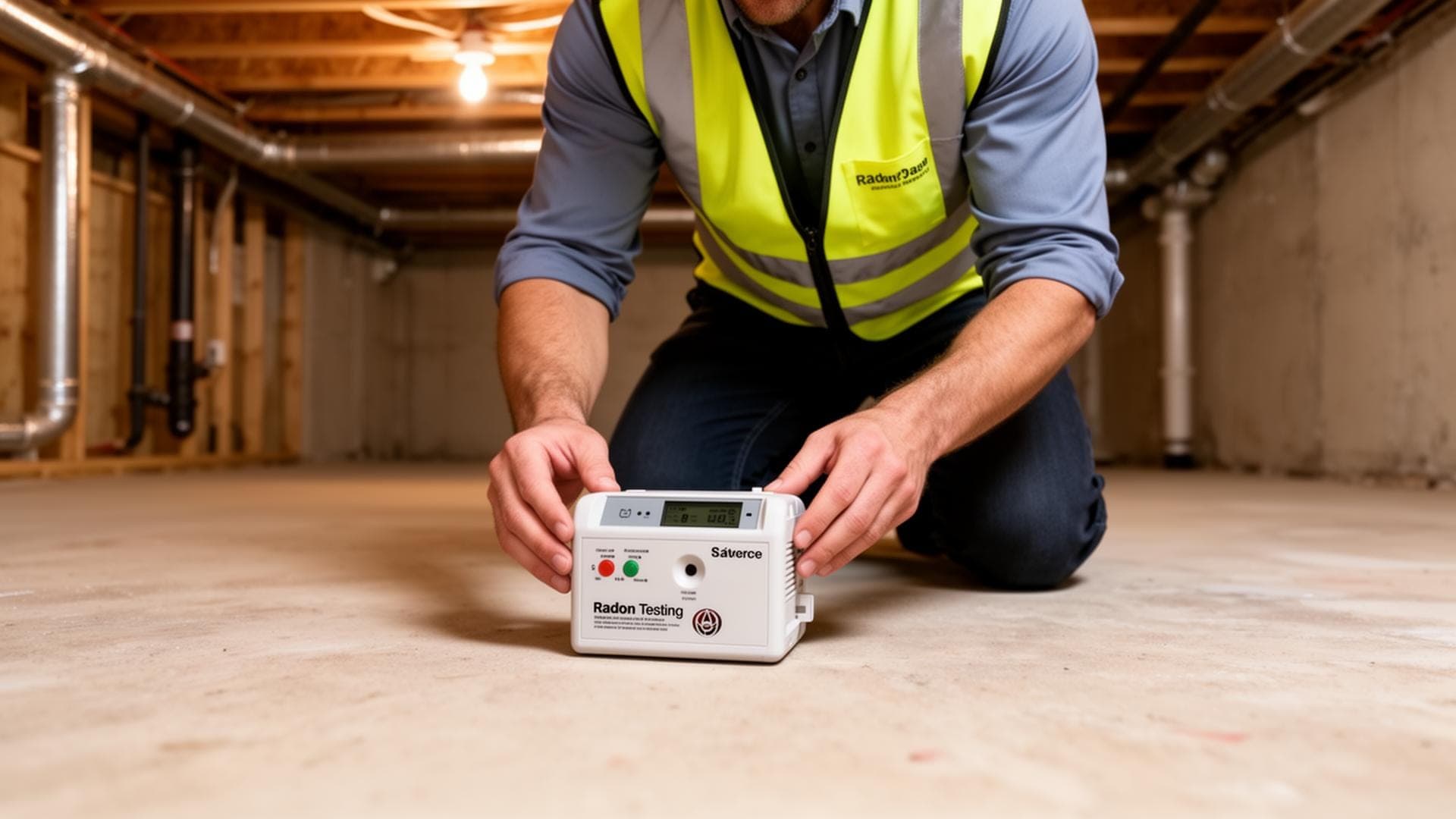
| Professional CRM test | $125-$250 | 48 hours |
| Mitigation (slab/basement) | $1,200-$2,500 | 1 day |
| Mitigation (crawl space) | $2,500-$5,000 | 1 day |
| Annual system electricity | $50-$100 | Ongoing |
Use our estimate your radon mitigation cost tool to get a number specific to your home. Or start even simpler: check your zip code's radon risk right now.
6. Cost Comparison: Action vs Inaction
Here is the comparison that every homeowner should see:
Cost of Action
Cost of Inaction
Not every person exposed to elevated radon develops cancer. But the risk is real, cumulative, and entirely preventable with a modest investment. The comparison is not close.
7. Why People Delay and Why That Is Dangerous
If the math is so clear, why do so many homeowners ignore radon? The psychology of radon avoidance is well-studied:
Start Today
Check your see radon levels for your area right now. It takes 10 seconds. If you are in a moderate or high-risk area, have your home tested for radon. If the test comes back elevated, get a free mitigation cost estimate. The entire process from first test to a protected home can happen in less than two weeks. Learn more about why radon testing is essential for every household.