1. Quick Answer: How Long Each Test Takes
Here is the bottom line for each testing method. The sections below break down each option in detail.
| Test Type | Data Collection | Results Turnaround | Total Time |
|---|---|---|---|
| DIY charcoal kit | 48-96 hours | 5-7 days (lab) | 7-11 days |
| Professional CRM | 48+ hours | Same day | 2-3 days |
| Long-term (alpha track) | 90-365 days | 2-4 weeks (lab) | 3-13 months |
| Post-mitigation retest | 48+ hours | Same day (CRM) | 2-3 days |
Not sure which test to use? Our comparison of DIY radon tests vs professional testing can help you decide based on your situation.
2. Short-Term Radon Testing (48-96 Hours)
Short-term tests are the most common type and provide a snapshot of your home's radon level over a two to four day period. Both DIY kits and professional CRM monitors fall into this category, but the process differs significantly.
DIY Charcoal Kit Timeline
Day 1: Setup (5 minutes)
Open the kit and place it in the lowest livable area. Close windows and exterior doors 12 hours before starting (or at the time of placement). The test begins the moment you open the packet.
Days 2-4: Data Collection (48-96 hours)
Leave the kit undisturbed. Keep closed-house conditions (windows and doors shut, no whole-house fans). Normal entry/exit and HVAC use is fine. The charcoal absorbs radon from the air.
Day 4-5: Seal and Mail
Seal the kit, fill out the data card, and mail it to the lab. Ship it the same day or next day. Charcoal kits degrade over time once sealed, so prompt shipping matters.
Days 9-11: Results
The lab analyzes the kit and sends results via email or mail. Most labs return results within 3-5 business days of receiving the kit. You get a single number: the average radon level during the test period.
Professional CRM Timeline
Day 1: Technician Places Monitor (15-20 minutes)
A technician brings a calibrated continuous radon monitor to your home, sets it up in the lowest livable area, and records placement conditions. Closed-house conditions should be established 12 hours before placement.
Days 2-3: Automatic Data Collection (48+ hours)
The CRM records radon levels every hour. No action needed from you. Maintain closed-house conditions and do not move or tamper with the device.
Day 3: Pickup and Results (Same Day)
The technician retrieves the monitor, downloads the data, and provides a detailed report. Results include hourly readings, average level, peak levels, and environmental data. You get your answer the same day the monitor is picked up.
Why Professional Testing Is Faster Overall
Even though both methods require 48 hours of data collection, professional CRM testing delivers results 7 to 8 days sooner than a DIY kit because there is no mail-to-lab step. For time-sensitive situations like real estate transactions, this makes a significant difference.
3. Long-Term Radon Testing (90+ Days)
Long-term tests provide the most accurate picture of your home's year-round radon exposure. An alpha track detector sits in your home for 90 days to a full year, averaging out seasonal fluctuations that can cause significant differences between winter and summer.
The process is simple: place the detector, leave it undisturbed for the testing period, then mail it to a lab. Results arrive 2 to 4 weeks after the lab receives the device. The total timeline is 4 to 14 months depending on the exposure period you choose.
When Long-Term Testing Makes Sense
Not for Real Estate
Long-term tests are not practical for home purchases. Real estate transactions need results within days, not months. For home buying, professional CRM testing is the right choice.
4. Professional Testing Timeline: What to Expect
When you schedule a professional radon test with a radon company, here is the typical timeline from first call to final result:
| Step | Timeline | What Happens |
|---|---|---|
| Scheduling | Same day to 2 days | Book a placement appointment |
| Pre-test prep | 12 hours before | Close windows and exterior doors |
| Monitor placement | 15-20 minutes | Technician sets up CRM in your home |
| Data collection | 48+ hours | CRM records hourly radon levels |
| Monitor retrieval | 10-15 minutes | Technician picks up and downloads data |
| Results delivery | Same day | Report emailed or provided on-site |
Total elapsed time from scheduling to results: typically 3 to 5 days. In urgent situations (real estate closings, health concerns), many radon companies can accommodate same-day or next-day placement.
5. Radon Testing During Real Estate Transactions
Time pressure is the defining feature of real estate radon testing. You are working within an inspection period that is typically 7 to 14 days, and radon testing is just one of many inspections that need to happen.
Typical Real Estate Testing Timeline
For buyers: schedule your radon test at the same time as your general home inspection. Do not wait for general inspection results before ordering the radon test. Running them in parallel saves days. Learn more about radon and real estate in Georgia.
Quick Risk Check Before Testing
Before scheduling a test on a property you are buying, use our radon risk lookup by zip code to check the area. If the property is in an EPA Zone 1 area, radon testing is especially important and should not be skipped.
6. How Long Does a Radon Test Take for a Home Inspection?
For a home inspection, plan on 48 to 96 hours for the radon test itself. EPA protocol requires a minimum of 48 hours of monitoring, and most professional testers use a continuous radon monitor that reports results the same day it is picked up. When the schedule allows, a 72 to 96 hour test gives a better picture because it averages out more of the natural day-to-day swings in radon levels.
That window has to fit inside the due diligence period, which in Georgia is commonly 7 to 14 days. The math works as long as the test starts early: monitor placed on day 1 or 2, retrieved 48 to 96 hours later, and results in hand with several days left to negotiate repairs or mitigation. A radon test that starts in the second half of the inspection period leaves little room if the reading comes back high and a retest or mitigation quote is needed.
The buyer or the buyer's agent typically orders the radon test, usually at the same time the general home inspection is booked. Some home inspectors place the monitor themselves, while others coordinate with a radon testing company that drops off and retrieves the device. Either way, the monitor sits in the home unattended between placement and pickup, so the visits are short and the occupants only need to keep windows closed and maintain closed-house conditions for the duration of the test.
7. Testing Conditions That Affect Results
The EPA has specific protocols for radon testing conditions. Violating these conditions does not just affect accuracy; it can invalidate the test entirely, forcing you to start over and adding days to your timeline.
Closed-House Conditions
Close all windows and exterior doors at least 12 hours before starting the test and keep them closed throughout. Normal entry and exit through doors is fine. HVAC systems should operate normally. Do not run whole-house fans, window fans, or attic fans during the test.
Device Placement
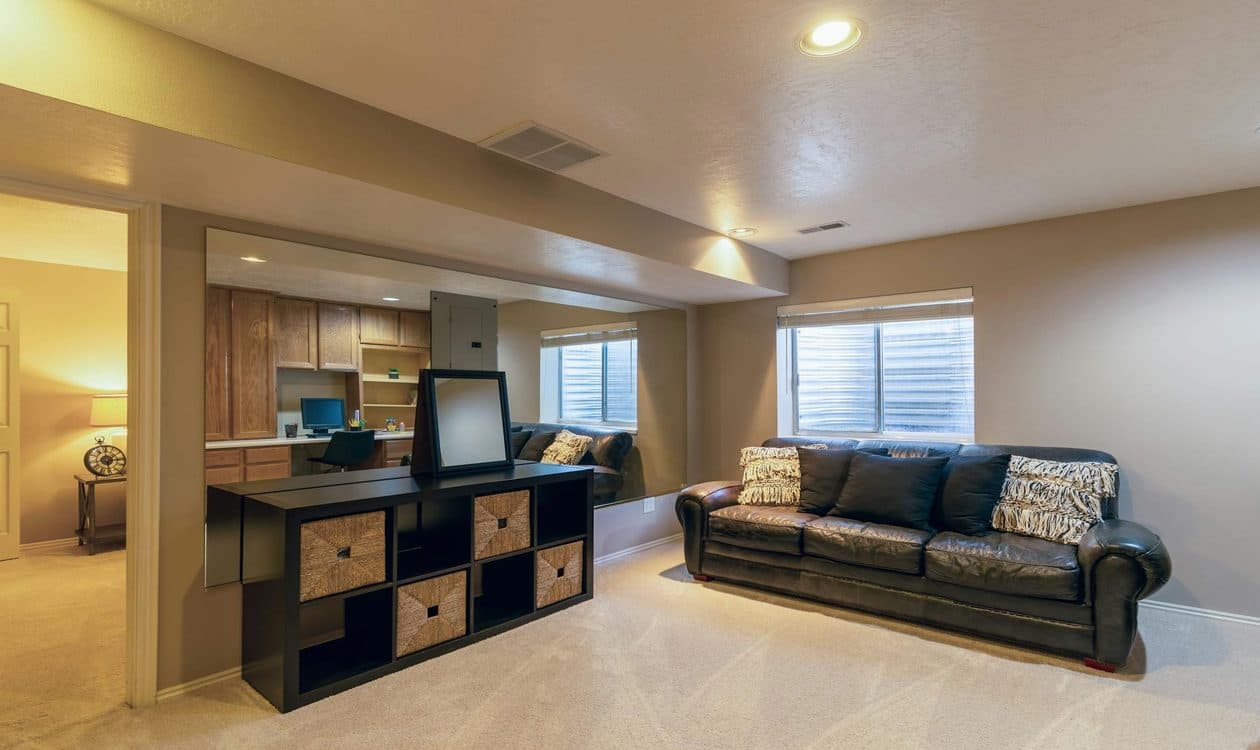
Place the test in the lowest livable area, at least 20 inches off the floor. Keep it away from exterior walls, drafts, direct sunlight, and high-humidity areas. Do not place it in a kitchen, bathroom, laundry room, or closet. A bedroom or living room on the lowest finished floor is ideal.
What Can Invalidate a Test
Professional CRM monitors include tamper detection features that log temperature, humidity, and motion. If someone opens windows or moves the device, the data will show it. This is one of the key advantages of professional testing over DIY kits.
8. What Happens After You Get Results
Your next steps depend entirely on the number. Here is a practical decision framework:
Below 4.0 pCi/L
No immediate action needed. Retest every 2 years, after renovations, or if your circumstances change.
If between 2-4 pCi/L, consider a follow-up test in winter for confirmation.
4.0 pCi/L or Above
EPA recommends mitigation. Contact a radon professional for an estimate. Use our mitigation pricing guide to get a ballpark.
Most mitigation systems are installed in a single day with post-test 24-48 hours after.
Mitigation Timeline (If Needed)
If you need mitigation, the timeline from decision to verified results typically looks like this: 1-3 days to schedule, 1 day for installation, then 24-48 hours before the post-mitigation retest can begin, plus 48 hours for the retest itself. Total: about 1 to 2 weeks from deciding to mitigate to having confirmed low radon levels. Learn more about mitigation costs in Atlanta.