1. Why Brookhaven Has Radon Risk
Brookhaven occupies a large section of northern DeKalb County, bordered by Chamblee, Atlanta, and unincorporated DeKalb. The city sits on the Piedmont geological province, where metamorphic and igneous rock contains uranium that decays into radon gas. This gas migrates through soil and enters homes through foundation openings.
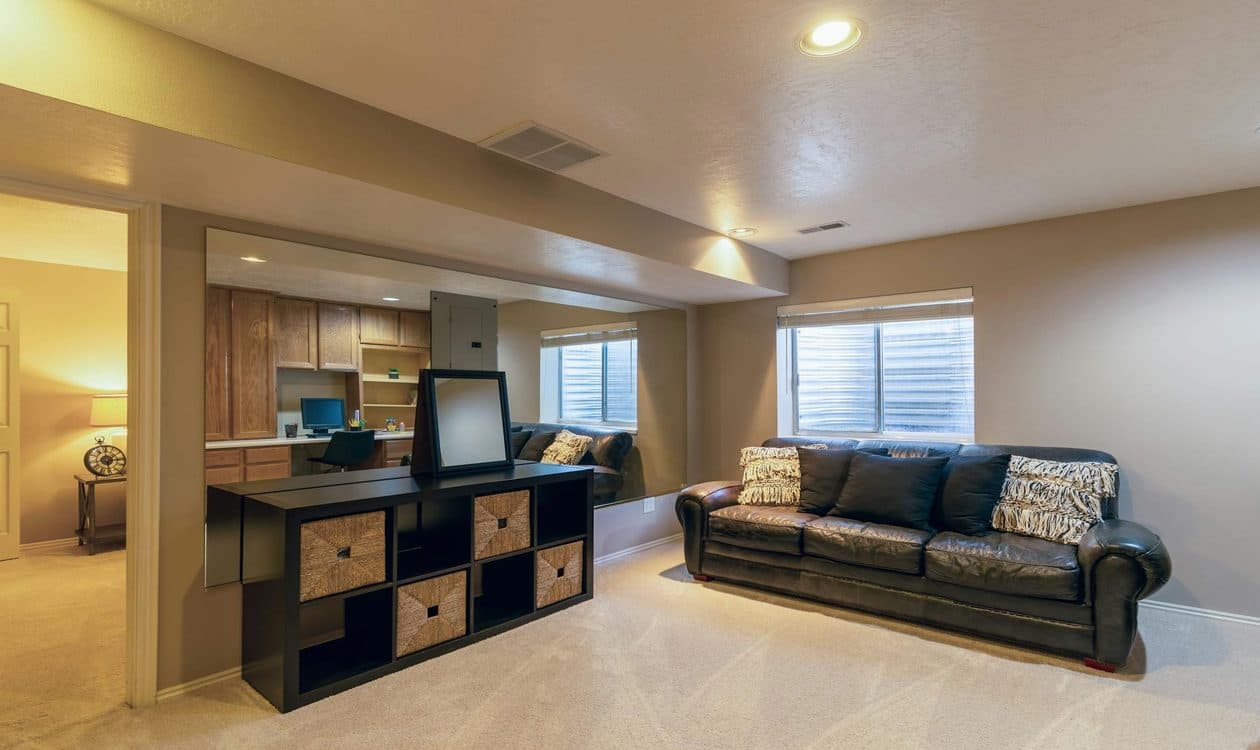
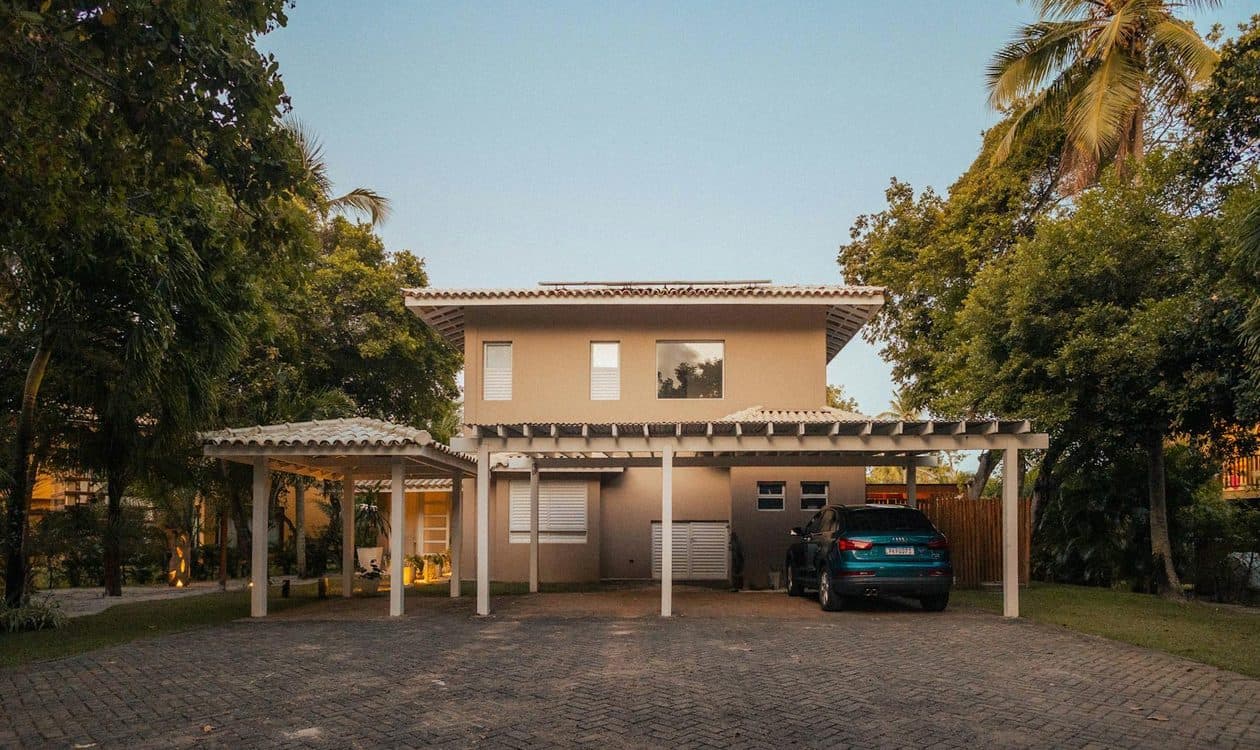
Brookhaven's housing stock is remarkably diverse. The city includes mid-century ranch homes in Ashford Park, cottage-style homes in Drew Valley, and extensive new construction and teardown-rebuild activity throughout. Many of the established neighborhoods feature homes with basements and crawl spaces that create direct pathways for radon to enter living areas.
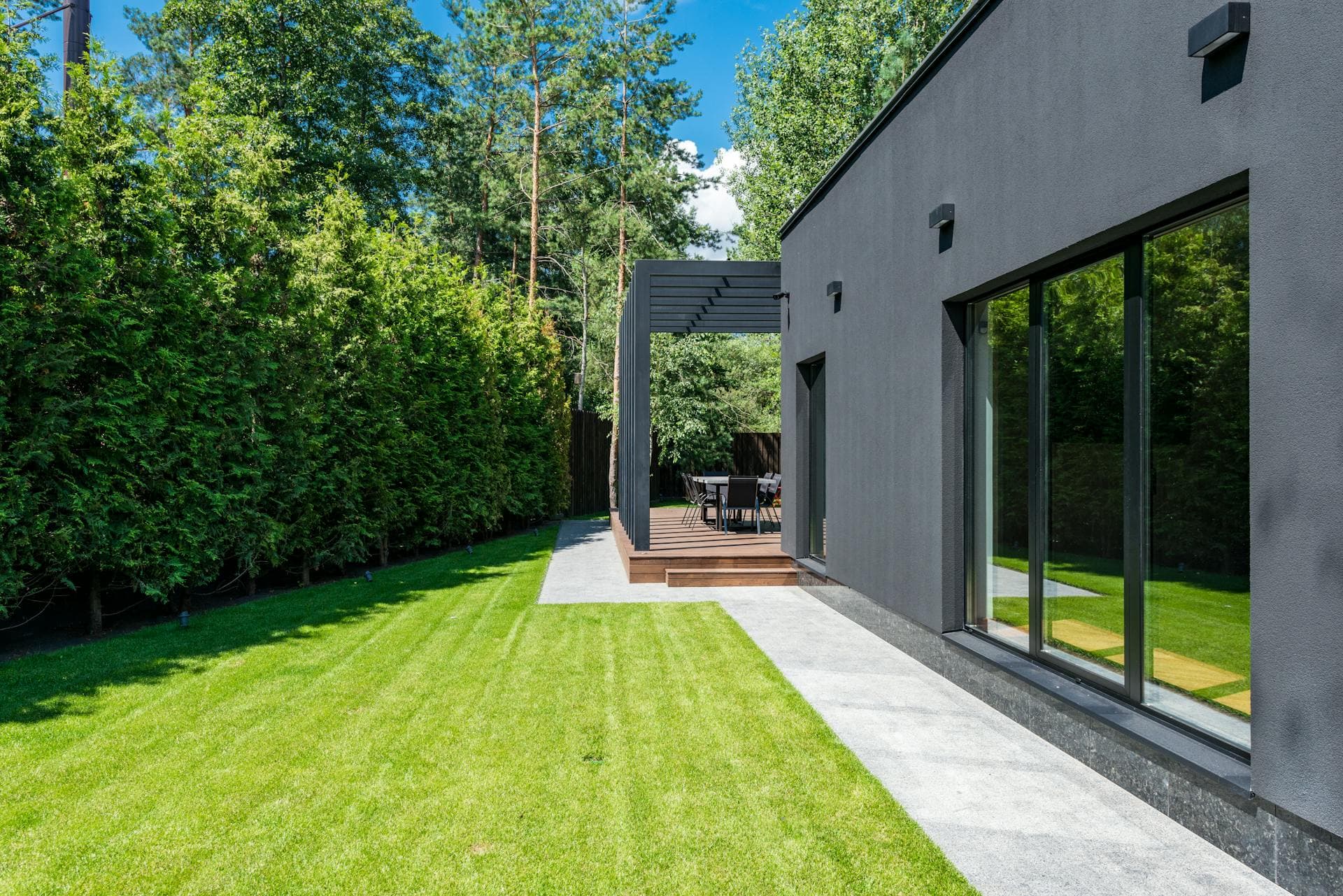
The wave of renovation and new construction in Brookhaven adds another consideration. When older homes are renovated, changes to the foundation, HVAC system, and below-grade spaces can alter radon dynamics. New construction on the same lots can have different radon levels than the original homes. Testing after any significant construction work is recommended. test your home for radon to find out your level.
2. EPA Zone Designation for Brookhaven
Brookhaven is in DeKalb County, which the EPA classifies as Zone 2 with predicted average indoor radon levels between 2 and 4 pCi/L. This moderate risk designation means a meaningful percentage of homes will test above the EPA action level of 4 pCi/L.
| Zone | Predicted Avg | Risk Level |
|---|---|---|
| Zone 1 (Highest) | Above 4 pCi/L | High |
| Zone 2 (DeKalb County / Brookhaven) | 2-4 pCi/L | Moderate |
| Zone 3 (Lowest) | Below 2 pCi/L | Low |
Individual Testing Is Essential
Brookhaven's mix of old and new construction means radon levels can vary dramatically from home to home, even on the same block. A renovated home with a new basement may test very differently than the original structure. Zone averages do not predict individual home risk.
3. Neighborhoods with Higher Radon Potential
Every Brookhaven home should be tested, but certain neighborhoods show patterns worth noting:
For broader county-level data, see our DeKalb County radon guide.
Use our look up radon risk in your neighborhood to check the risk level for your Brookhaven zip code.
4. Local Testing Data and Trends
Testing data from radon professionals working in Brookhaven shows these patterns: Neighboring cities like Dunwoody, Decatur, and Tucker show similar radon patterns due to shared geology.
Brookhaven's active real estate market makes radon testing during home purchases important. See our home inspection radon guide for the process.
5. How to Test Your Brookhaven Home
Testing is straightforward. Here is the recommended approach:
Choose Your Test Type
A short-term test (minimum 48 hours) provides a quick snapshot. Professional CRM testing is standard for real estate transactions. DIY charcoal kits cost $15-40 plus lab fees.
Place the Test Correctly
Test in the lowest livable level. For homes with basements, test there. For slab or crawl space homes, test on the main floor. Keep the device away from windows, walls, and drafts. Maintain closed-house conditions.
Interpret Your Results
Below 2 pCi/L: Low risk, retest every 2 years. Between 2-4 pCi/L: Consider follow-up testing or mitigation. Above 4 pCi/L: The EPA recommends reduce your radon levels. Above 8 pCi/L: Prioritize mitigation promptly.
6. Mitigation Options for Brookhaven Homes
If your Brookhaven home tests above 4 pCi/L, mitigation is effective and straightforward:
Slab or Basement
$1,200-$2,500
Sub-slab depressurization: a suction point drilled through the foundation, connected to PVC pipe and a fan that vents radon above the roofline.
Crawl Space
$2,500-$5,000
Sub-membrane depressurization: a sealed vapor barrier over exposed soil with active suction that pulls radon from beneath and vents it outside.
Both systems reduce radon by 90-99% and are typically installed in a single day. Use our get a cost estimate for radon mitigation for a more specific estimate.
Brookhaven Homeowners
Whether you live in a renovated mid-century home or new construction, Brookhaven's Piedmont geology means radon testing is important. A 48-hour test gives you a clear answer. Learn more about how radon mitigation works.