1. Why Tucker Has Radon Risk
Tucker sits in the heart of DeKalb County on Piedmont province geology. The area is underlain by metamorphic and igneous rock, including granite and gneiss formations that contain trace amounts of uranium. As uranium decays through its natural chain, it produces radium and then radon gas. This gas seeps upward through soil and rock fractures, entering homes through foundation openings.
DeKalb County holds an EPA Zone 2 (moderate risk) designation, meaning the predicted average indoor radon level falls between 2 and 4 pCi/L. While this is lower than the Zone 1 counties to the north, it still means a significant percentage of homes exceed the EPA action level of 4 pCi/L. Testing data from the Tucker area shows that 20-30% of homes test above this threshold.
Tucker's proximity to Stone Mountain is geologically relevant. The same granite formation that forms the visible monadnock extends underground across much of the surrounding area. Homes built on or near these granite formations tend to have higher radon potential. The only way to know your home's level is to arrange a professional radon test.
2. Tucker Neighborhoods and Radon
Tucker includes a range of neighborhoods with different housing stock and terrain, which influences radon exposure:
Use our check your zip code for radon risk to check local radon risk.
For broader county-level data, see our DeKalb County radon guide.
3. Foundation Types in Tucker
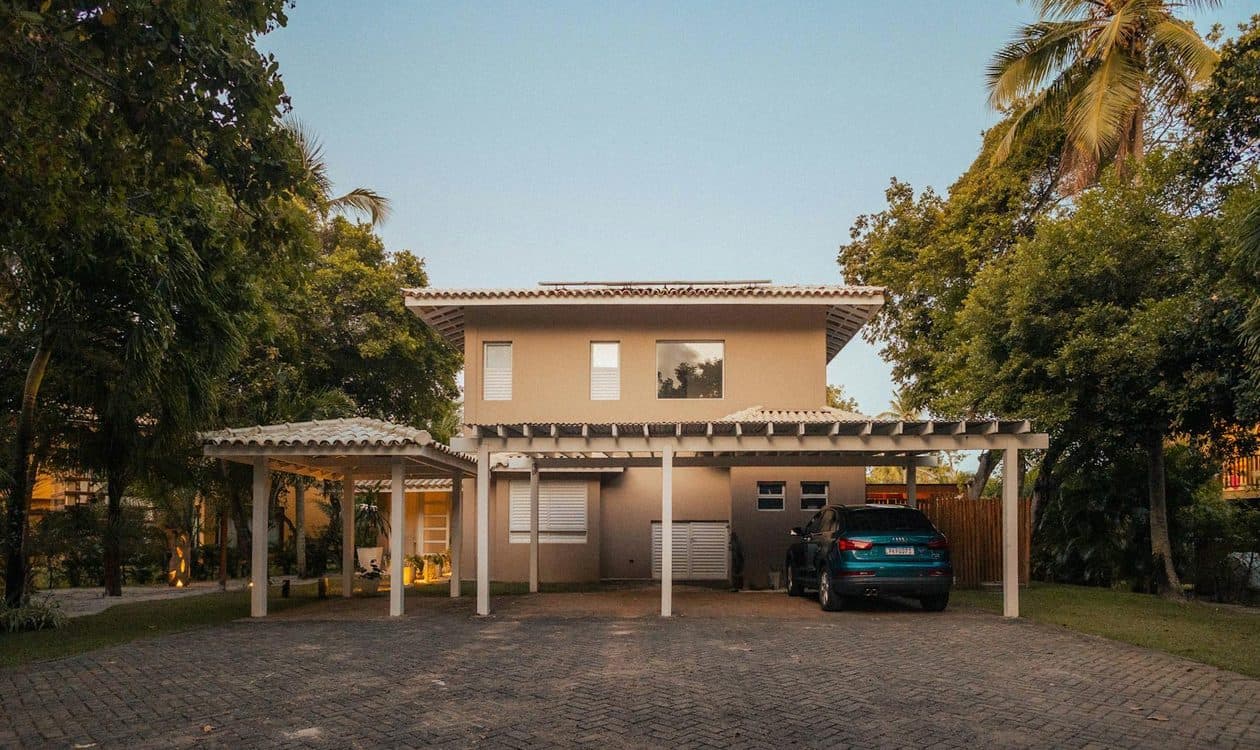
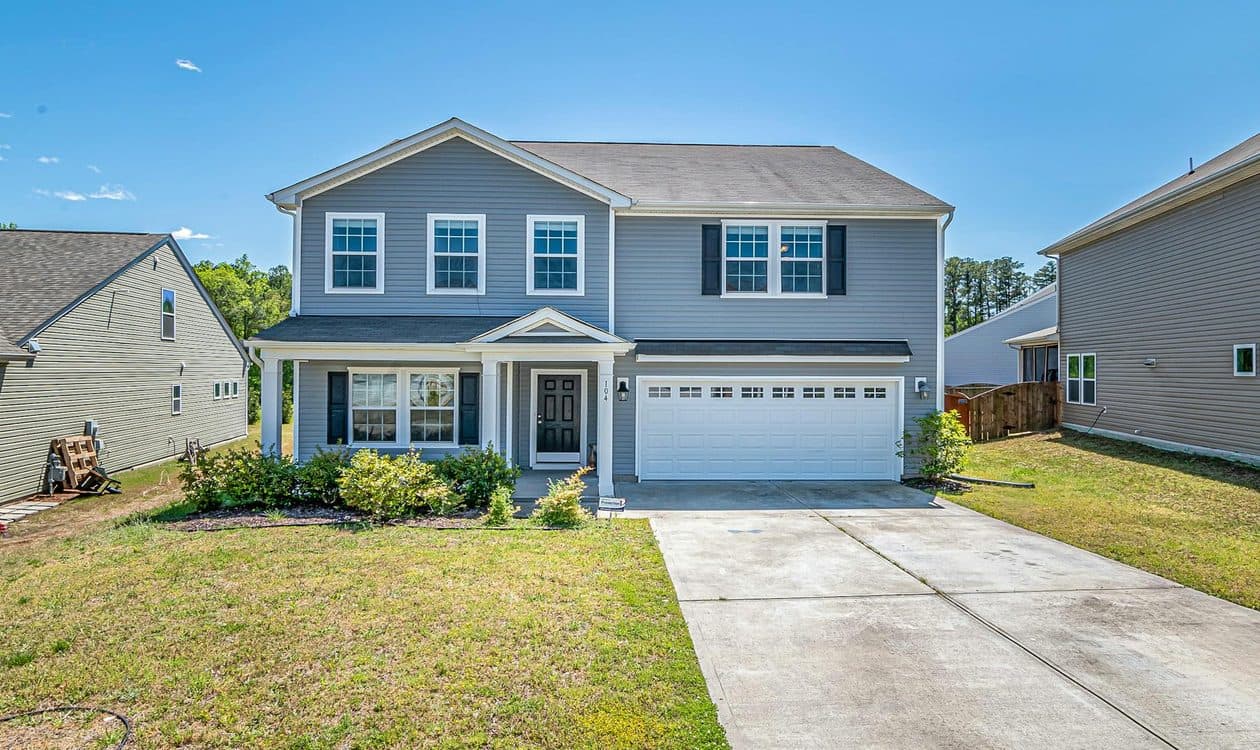
Tucker's housing stock spans several decades and includes multiple foundation types:
Split-Level Homes Deserve Extra Attention
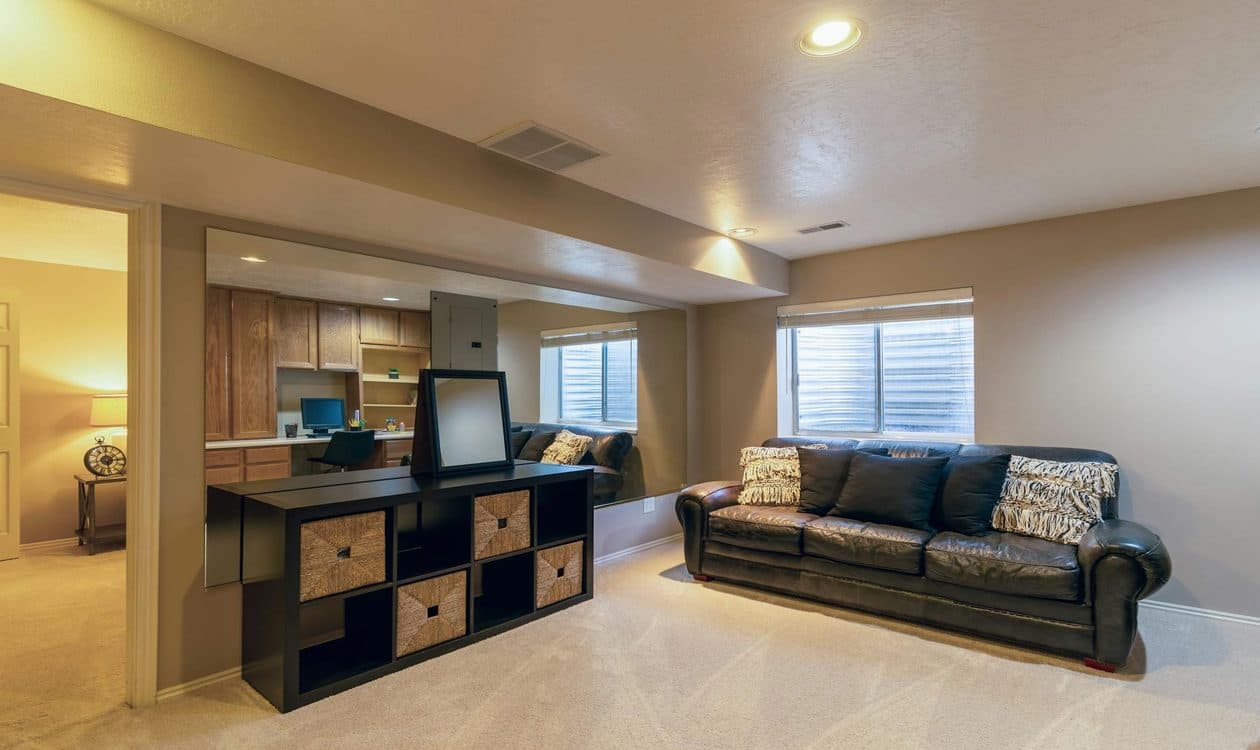
Tucker has many split-level homes from the 1960s and 1970s. The lower level of a split-level sits partially below grade, creating direct soil contact on two or three sides. Test the lowest level first, as radon concentrations are typically highest there.
4. How to Test Your Tucker Home
Testing is straightforward and affordable. Here is how to approach it in Tucker: Neighboring cities like Decatur, Stone Mountain, and Dunwoody show similar radon patterns due to shared geology.
Choose Your Test Type
A short-term test (48 hours minimum) gives you an initial reading. Professional CRM testing ($125-250) provides hourly data and is required for real estate transactions. DIY kits ($15-40 plus lab fees) work for general screening.
Place the Test Correctly
Test in the lowest livable area. For Tucker split-levels, that means the lower level. For ranch homes with crawl spaces, test on the main floor. Keep the device away from windows, drafts, and exterior walls. Maintain closed-house conditions during testing.
Understand Your Results
Below 2 pCi/L: Low risk, retest every 2 years. Between 2-4 pCi/L: Consider a long-term follow-up test. Above 4 pCi/L: The EPA recommends a professional radon reduction system. Above 8 pCi/L: Prioritize mitigation promptly.
Radon levels fluctuate with seasons, weather, and home ventilation patterns. A borderline summer result in Tucker may become an elevated reading during winter months when homes are sealed up and the stack effect pulls more soil gas indoors.
5. Radon Mitigation Options
If your Tucker home tests above 4 pCi/L, mitigation is effective and typically completed in a single day. The approach depends on your foundation type:
Slab or Basement
$1,200-$2,500
Sub-slab depressurization: a suction point drilled through the foundation, connected to PVC pipe and a fan that exhausts radon above the roofline.
Crawl Space
$2,500-$5,000
Sub-membrane depressurization: a sealed vapor barrier over the soil with active suction pulling radon from beneath and venting it outside.
Both systems achieve 90-99% radon reduction. For Tucker's many split-level homes, the mitigation point is typically installed through the lower-level slab, with the vent pipe routed to the exterior and above the roofline. Use our view mitigation cost estimates for a more specific estimate.
For more information, read our home inspection radon guide.
Tucker and DeKalb County Homeowners
With 20-30% of DeKalb County homes testing above the EPA action level, radon is a real concern in Tucker. A simple 48-hour test gives you a clear answer, and if levels are elevated, a one-day mitigation installation solves the problem permanently.