1. The Stone Mountain Granite Connection
Stone Mountain is one of the largest exposed granite monadnocks in the world, rising 825 feet above the surrounding terrain. But the visible rock is just the tip of a massive granite pluton that extends deep underground and spreads for miles in every direction. This pluton formed over 300 million years ago from cooling magma, and it contains trace amounts of uranium that have been producing radon gas ever since.
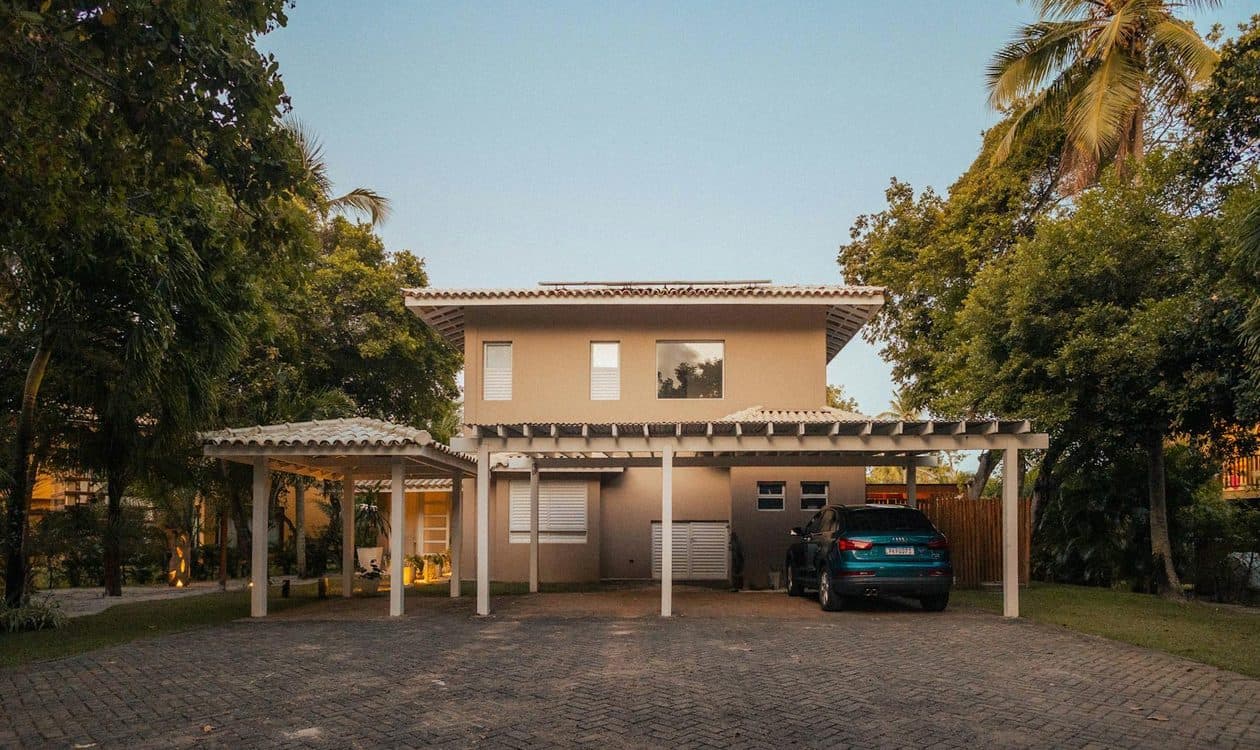
Homes built in the Stone Mountain area sit on or near this granite formation. Where the granite is close to the surface, radon gas has a short, direct path from its source to home foundations. The result is that the Stone Mountain community tends to have higher radon levels than the broader DeKalb County average. While DeKalb County is EPA Zone 2 (moderate risk), the Stone Mountain area functions more like a Zone 1 pocket.
Testing data from the immediate Stone Mountain area shows average indoor levels of 2.5 to 5.0 pCi/L, with 25-35% of homes exceeding the EPA action level of 4 pCi/L. Some homes, particularly those with basements built into the granite-rich hillsides, test well above 8 pCi/L. The only way to know your home's level is to get your home tested.
2. Stone Mountain Neighborhoods and Radon
The Stone Mountain area includes several distinct neighborhoods, each with different radon risk characteristics:
Use our view radon risk for your neighborhood to check local radon risk.
For broader county-level data, see our DeKalb County radon guide.
3. How Granite Produces Radon
The connection between granite and radon is well established. Here is the science behind Stone Mountain's radon risk:
The Stone Mountain granite contains trace amounts of uranium-238, a naturally radioactive element. Uranium-238 decays through a long chain of intermediate elements, eventually producing radium-226. Radium then decays into radon-222, a noble gas that does not bond with other elements. Because radon is a gas, it moves freely through soil pores and rock fractures.
In the Stone Mountain area, the granite is often just a few feet below the surface, and in some locations it is exposed at the surface. This proximity means radon gas has a very short path from its source to home foundations. The gas enters homes through any available opening: cracks in concrete slabs, the joint where walls meet floors, gaps around utility pipes, sump pits, and even porous concrete itself.
Shallow Granite Means Higher Risk
The closer the granite is to your foundation, the higher your radon potential. In the Stone Mountain area, some homes are built directly on rock or with only a few feet of soil separating the foundation from bedrock. These homes should be tested as a high priority.
4. Testing Your Stone Mountain Home
Given the area's granite geology, testing should be a top priority for every Stone Mountain homeowner: Neighboring cities like Decatur, Tucker, and Snellville show similar radon patterns due to shared geology.
Choose a Professional Test
Professional CRM testing ($125-250) is strongly recommended for Stone Mountain homes. The hourly data helps identify radon spikes that may be masked by a single average reading from a DIY charcoal kit ($15-40).
Test the Lowest Level
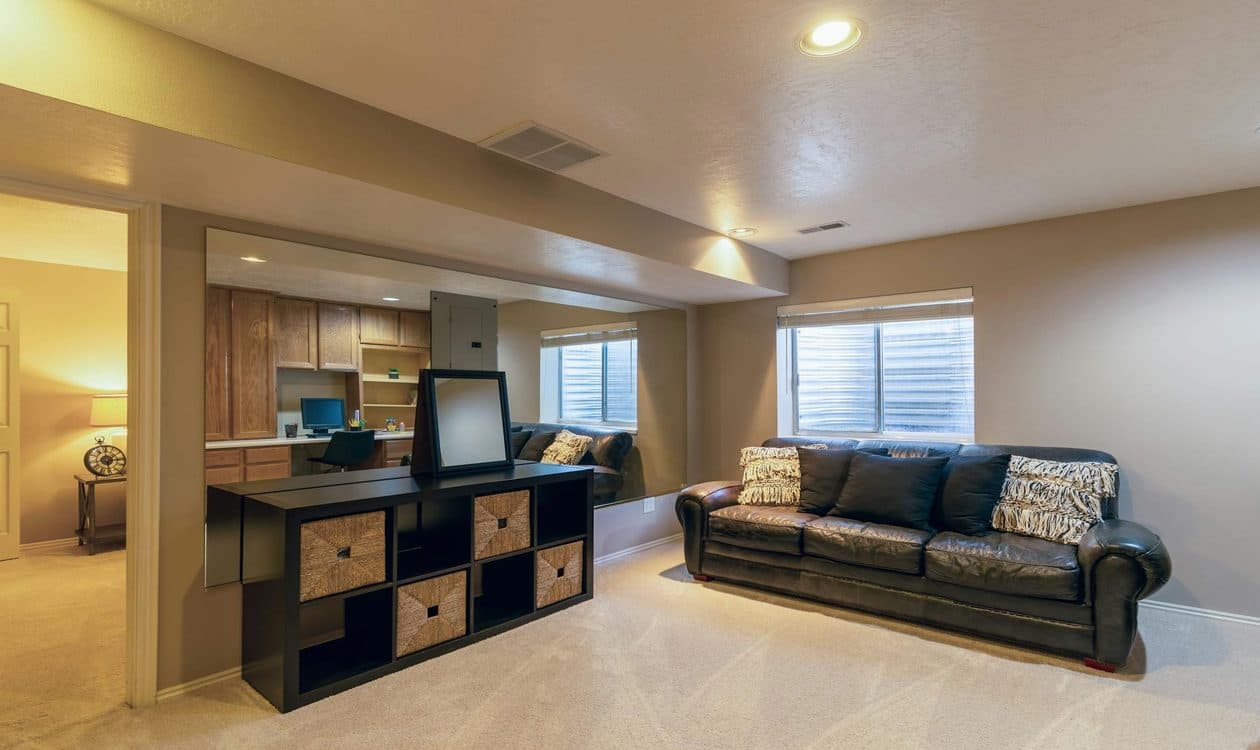
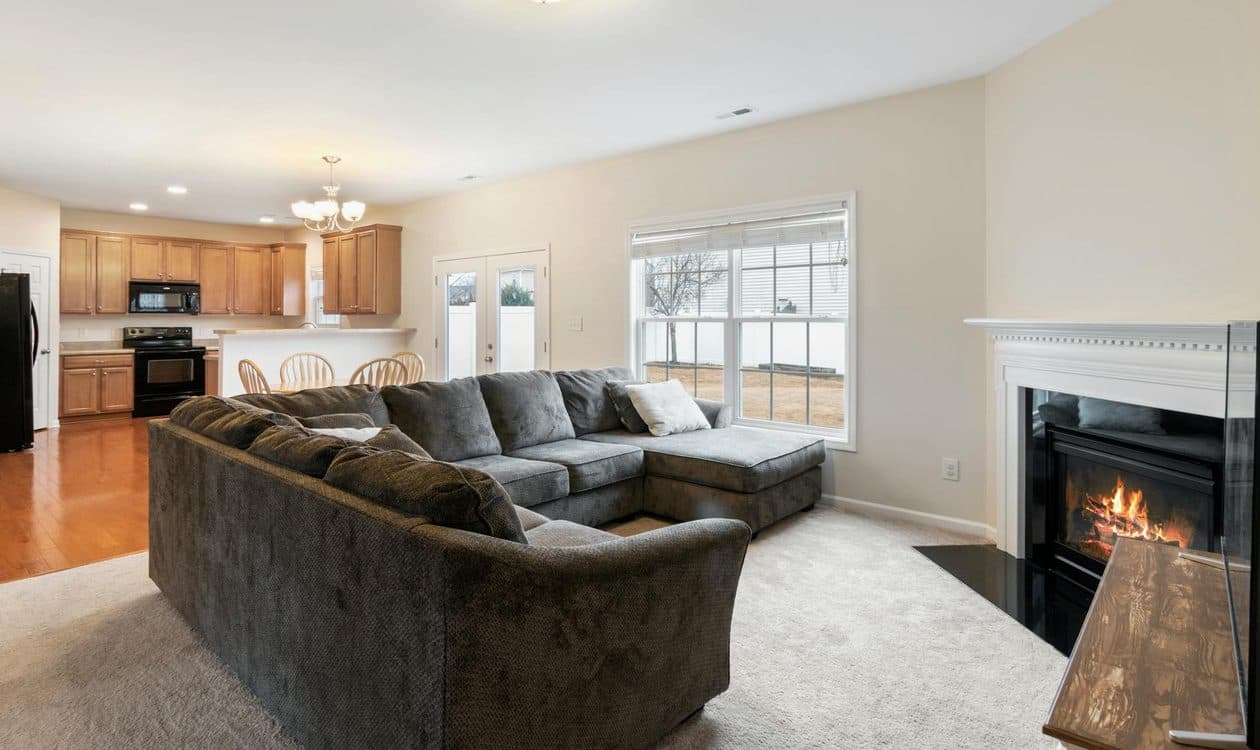
Place the test in your basement or lowest livable floor. For split-level homes, test the lower level. Keep the device away from windows and drafts. Maintain closed-house conditions during the 48-hour test period.
Interpret Results
Below 2 pCi/L: Low risk, retest in 2 years. Between 2-4 pCi/L: Consider a long-term follow-up test. Above 4 pCi/L: radon mitigation for your home. Above 8 pCi/L: Prioritize mitigation promptly.
5. Radon Mitigation Options
If your Stone Mountain home tests above 4 pCi/L, mitigation is effective even in the area's challenging granite geology:
Slab or Basement
$1,200-$2,500
Sub-slab depressurization: a suction point through the slab connected to PVC piping and a radon fan that exhausts gas above the roofline.
Crawl Space
$2,500-$5,000
Sub-membrane depressurization: a sealed vapor barrier over the soil with active suction pulling radon from beneath and venting it outside.
Both systems achieve 90-99% radon reduction. Stone Mountain homes with very high levels (10+ pCi/L) may benefit from systems with higher-capacity fans or multiple suction points to address the concentrated radon source. Use our calculate radon mitigation pricing for details.
For more information, read our guide to reading radon test results.
Stone Mountain Area Homeowners
Living near one of the world's largest exposed granite formations means radon should be on your radar. With 25-35% of local homes testing above the action level, a 48-hour test is a smart investment. If levels are high, mitigation brings them down to safe readings permanently.