1. Why Snellville Has Radon Risk
Snellville sits in the eastern portion of Gwinnett County on the Piedmont geological province. The bedrock beneath the city includes granite and gneiss that contain uranium. While the Piedmont geology in eastern Gwinnett is not as close to the surface as in the county's western areas, it still produces radon gas that enters homes through foundation openings.
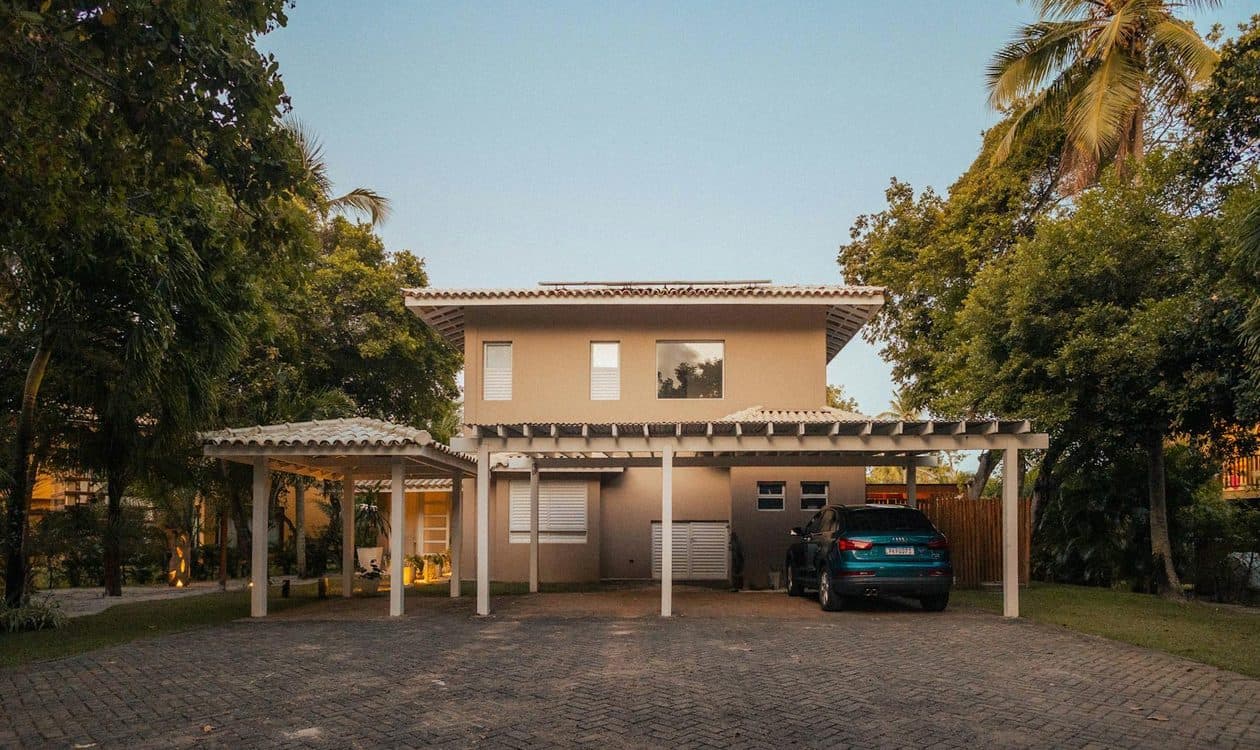
Snellville's housing stock is primarily suburban, with ranch homes from the 1970s and 1980s alongside newer subdivisions. Many homes have crawl space or slab foundations, with some homes on hillier lots featuring partial basements. Each foundation type has its own radon entry pathways.
The city's location in eastern Gwinnett means radon levels tend to be moderate, but 15-25% of tested homes still exceed the EPA action level. You cannot determine your home's radon level based on neighborhood averages. get tested for radon for a definitive answer.
2. EPA Zone Designation for Snellville
Snellville is in Gwinnett County, classified as EPA Zone 2 with predicted average indoor radon levels of 2-4 pCi/L. Eastern Gwinnett tends to test at the lower end of this range, but individual homes can test well above the average.
| Zone | Predicted Avg | Risk Level |
|---|---|---|
| Zone 1 (Highest) | Above 4 pCi/L | High |
| Zone 2 (Gwinnett County / Snellville) | 2-4 pCi/L | Moderate |
| Zone 3 (Lowest) | Below 2 pCi/L | Low |
Moderate Does Not Mean Safe
A Zone 2 designation means the area average is moderate, but 15-25% of Snellville homes still test above the EPA action level. The EPA recommends testing all homes regardless of zone. Your specific home's foundation type, construction details, and soil conditions determine your actual level.
3. Neighborhoods with Higher Radon Potential
All Snellville homes should be tested, but certain areas may show elevated patterns:
For broader county-level data, see our Gwinnett County radon guide.
Use our search radon risk for your zip code to check the risk level for your zip code.
4. Local Testing Data and Trends
Testing data from radon professionals working in Snellville shows: Neighboring cities like Lawrenceville, Lilburn, and Dacula show similar radon patterns due to shared geology.
See our home inspection radon guide for details on testing during purchase.
5. How to Test Your Snellville Home
Testing is simple and affordable:
Choose Your Test Type
A short-term test (minimum 48 hours) gives a quick snapshot. DIY kits cost $15-40 plus lab fees. Professional CRM testing is standard for real estate.
Place the Test Correctly
Test in the lowest livable level. Keep the device away from windows, walls, and drafts. Maintain closed-house conditions.
Interpret Your Results
Below 2 pCi/L: Low risk, retest every 2 years. Between 2-4 pCi/L: Consider follow-up testing. Above 4 pCi/L: The EPA recommends radon removal services. Above 8 pCi/L: Prioritize mitigation promptly.
6. Mitigation Options for Snellville Homes
If your Snellville home tests above 4 pCi/L, mitigation is effective:
Slab or Basement
$1,200-$2,500
Sub-slab depressurization: a suction point drilled through the foundation, connected to PVC pipe and a fan that vents radon above the roofline.
Crawl Space
$2,500-$5,000
Sub-membrane depressurization: a sealed vapor barrier over exposed soil with active suction beneath.
Both systems reduce radon by 90-99% and are installed in one day. Use our get a radon system quote estimate for a specific estimate.
Snellville Homeowners
Even though Snellville's radon risk is moderate, enough homes test above the action level to make testing worthwhile. A 48-hour test gives you a clear answer. Learn more about how radon mitigation works.