1. Gwinnett County and Radon
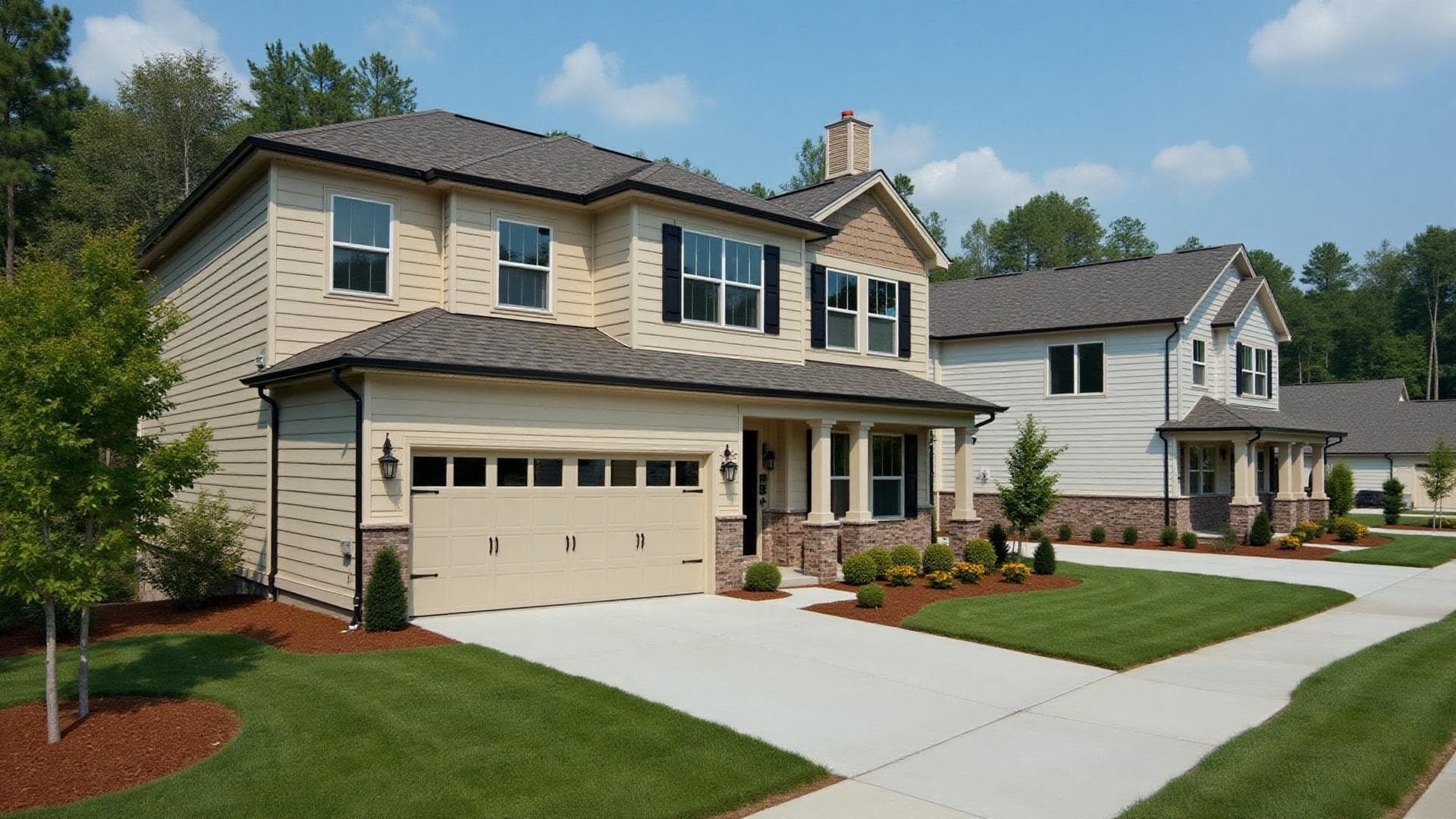
Gwinnett County is the second most populated county in Georgia and one of the fastest growing in the Southeast. That growth has produced a diverse housing stock ranging from 1970s ranch homes in Lilburn and Tucker to brand-new subdivisions in Dacula and Hamilton Mill.
All of this housing sits on the Piedmont geological province, the same ancient bedrock that runs through Fulton, DeKalb, and Cobb counties. The granite and gneiss underlying Gwinnett County contain trace uranium that decays into radon gas, which migrates upward through soil and into homes through foundation openings.
Gwinnett County's combination of population density and radon-producing geology means that tens of thousands of homes in the county likely have radon levels above the EPA action level. Most have never been tested. Check your specific area with our check radon levels for your area tool.
2. EPA Zone Rating
Gwinnett County is classified as EPA Zone 2, meaning the predicted average indoor radon level is between 2 and 4 pCi/L. This is the same moderate-risk classification as neighboring Fulton and DeKalb counties.
The Zone 2 rating should not be interpreted as "safe." It means the average is in the moderate range, but averages hide significant variation. In Gwinnett County, testing data shows that 20-30% of homes exceed the EPA action level of 4 pCi/L, and some homes test well above 10 pCi/L.
Zone Rating Limitations
The EPA zone map is a county-level tool based on geology and limited testing data. It cannot predict the radon level of any individual home. Two homes on the same street in Duluth or Lawrenceville can have readings of 1.5 pCi/L and 8.0 pCi/L respectively. Foundation type, soil permeability, construction details, and micro-geological variations all play a role. Testing is the only answer.
3. Higher-Risk Areas in Gwinnett
Based on local testing data and geological patterns, certain areas in Gwinnett County tend to show higher radon levels:
Western Gwinnett
Central Gwinnett
Eastern Gwinnett
Snellville, Loganville, and Dacula generally show slightly lower averages than western Gwinnett, but isolated pockets of elevated radon still occur. The rapid new construction in eastern Gwinnett means thousands of homes have been built but likely never tested.
4. Gwinnett County Geology
Gwinnett County's bedrock consists primarily of metamorphic rocks from the Piedmont geological province. The key formations include biotite gneiss, amphibolite, and occasional granite intrusions, all of which contain trace amounts of uranium.
The uranium decays through a chain that includes radium-226, which further decays into radon-222, the gas that enters homes. The process is natural and continuous. As long as the uranium exists in the rock (and it will for billions of years), radon will be produced. See our Gwinnett County radon case study and our Georgia radon map by county for more data.
The thick layer of weathered saprolite (decomposed rock and red clay) that covers most of Gwinnett County is permeable enough to allow radon migration upward toward foundations. Soil moisture, temperature, and barometric pressure all influence how much radon reaches the surface at any given time, which is why radon levels vary seasonally.
5. Local Testing Patterns
From aggregated testing data across Gwinnett County:
| Area | Typical Range | % Above 4 pCi/L |
|---|---|---|
| Duluth / Suwanee / Peachtree Corners | 3.0-5.0 pCi/L | 25-35% |
| Lawrenceville / Lilburn | 2.5-4.5 pCi/L | 20-30% |
| Buford / Sugar Hill | 2.0-4.0 pCi/L | 15-25% |
| Snellville / Loganville / Dacula | 2.0-3.5 pCi/L | 10-20% |
These are general patterns, not predictions for individual homes. Check your zip code with our radon risk lookup for area-specific data.
6. Testing Your Gwinnett County Home
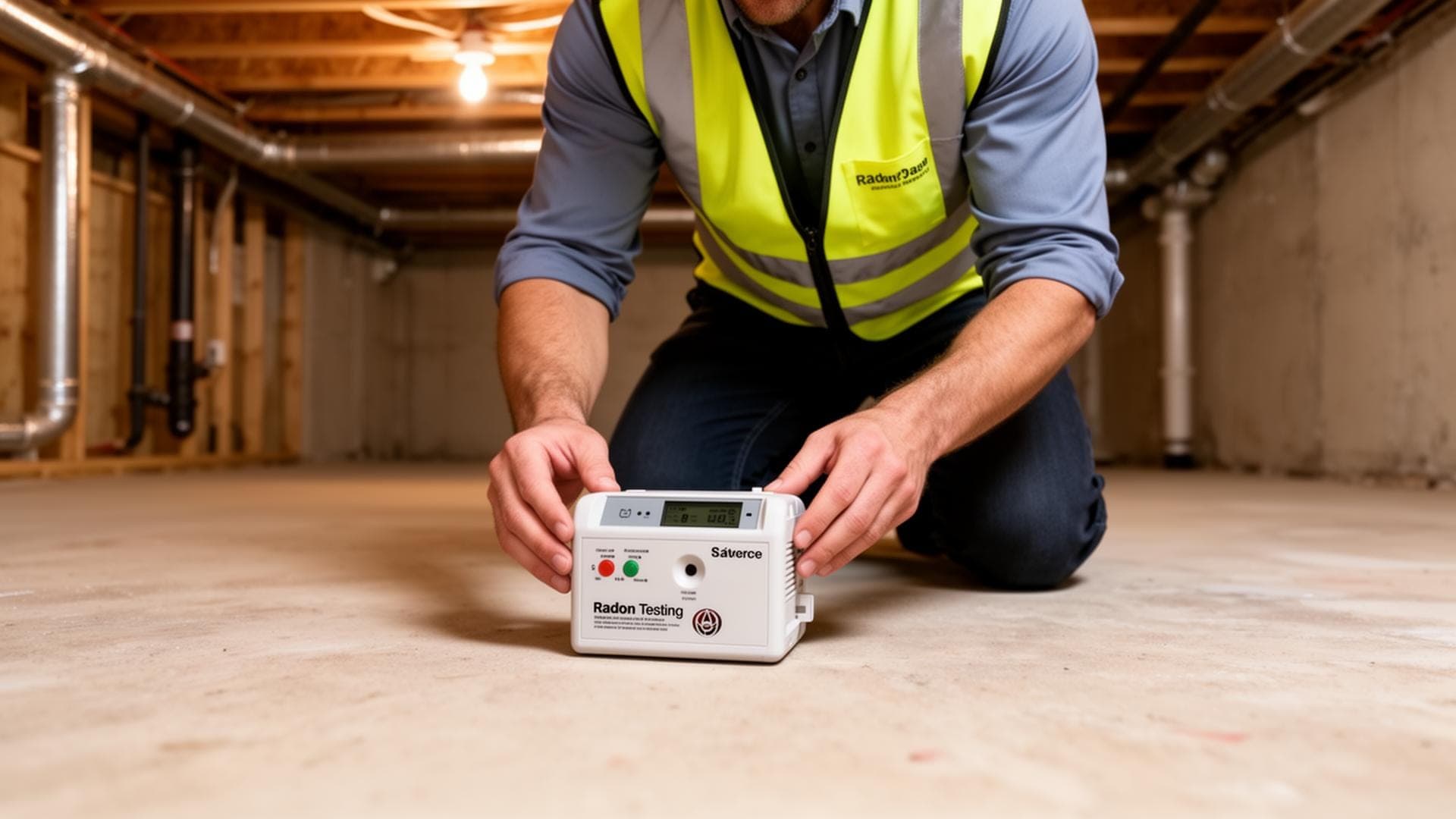
Testing for radon in Gwinnett County follows the same process as anywhere else. Place the test in the lowest livable area, maintain closed-house conditions for the test duration, and compare results to the EPA action level of 4 pCi/L.
For initial screening, a DIY test kit is a reasonable starting point. For real estate transactions or mitigation decisions, professional CRM testing provides more detailed and reliable data.
Winter testing captures the highest seasonal levels, making it the most conservative time to test. But any season is valid. Learn more about the best time to test in Georgia.
Gwinnett County Homeowners
If you have never tested your Gwinnett County home for radon, start now. The moderate EPA zone rating means your home has a real probability of being above the action level. A $15 DIY kit or a $150 professional test can give you an answer in 48 hours.
7. Mitigation Options and Costs
If your Gwinnett County home tests above 4 pCi/L, mitigation is the standard recommendation. The approach depends on your foundation type:
Slab or Basement
$1,200-$2,500
Sub-slab depressurization with one-day installation and 90-99% radon reduction.
Get a more specific estimate for your home with our radon system cost calculator.