Gwinnett County Radon Level Analysis
University of Georgia Research Reveals Radon Risks in Georgia's Second-Largest County
UGA Extension's comprehensive radon study in Gwinnett County found elevated radon levels in homes across Lawrenceville, Duluth, Suwanee, and surrounding communities, making professional testing essential for all Gwinnett County homeowners.
Study Overview
The University of Georgia Extension conducted extensive radon testing and research across Gwinnett County, Georgia's second-most populous county with over 950,000 residents. The study analyzed radon levels in homes throughout Lawrenceville, Duluth, Suwanee, Buford, Snellville, Lilburn, Norcross, and other Gwinnett communities to assess radon risk and inform public health recommendations.
Findings confirmed that Gwinnett County homes face moderate to elevated radon risk, with many tested homes exceeding the EPA action level of 4.0 pCi/L. The research emphasized that radon levels vary significantly across the county due to differences in geology, soil composition, and home construction, making testing the only reliable way to determine radon levels in any specific home.
Key Findings from This Case Study
Radon Level Data
- Approximately 30% of tested Gwinnett homes showed radon above 4.0 pCi/L
- Average radon level across tested homes: 3.2 pCi/L
- Some homes tested as high as 15+ pCi/L, nearly 4x the EPA action level
- Older neighborhoods (pre-1990) showed higher average radon concentrations
Geographic Patterns
- Northern Gwinnett (Suwanee, Buford) showed slightly higher radon prevalence
- Homes near granite outcrops and older geological formations had elevated risk
- Basement and crawl space homes tested higher than slab-on-grade construction
- Radon levels varied widely even within the same neighborhood
Why This Matters for Gwinnett County Homes
Your Gwinnett Home May Be at Risk
With nearly 1 in 3 tested homes showing radon above the EPA action level, Gwinnett County homeowners face significant radon risk. Whether you live in Lawrenceville, Duluth, Suwanee, Buford, or any other Gwinnett community, professional radon testing is the only way to know if your family is being exposed to dangerous radon levels.
Gwinnett's Rapid Growth and Older Housing Stock
Gwinnett County experienced explosive growth from the 1970s through the 2000s, resulting in a mix of older homes built without radon-resistant construction techniques and newer developments that may still have radon issues. The study found that older homes (built before 1990) showed higher average radon levels, but even newer homes can have elevated radon if built on radon-producing soil.
Geological Factors in Gwinnett County
Gwinnett County sits on varied geology, including granite bedrock, gneiss formations, and weathered soil that can produce radon gas. Areas in northern Gwinnett near the foothills showed slightly higher radon prevalence, but radon was found throughout the county. The UGA Extension study confirmed that radon risk exists everywhere in Gwinnett, not just specific zones.
Foundation Types Common in Gwinnett
The study found that basement and crawl space homes, common in many established Gwinnett neighborhoods, tested higher for radon than slab-on-grade homes. Basements and crawl spaces provide large surface areas for radon entry through cracks, gaps, and exposed soil. If your Gwinnett home has a basement or crawl space, testing is especially important.
Real Estate Implications
Gwinnett County's hot real estate market means homes change hands frequently. The UGA Extension research emphasized that radon testing should be part of every home purchase or sale in Gwinnett. Buyers deserve to know radon levels before closing, and sellers can increase home value by proactively testing and mitigating if necessary.
How Radon Enters Gwinnett County Homes
The UGA Extension study identified common radon entry pathways in typical Gwinnett County home construction:
Basement and Crawl Space Entry
Many Gwinnett homes, especially those built in the 1980s and 1990s, have basements or crawl spaces. Radon gas seeps through exposed soil, block walls, and foundation cracks in these below-grade spaces, then rises into living areas through HVAC ducts, stairs, and floor penetrations.
Slab Foundation Cracks
Homes on slab foundations, common in newer Gwinnett developments, can still have radon issues. Georgia's clay soil expands and contracts with moisture, causing slab cracking. Radon enters through these cracks, construction joints, and utility penetrations.
Sump Pump Pits and Floor Drains
Homes with basements often have sump pump pits and floor drains that connect directly to soil beneath the foundation. Without proper sealing, these openings provide direct pathways for radon gas to enter your home.
HVAC and Ductwork
HVAC systems in basements or crawl spaces can draw radon gas from below-grade areas and distribute it throughout your home. Leaky ductwork amplifies this problem, spreading radon to every room.
Recommended Actions for Gwinnett County Homeowners
Test Your Gwinnett Home Now
The UGA Extension study confirmed that radon is a real concern throughout Gwinnett County. Testing is quick, affordable, and the only way to know your home's radon level.
- Professional testing provides lab-experienced results you can trust
- Test the lowest lived-in level (basement if you have one)
- Cold weather testing (November-March) provides the most accurate results
- Retest every 2 years or after major renovations or foundation work
Understand Your Test Results
Interpreting your radon test results correctly is critical:
- Below 2.0 pCi/L: Low risk, but retest periodically
- 2.0-4.0 pCi/L: Elevated, consider mitigation to reduce exposure
- Above 4.0 pCi/L: EPA action level, professional mitigation recommended
- Above 10.0 pCi/L: High risk, immediate mitigation required
Remember: 30% of tested Gwinnett homes exceeded 4.0 pCi/L, so there's a real chance your home needs mitigation.
Install Professional Radon Mitigation
If your test shows radon above 4.0 pCi/L, our experienced radon mitigation systems reduce radon by up to 99%. We specialize in Gwinnett County homes and understand the unique construction and geological challenges of the area.
- Sub-slab depressurization for slab and basement homes
- Crawl space encapsulation and ventilation systems
- Sump pump sealing and radon barrier installation
- Post-mitigation testing to verify effectiveness
Real Estate Considerations
If you're buying or selling a home in Gwinnett County, include radon testing in your transaction. Buyers should request testing during inspections, and sellers can add value by testing proactively and providing documentation of low radon levels or successful mitigation.
Why Choose Our Radon Services in Gwinnett County
Local Gwinnett County Expertise
We've installed hundreds of radon mitigation systems throughout Gwinnett County, in Lawrenceville, Duluth, Suwanee, Buford, Snellville, Lilburn, and beyond. We understand Gwinnett's geology, housing stock, and construction styles, allowing us to design the most effective mitigation systems for your specific home.
Experienced and Experienced Professionals
Our team follows EPA protocols for all testing and mitigation work. We stay updated on the latest radon research, including the UGA Extension studies, to provide the best service to Gwinnett families.
Proven Results with Verified Performance
Every mitigation system we install is verified with post-mitigation testing. We don't consider the job done until your radon levels drop below 2.0 pCi/L, well below the EPA action level. We provide written documentation for your peace of mind and future real estate transactions.
Fast, Professional Service
We respond quickly to Gwinnett County homeowners and complete most mitigation installations in just one day. Our systems are designed to be quiet, unobtrusive, and blend with your home's exterior. We provide ongoing support to ensure your system continues to protect your family for years to come.
We Serve All Gwinnett County Communities:
Frequently Asked Questions
Schedule Your Gwinnett County Radon Test
30% of tested homes need mitigation, find out if yours is one of them
Explore More Radon Research and Resources
Learn more about radon protection for Metro Atlanta and Gwinnett County homes
Radon Safety Resources
Expert insights and guides to keep you informed
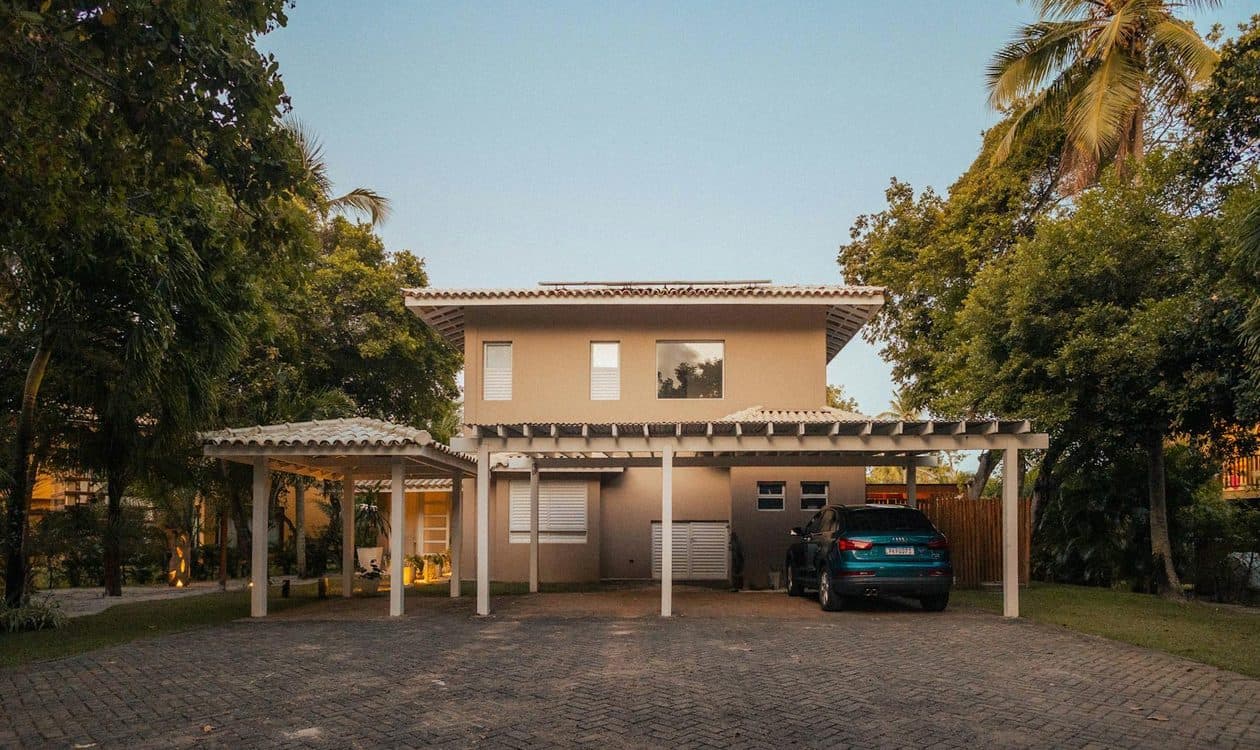
Radon Levels Chart: What Every Reading Means, From 0.4 to 20+ pCi/L
A radon levels chart from 0.4 to 20+ pCi/L. What each reading means, the EPA lifetime lung cancer risk at every level for smokers and never-smokers, the WHO reference level, and exactly what to do next at your number.
Read more about Radon Levels Chart: What Every Reading Means, From 0.4 to 20+ pCi/L →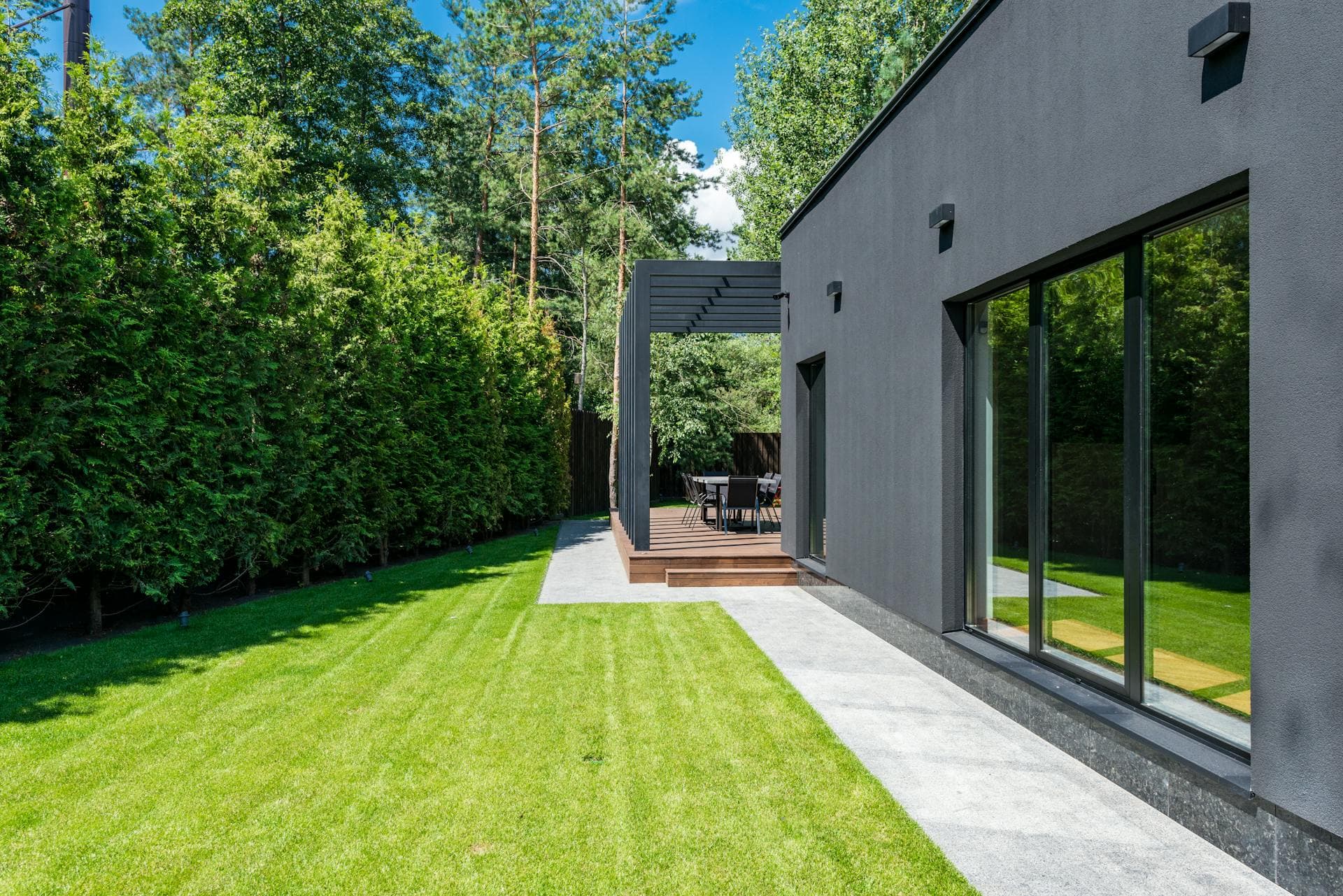
Radon in Holly Springs, Georgia: A Cherokee County Homeowner Guide
A local guide for Holly Springs and Cherokee County homeowners. Why north-Georgia granite geology produces elevated indoor radon in many homes, why every home should be tested regardless of zone, and how testing and mitigation work.
Read more about Radon in Holly Springs, Georgia: A Cherokee County Homeowner Guide →
Radon in Athens, Georgia: An Athens-Clarke County Homeowner Guide
A local guide for Athens and Athens-Clarke County homeowners, landlords, and renters. Why north-Georgia geology produces elevated indoor radon in many homes, why every home and rental should be tested regardless of zone, and how testing and mitigation work.
Read more about Radon in Athens, Georgia: An Athens-Clarke County Homeowner Guide →