1. Why Dunwoody Homeowners Should Know About Radon
Dunwoody sits in northern DeKalb County on the Piedmont geological province. The bedrock here includes gneiss and granite formations that contain naturally occurring uranium. As uranium decays through radium, it produces radon gas that migrates upward through soil and enters homes through foundation cracks, construction joints, and gaps around pipes.
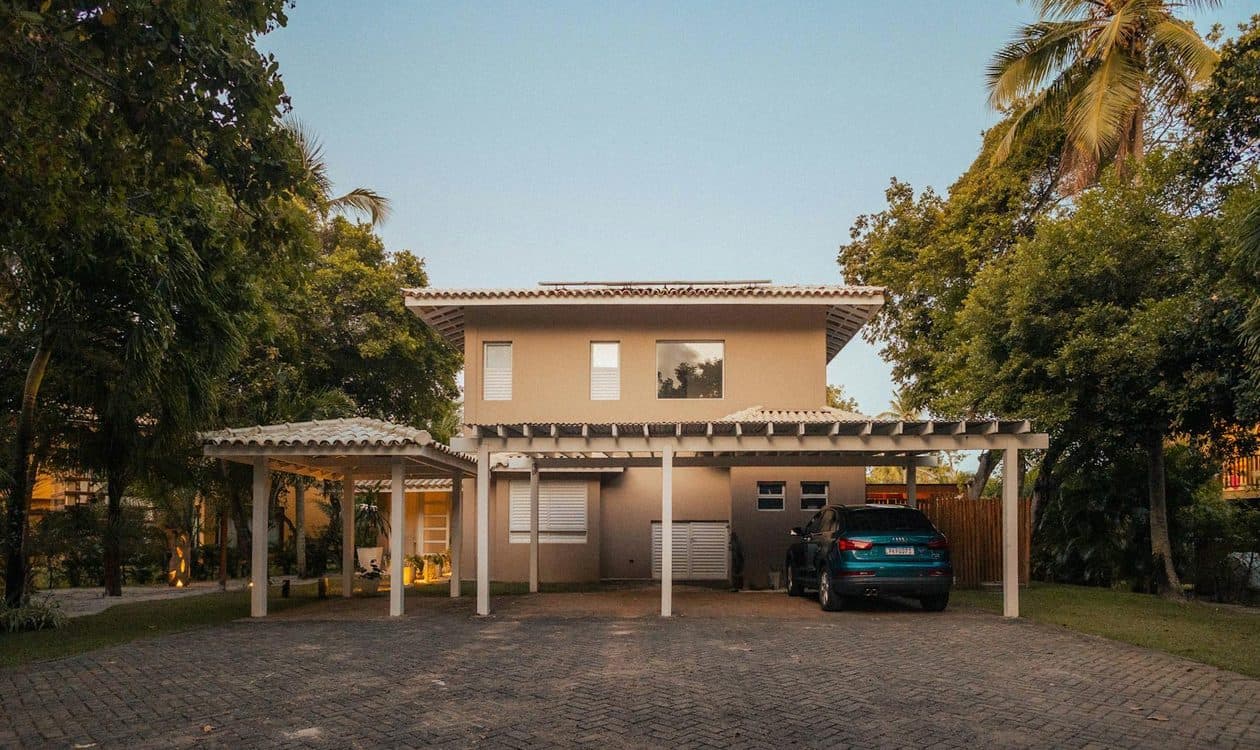
Much of Dunwoody's housing stock was built between the 1960s and 1990s, though newer construction continues throughout the city. The older ranch homes and split-levels that define neighborhoods like Dunwoody Village and Georgetown often have basements or crawl spaces that create direct pathways for radon entry. But even newer slab-on-grade homes are not immune.
Radon is odorless and invisible. Long-term exposure to elevated levels is the second leading cause of lung cancer in the United States. The only way to know whether your Dunwoody home has a radon problem is to schedule professional radon testing.
2. EPA Zone Designation for Dunwoody
Dunwoody falls within DeKalb County, which the EPA classifies as Zone 2. This designation means the predicted average indoor radon level for the county is between 2 and 4 pCi/L. The EPA considers this a moderate risk area, but that county-level average can be misleading for specific cities and neighborhoods.
| Zone | Predicted Avg | Risk Level |
|---|---|---|
| Zone 1 (Highest) | Above 4 pCi/L | High |
| Zone 2 (DeKalb County / Dunwoody) | 2-4 pCi/L | Moderate |
| Zone 3 (Lowest) | Below 2 pCi/L | Low |
Moderate Risk Still Means Many Homes Are Above 4 pCi/L
A Zone 2 designation means the average is between 2-4 pCi/L, but averages include homes on both sides. In Dunwoody specifically, 20-30% of tested homes exceed the EPA action level. Two homes on the same street can have very different radon levels based on foundation type, soil permeability, and construction details. Testing is essential.
3. Neighborhoods with Higher Radon Potential
All Dunwoody homes should be individually tested, but certain neighborhoods show patterns of higher radon readings:
For broader county-level data, see our DeKalb County radon guide.
Check your specific zip code using our view radon data for your area for an area-level risk assessment.
4. Local Testing Data and Patterns
Aggregated testing data from radon professionals working in Dunwoody shows several consistent patterns: Neighboring cities like Brookhaven, Sandy Springs, and Tucker show similar radon patterns due to shared geology.
Dunwoody's older housing stock is a factor in the testing data. Homes built in the 1960s through 1980s have had decades of foundation settling, which creates more cracks and gaps for radon to enter. However, this does not mean newer homes are safe. The geology is the primary driver, and it does not change based on construction date.
5. How to Test Your Dunwoody Home
Radon testing is straightforward and affordable. Here is the recommended approach for Dunwoody homeowners:
Choose Your Test Type
A short-term test (48 hours minimum) is good for initial screening. For real estate transactions, professional CRM testing is the standard. DIY charcoal kits cost $15-40 plus lab fees for a general check.
Place the Test Correctly
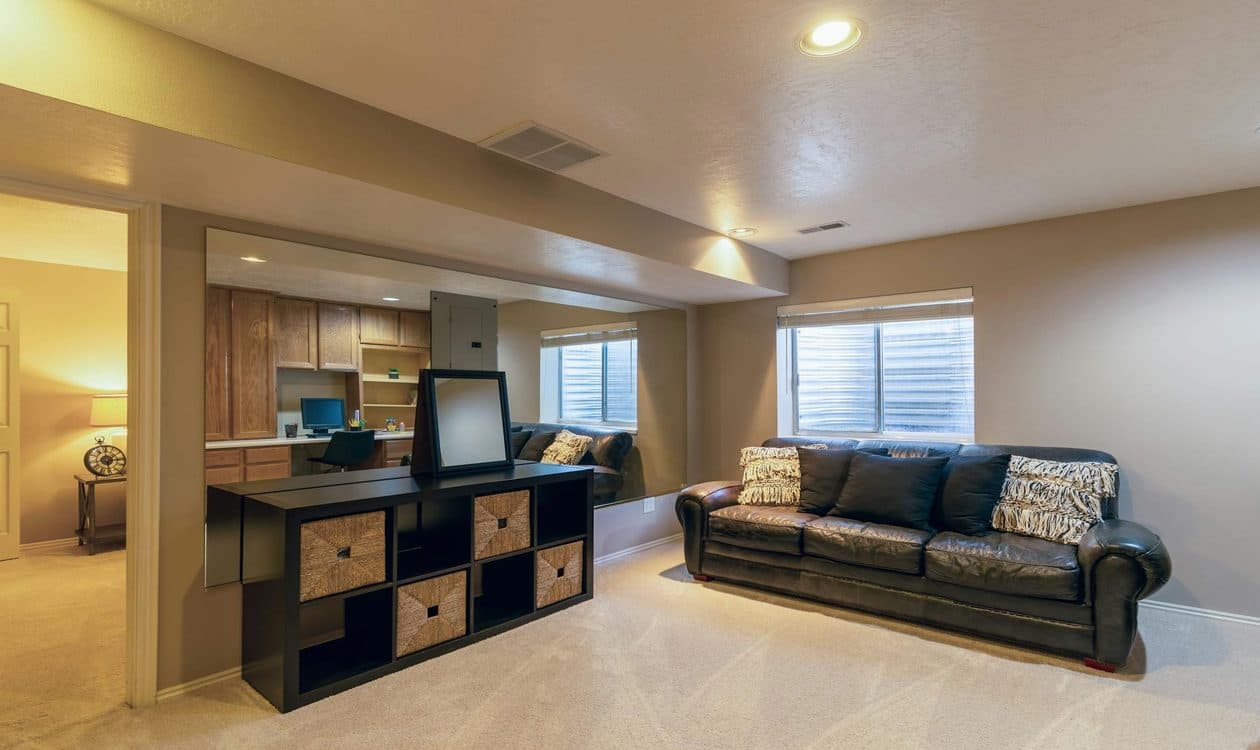
Test in the lowest livable level. For Dunwoody homes with basements, that means the basement, even if you do not use it daily. For slab homes, test on the main floor. Keep the test away from windows, exterior walls, and drafts. Maintain closed-house conditions during the testing period.
Interpret Your Results
Below 2 pCi/L: Low risk, retest every 2 years. Between 2-4 pCi/L: Consider a follow-up long-term test or mitigation. Above 4 pCi/L: The EPA recommends have your radon levels lowered. Above 8 pCi/L: Prioritize mitigation promptly.
Many Dunwoody homeowners first learn about radon during a home sale. If you are buying or selling, read our guide on radon and basements to understand how below-grade spaces affect radon levels.
6. Mitigation Options for Dunwoody Homes
If your Dunwoody home tests above 4 pCi/L, mitigation is effective and typically completed in a single day. The right system depends on your foundation:
Slab or Basement
$1,200-$2,500
Sub-slab depressurization: a suction point through the foundation, PVC piping, and a fan that pulls radon from beneath the slab and vents it above the roofline.
Crawl Space
$2,500-$5,000
Sub-membrane depressurization: a sealed vapor barrier over exposed soil with active suction pulling radon from beneath the membrane and venting it outside.
Both systems achieve 90-99% radon reduction. A post-mitigation test confirms the system is performing as expected. Use our see typical mitigation costs to get a more specific estimate for your home.
For more information, read our Georgia radon disclosure laws.
Dunwoody Homeowners
With 20-30% of Dunwoody homes testing above the EPA action level, testing is not something to put off. A 48-hour test gives you a clear answer. If mitigation is needed, it is a one-day installation that solves the problem permanently. The cost is modest compared to the long-term health risk of breathing elevated radon.