1. What Is Radon and Why Should Georgia Homeowners Care
Radon is a radioactive gas that forms naturally when uranium in soil and rock breaks down. You cannot see it, smell it, or taste it. It seeps into homes through cracks in the foundation, gaps around pipes, and any opening where the building contacts the ground. Once inside, it accumulates in enclosed spaces and becomes a serious health risk.
The EPA and the Surgeon General identify radon as the second leading cause of lung cancer in the United States, responsible for roughly 21,000 deaths per year. That is more than drunk driving, house fires, and carbon monoxide poisoning combined. And unlike many cancer risk factors, radon exposure is something you can measure and fix.
Georgia homeowners face a particular challenge because much of the state sits on the Piedmont geological region, a belt of granite and metamorphic rock that contains naturally elevated levels of uranium. This geology runs directly through Metro Atlanta, North Georgia, and much of the northeast portion of the state. The result: Georgia consistently produces some of the highest radon readings in the Southeast.
Why This Matters Now
Radon exposure is cumulative. The longer you breathe elevated radon levels, the greater your risk. If you have been in your home for years without testing, your cumulative exposure is already significant. Testing takes 48 hours and costs less than a dinner out. There is no good reason to wait.
2. Georgia Radon Risk Zones by County
The EPA divides every US county into three radon zones based on predicted average indoor radon levels. Understanding where your county falls gives you a starting point for assessing your risk, but it does not replace actual testing. Homes in low-risk zones can still have high radon, and homes in high-risk zones can test low. Geology varies at the neighborhood and even lot level.
Zone 1 (Highest Risk): Predicted Average Above 4 pCi/L
Thirty-nine Georgia counties fall in Zone 1, including Fulton, DeKalb, Gwinnett, Cobb, Cherokee, Forsyth, Hall, Lumpkin, and most of North Georgia. These counties sit on or near the Piedmont granite belt. If you live in a Zone 1 county, the probability that your home has elevated radon is significantly higher than the national average.
Zone 2 (Moderate Risk): Predicted Average 2-4 pCi/L
Counties in the transition zone between the Piedmont and the Coastal Plain, including parts of Central Georgia. Clayton, Henry, Rockdale, and Newton counties fall here. Elevated radon is common enough that testing is strongly recommended.
Zone 3 (Lower Risk): Predicted Average Below 2 pCi/L
South Georgia and the Coastal Plain have sandy soils that are more permeable and allow radon to dissipate before accumulating. But "lower risk" does not mean "no risk." The EPA still recommends testing all homes regardless of zone designation.
Want to check your specific area? Use our free radon risk lookup tool to check radon risk for your zip code. For a deep dive into county-by-county data, see our complete guide to Georgia radon levels.
3. How to Check Your Home's Radon Risk
Before you test, it helps to understand what factors make your home more or less likely to have elevated radon. None of these factors are a substitute for testing, but they give you context.
Your County's EPA Zone
Zone 1 counties have the highest predicted radon potential. Enter your zip code in our find radon levels near you tool to check instantly.
Your Foundation Type
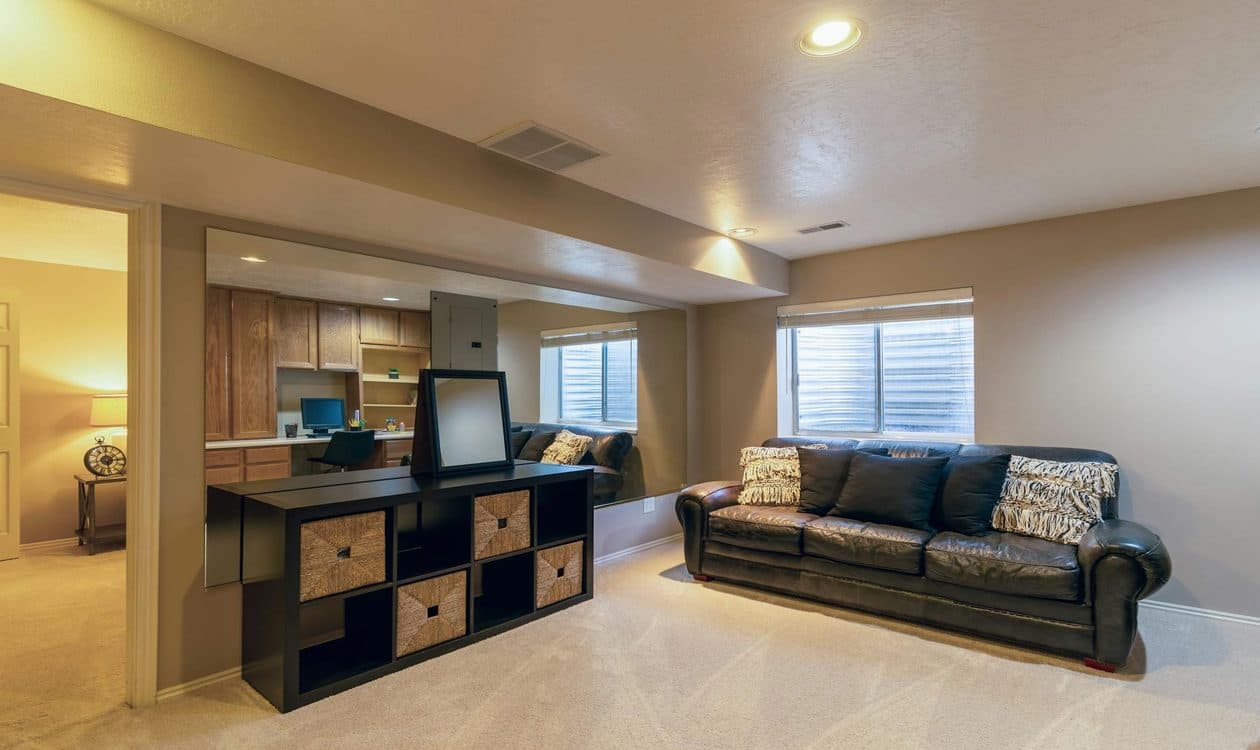
Homes with basements tend to have the highest radon levels because they have the most ground contact. Crawl space homes and slab-on-grade homes are also at risk. No foundation type is immune.
Your Home's Age
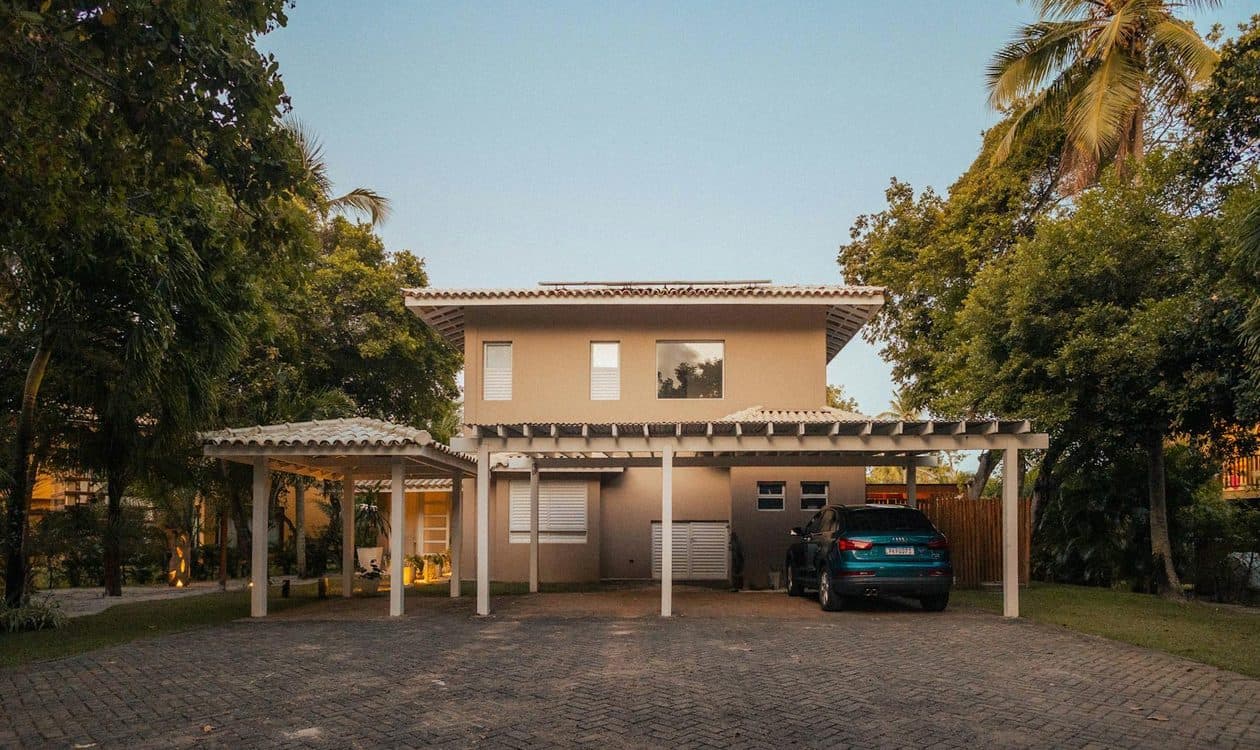
Older homes typically have more cracks, gaps, and settling in the foundation, providing more entry points for radon. Newer homes may have radon-resistant features, but they still need testing.
Neighbor Test Results
If neighbors have tested high, your home is more likely to as well. But radon can vary dramatically between houses on the same street due to differences in soil composition, foundation condition, and air pressure dynamics.
4. Radon Testing Options for Georgia Homes
There are two main categories of radon testing: DIY and professional. Both measure the same thing, but they differ in accuracy, detail, and what situations they are appropriate for.
DIY Test Kits ($15-$40)
Charcoal-based test kits are available at hardware stores and online. You place the kit in the lowest livable area of your home for 48 to 96 hours, then mail it to a lab for analysis. Results come back in about a week. These kits are good for an initial screening. They give you a single average number for the test period. For a detailed comparison, read our guide on DIY radon tests vs professional testing.
Professional CRM Testing ($125-$250)
A professional radon test uses a continuous radon monitor (CRM) that records hourly radon levels over 48+ hours. This provides much more data: you can see fluctuations, identify peak levels, and detect tampering or interference. Professional testing is required for real estate transactions and is the better option when you need to make decisions about mitigation.
| Feature | DIY Kit | Professional CRM |
|---|---|---|
| Cost | $15-$40 | $125-$250 |
| Data detail | Single average | Hourly readings |
| Tamper detection | No | Yes |
| Real estate accepted | Rarely | Yes |
| Results turnaround | 5-7 days | Same day |
Not sure which to choose? Our guide on how long radon testing takes breaks down the timeline for each method.
5. Understanding Your Test Results
Radon is measured in picocuries per liter of air (pCi/L). Here is how to interpret your results:
Below 2.0 pCi/L
Low
Average outdoor level is 0.4 pCi/L. Below 2.0 is considered low risk. Retest every 2-5 years.
2.0 - 3.9 pCi/L
Moderate
EPA recommends considering mitigation. Retest to confirm. The WHO action level is 2.7 pCi/L.
4.0 pCi/L and Above
Action Level
EPA says to mitigate. At 4.0 pCi/L, lifetime lung cancer risk is comparable to smoking half a pack per day.
Keep in mind that radon levels fluctuate. A single test gives you a snapshot, not a permanent answer. Winter levels tend to be higher than summer due to the stack effect. If you test in summer and get a result near 4.0, a winter retest may come back higher. If you test in winter and get a low result, you can feel more confident.
The Average Outdoor Radon Level
The average outdoor radon concentration is about 0.4 pCi/L. The average indoor level in the US is 1.3 pCi/L. In Georgia, the average indoor level in tested homes runs higher, typically 2 to 5 pCi/L in Zone 1 counties. Check our Metro Atlanta radon data for local averages.
6. Radon Mitigation: What Georgia Homeowners Should Know
If your home tests at or above 4.0 pCi/L, the standard solution is an active soil depressurization (ASD) system. This is a proven technology that has been used in millions of homes nationwide with a success rate above 95%. The concept is straightforward: a fan pulls radon-laden air from beneath your foundation and vents it above your roofline, where it disperses harmlessly.
The specific type of system depends on your foundation. For slab and basement homes, the standard approach is sub-slab depressurization. For crawl space homes, sub-membrane depressurization is used instead. Both achieve similar reduction rates.
What Happens During Installation
Most residential installations take one day. The system runs quietly and continuously, using about the same electricity as a light bulb. For a complete technical breakdown, see our guide on how radon mitigation systems work.
Mitigation Works
Radon mitigation is one of the most effective environmental health interventions available. A properly installed system reduces radon levels by 95 to 99% in most homes. The technology is well-established, affordable, and backed by decades of EPA data. Learn more about radon mitigation effectiveness rates. You can also read about radon testing dos and donts, how long radon systems last, and the return on investment for radon mitigation.
7. What Radon Testing and Mitigation Cost in Georgia
Radon protection is one of the most affordable home safety investments you can make. Here is what Georgia homeowners typically pay:
| Service | Typical Cost | Notes |
|---|---|---|
| DIY test kit | $15-$40 | Good for initial screening |
| Professional CRM test | $125-$250 | Required for real estate |
| Slab/basement mitigation | $1,200-$2,500 | Sub-slab depressurization |
| Crawl space mitigation | $2,500-$5,000 | Sub-membrane + encapsulation |
| Annual fan electricity | $50-$100/yr | Runs continuously |
Use our radon mitigation cost estimator to get a personalized estimate based on your home type and foundation. For a detailed cost breakdown, see our complete guide to radon mitigation costs in Atlanta.
Cost Perspective
A radon mitigation system costs roughly the same as a new water heater and protects your family from the second leading cause of lung cancer. The average cost of treating lung cancer in the US exceeds $100,000. Prevention is significantly less expensive than treatment. Use our radon mitigation pricing tool to estimate your specific cost.
Have more questions? Visit our frequently asked questions about radon page, or check out our homeowner radon guide for additional resources. You can also review Metro Atlanta radon data from the grant program.