When homeowners discover elevated radon levels, their first question is often: "Does mitigation actually work?" The answer, backed by decades of research and millions of successful installations, is a resounding yes. Professional radon mitigation systems are among the most effective environmental interventions available for any home hazard.
This deep dive examines the science, data, and real-world results that demonstrate mitigation effectiveness. We'll explore why systems achieve such remarkable success rates, what factors influence outcomes, and how Georgia homeowners can ensure they receive the full protective benefits of professional radon mitigation. For details on the most common technique, read about sub-slab depressurization and our radon mitigation services.
Key Takeaways: Why Mitigation Works
- 95-99% effectiveness: Professional ASD systems consistently reduce radon to safe levels
- Immediate results: Systems begin working within hours of installation
- Proven longevity: Systems remain effective for 25+ years with minimal maintenance
- EPA endorsed: Recognized as the standard solution for radon reduction nationwide
1. Proven Results: The Science Behind 99% Effectiveness
The effectiveness of radon mitigation isn't theoretical, it's documented across millions of installations worldwide. Understanding why systems work so well requires examining the fundamental physics of radon movement and how mitigation interrupts it.
What Research Shows
The Environmental Protection Agency (EPA) has extensively studied radon mitigation effectiveness. Their findings consistently demonstrate:
ASD Reduction Rate
The most common and effective method
Typical reduction rate
Sub-Membrane Depressurization
For crawl space applications
Typical reduction rate
The Physics of Success
Radon mitigation works because it fundamentally alters the pressure dynamics between your home and the soil. Here's why it's so effective:
Pressure Reversal
Homes naturally create negative pressure that draws radon in. Mitigation systems create stronger negative pressure beneath the foundation, redirecting gas away from your home.
Continuous Operation
Unlike passive approaches, active systems run 24/7, providing constant protection regardless of weather conditions, seasonal changes, or occupant behavior.
Path of Least Resistance
The suction point provides an easier escape route for radon than the random cracks in your foundation, naturally channeling the gas away from living spaces.
EPA Statement on Effectiveness
"Radon levels in most homes can be reduced to 2 pCi/L or below... In some cases, radon levels can be reduced to the average concentration found outdoors (0.4 pCi/L)."
, EPA Consumer's Guide to Radon Reduction
2. How Radon Mitigation Systems Actually Work
Understanding how mitigation systems achieve such remarkable results helps homeowners appreciate why professional installation is crucial. Each component plays a specific role in the overall effectiveness.
Professional radon mitigation protects Atlanta homes from harmful gas intrusion
Core System Components
Suction Point(s)
A 4-inch diameter hole cored through the foundation slab. The area beneath is often excavated to create a small pit that enhances airflow from the sub-slab aggregate.
Impact on effectiveness: Proper placement and pit excavation can improve system efficiency by 20-40%.
PVC Piping System
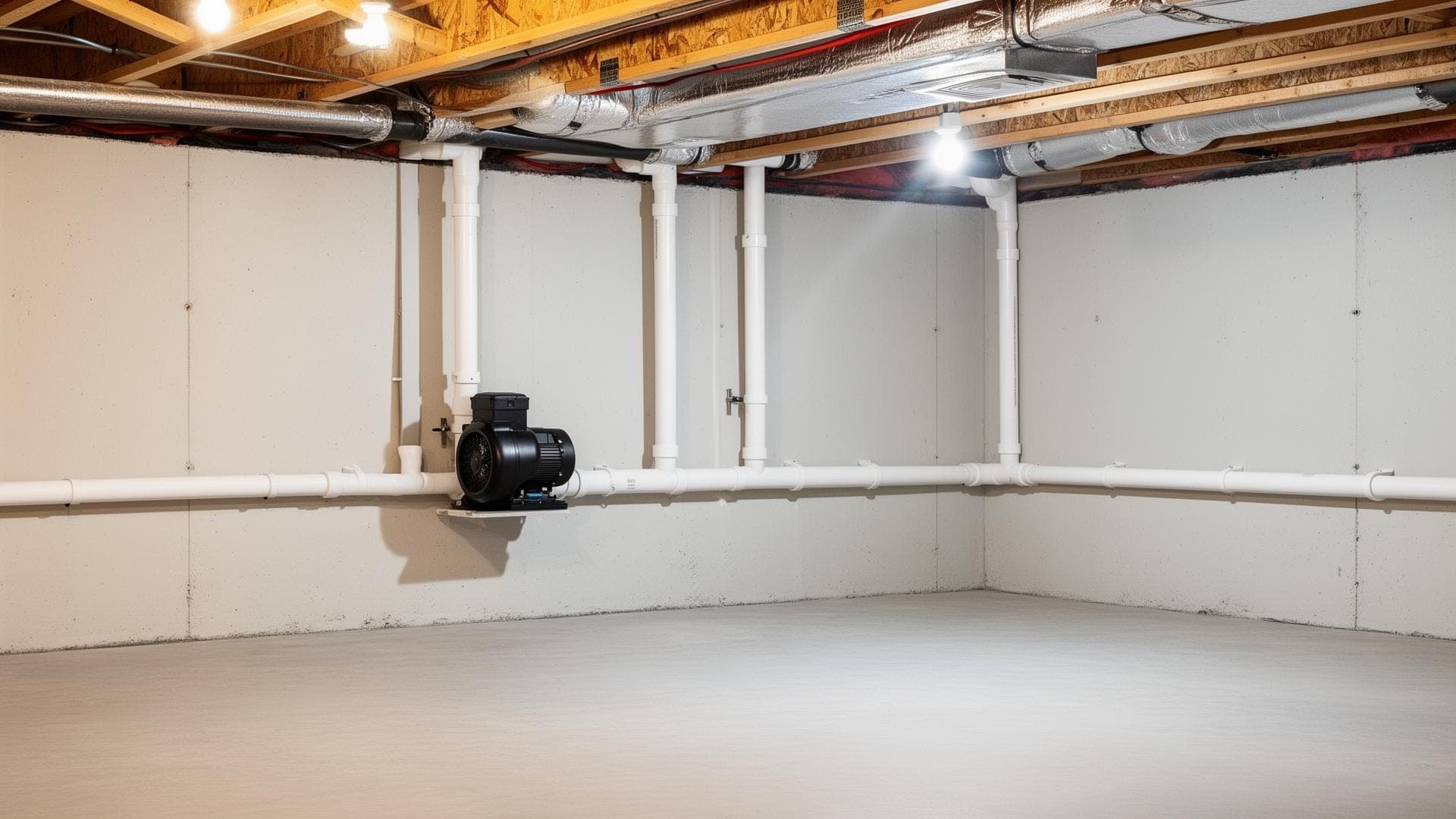
Schedule 40 PVC pipe (typically 3" or 4" diameter) creates an airtight pathway from below the foundation to above the roofline.
Impact on effectiveness: Proper sizing and sealing prevent air leaks that could reduce suction pressure by 50% or more.
Inline Radon Fan
A specialized fan designed for continuous operation, typically consuming 25-100 watts. Creates the negative pressure that draws radon from beneath the home.
Impact on effectiveness: Fan selection based on sub-slab conditions is critical, undersized fans fail to create adequate suction.
Discharge Point
The pipe terminus above the roofline where radon is safely released into the atmosphere, where it quickly dilutes to harmless concentrations.
Impact on effectiveness: Must be positioned away from windows and air intakes to prevent re-entry.
Manometer (U-Tube)
A simple liquid-filled gauge that provides visual confirmation the system is creating negative pressure and operating correctly.
Impact on effectiveness: Enables homeowners to quickly identify fan failure before radon levels rise.

Families throughout Atlanta enjoy peace of mind with professionally installed radon protection
The Depressurization Field
The key to system effectiveness is the "pressure field extension", the area beneath your foundation where negative pressure is maintained. A well-designed system creates a pressure field that extends under the entire footprint of your home, ensuring no radon can bypass the suction point.
Why DIY Installation Often Fails
Professional contractors conduct diagnostic testing to verify the pressure field extends to all areas of the foundation. Without proper testing, DIY installations may leave portions of the home unprotected, dramatically reducing overall effectiveness.
3. Types of Mitigation Systems & Their Effectiveness
Different home constructions require different mitigation approaches. Understanding which system type applies to your situation helps set realistic expectations for effectiveness.
Active Soil Depressurization (ASD)
For homes with basements or slab-on-grade foundations
How It Works
A suction point is installed through the concrete slab, connected to a fan that draws radon from the aggregate layer beneath the foundation.
Effectiveness
Most effective system type; industry gold standard
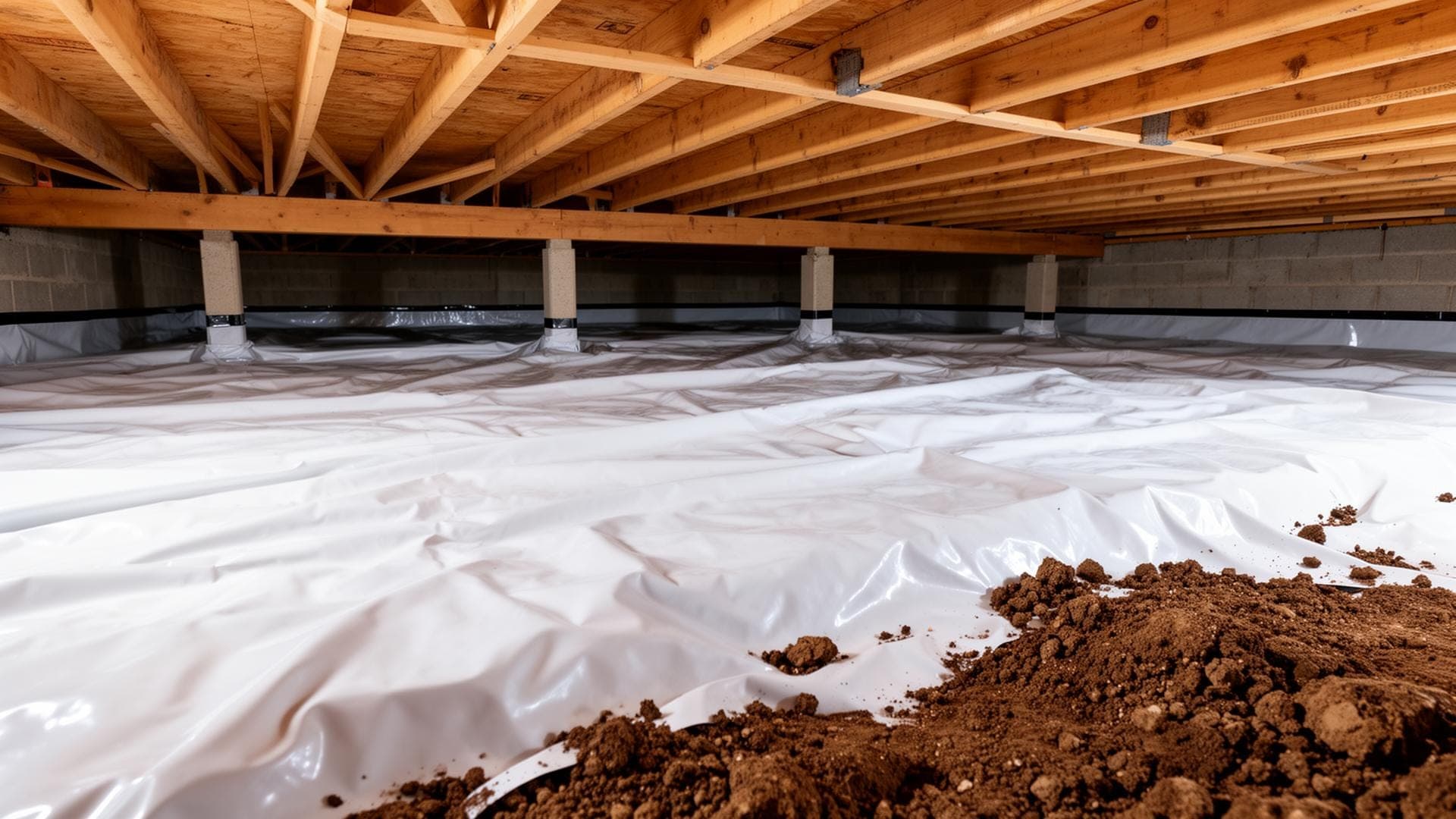
Sub-Membrane Depressurization (SMD)
For homes with dirt crawl spaces
How It Works
A heavy-duty polyethylene membrane is sealed over the dirt floor. Suction is applied beneath the membrane, drawing radon before it can enter the home.
Effectiveness
Highly effective when properly sealed
Drain Tile Suction
For homes with existing drainage systems
How It Works
Suction is applied to existing interior or exterior drain tiles, using the drainage system as the collection network for sub-slab gases.
Effectiveness
Effectiveness depends on drain tile condition
Block Wall Suction
For homes with hollow block foundation walls
How It Works
Suction is applied to the hollow cores of block foundation walls, which can act as pathways for radon entry.
Effectiveness
Often combined with sub-slab suction
4. Before & After: Real-World Reduction Data
Nothing demonstrates mitigation effectiveness better than actual results. Here's what professional installations consistently achieve across different starting levels:
Typical Reduction Results by Starting Level
Metro Atlanta Case Examples
Foundation: Full basement, 2,400 sq ft
Pre-mitigation: 18.4 pCi/L
Post-mitigation: 1.2 pCi/L
Reduction: 93.5%
System: Single-point ASD
Foundation: Crawl space + partial basement
Pre-mitigation: 8.7 pCi/L
Post-mitigation: 0.8 pCi/L
Reduction: 90.8%
System: SMD + ASD combination
Foundation: Slab-on-grade, 1,800 sq ft
Pre-mitigation: 6.2 pCi/L
Post-mitigation: 0.6 pCi/L
Reduction: 90.3%
System: Single-point ASD
Foundation: Walkout basement, 3,200 sq ft
Pre-mitigation: 42.6 pCi/L
Post-mitigation: 1.8 pCi/L
Reduction: 95.8%
System: Two-point ASD
5. Georgia-Specific Mitigation Considerations
Georgia's unique geology and construction practices create specific considerations for mitigation effectiveness. Understanding these factors helps ensure optimal system performance in Metro Atlanta homes.
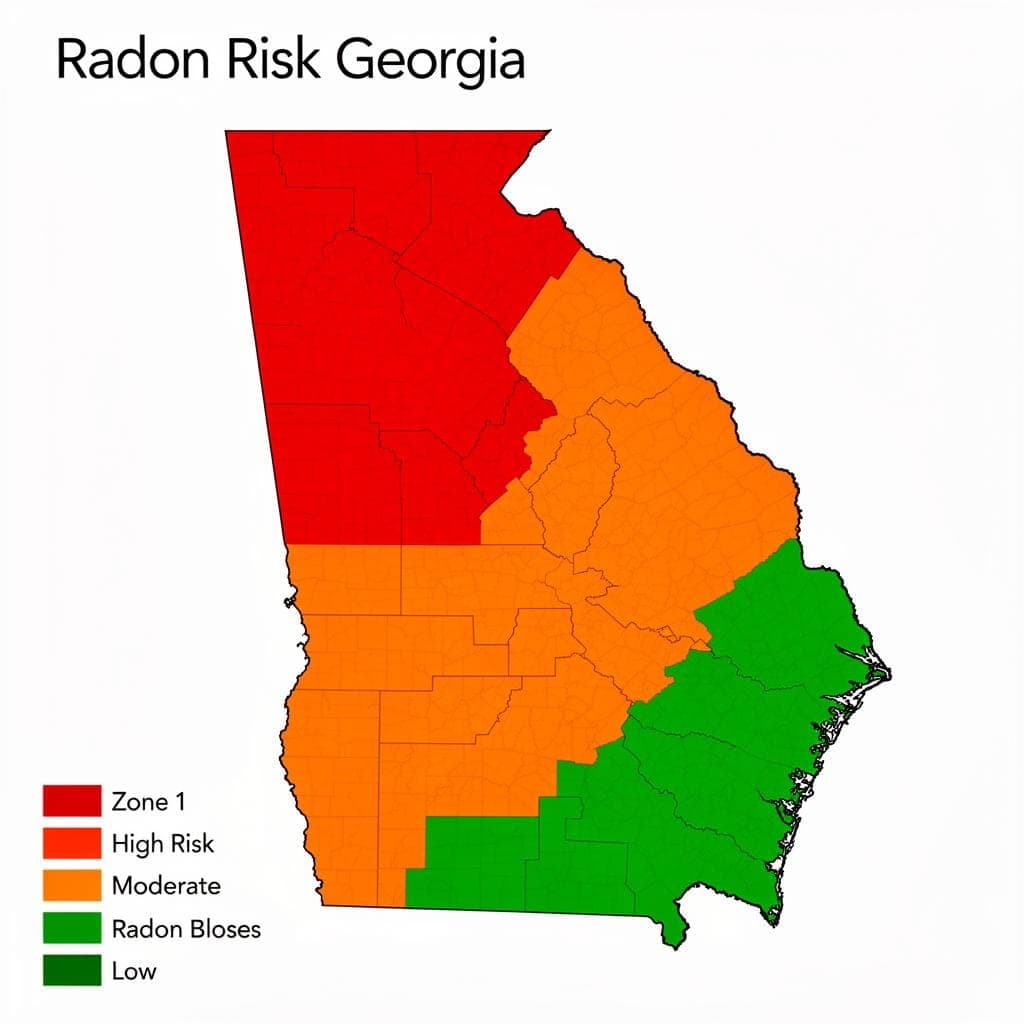
Georgia's radon zones, Metro Atlanta spans multiple risk categories
Piedmont Region Geology
The granite and gneiss bedrock underlying Metro Atlanta creates specific conditions that affect mitigation:
Advantages for Mitigation
- Clay soils common in Georgia create good seal around suction points
- Sub-slab aggregate in modern construction provides excellent pressure field extension
- Mild climate allows for year-round installation
Challenges to Address
- Older homes may lack sub-slab aggregate, requiring diagnostic testing
- High humidity can affect crawl space systems without proper vapor barriers
- Variable soil conditions may require multiple suction points
Common Georgia Foundation Types
| Foundation Type | Prevalence in Metro Atlanta | Recommended System | Expected Effectiveness |
|---|---|---|---|
| Full Basement | 30-40% | Standard ASD | 95-99% |
| Crawl Space | 35-45% | SMD | 90-98% |
| Slab-on-Grade | 15-25% | ASD | 95-99% |
| Combination | 10-15% | Multi-system | 92-97% |
6. Factors That Affect Mitigation Success
While mitigation systems are highly effective overall, certain factors can influence the degree of radon reduction achieved:
Positive Factors (Improve Effectiveness)
- • Good sub-slab aggregate: Gravel or crushed stone allows excellent air movement
- • Sealed foundation: Fewer air leaks mean better pressure field extension
- • Proper fan sizing: Adequate suction for the home's characteristics
- • Professional installation: Correct placement and sealing techniques
- • Regular maintenance: Ensuring continued optimal performance
Challenging Factors (May Require Additional Measures)
- • Tight clay soils: May limit pressure field extension
- • Complex foundations: Multiple foundation types require multiple systems
- • High water table: May affect sub-slab conditions
- • Older construction: No aggregate layer beneath slab
- • Very large homes: May need additional suction points
Factors That Reduce Effectiveness
- • Fan failure: System stops working entirely until replaced
- • Air leaks: Unsealed cracks reduce suction efficiency
- • Improper installation: Wrong placement or inadequate sealing
- • Undersized fan: Insufficient suction for conditions
7. Long-Term System Performance & Reliability
One of the most remarkable aspects of radon mitigation is the long-term reliability of properly installed systems. Here's what decades of data tell us about system longevity:
PVC pipe and structural components lifespan
Typical radon fan lifespan before replacement
Average electricity cost to operate system
Performance Consistency Over Time
Studies tracking mitigation systems over 10-20 year periods consistently show that properly installed systems maintain their effectiveness indefinitely, provided:
- The fan remains operational (check manometer regularly)
- No major foundation modifications are made
- The discharge point remains unobstructed
- Pipe connections remain sealed and intact
Radon Fan Warranties
Quality radon fans come with 5-year manufacturer warranties. Many homeowners experience 15+ years of operation before needing replacement. Fan replacement is straightforward and typically costs $200-400 including installation.
8. Cost-Benefit Analysis: Is Mitigation Worth It?
When evaluating any home safety investment, understanding the return is essential. Radon mitigation offers exceptional value when considering both health protection and property value impacts.
Upfront Investment
Typical Metro Atlanta Costs
- Standard ASD system: $800 - $1,500
- Complex installations: $1,500 - $2,500
- Crawl space SMD: $1,200 - $2,000
- Multi-point systems: $1,800 - $3,000
Ongoing Costs
- Electricity: $50-100/year
- Fan replacement: $200-400 (every 10-15 years)
- Periodic testing: $150-250 (every 2-5 years)
Health Value
The EPA estimates that reducing radon from 10 pCi/L to below 2 pCi/L reduces lifetime lung cancer risk from approximately 1 in 50 to less than 1 in 500. For a family of four, this represents:
Without Mitigation (10 pCi/L)
Chance at least one family member develops radon-induced lung cancer over 30 years
With Mitigation (<2 pCi/L)
Dramatically reduced risk, equivalent to outdoor air quality
Property Value Impact
- Maintained value: A properly mitigated home maintains full market value
- Selling advantage: A mitigated home shows proactive maintenance to buyers
- Negotiation protection: Avoids $3,000-$10,000 buyer requests during sale
- Disclosure compliance: Demonstrates responsible ownership history
Bottom Line
At $1,200-$1,500 for most installations, radon mitigation costs less than many routine home improvements but provides decades of documented health protection. The cost per year of protection is typically under $100, less than most streaming service subscriptions.
9. Maintaining Effectiveness Over Time
Radon mitigation systems require minimal maintenance, but a few simple practices ensure continued effectiveness:
Monthly Checks
- 1
Check the manometer
Uneven liquid levels = system working
- 2
Listen for fan operation
Quiet hum indicates normal function
Annual/Periodic
- 1
Retest every 2-5 years
Confirms continued effectiveness
- 2
Inspect visible components
Check for damage or disconnections
When to Call a Professional
- • Manometer shows equal levels (fan may have failed)
- • Unusual noises from the fan
- • Visible damage to piping
- • Post-mitigation test shows elevated levels
- • Planning major renovations affecting the foundation
10. Your Path to a Radon-Free Home

Peace of mind: Families can breathe easy knowing their home is protected from radon
The evidence is clear: professional radon mitigation is one of the most effective environmental interventions available for protecting your home and family. For a complete technical walkthrough, read how radon mitigation systems work. Here is your action plan:
Test Your Home
If you haven't tested recently, start with professional radon testing to establish your baseline levels.
Understand Your Results
Levels at or above 4 pCi/L warrant mitigation. Levels between 2-4 pCi/L should be considered for reduction.
Choose a Experienced Contractor
Choose an experienced professional who guarantees results below 4 pCi/L. Look for NRPP or NRSB certification.
Verify with Post-Mitigation Testing
Always test after installation to confirm your system is achieving the expected 95-99% reduction.
Maintain and Monitor
Check your manometer monthly and retest every 2-5 years to ensure continued protection.