1. Why Following Protocol Matters
Radon test accuracy depends heavily on how the test is conducted. The device itself, whether a charcoal canister or a continuous monitor, can only measure the radon in the air immediately around it. If the conditions are not representative of normal living conditions, the result will not reflect your actual radon exposure.
The EPA has published detailed testing protocols that account for the factors known to affect results. These are not complicated rules, but each one addresses a real source of error. Following them consistently is the difference between data you can act on and data that might mislead you.
This guide covers the key dos and don'ts in a practical, easy-to-follow format so you can get it right the first time.
2. Do: Proper Test Placement
Do test in the lowest livable level
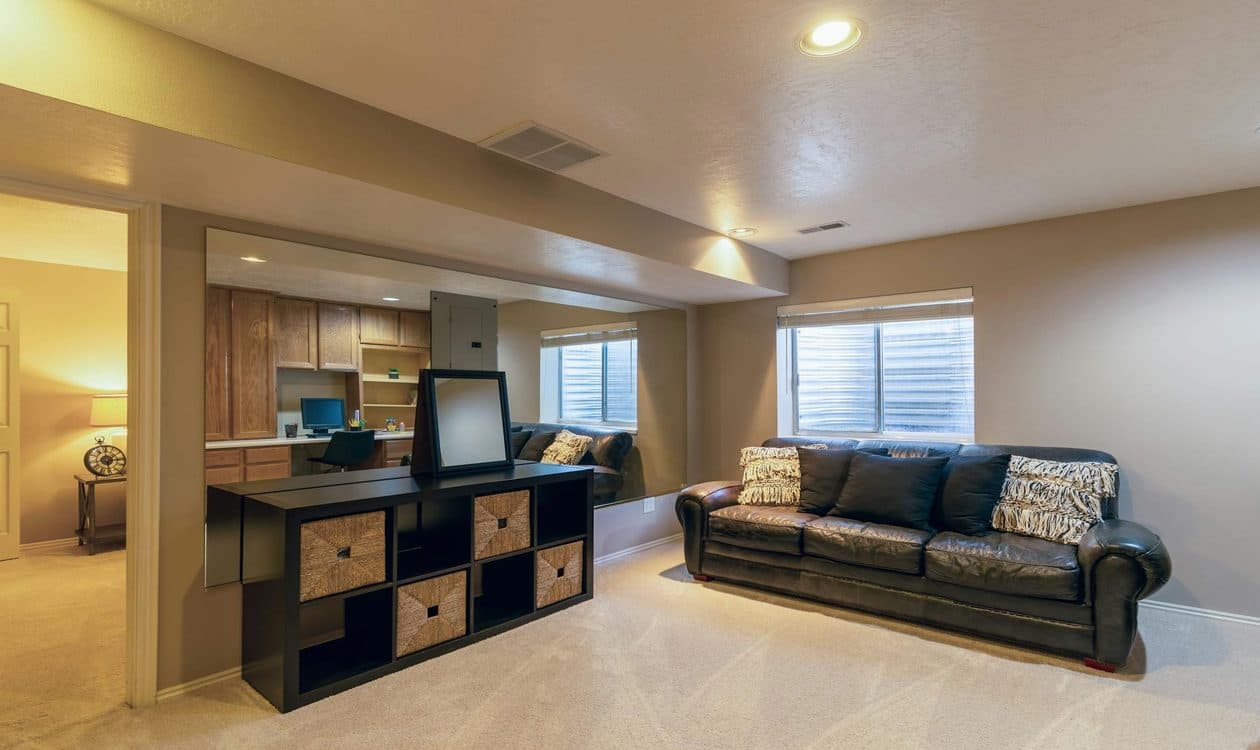
This is the level with the highest radon concentration that people actually use. A finished basement, a ground-floor bedroom, or a main living area in a slab home.
Do place the device on a stable surface at least 20 inches high
A table, desk, or bookshelf in the center area of the room works well. The breathing zone is where you want to measure, not the floor level.
Do keep the device at least 3 feet from exterior walls
Exterior walls can have air leakage that dilutes radon locally. Measuring in the interior of the room gives a more representative reading of the room's overall air quality.
Do choose a room where people spend time
A bedroom, family room, or home office is ideal. Testing in a storage room or utility closet does not represent the air quality in your actual living spaces.
3. Do: Maintain Testing Conditions
Closed-house conditions are required for all short-term tests (those under 90 days). Begin closed-house conditions at least 12 hours before you start the test, and maintain them for the entire test period.
Keep Closed
- All windows throughout the home
- Exterior doors (use for entry/exit only)
- Fireplace dampers when not in use
Normal Operations OK
- Central HVAC heating and cooling
- Bathroom exhaust fans (brief use)
- Kitchen range hood (brief use)
- Normal entry and exit through doors
The goal is to simulate the conditions your home experiences when it is sealed up, which is when radon concentrations are highest. This gives you the realistic worst-case scenario for your exposure level.
4. Do: Get the Timing Right
Each test type has a valid duration range. Staying within this range ensures the device collects enough data for an accurate measurement without degrading from overexposure.
For charcoal canisters, the sweet spot is 3 to 5 days. The minimum is 48 hours and the maximum is 7 days. After 7 days, the charcoal becomes saturated and accuracy decreases. After the exposure period, seal the canister and mail it to the lab immediately. Every day of shipping delay reduces accuracy.
For continuous radon monitors, 48 hours is the minimum. Longer tests (72 to 96 hours) provide more data points and a more reliable average. Professional testers often run CRM tests for 48 to 72 hours to balance accuracy with convenience.
For alpha track detectors, 90 days is the minimum and 365 days is ideal. These long-term tests are designed to give you a true annual average that accounts for seasonal variations. Do not use them for quick screening.
5. Don't: Common Things to Avoid
Don't test in kitchens or bathrooms
Humidity, exhaust fans, and air movement in these rooms affect test accuracy. Charcoal canisters are especially sensitive to moisture.
Don't place the test near windows, doors, or HVAC vents
Air movement from these sources disrupts the local radon concentration around the device, producing readings that do not represent the room average.
Don't run whole-house or window fans
These fans exchange indoor air with outdoor air, dramatically lowering indoor radon concentrations and producing false-low results.
Don't move the test device during the test
Once placed, leave it alone until the test period is complete. Moving the device changes its exposure conditions and can invalidate the result. Professional CRM monitors have motion sensors that detect this.
Don't delay mailing charcoal tests
Radon decays inside a sealed canister with a 3.8-day half-life. Every day you wait to mail it reduces the measurable radon and lowers the reported result. Mail it the same day you seal it.
6. Do: Follow Up on Your Results
Once you have your results, the next step depends on the level.
Below 2 pCi/L: Good news. Your home has low radon. Retest every two years or after major renovations to make sure levels stay low. For more on when to retest, see our radon testing frequency guide.
Between 2 and 4 pCi/L: The EPA recommends considering mitigation, especially if this was a short-term test. A follow-up long-term test will give you a more accurate picture of your annual average. The EPA notes that there is no known safe level of radon, and even levels below 4 pCi/L carry some risk.
4 pCi/L or above: The EPA recommends mitigation. If this was your first test, do a follow-up short-term test to confirm before proceeding. If both tests confirm levels at or above 4 pCi/L, contact a professional radon mitigation company to discuss your options.
8 pCi/L or above: Take action quickly. Levels this high represent significant health risk with prolonged exposure. The EPA recommends not waiting for a long-term follow-up. A second short-term test confirming levels above 8 pCi/L is sufficient to proceed with professional radon testing and then mitigation. For a full breakdown of testing options, see our radon test kit types comparison.