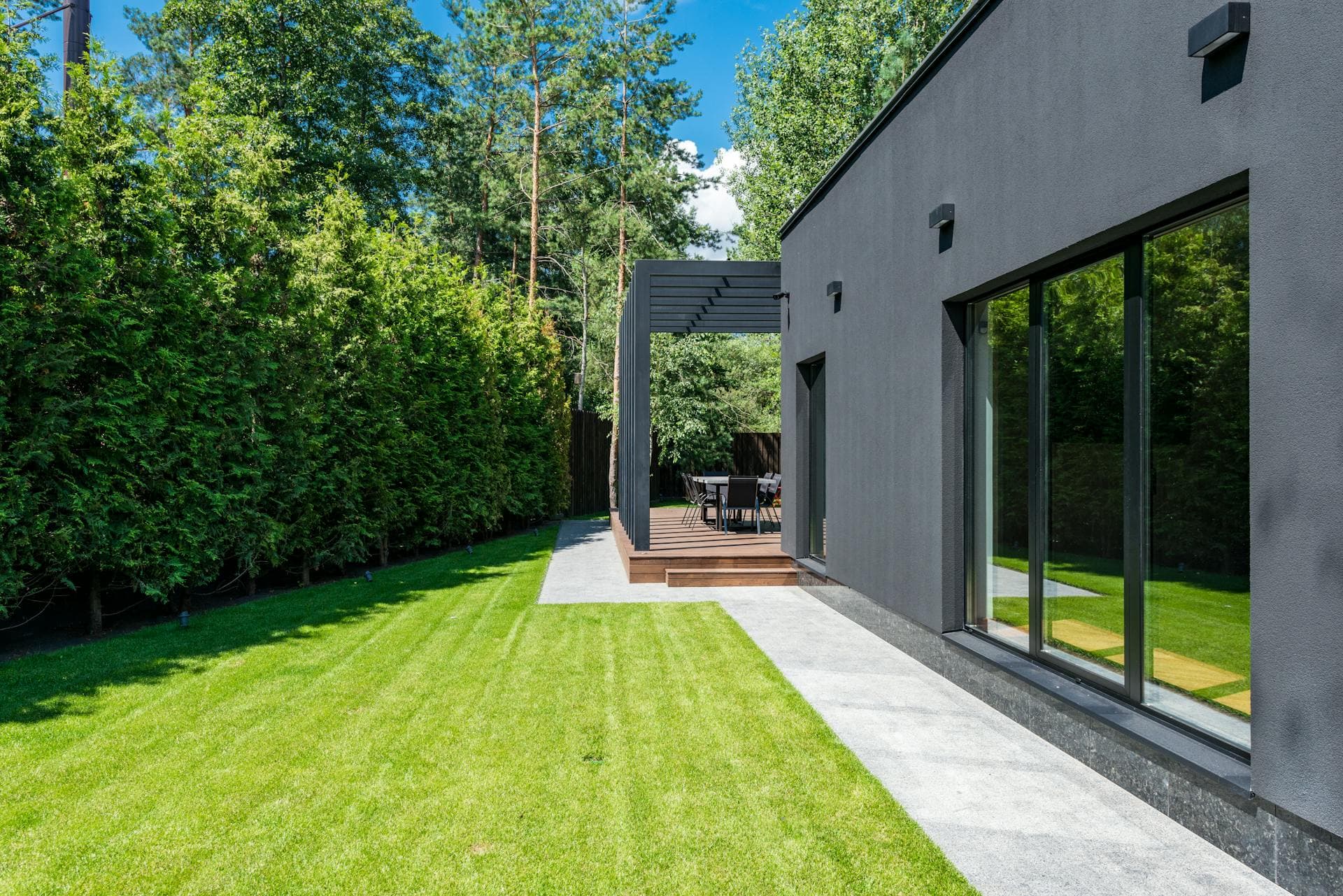
McDonough Georgia home radon testing
Back to Blog
AtlantaApril 6, 20269 min read

Radon in McDonough, Georgia: Henry County Testing Guide

McDonough is the county seat of Henry County, one of the fastest-growing counties in Georgia. As thousands of new homes go up each year, most buyers never think to test for radon. With Henry County's EPA Zone 2 designation and Piedmont geology, that is a mistake worth correcting.

EPA Zone 2
Henry County (Moderate)
2.0-4.0 pCi/L
Avg indoor radon level
240,000+
County population
15-25%
Homes above 4 pCi/L

1. Why McDonough Has Radon Risk

McDonough sits at a geological transition point south of Atlanta. The northern portions of Henry County lie on the Piedmont geological province, characterized by metamorphic and igneous rock that contains uranium. As uranium decays, it produces radium and then radon gas, which seeps upward through soil and rock fractures into homes.

Henry County is classified as EPA Zone 2 (moderate risk), meaning the predicted average indoor radon level falls between 2 and 4 pCi/L. Testing data from the McDonough area shows that roughly 15-25% of homes exceed the EPA action level of 4 pCi/L. This is lower than the Zone 1 counties to the north, but it still represents thousands of homes with elevated radon.

What makes Henry County particularly notable is the sheer number of homes being built. The county has grown from about 120,000 people in 2000 to over 240,000 today. Each of those new homes sits on the same geology, and without testing, residents have no way to know whether their indoor air is safe.

2. McDonough Neighborhoods and Radon

Henry County's many subdivisions and neighborhoods show variation in radon risk:

Downtown McDonough and the Square. The historic center of town has older homes with crawl space and pier foundations. These older structures tend to have more foundation gaps and cracks that allow radon entry. The mix of residential and commercial buildings around the Square includes some of the oldest housing stock in the county.
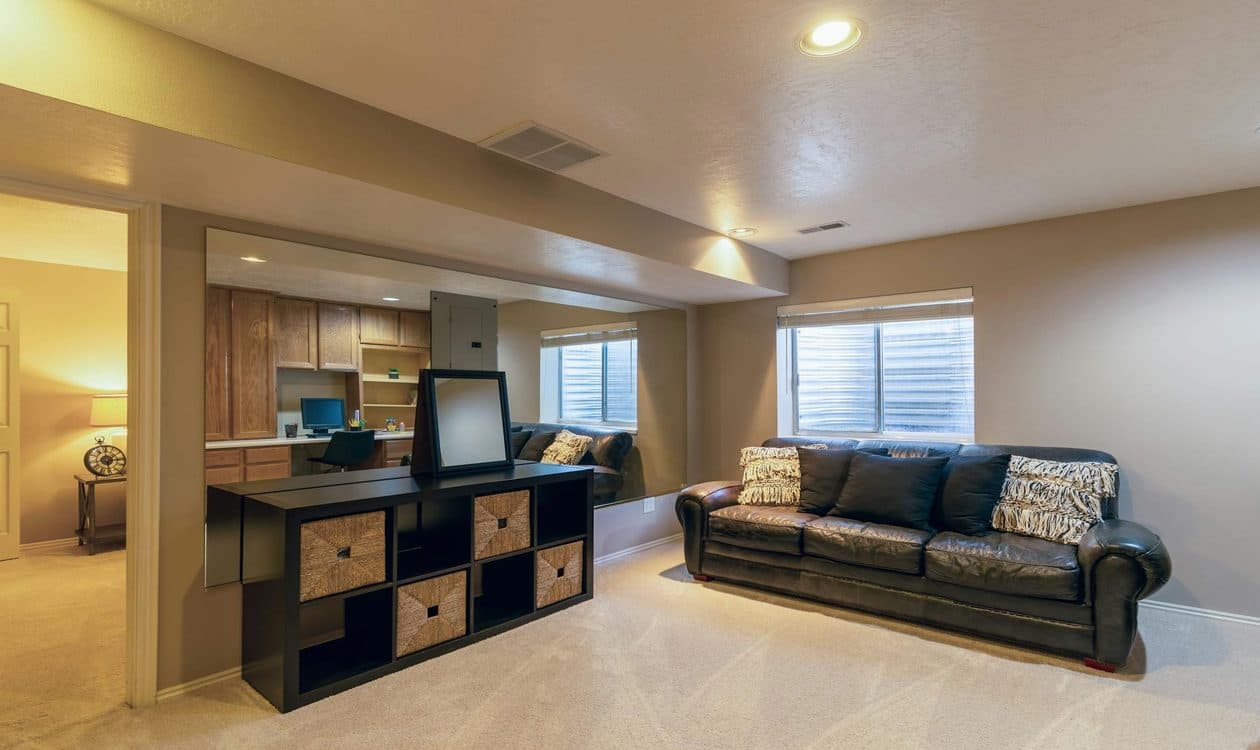
Eagle's Landing and Lake Dow. These established subdivisions in northern Henry County sit on terrain with closer proximity to Piedmont bedrock. Many homes have basements or walk-out lower levels. The combination of below-grade living space and productive geology makes radon testing especially important in these neighborhoods.
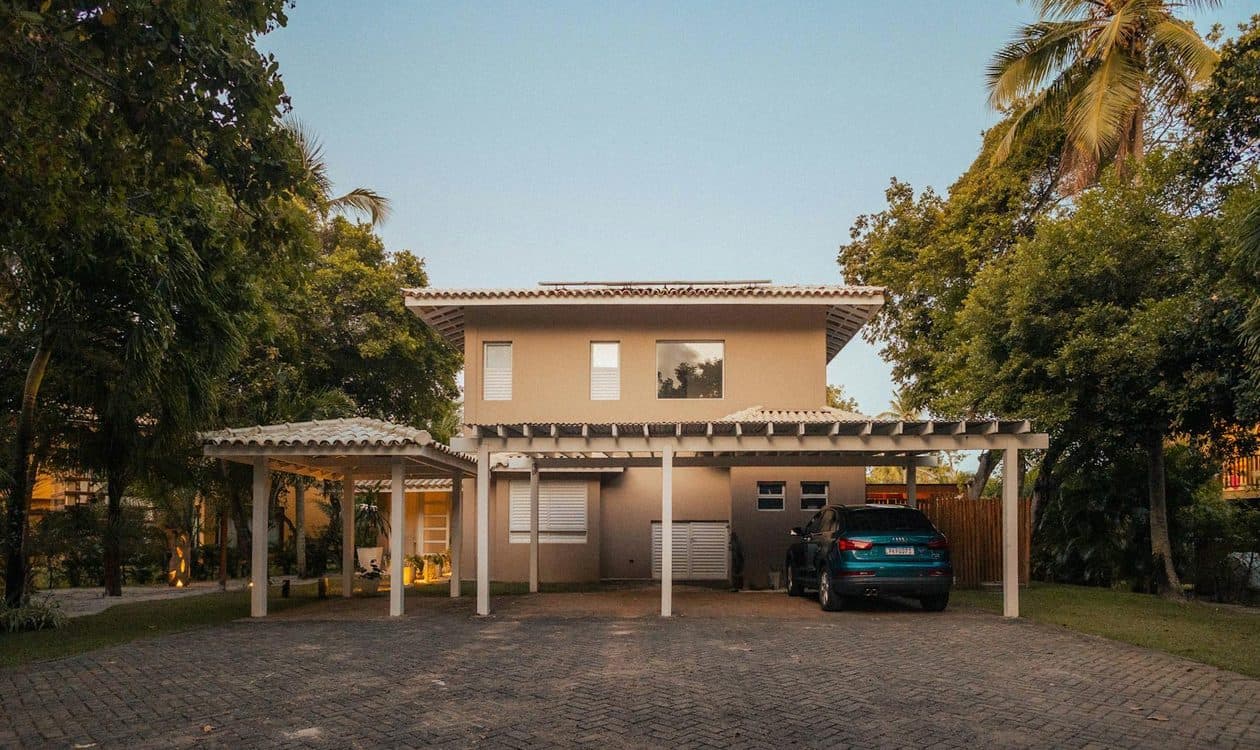
Kelleytown and Flippen areas. Newer subdivisions in these rapidly developing parts of Henry County feature slab-on-grade construction. While slabs have less soil contact than basements, radon still enters through concrete cracks and utility penetrations. New homes are not immune to radon.
Locust Grove and southern Henry County. The southern end of the county transitions toward the Coastal Plain, where sandier soils tend to allow radon to dissipate more before reaching foundations. Radon levels are generally lower here, but individual homes can still test above the action level.

Use our check radon risk by zip code to check local radon risk.

For broader county-level data, see our Henry County radon guide.

3. Rapid Growth and Radon Concerns

Henry County's rapid growth creates a unique radon challenge. Thousands of families move into new homes each year, and most never consider radon testing. There are several reasons this matters:

Georgia does not require radon-resistant construction. Unlike some northern states, Georgia building codes do not mandate radon-resistant new construction (RRNC) features. Most new homes in Henry County are built without any radon prevention measures.
New does not mean safe. A brand-new home sits on the same geology as a 50-year-old home. The foundation may have fewer cracks initially, but construction joints, plumbing penetrations, and HVAC system connections still provide entry paths for radon gas.
Energy-efficient construction can trap more radon. Newer homes are built tighter than older ones, with better insulation and air sealing. While this saves energy, it also reduces natural ventilation that would dilute indoor radon. Tight homes can actually have higher radon levels than drafty older ones.

New Home Buyers Take Note

If you recently purchased a new construction home in Henry County, test for radon. The EPA recommends testing every new home after the first heating season. Your builder is not responsible for radon levels, and the problem is invisible without a test.

4. Testing Your McDonough Home

Testing is simple, affordable, and the only way to know your radon level: Neighboring cities like Stockbridge, Covington, and Conyers show similar radon patterns due to shared geology.

1

Select a Test Method

Professional CRM testing ($125-250) provides 48 hours of hourly radon data. DIY kits ($15-40 plus lab fees) give a single average reading. Professional testing is required for real estate transactions.

2

Place It Right

Test in the lowest livable area of your home. Keep the device away from windows, exterior walls, and drafts. Maintain closed-house conditions (windows and exterior doors closed, normal HVAC use) during the test.

3

Interpret Results

Below 2 pCi/L: Low risk, retest in 2 years. Between 2-4 pCi/L: Follow up with a long-term test. Above 4 pCi/L: install a radon reduction system. Above 8 pCi/L: Act promptly.

5. Mitigation Options and Costs

If your McDonough home tests above 4 pCi/L, mitigation is effective and affordable:

Slab or Basement

$1,200-$2,500

Sub-slab depressurization: a suction point through the foundation connected to PVC piping and a radon fan that vents gas above the roofline.

Crawl Space

$2,500-$5,000

Sub-membrane depressurization: a sealed vapor barrier with active suction pulling radon from beneath the crawl space and venting it outside.

Both systems achieve 90-99% radon reduction and are typically installed in one day. A follow-up test confirms the system is working. Use our see what mitigation costs for your home for a personalized quote.

For more information, read our Georgia radon disclosure laws. The only way to know is to get a professional radon test.

McDonough and Henry County Homeowners

Henry County's growth makes radon awareness more important than ever. Thousands of families are living in homes that have never been tested. A 48-hour test gives you peace of mind, and if mitigation is needed, it is a quick, one-day process.
6. Frequently Asked Questions

McDonough Radon Testing

Professional radon testing and mitigation for McDonough and Henry County homes.

48-Hour CRM Testing
Free Mitigation Estimates
Same-Day Scheduling

Schedule McDonough Radon Testing

We respond within 24 hours
1
2
Your Information

Related Articles

Atlanta

Radon in Stockbridge, Georgia

Education

Radon in New Construction Homes

Testing

Short-Term vs Long-Term Radon Testing

Radon Safety Resources

Expert insights and guides to keep you informed

View All Posts →
Radon in Alpharetta, Georgia: Testing, Levels & Mitigation Guide
AtlantaApril 1, 2026

Radon in Alpharetta, Georgia: Testing, Levels & Mitigation Guide

Alpharetta sits on radon-producing Piedmont granite in North Fulton County. Learn about local radon levels, high-risk neighborhoods, testing options, and mitigation for Alpharetta homes.

Read More →
Radon in Decatur, Georgia: What Homeowners Should Know
AtlantaApril 1, 2026

Radon in Decatur, Georgia: What Homeowners Should Know

Decatur sits on Piedmont geology in DeKalb County with moderate radon risk. Learn about local radon levels, high-risk neighborhoods, testing options, and mitigation for Decatur homes.

Read More →
Radon in Kennesaw, Georgia: Local Levels, Testing & Protection
AtlantaApril 1, 2026

Radon in Kennesaw, Georgia: Local Levels, Testing & Protection

Kennesaw sits in Cobb County on Piedmont geology with moderate-to-high radon risk. Learn about local radon levels, testing options, and mitigation for Kennesaw homes.

Read More →