1. Why Test Before Baby Arrives
When you are expecting a baby, you think about everything: the crib, the formula, the pediatrician. But the air quality in your home is just as important as any of those things, and radon is one of the most significant indoor air quality risks that most parents never think about.
Radon is a naturally occurring radioactive gas that seeps into homes from the soil. It is the leading cause of lung cancer among non-smokers, responsible for approximately 21,000 lung cancer deaths per year in the United States according to the EPA. You cannot see it, smell it, or taste it. The only way to know if it is in your home is to test.
Testing before your baby arrives gives you time to address any problems. If your levels are fine, you have peace of mind. If levels are elevated, you can have a mitigation system installed before the baby comes home. Either way, you will know that the air in your nursery is safe.
This is especially important because once the baby arrives, your schedule becomes much more complicated. Testing now, while you still have the bandwidth to deal with the results, is much easier than trying to coordinate testing and potential mitigation with a newborn at home.
2. Why Infants Are More Vulnerable
While radon is harmful to people of all ages, there are reasons to be especially concerned about infant and early childhood exposure.
Faster breathing rate
Infants breathe faster than adults relative to their body size. A newborn takes about 30 to 60 breaths per minute compared to 12 to 20 for an adult. This higher breathing rate means they inhale more air, and more radon, per pound of body weight.
Rapidly dividing cells
Infants and young children have rapidly dividing cells as they grow. Radiation damage (from radon decay products) to dividing cells carries a higher risk of causing mutations that could lead to cancer later in life.
More time indoors
Newborns spend almost all of their time indoors. Unlike adults who leave for work, errands, and activities, a baby is in the home environment nearly 24 hours a day, resulting in maximum possible exposure to any radon present.
Longer lifetime of exposure
Lung cancer from radon is related to cumulative exposure. A child exposed from birth has a longer potential exposure period than an adult who moves into the same home at age 30. Starting exposure earlier increases lifetime risk.
3. Nursery Placement and Radon
Radon levels are typically highest on the lowest level of a home and decrease on upper floors. This is because radon enters from the soil through the foundation, and it dilutes as it mixes with air on higher levels.
If you have the option, placing the nursery on an upper floor rather than the lowest level can reduce your baby's radon exposure. This is a practical step regardless of your test results, though it is not a substitute for testing and mitigating if necessary.
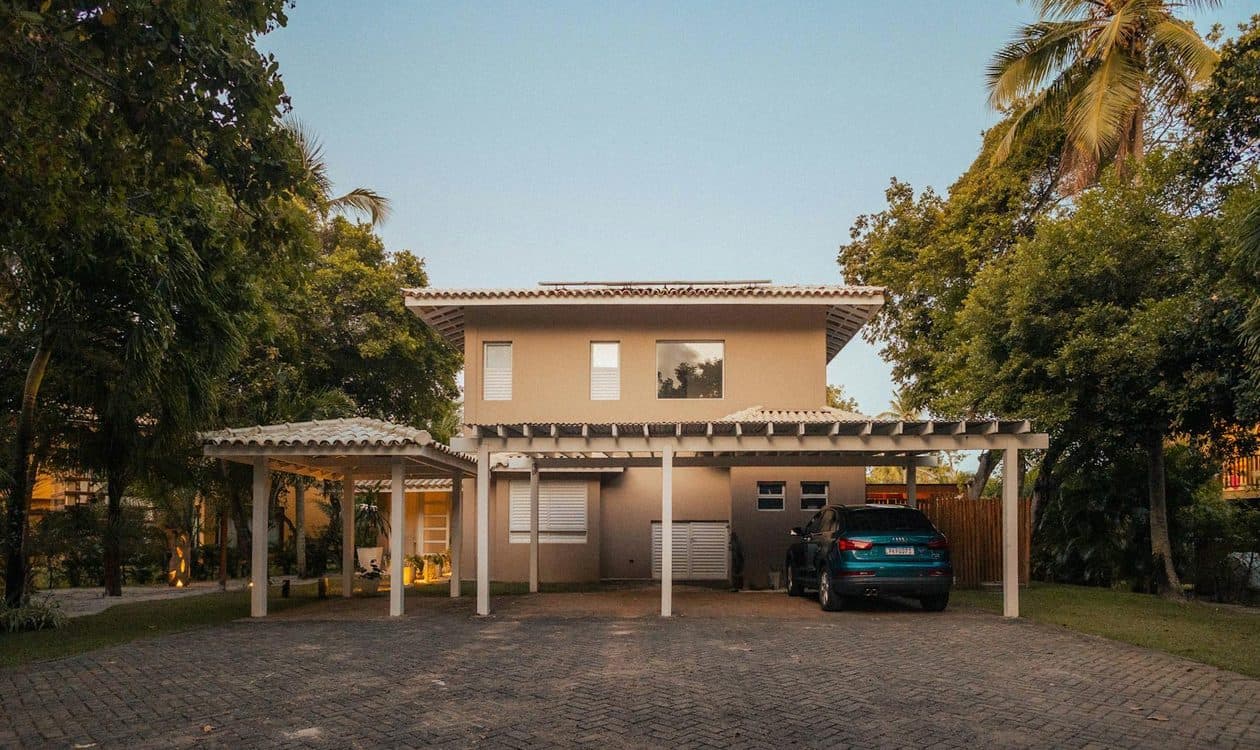
If your nursery is on the main level of a slab-on-grade home (which is common in many Atlanta area homes), the nursery is on the same level as the foundation. In this case, testing is the only way to know whether radon levels in that room are safe.
Basement Nurseries
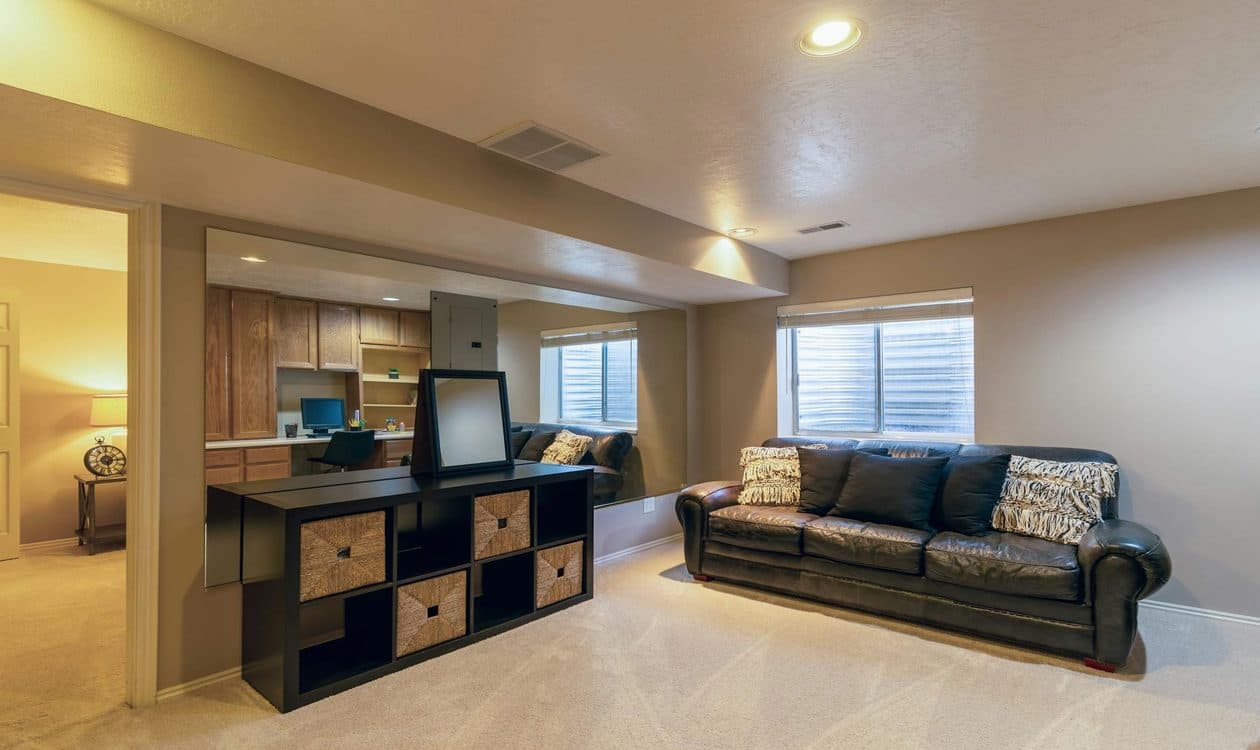
If you are considering a basement room as a nursery, testing is especially important. Basements have the highest radon concentrations in any home. If the basement tests below 4 pCi/L, it is acceptable. If levels are elevated, either mitigate before using the room or choose a room on a higher floor.
4. When to Test During Pregnancy
The earlier you test, the better. Testing during the first or second trimester gives you plenty of time to address any issues before the due date.
First Trimester
Ideal timing. You have 6+ months to test, get results, and install mitigation if needed. This is also when you are likely starting to plan nursery location and home preparations, so radon fits naturally into the planning process.
Second Trimester
Still plenty of time. A radon test takes 48 hours, and mitigation can be installed in a single day. Even if levels are high, you can have the problem fully resolved within a few weeks of testing.
Third Trimester
Still worth testing. Even if time is short, knowing your levels gives you actionable information. If levels are high, mitigation can often be fast-tracked. At minimum, you will know whether to prioritize mitigation in the weeks after birth.
After Baby Arrives
If you did not test before, test now. Better late than never. The testing process is unobtrusive and does not require you to leave the home. A professional places the monitor and picks it up 48 hours later. It does not affect the baby at all.
5. What to Do If Levels Are Elevated
If your test comes back at or above 4 pCi/L, do not panic. Radon is a solvable problem with a proven solution. A sub-slab depressurization system reduces levels by 90% or more in virtually every home.
The installation process typically takes a single day. A professional drills a small hole through the slab, inserts a PVC pipe, and connects it to a fan that vents the radon above the roofline. The system runs continuously and requires minimal maintenance.
In the Atlanta area, mitigation typically costs between $1,200 and $2,500 depending on the home's construction and layout. This is a one-time cost for a system that protects your family for decades. Compared to the cost of a car seat, a stroller, or a year of diapers, it is a very reasonable investment in your child's health.
Peace of Mind
Once your mitigation system is running and your post-mitigation test confirms low levels, you can put radon completely out of your mind. The system runs quietly in the background, protecting your family every day. All you need to do is check the manometer occasionally and retest every 2 years.
6. Ongoing Protection for Growing Families
Radon testing is not a one-time event. The EPA recommends retesting every 2 years because radon levels can change over time. For a full rundown of available radon test kit types, see our comparison guide. You can also book a radon test with our team at any time. Foundation settling, changes to your HVAC system, renovations, and shifts in soil conditions can all affect levels.
As your family grows and your children start using more areas of the home, including playrooms on lower levels, retesting confirms those spaces are safe. If you convert a basement to a playroom, test that space specifically.
If you move to a new home, test the new home before or immediately after moving in. Every home is different, and a low reading in your previous home does not tell you anything about radon in your new one. Learn more about radon and children's health.