1. Why Marietta Has a Radon Problem
Marietta sits in the heart of Cobb County on the Piedmont geological province. This region is defined by ancient metamorphic and igneous rock, including granite that contains trace amounts of uranium. As uranium decays, it produces radium, which then breaks down into radon gas. That gas rises through soil and enters homes through cracks in foundations, gaps around plumbing, and other small openings.
Cobb County is classified as EPA Zone 2, which means predicted average indoor radon levels fall between 2 and 4 pCi/L. But averages can be misleading. Testing data from the Marietta area shows that a significant percentage of homes exceed the EPA action level of 4 pCi/L, and some test well above that threshold.
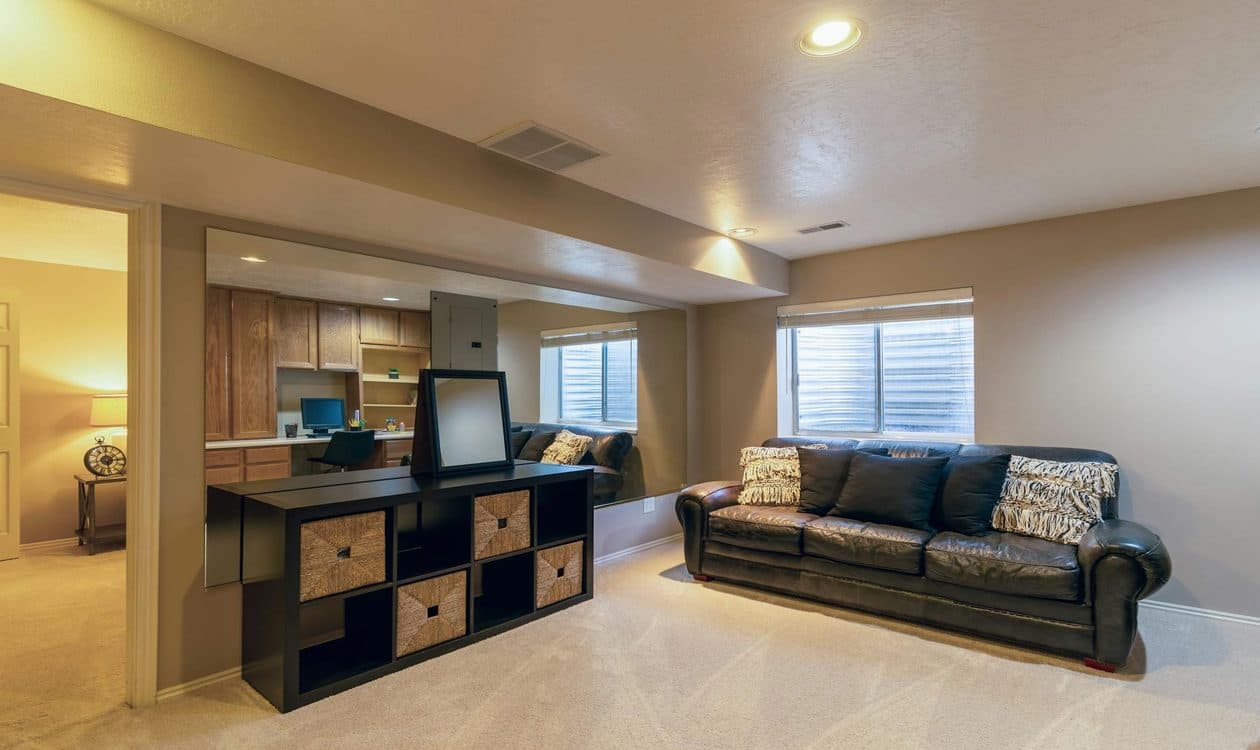
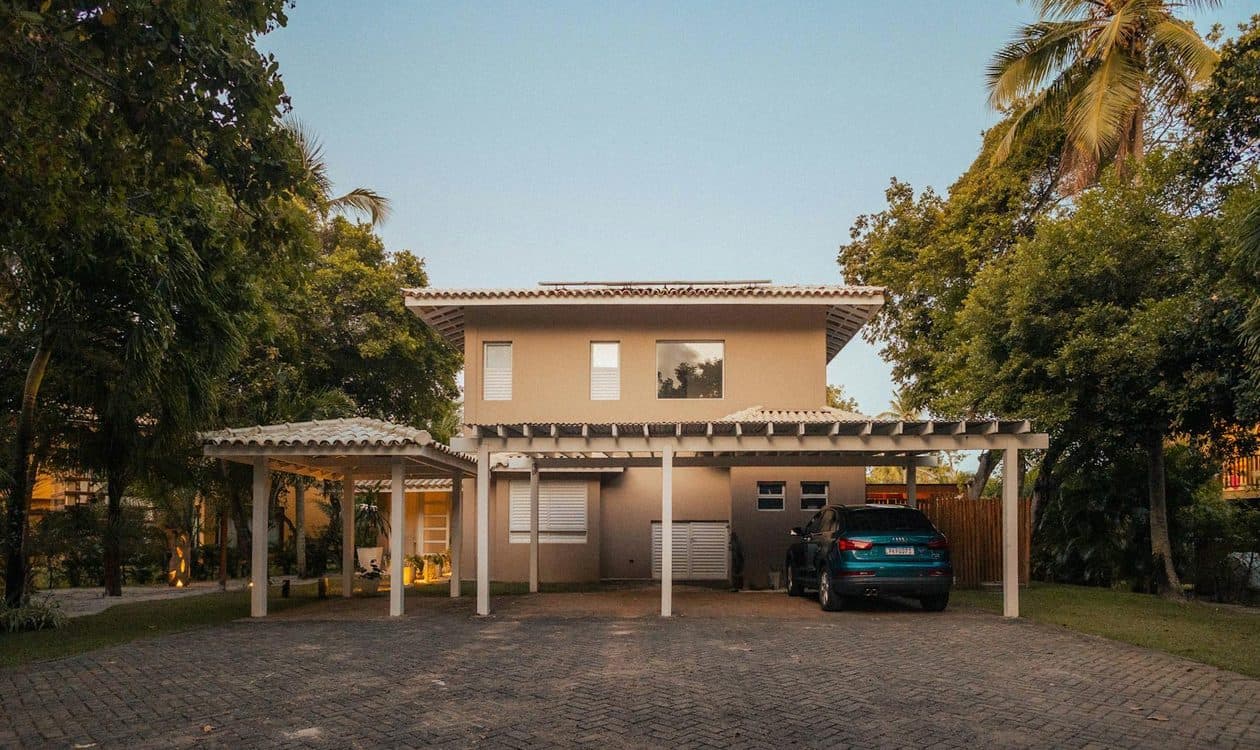
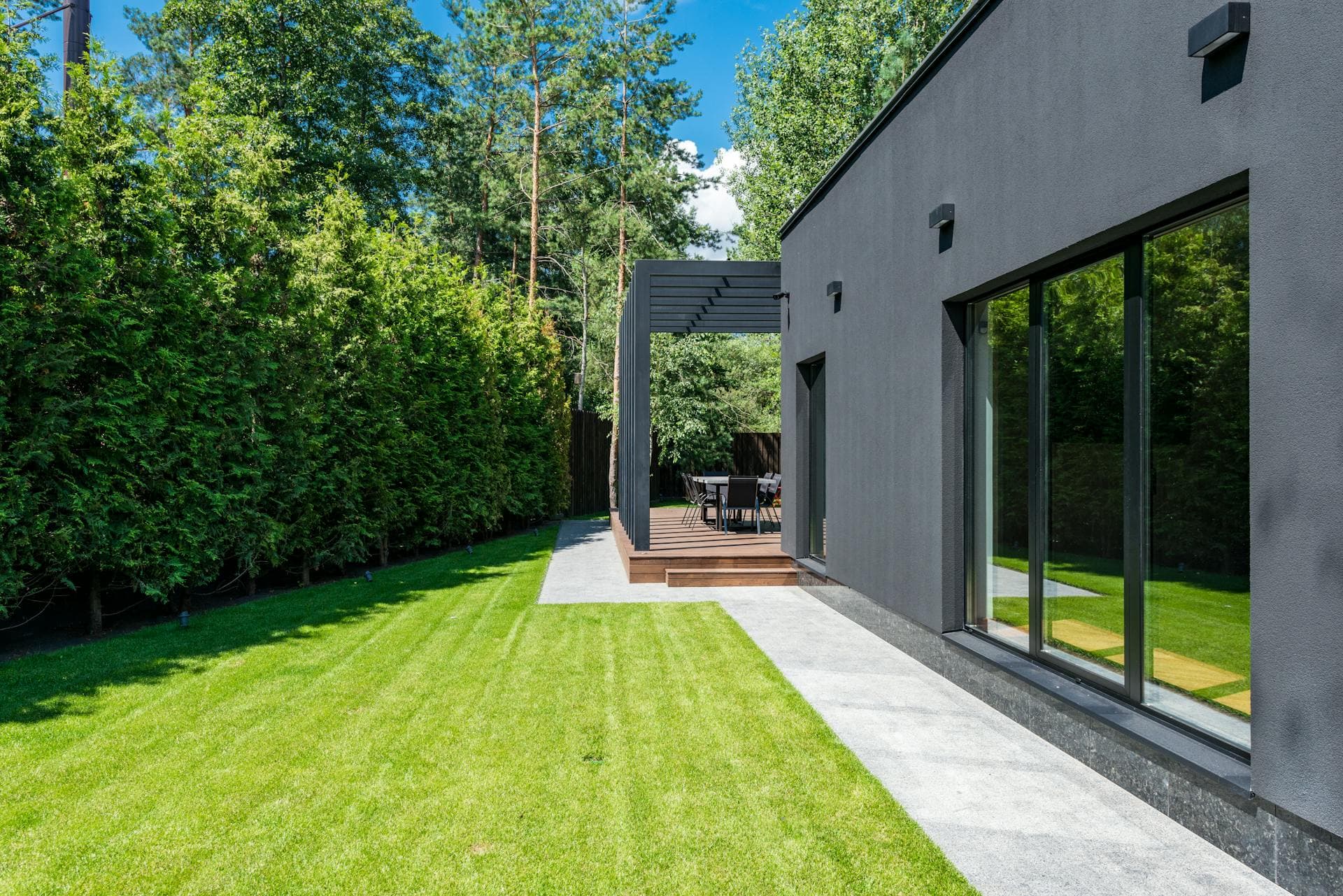
The city has a diverse housing stock that spans from pre-war bungalows near Marietta Square to modern subdivisions along the outskirts. Every foundation type is present: basements, crawl spaces, and slabs. Each one can allow radon entry. The only way to know your home's radon level is to have your home tested for radon.
2. Neighborhood Radon Risk Areas
Radon levels vary across Marietta based on local geology, soil conditions, and home construction. While every home needs individual testing, certain areas tend to show higher readings:
Use our check your zip code's radon risk to check the risk level for your specific Marietta zip code.
For broader county-level data, see our Cobb County radon guide.
3. Foundation Types and Radon Entry
Marietta has a wide variety of home foundations, and each one interacts with radon differently:
No Foundation Type Is Radon-Proof
Regardless of whether your Marietta home has a basement, crawl space, or slab, radon can still reach indoor air. Foundation type affects the most effective mitigation approach, but testing is necessary for every home type.
4. Testing Your Marietta Home
Testing for radon is simple and affordable. Here is the recommended approach for Marietta homeowners: Neighboring cities like Smyrna, Kennesaw, and Powder Springs show similar radon patterns due to shared geology.
Choose Your Test Type
A short-term test (48 hours minimum) works for initial screening. Professional continuous radon monitor (CRM) testing is the standard for real estate transactions. DIY kits cost $15-40 plus lab fees for general screening.
Place the Test Correctly
Test in the lowest livable area. For homes with basements, test in the basement. For slab homes, test on the main floor. Keep the device away from windows, drafts, and exterior walls. Maintain closed-house conditions during the test period.
Understand Your Results
Below 2 pCi/L: Low risk, retest every 2 years. Between 2-4 pCi/L: Consider a follow-up long-term test. Above 4 pCi/L: The EPA recommends professional radon mitigation. Above 8 pCi/L: Prioritize mitigation promptly.
Seasonal variation affects results. Homes tested in winter months typically show levels 40-60% higher than summer tests. If you got a borderline result in summer, consider retesting in winter.
5. Radon Mitigation Options
If your Marietta home tests above 4 pCi/L, mitigation is effective and straightforward. The right approach depends on your foundation type:
Slab or Basement
$1,200-$2,500
Sub-slab depressurization: a suction point drilled through the slab, connected to PVC pipe and a fan that vents radon above the roofline.
Crawl Space
$2,500-$5,000
Sub-membrane depressurization: a sealed vapor barrier covers the soil with active suction pulling radon from beneath the barrier.
Both systems reduce radon by 90-99% and are typically installed in a single day. Use our estimate your radon mitigation cost to get a more specific estimate for your Marietta home.
For more information, read our guide to reading radon test results.
Marietta Homeowners
If you live in Marietta and have never tested for radon, now is the time. With 20-30% of area homes testing above the action level, there is a real chance your home is affected. Testing takes 48 hours, and if mitigation is needed, it is a one-day installation.