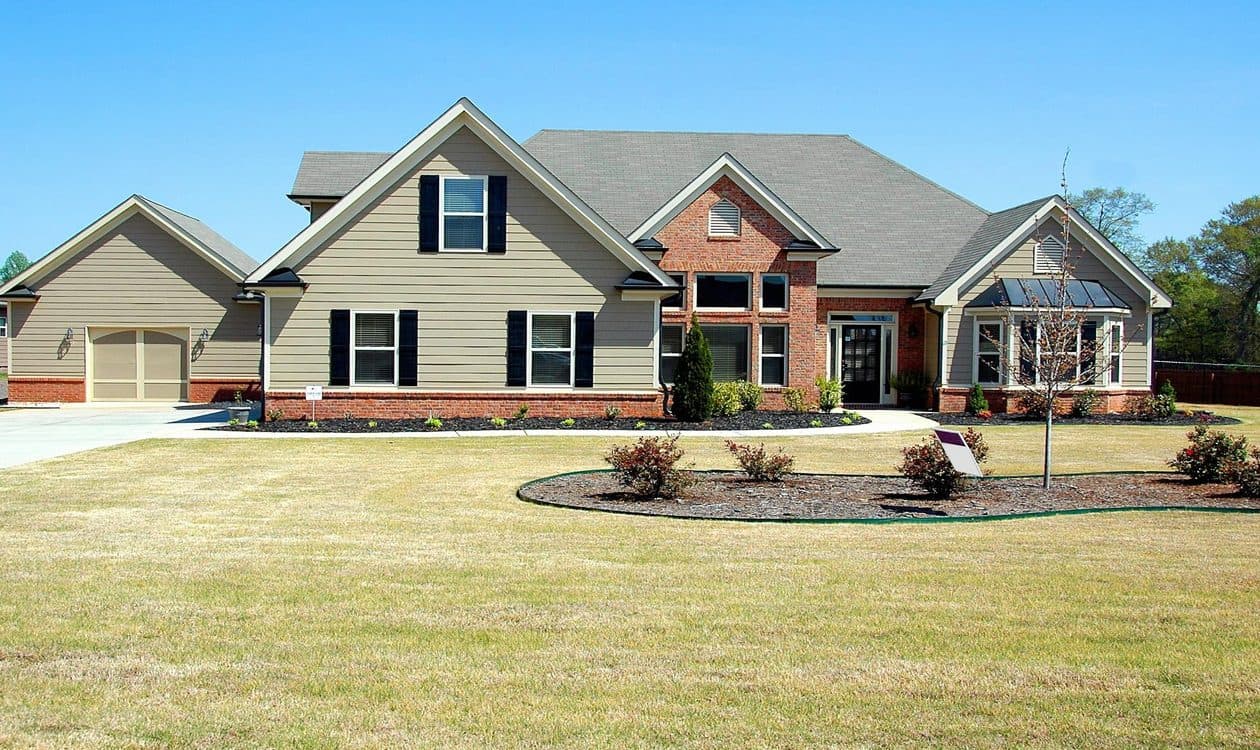
Powder Springs Georgia home radon protection
Back to Blog
AtlantaApril 8, 20269 min read

Radon in Powder Springs, Georgia: Testing and Protection Guide

Powder Springs is a growing city in western Cobb County with a mix of established neighborhoods and new development. Named for the mineral springs that once drew visitors, the area sits on Piedmont bedrock that produces radon gas, creating a moderate but real risk for homeowners throughout the community.

EPA Zone 2
Cobb County (Moderate)
2.5-4.5 pCi/L
Avg indoor radon level
760,000+
County population
20-30%
Homes above 4 pCi/L

1. Why Powder Springs Has Radon Risk

Powder Springs sits in western Cobb County on the Piedmont geological province. The bedrock beneath the city includes granite, gneiss, and other metamorphic rock formations that contain trace amounts of uranium. As this uranium decays naturally over time, it produces radium and then radon-222 gas. The gas moves upward through soil fractures and rock joints, entering homes through foundation openings.

Cobb County is classified as EPA Zone 2 (moderate risk), with predicted average indoor radon levels between 2 and 4 pCi/L. However, Cobb County sits near the boundary of Zone 1 (high risk) counties to the north, and testing data from the Powder Springs area shows that 20-30% of homes exceed the EPA action level of 4 pCi/L. This is higher than many other Zone 2 communities in Metro Atlanta.

The city's name itself hints at the active geology beneath the surface. The mineral springs that gave Powder Springs its name indicate groundwater moving through fractured bedrock, and those same fractures serve as conduits for radon gas. The geology beneath Powder Springs is active and productive when it comes to radon. The only way to know your level is to get your radon levels checked.

2. Powder Springs Neighborhoods and Radon

Powder Springs has seen significant residential growth, with neighborhoods that vary in age, construction, and radon risk:

Downtown Powder Springs and Marietta Street area. The historic core of the city includes older homes with crawl space and pier foundations. These properties have more foundation gaps and settling that allow radon entry. The area around the historic springs sits on particularly productive geology.
Seven Springs and Lost Mountain area. Established subdivisions on the northern side of Powder Springs with rolling terrain. Many homes have basements or walk-out lower levels built into hillsides. The hilly terrain and shallow bedrock in this area contribute to higher radon potential.
Macland Road corridor. A rapidly developing area with newer subdivisions and townhome communities. Most new construction uses slab-on-grade foundations. While these homes are built tighter for energy efficiency, that same tightness can trap radon gas more effectively than older, draftier homes.
Austell and East-West Connector area. The eastern portions of the Powder Springs area include a mix of ranch homes, split-levels, and newer builds. Split-level homes have partially below-grade lower levels that sit against soil, creating direct radon entry pathways.

Use our check radon levels in your area to check local radon risk.

For broader county-level data, see our Cobb County radon guide.

3. Foundation Types and Radon Entry

The way radon enters your Powder Springs home depends on your foundation:

Slab-on-grade. Common in newer construction. Radon enters through cracks, the slab-foundation wall joint, expansion joints, and gaps around plumbing and utility penetrations. Concrete is porous at the microscopic level, allowing some radon diffusion even through intact slabs.
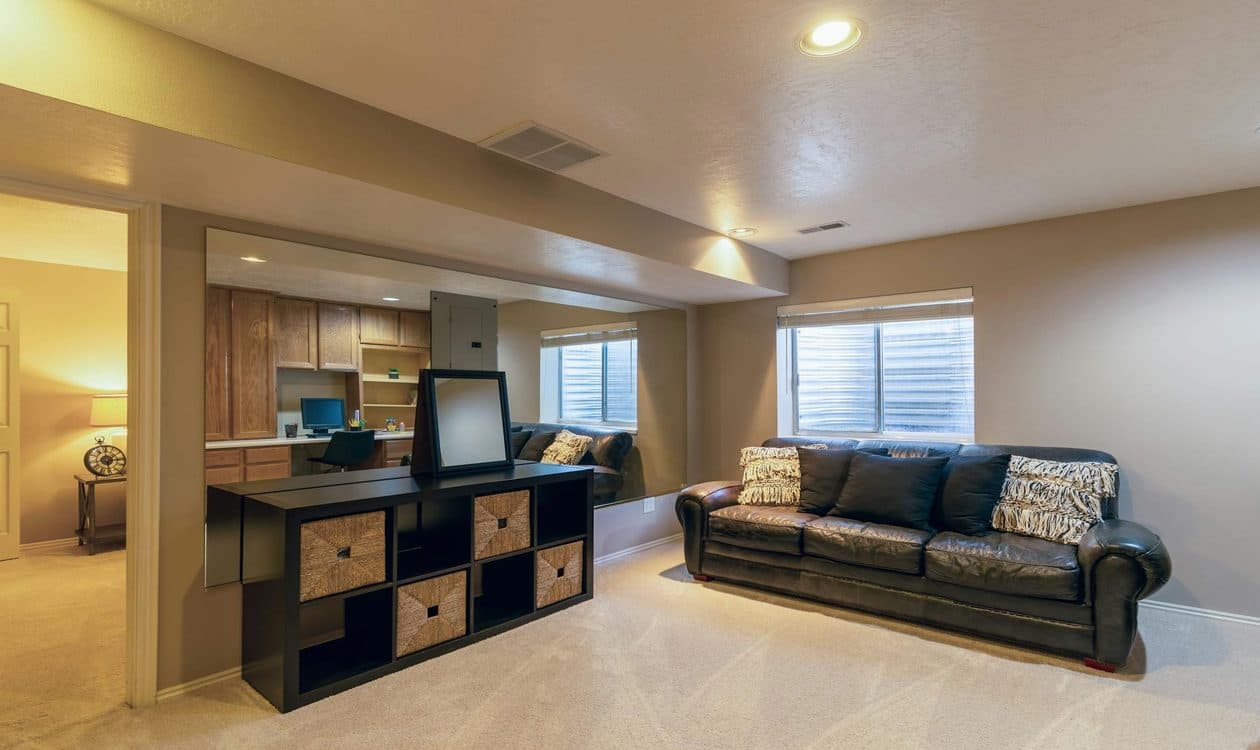
Basements. Found on sloped lots throughout Powder Springs. Basements have the most soil contact and highest potential for radon accumulation. The wall-floor joint, floor cracks, sump pits, and utility penetrations all serve as entry points for soil gas.
Crawl spaces. Present in many older Powder Springs homes. Unsealed crawl spaces with exposed dirt floors allow radon to freely accumulate beneath the home. The gas then migrates upward through floor gaps, HVAC returns, and plumbing penetrations into living spaces.

Split-Level Homes in Powder Springs

Powder Springs has many split-level homes from the 1970s and 1980s. The lower level of these homes sits partially below grade, with direct soil contact on two or three walls. Always test the lowest level of a split-level home first, as radon concentrations will be highest there.

4. Testing Your Powder Springs Home

Testing is quick, affordable, and the only way to know your radon level: Neighboring cities like Marietta, Smyrna, and Kennesaw show similar radon patterns due to shared geology.

1

Select Your Test

Professional CRM testing ($125-250) provides 48 hours of hourly data. DIY charcoal kits ($15-40 plus lab fees) give a single average reading. Professional testing is the standard for home purchases.

2

Set Up the Test

Place in the lowest livable area of your home. Maintain closed-house conditions. Keep the device away from windows, exterior walls, and sources of humidity or drafts.

3

Interpret Results

Below 2 pCi/L: Low risk. Between 2-4 pCi/L: Consider long-term follow-up. Above 4 pCi/L: get a radon mitigation system. Above 8 pCi/L: Prioritize action.

5. Radon Mitigation Options

If your Powder Springs home tests above 4 pCi/L, mitigation is effective and usually completed in one day:

Slab or Basement

$1,200-$2,500

Sub-slab depressurization: a suction point through the foundation connected to PVC piping and a radon fan exhausting above the roofline.

Crawl Space

$2,500-$5,000

Sub-membrane depressurization: a sealed vapor barrier over the soil with active suction pulling radon from beneath the crawl space.

Both systems achieve 90-99% radon reduction. Post-installation testing confirms performance. Use our see estimated mitigation costs for a personalized estimate.

For more information, read our guide to reading radon test results.

Powder Springs Homeowners

Cobb County's moderate-to-high radon risk means Powder Springs homeowners should test as a priority. With one in four to one in three homes testing above the action level, the odds warrant a quick 48-hour test. Mitigation, if needed, is a one-day process.
6. Frequently Asked Questions

Powder Springs Radon Testing

Professional radon testing and mitigation for Powder Springs and Cobb County homes.

48-Hour CRM Testing
Free Mitigation Estimates
Same-Day Scheduling

Schedule Powder Springs Radon Testing

We respond within 24 hours
1
2
Your Information

Related Articles

Education

How Radon Enters Your Home

Education

What Is Sub-Slab Depressurization?

Testing

Short-Term vs Long-Term Radon Testing

Radon Safety Resources

Expert insights and guides to keep you informed

View All Posts →
Radon in Alpharetta, Georgia: Testing, Levels & Mitigation Guide
AtlantaApril 1, 2026

Radon in Alpharetta, Georgia: Testing, Levels & Mitigation Guide

Alpharetta sits on radon-producing Piedmont granite in North Fulton County. Learn about local radon levels, high-risk neighborhoods, testing options, and mitigation for Alpharetta homes.

Read More →
Radon in Decatur, Georgia: What Homeowners Should Know
AtlantaApril 1, 2026

Radon in Decatur, Georgia: What Homeowners Should Know

Decatur sits on Piedmont geology in DeKalb County with moderate radon risk. Learn about local radon levels, high-risk neighborhoods, testing options, and mitigation for Decatur homes.

Read More →
Radon in Kennesaw, Georgia: Local Levels, Testing & Protection
AtlantaApril 1, 2026

Radon in Kennesaw, Georgia: Local Levels, Testing & Protection

Kennesaw sits in Cobb County on Piedmont geology with moderate-to-high radon risk. Learn about local radon levels, testing options, and mitigation for Kennesaw homes.

Read More →