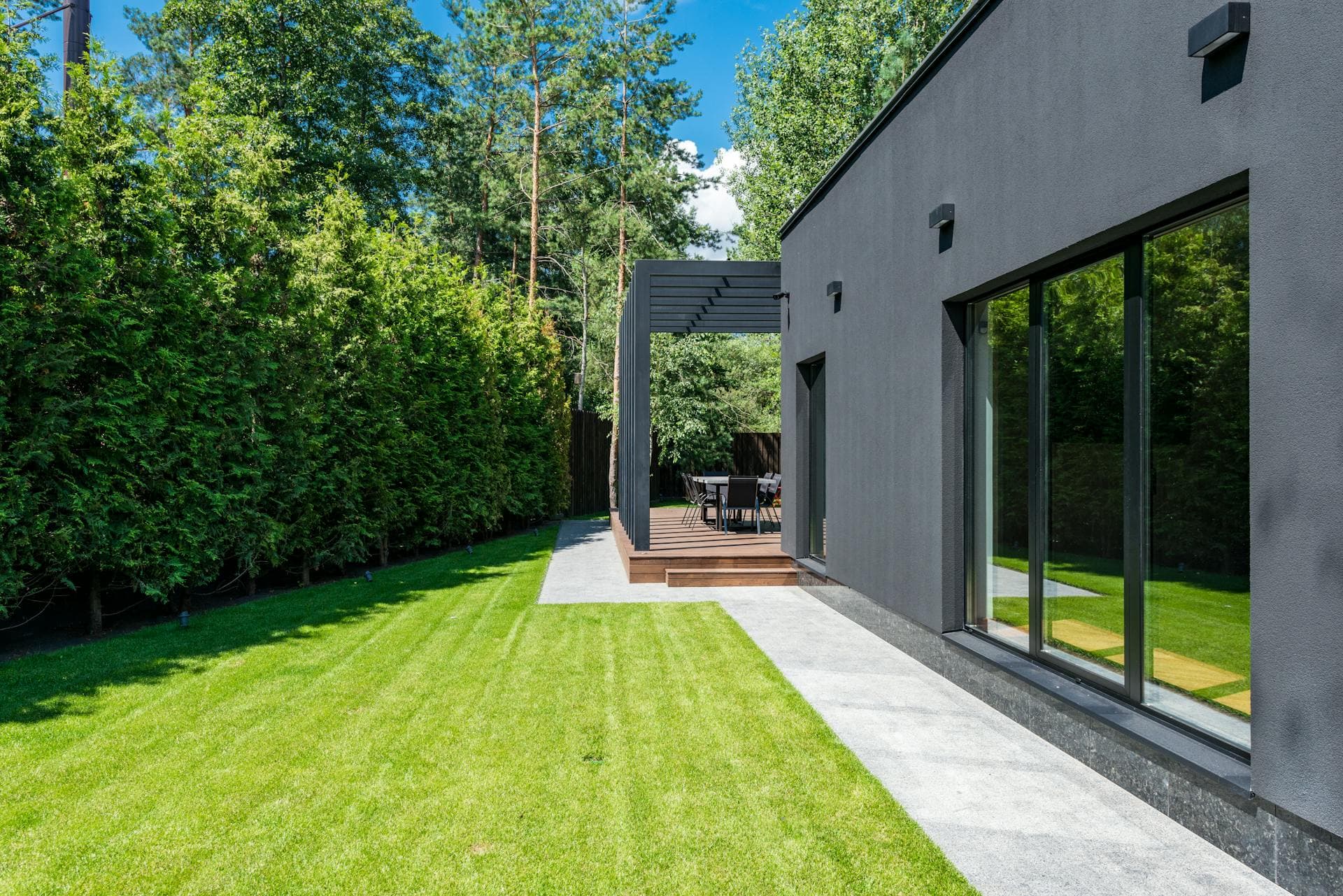
Family home interior showing the healthy, dry indoor environment a radon mitigation system helps create
Back to Blog
EducationApril 1, 202611 min read

Does Radon Mitigation Reduce Humidity? The Moisture Benefit Explained

Homeowners install radon mitigation systems to reduce lung cancer risk, but there is a second benefit that often goes unmentioned: a well-designed active soil depressurization system can pull up to half a gallon of water per hour out from under your home. Here is how that moisture reduction works and what to expect.

~0.5 gal/hr
Water an active system can remove
4x-12x
More moisture than a dehumidifier
2-4 weeks
Typical time to notice drier air
90-99%
Radon reduction at the same time

1. The Hidden Second Benefit of Radon Mitigation

Almost every homeowner who installs a radon system is doing it for one reason: to lower the long-term lung cancer risk that comes with breathing elevated radon. That is the right reason. But once the system is running, most homeowners notice something they were not expecting. The basement feels drier. The musty smell fades. The dehumidifier stops running as often, or stops running at all. Stored cardboard boxes no longer feel clammy.

That is not a coincidence. The same physics that pulls radon out from under your slab also pulls a significant amount of water vapor out with it. In studies of active soil depressurization systems, researchers have measured systems removing substantial quantities of water from beneath a home, in some cases approaching half a gallon of water per hour. For a home that runs its radon fan continuously, that adds up quickly.

If you already have elevated radon and you have also been fighting basement dampness, a mitigation system often solves both problems at the same time. This article walks through the mechanism, the research, what you will notice at home, and the limits you should know about. For a primer on how the underlying technology works, see our guide on how radon mitigation works.

2. How It Works: Soil Gas Is Wet

The soil under your home is not dry. Even in clay-heavy Georgia soils, the gas in the pore spaces between particles is almost always at or near 100% relative humidity. That soil gas is constantly trying to move into your home, pushed by differences in temperature and pressure between the ground and the conditioned air above.

An active radon system reverses that flow. A fan creates a small but continuous negative pressure beneath the slab or beneath a sealed vapor barrier, so instead of soil gas leaking up into the basement, air is pulled down through cracks and joints and into a suction pit, then vented outside above the roofline. Every bit of air that goes up the stack takes its water vapor with it.

Why soil gas contains so much moisture

Groundwater, capillary wicking, and ordinary soil respiration all contribute water vapor to the gas in the soil pore spaces. In humid climates the ground almost never dries out below a few inches down. That is why even a brand-new slab poured on dry-looking dirt will start showing moisture on the surface within days of being sealed off. The source is always there.

Why the fan keeps exhausting that moisture

A typical radon fan moves roughly 50 to 150 cubic feet per minute of air. That air is nearly saturated when it is pulled from the sub-slab space. Once it exits the roof cap, it dissipates outside and the water vapor goes with it. The system runs 24 hours a day, 365 days a year. That is a lot of continuous moisture export.

Why this is different from a dehumidifier

A dehumidifier condenses water out of the air that is already inside your home. That is treating the symptom. A radon system stops the moisture from entering in the first place by intercepting it in the soil below. Treating the source is almost always more effective than chasing it around the room. Learn more about the technology in our explainer on sub-slab depressurization.

3. What the EPA Study Found

The EPA published an "Exploratory Study of Basement Moisture During Operation of ASD Radon Control" that set out to quantify this effect directly. Researchers instrumented homes with active soil depressurization systems and measured basement humidity and water removal with the systems running and with them off.

Statistically significant reductions in basement moisture were recorded in non-summer months when the radon fan was running compared to baseline periods with it off.
Active soil depressurization systems removed substantially more water from the home than standalone dehumidifiers in the same basements.
Dehumidifiers running in the same space captured only about 8 to 25 percent of the total water the radon system was removing. The rest was moisture that never made it into the basement air to begin with because the system intercepted it in the soil.
The dehumidifying effect was strongest in cooler, drier outdoor conditions and weakest during peak summer humidity when ambient outdoor air was the dominant moisture source.

The takeaway: a radon mitigation system is not just a lung cancer intervention. For most homes with basements or crawl spaces, it is also the most effective single piece of moisture control equipment in the building. The full EPA document is available on the EPA gov website for readers who want the raw data.

4. Signs Your Radon System Is Reducing Moisture

You do not need a data logger to see the effect. Most homeowners notice a combination of the following changes within the first few weeks after a system starts running:

Musty basement smell disappears. The mold and mildew odors that come from damp concrete and wood typically fade within two to four weeks as the building materials dry out.
The dehumidifier runs less, or not at all. Many homeowners find that a dehumidifier that used to empty its bucket every day now sits idle for weeks at a time. Some unplug it entirely outside of peak summer months.
Less condensation on walls and pipes. Cold-water pipes and exterior basement walls stop dripping or sweating during humid weather.
Mold and mildew growth slows. Existing spots stop spreading. Surfaces that previously needed regular wiping stay clean longer.
Stored items stop feeling damp. Cardboard boxes, upholstered furniture, books, and tools that used to feel clammy or develop spots now stay dry.
The basement feels cooler and more comfortable. Drier air feels cooler at the same temperature. Basements that felt clammy become genuinely pleasant living space.

For more on radon in basements specifically, see our article on radon and basements.

5. Crawl Space Systems Amplify the Effect

If a basement radon system produces a noticeable humidity benefit, a crawl space system often produces a dramatic one. Crawl spaces in Georgia are frequently the single biggest moisture source in a home. Bare soil, standing water after storms, and continuous capillary wicking from the ground below can push crawl space relative humidity to 90% or higher, and that moisture migrates upward into the rest of the house through plumbing chases, HVAC returns, and ordinary air leakage.

Sub-membrane depressurization changes the picture completely. A sealed 12 to 20 mil vapor barrier is installed over every inch of exposed soil and taped to piers and walls. A fan then pulls air out from under that liner and vents it outside. The result is essentially an encapsulated, actively depressurized crawl space.

Crawl spaces are routinely the worst moisture source in Georgia homes. Addressing them fixes whole-house humidity problems that no amount of HVAC tuning ever will.
Encapsulation plus active depressurization turns the crawl space into a dry, effectively conditioned buffer zone between the ground and the living space above.
Upstairs humidity usually drops as well, sometimes enough that HVAC systems stop short-cycling on muggy shoulder-season days.
Wood framing, HVAC ductwork, insulation, and subfloor materials last longer because they are no longer sitting above a saturated environment.

For more on the combined benefits, read our guide to sealed crawl space benefits, our overview of radon in crawl space homes, and our explainer on vapor barriers.

6. When the Moisture Benefit Matters Most

The humidity reduction effect is real in nearly every properly installed system, but there are situations where it is genuinely a second reason by itself to move forward with mitigation:

Homes with chronic basement dampness. If you are running a dehumidifier year round and still fighting damp air, a radon system will typically do more for that problem than any dehumidifier upgrade.
Homes with crawl spaces. Which is most Georgia homes. Crawl space moisture affects air quality, structural durability, and energy bills throughout the home.
Older homes with cracked slabs. Any crack is a direct path for both radon and water vapor. Depressurization closes off both at once.
Homes where the HVAC struggles with humidity. If your upstairs air conditioner has to run long cycles just to keep indoor humidity in the 50s, reducing the soil-side moisture load can take meaningful pressure off the system.
Finished basements with flooring problems. Warped wood floors, peeling vinyl, and cupping laminate are often downstream of soil moisture coming up through the slab. Fix the moisture source and the flooring stops moving.
Real estate transactions. Buyers who are already nervous about basement moisture often cite radon as a second concern. A single mitigation installation addresses both objections at once.

7. Important Caveats

The moisture benefit is well documented, but it is not magic. There are a few limits to be clear about:

1

Peak summer humidity is driven by outside air

In July and August in Georgia, the dominant moisture source for your indoor air is not the soil, it is the outdoor dew point. During those weeks, your radon system is still working but the humidity reduction will be smaller because most of the moisture is coming through the rest of the envelope. A dehumidifier or well-tuned HVAC is still useful in summer.

2

Poorly installed systems can cause condensation issues

If the exhaust pipe is routed through a cold unconditioned space without proper slope back to the suction point, warm moist soil gas can condense inside the pipe. In cold climates that condensate can freeze and block the pipe. Professional installers slope pipes correctly and insulate where needed to avoid this.

3

A radon system is not waterproofing

If you have active water intrusion, a leaking wall, or standing water after rain, the radon system will not fix that. Those are separate problems that need waterproofing, drainage, or grading work. The moisture benefit applies to water vapor migration through the soil, not to liquid water leaks.

4

Installation quality matters

Proper suction pit sizing, correct fan selection, adequate sealing of slab penetrations, full vapor barrier coverage in crawl spaces, and correct pipe routing all affect how much moisture the system captures. A cheap installation that barely passes a post-mitigation radon test will still reduce radon but may leave a lot of the moisture benefit on the table.

Two Problems, One System

If you already know your home has elevated radon, you are installing a system anyway. The drier basement and crawl space are a bonus. If you are on the fence because your test came back borderline, the humidity benefit is often the tiebreaker. See our mitigation cost guide for pricing and sub-slab depressurization service page for the installation details.
8. Frequently Asked Questions

Fix Radon and Cut Basement Moisture in One Visit

Professional radon mitigation that also delivers a drier, healthier basement or crawl space.

Single-Day Installation
Free In-Home Estimates
Moisture and Radon Reduction

Schedule a Radon and Moisture Assessment

We respond within 24 hours
1
2
Your Information

Related Articles

Education

How Radon Mitigation Works

Education

Sealed Crawl Space Benefits

Education

Radon and Basements

Radon Safety Resources

Expert insights and guides to keep you informed

View All Posts →
How to Read Your Radon System Manometer: A Visual Guide
MaintenanceApril 20, 2026

How to Read Your Radon System Manometer: A Visual Guide

Learn how to read the manometer on your radon mitigation system. Understand what the U-tube gauge tells you, what normal looks like, and when to call for service.

Read More →
Radon System Alarms and Monitors: How to Know Your System is Working
MaintenanceApril 20, 2026

Radon System Alarms and Monitors: How to Know Your System is Working

Learn about radon system monitoring options, from basic manometers to electronic alarms and continuous monitors. Know when your system needs attention.

Read More →
How Long Does a Radon Mitigation System Last? Lifespan and Replacement Guide
EducationApril 20, 2026

How Long Does a Radon Mitigation System Last? Lifespan and Replacement Guide

Learn how long radon mitigation systems last, when to replace your fan, and what maintenance extends system life. Complete lifespan and replacement guide.

Read More →