1. Why Buford Has Radon Risk
Buford sits on the northern edge of Gwinnett County, right where the Piedmont bedrock becomes increasingly productive for radon. The city borders Forsyth County (EPA Zone 1, high risk) and Hall County (also Zone 1), placing it at the transition zone between moderate and high-risk geology.
Gwinnett County carries an EPA Zone 2 (moderate risk) classification overall, but the northern portions where Buford is located test closer to Zone 1 levels. Testing data shows that 20-30% of homes in the Buford area exceed the EPA action level of 4 pCi/L, with averages ranging from 2.5 to 4.5 pCi/L.
The granite and gneiss bedrock beneath Buford contains uranium that produces radon through natural radioactive decay. This gas moves upward through soil and rock fractures, entering homes through foundation openings. Lake Lanier's shoreline is carved through this same granite, and homes built near the lake sit on some of the most radon-productive terrain in the area.
2. Buford Neighborhoods and Radon
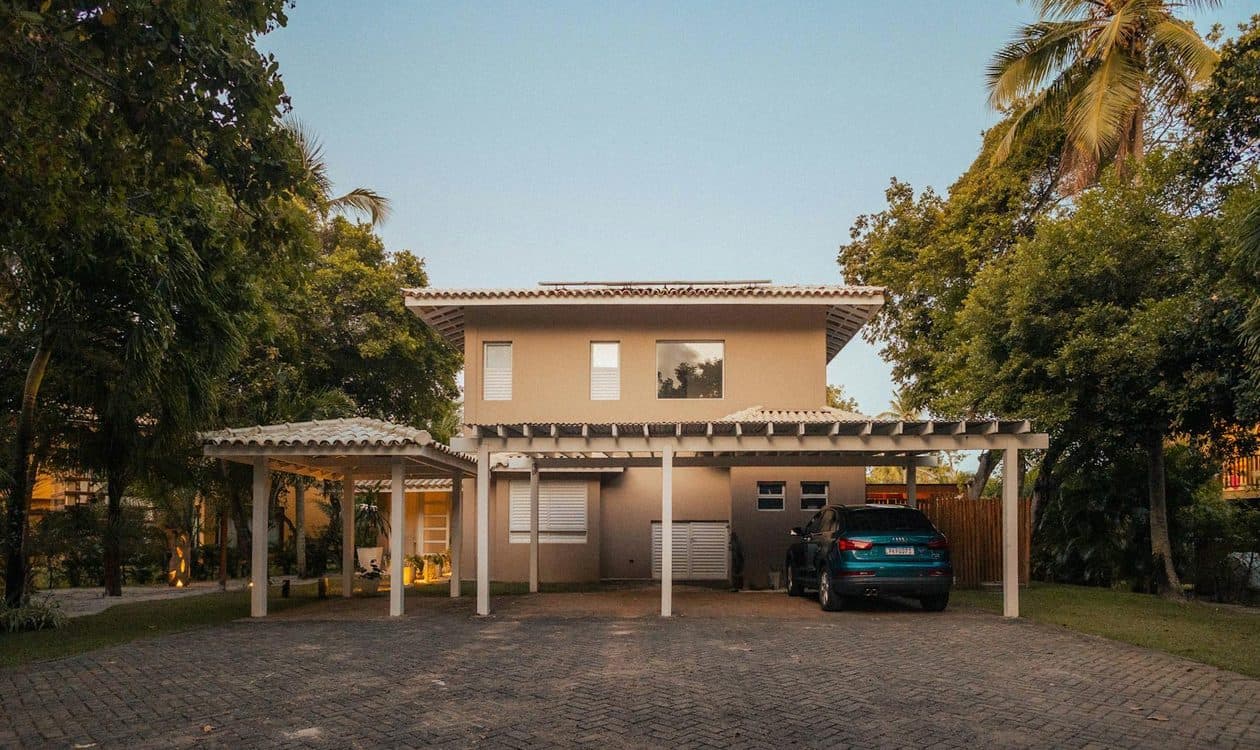
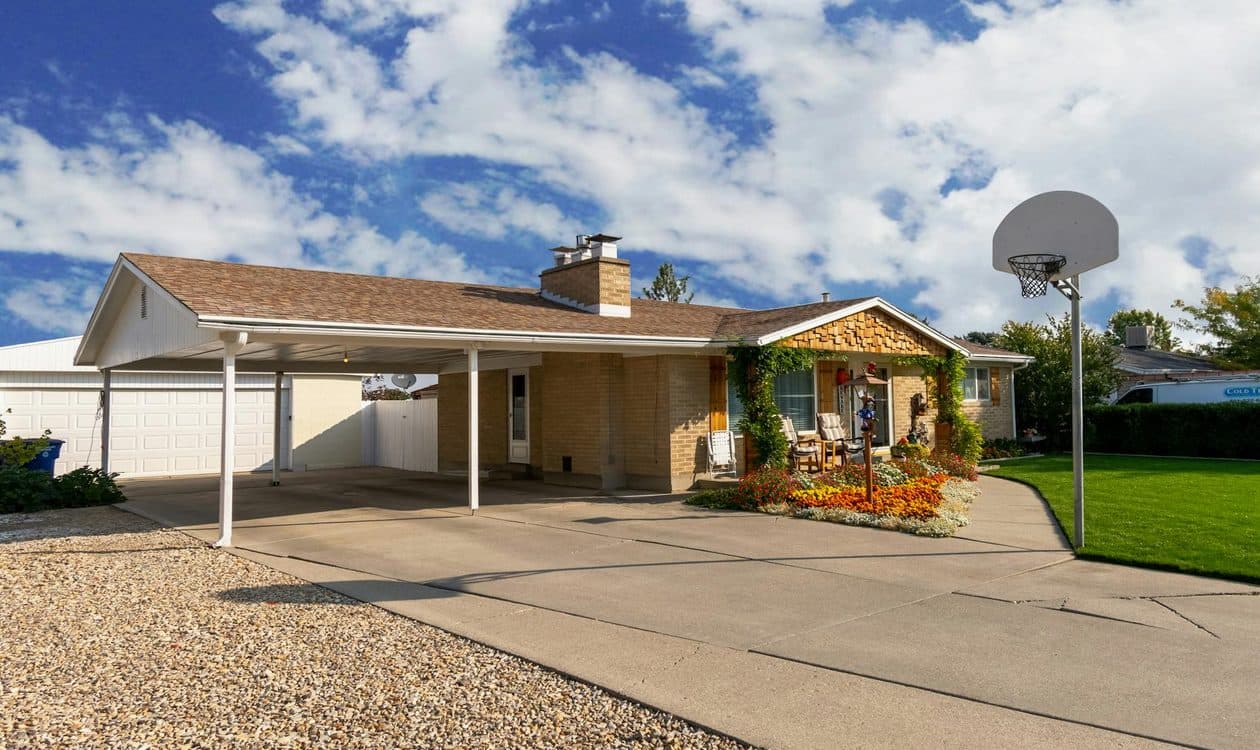
Buford's rapid growth has produced a diverse range of neighborhoods:
Use our see radon data for your zip code to check local radon risk.
For broader county-level data, see our Gwinnett County radon guide.
3. Lake Lanier Homes and Radon
Lake Lanier properties deserve special attention for radon. Here is why:
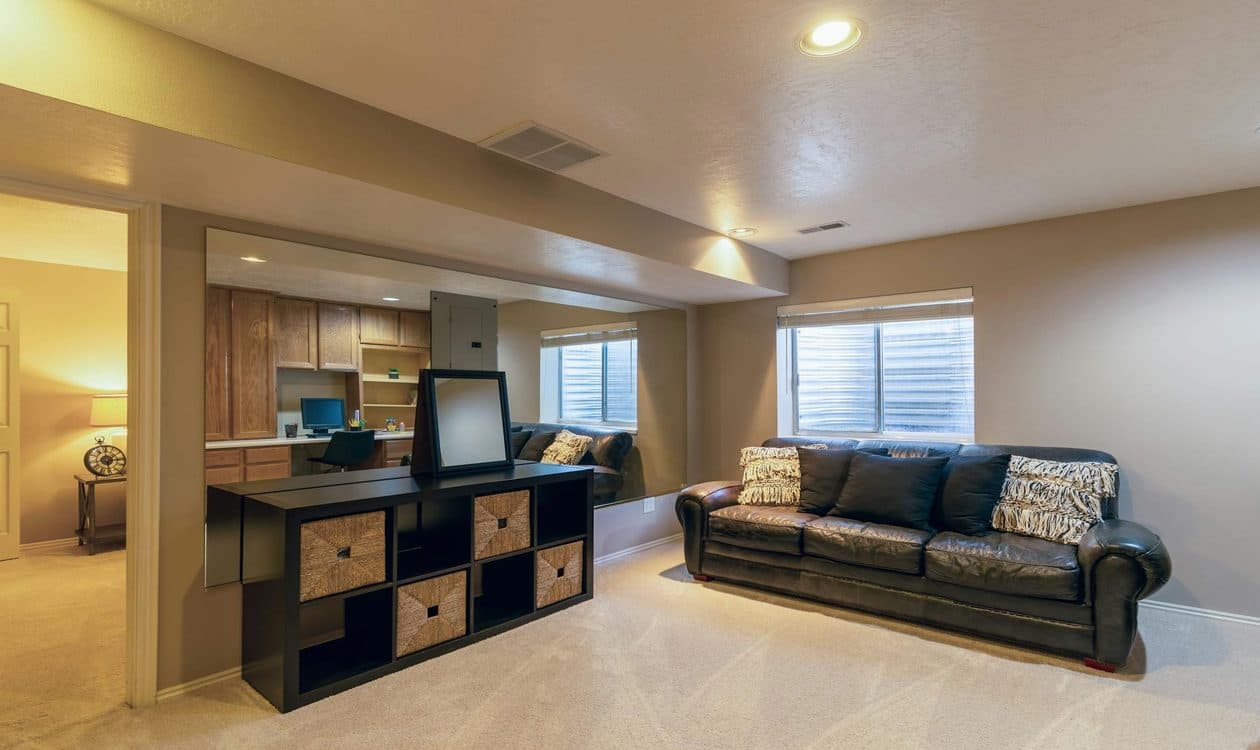
Lake Lanier was created in the 1950s by damming the Chattahoochee River. The lake basin was carved through Piedmont granite bedrock, and the surrounding shoreline terrain is rocky and hilly. Homes built along the lake are often situated on slopes, leading to walk-out basements and lower levels with substantial soil and rock contact.
The shallow granite near the lake means radon gas has a very short path from bedrock to foundation. The hilly terrain also creates natural channels for soil gas movement, directing radon toward foundation walls and floor openings. Homes near Lake Lanier in the Buford area frequently test above the EPA action level.
Lake Lanier Homes: Test as a Priority
If your home is near Lake Lanier, radon testing should be at the top of your list. The granite geology, hilly terrain, and prevalence of below-grade living spaces create ideal conditions for elevated indoor radon. Test the lowest level of your home first.
4. Testing Your Buford Home
Testing is straightforward and affordable: Neighboring cities like Suwanee, Dacula, and Duluth show similar radon patterns due to shared geology.
Choose Your Test
Professional CRM testing ($125-250) provides 48 hours of hourly data. DIY kits ($15-40 plus lab fees) give a single average. Professional testing is recommended for real estate transactions.
Place Correctly
Test the lowest livable level, typically the basement or walk-out lower level for Lake Lanier homes. Maintain closed-house conditions and keep the device away from windows and exterior doors.
Understand Results
Below 2 pCi/L: Low risk. Between 2-4 pCi/L: Consider long-term follow-up. Above 4 pCi/L: install a radon mitigation system. Above 8 pCi/L: Act promptly.
5. Mitigation Options and Costs
If your Buford home tests above 4 pCi/L, mitigation is effective and typically completed in a single day:
Slab or Basement
$1,200-$2,500
Sub-slab depressurization: a suction point through the foundation connected to PVC piping and a radon fan venting above the roofline.
Crawl Space
$2,500-$5,000
Sub-membrane depressurization: a sealed vapor barrier with active suction pulling radon from beneath the crawl space.
Both systems achieve 90-99% radon reduction. For Lake Lanier homes with very high levels, systems may include multiple suction points or higher-capacity fans. Use our radon system cost calculator for specifics. The only way to know is to schedule a radon test.
Buford and North Gwinnett Homeowners
Buford's position at the edge of the Zone 1 boundary means radon risk is real. About one in four homes tests above the action level. A 48-hour test is the simplest way to know where you stand, and mitigation is a one-day solution if levels are high.