1. Why Milton Has Elevated Radon Risk
Milton occupies the northernmost portion of Fulton County, stretching from Alpharetta's northern boundary to the Cherokee County line. The city sits on the Piedmont granite belt at a point where the bedrock is particularly close to the surface. This granite contains uranium that decays through radium into radon gas, which migrates upward through soil and enters homes through foundation openings.
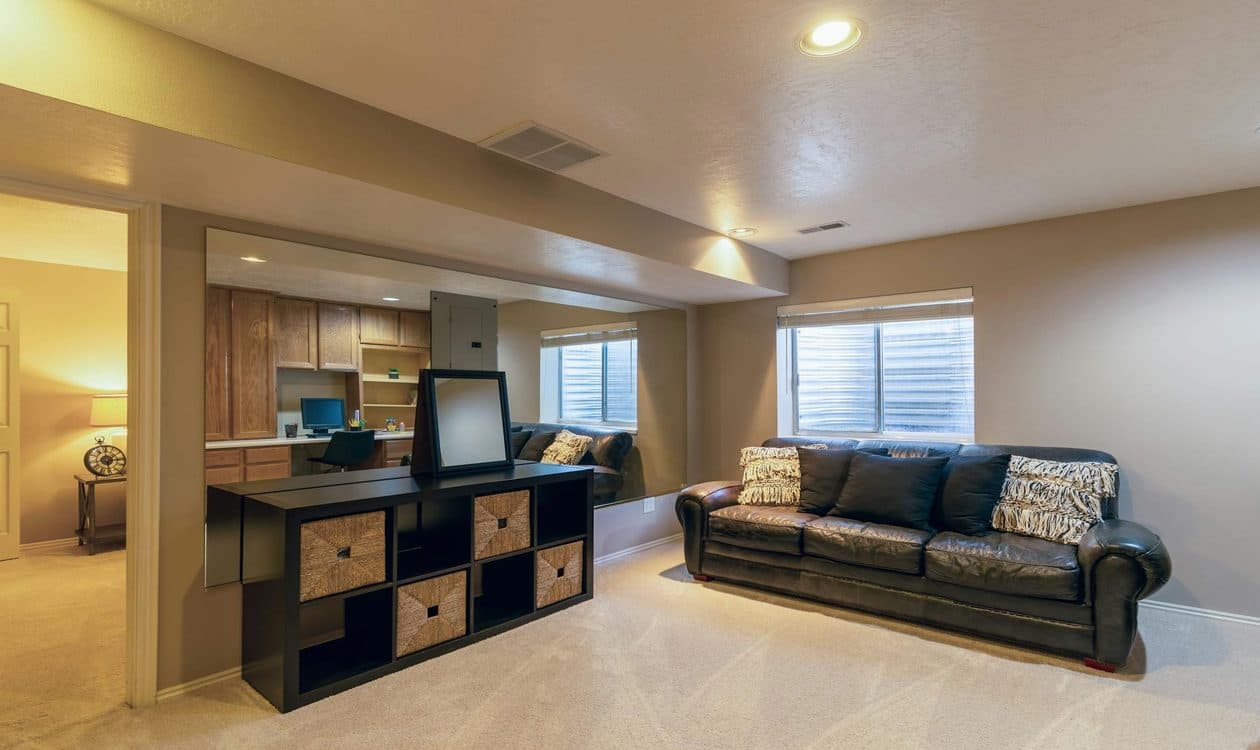
Milton's character is distinctly different from its urban neighbors. Large-lot homes on acreage, equestrian properties, and communities set among rolling hills define much of the city. The terrain means many homes have walkout basements, full basements, or crawl spaces built into slopes. These below-grade spaces sit closer to the radon source and accumulate higher concentrations than main-floor living areas.
Some Milton properties also use well water, which can contain dissolved radon from the same granite aquifers. When this water is used in the home, the radon releases into indoor air, adding to whatever radon enters through the foundation. Testing both air and water is worth considering for well-dependent homes. test your home for radon to find out your home's level.
2. EPA Zone Designation for Milton
Milton falls within Fulton County, which the EPA classifies as Zone 2. However, Milton is at the far northern edge of the county where the geology is most productive for radon. Local testing data shows Milton's actual averages are well above the Zone 2 predicted range of 2-4 pCi/L.
| Zone | Predicted Avg | Risk Level |
|---|---|---|
| Zone 1 (Highest) | Above 4 pCi/L | High |
| Zone 2 (Fulton County / Milton) | 2-4 pCi/L | Moderate |
| Zone 3 (Lowest) | Below 2 pCi/L | Low |
Milton Tests Well Above County Averages
The Zone 2 label covers all of Fulton County, including lower-risk areas in South Fulton. Milton's actual data shows averages of 3.5-6.5 pCi/L, significantly higher than the zone prediction. Milton's location in the far north of the county, on productive granite with bedrock close to the surface, places it among the highest radon risk areas in Metro Atlanta.
3. Areas with Higher Radon Potential
Every Milton home should be tested, but certain areas show patterns of elevated readings:
For broader county-level data, see our Fulton County radon guide.
Use our look up radon risk in your neighborhood to check the risk level for your Milton zip code.
4. Local Testing Data and Trends
Testing data from radon professionals working in Milton shows these patterns: Neighboring cities like Alpharetta, Roswell, and Cumming show similar radon patterns due to shared geology.
Milton's real estate market features high-value homes where radon testing during purchase is an important part of due diligence. See our home inspection radon guide for details.
5. How to Test Your Milton Home
Testing is straightforward. Here is the recommended approach for Milton homeowners:
Choose Your Test Type
A short-term test (minimum 48 hours) provides a quick snapshot. Professional CRM testing is standard for real estate transactions. DIY charcoal kits cost $15-40 plus lab fees.
Place the Test Correctly
Test in the lowest livable level. For Milton homes with basements, test there, even if the basement is only partially finished. For slab or crawl space homes, test on the main floor. Maintain closed-house conditions throughout.
Interpret Your Results
Below 2 pCi/L: Low risk, retest every 2 years. Between 2-4 pCi/L: Consider follow-up testing or mitigation. Above 4 pCi/L: The EPA recommends reduce your radon levels. Above 8 pCi/L: Prioritize mitigation promptly.
6. Mitigation Options for Milton Homes
If your Milton home tests above 4 pCi/L, mitigation is effective and straightforward:
Slab or Basement
$1,200-$2,500
Sub-slab depressurization: a suction point drilled through the foundation, connected to PVC pipe and a fan that vents radon above the roofline.
Crawl Space
$2,500-$5,000
Sub-membrane depressurization: a sealed vapor barrier over exposed soil with active suction that pulls radon from beneath and vents it outside.
Both systems reduce radon by 90-99% and are typically installed in a single day. Use our get a cost estimate for radon mitigation for a specific estimate.
Milton Homeowners
Milton sits on some of the most radon-productive geology in Metro Atlanta. With nearly 30-38% of homes testing above the action level, testing should be a priority for every homeowner. A 48-hour test gives you a definitive answer. Learn more about how radon mitigation works.