1. Why Test Accuracy Matters
Radon testing seems straightforward: place a device, wait, get results. But the details matter more than you might expect. Small errors in how and where you conduct the test can produce results that are significantly off from the actual radon level in your home.
An inaccurate test has real consequences. A false low reading could lead you to skip mitigation while your family breathes elevated radon for years. A false high reading could cause unnecessary expense and stress. Either outcome is avoidable by following proper testing protocols.
The EPA publishes specific guidelines for radon testing, and they exist for good reason. Each guideline addresses a factor that can measurably affect the result. Here are the seven most common mistakes and how to avoid them.
2. Mistake #1: Wrong Test Location
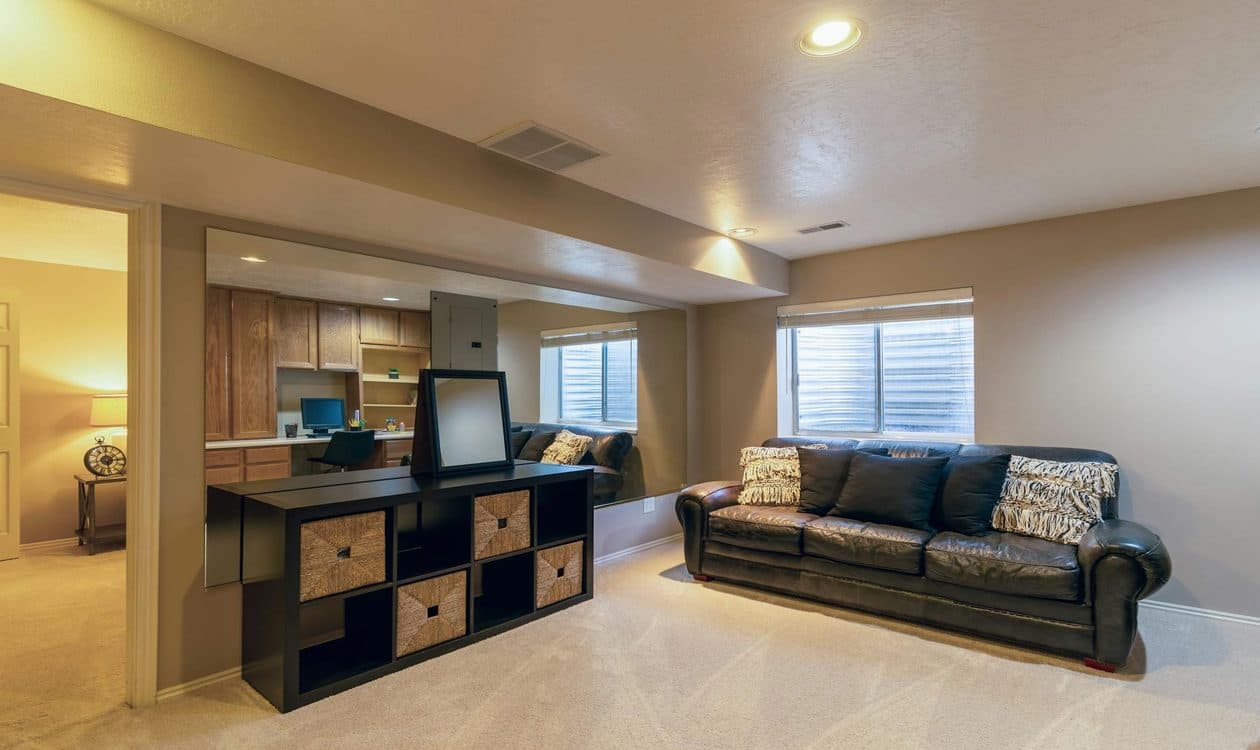
The test should be placed in the lowest livable level of your home. This does not necessarily mean the lowest existing level. It means the lowest level that is currently used as living space, or that could reasonably be used as living space.
If you have a finished basement, test there. If your basement is unfinished but you plan to finish it or use it regularly, test there. If you have a crawl space and your main floor is the lowest living area, test the main floor.
Common Location Errors
Do not test in garages, kitchens, bathrooms, closets, or storage rooms. Garages have too much air exchange with the outside. Kitchens and bathrooms have exhaust fans and moisture that affect results. Closets and storage rooms may not represent the air quality in living spaces.
Testing on the second or third floor when a ground floor or basement is available will produce an artificially low result. Radon concentrations decrease as you go higher in a building because the gas enters from below and dilutes as it moves upward.
3. Mistake #2: Ignoring Closed-House Conditions
For short-term tests (under 90 days), the EPA requires closed-house conditions. This means keeping all windows and exterior doors shut except for normal entry and exit. These conditions must begin at least 12 hours before the test starts and continue throughout the test period.
Opening windows dilutes indoor radon with outdoor air, which produces an artificially low reading. If the test runs for 48 hours but windows were open for 12 of those hours, the average will be pulled down significantly and will not represent actual living conditions during seasons when the house is closed up.
Your central HVAC system should operate normally. Heating and air conditioning recirculate indoor air and do not significantly affect radon concentrations. However, do not run whole-house fans, window fans, or attic exhaust fans that pull outdoor air through the house.
Normal daily activities are fine. You can cook, shower, and enter and exit the home as usual. The key is avoiding sustained periods with windows or doors propped open.
4. Mistake #3: Testing Too Short or Too Long
Each test type has a specific duration range that produces valid results. Going outside that range compromises accuracy.
Too Short
- CRM test under 48 hours: insufficient data for a reliable average
- Charcoal canister under 48 hours: not enough radon absorbed for accurate measurement
- Alpha track under 90 days: too few particle tracks for statistical reliability
Too Long
- Charcoal canister over 7 days: charcoal becomes saturated and begins releasing radon
- Delayed shipping after exposure: radon decays in the canister, lowering the reported result
- Leaving a kit out past the expiration date printed on the package
Follow the instructions that come with your test device. If using a charcoal canister, 3 to 5 days is the sweet spot. If using a CRM, 48 hours is the minimum, but 72 to 96 hours provides more data and a more reliable average.
5. Mistake #4: Poor Placement Within the Room
Even within the correct room, where you position the test device matters. The EPA provides specific placement guidelines.
Height
Place the device at least 20 inches above the floor. Radon concentrations can vary near the floor surface, and placing the test at breathing zone height gives a more representative reading. A table, desk, or shelf works well.
Away from Walls and Windows
Keep the device at least 3 feet from exterior walls and windows. Air leakage around windows and walls can dilute local radon concentrations and give a falsely low reading.
Away from Drafts and Heat Sources
Avoid placing the test near HVAC vents, fans, fireplaces, or exterior doors. Moving air disturbs the radon concentration around the device and can skew readings in either direction.
Avoid High Humidity
Charcoal canisters are particularly sensitive to humidity. Placing them in damp basements, near sump pits, or in bathrooms can affect the charcoal's ability to absorb radon accurately.
6. Shipping Delays, Severe Weather, and Relying on One Test
Mistake #5: Delayed shipping. After a charcoal test's exposure period ends, radon immediately begins decaying inside the sealed canister. Every day of delay reduces the amount of radon the lab can measure, which lowers the reported result. Mail the canister to the lab on the same day you seal it, or at most the next morning. Weekend pickups and holiday delays can significantly affect results.
Mistake #6: Testing during severe weather. Major storms, high winds, and rapid barometric pressure drops can temporarily spike radon levels well above normal. If you start a 48-hour test during a severe weather event, your result may not represent typical conditions. Light rain is fine, but avoid starting a test during extreme weather. If severe weather occurs mid-test, note the dates so you can consider whether the result may have been affected.
Mistake #7: Making decisions based on a single test. The EPA recommends that if your initial short-term test shows elevated radon (4 pCi/L or above), you should follow up with a second test before making mitigation decisions. For results between 2 and 4 pCi/L, a long-term test provides a better picture of your actual annual exposure. A single test is a snapshot that may or may not represent the year-round average. For a full overview of available testing methods, see our comparison of radon test kit types.
The Professional Advantage
Professional radon testers avoid all seven of these mistakes as a matter of training and protocol. If you want to eliminate the possibility of user error, professional radon testing removes the guesswork. The technician handles placement, timing, and conditions, and the hourly data reveals any anomalies that might affect the result. Long-term radon exposure is a serious lung cancer risk factor, so getting an accurate test matters.