Whether you are buying your first home or selling a property you have owned for decades, radon testing has become a standard part of real estate transactions across Georgia. Understanding the timeline helps both parties plan effectively and avoid unnecessary stress or delays. For the complete overview, see our guide to radon in Georgia real estate.
1. Before Listing (Seller's Perspective)
Smart sellers consider radon testing before their home ever hits the market. A pre-listing radon test takes pressure off the transaction and puts you in control.
- Test 2 to 4 weeks before listing: This gives you time to install a mitigation system if needed, turning a potential problem into a selling point.
- Document your results: Low radon results provide buyers with confidence and can differentiate your listing from comparable homes.
- Understand Georgia disclosure requirements: Georgia requires sellers to disclose known material defects. If you have tested and found elevated radon, you should disclose this to potential buyers. For more details, see our realtor radon guide.
2. The Due Diligence Period
In Georgia real estate transactions, the due diligence period is the buyer's window to conduct inspections and investigations. This is when most radon testing occurs.
Typical Georgia Due Diligence Timeline
- Day 1 to 3: Schedule radon test alongside general home inspection. Many buyers coordinate both for the same visit.
- Day 3 to 5: Radon test runs (minimum 48 hours with closed-house conditions).
- Day 5 to 7: Results available. Review with your agent and decide on next steps.
- Day 7 to 10: If elevated, begin negotiations with the seller about mitigation.
3. Scheduling and Running the Test
Timing the radon test correctly within the due diligence period is important. Here is what to expect.
Pre-Test Preparation
The home should maintain closed-house conditions for 12 hours before and during the test. This means keeping windows and exterior doors closed, with HVAC operating normally.
Device Placement
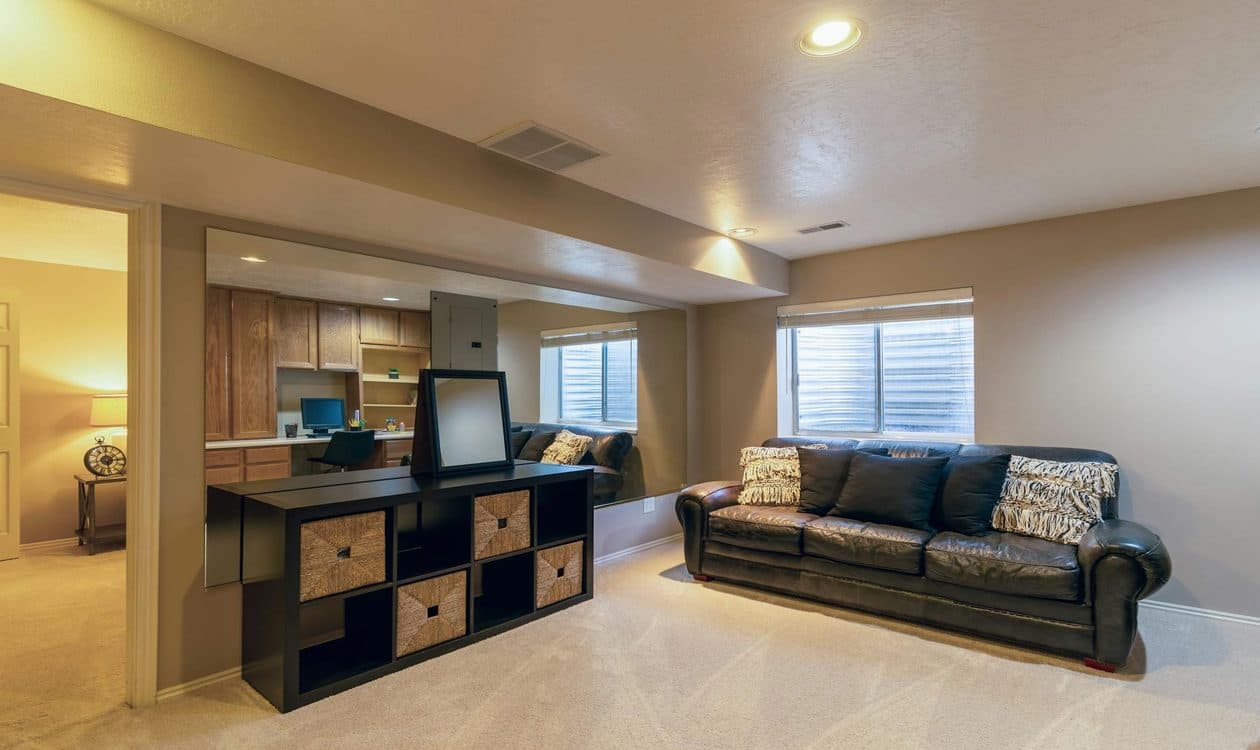
The radon monitor is placed in the lowest livable area of the home, typically 3 to 6 feet off the floor. The professional will position it away from drafts, exterior walls, and high humidity areas.
Test Duration
Professional continuous radon monitors (CRMs) record hourly readings for a minimum of 48 hours. Most professionals prefer 3 to 5 days for better accuracy.
Results Delivery
With CRMs, results are available immediately upon retrieval. The report includes the average level, hourly readings, and any tamper indicators.
4. When Results Come Back
The results will show an average radon level measured in picocuries per liter (pCi/L). What happens next depends on the number.
Below 4.0 pCi/L
No action is required by EPA guidelines. The transaction proceeds normally. Some buyers still request mitigation for levels between 2.0 and 4.0 pCi/L.
4.0 pCi/L or Above
The EPA recommends mitigation. This triggers a negotiation between buyer and seller about who will pay for and arrange the installation of a mitigation system.
5. The Negotiation Phase
When elevated radon is found, both parties have several options. The right approach depends on the transaction timeline, market conditions, and each party's priorities.
- Seller installs mitigation before closing: This is the cleanest resolution. The seller hires a professional, the system is installed and verified, and the buyer moves in with protection already in place.
- Closing credit: The seller provides a credit (typically $1,000 to $2,500) at closing for the buyer to arrange mitigation after purchase. This keeps the timeline on track.
- Price reduction: The sale price is reduced by the estimated mitigation cost. This permanently adjusts the price but may affect the appraisal.
- Buyer accepts as-is: In competitive markets, some buyers accept the property with elevated radon and plan to mitigate after closing at their own expense.
6. Mitigation Installation Timeline
If mitigation needs to happen before closing, understanding the timeline is critical for keeping the transaction on schedule.
Typical Mitigation Timeline
- Day 1 to 3: Schedule installation with a professional radon mitigation company
- Day 3 to 4: Installation day (4 to 8 hours for most homes)
- Day 4 to 7: System runs for 24+ hours before post-mitigation test begins
- Day 7 to 10: Post-mitigation test completes (minimum 48 hours)
- Day 10 to 14: Results confirmed, documentation provided
7. Verification Before Closing
Before closing on a home with a newly installed radon mitigation system, buyers should verify several things.
- Post-mitigation test results: Confirm the level is below 4.0 pCi/L (ideally below 2.0 pCi/L).
- System documentation: Receive the installation report, warranty information, and maintenance instructions.
- Manometer reading: The U-tube manometer on the system should show the fan is creating negative pressure beneath the slab.
- System inspection: Verify the pipe routing, fan location, and vent termination point look professional and meet standards.
Frequently Asked Questions
Need Radon Testing for a Real Estate Transaction?
We work with real estate agents, buyers, and sellers throughout Metro Atlanta to provide fast, accurate radon testing that fits your closing timeline. See our 2026 mitigation cost guide for pricing details.