1. The Short Answer
Yes, rain increases radon levels in most homes. The effect is temporary (typically lasting 12 to 48 hours after rain stops) but can be significant. During and shortly after heavy rainfall, indoor radon levels commonly rise 50 to 100% above dry-weather levels. In some homes, spikes of 200% or more occur during major storm events.
The increase happens through two mechanisms that work together: soil saturation sealing off surface escape routes for radon, and falling barometric pressure reducing the atmospheric resistance to soil gas entry. Both happen simultaneously during rain events, creating a compounding effect.
2. How Rain Increases Radon
Under normal dry conditions, radon gas produced in the soil migrates upward and escapes through the soil surface into the outdoor air, where it disperses harmlessly. Only a portion of the radon finds its way into your home through foundation openings.
When rain saturates the soil, the water fills the air spaces (pores) in the soil. Water-saturated soil becomes much less permeable to gas. The radon can no longer escape easily through the soil surface. Instead, it builds up underground and is forced to find alternative escape routes. Your foundation, with its cracks, gaps, and utility penetrations, becomes the path of least resistance.
Soil Saturation
Rain fills soil pores, blocking the normal upward escape of radon through the soil surface. The gas pressure builds beneath the saturated layer.
Concentrated Entry
With surface escape blocked, more radon is forced through foundation openings. Your home receives a larger share of the radon that would normally dissipate outdoors.
Indoor Accumulation
During rain, windows and doors are typically closed, reducing ventilation. Combined with increased radon entry, indoor levels rise.
3. Barometric Pressure and Radon
Barometric pressure may be the single most influential short-term weather factor for radon. Here is why:
Radon moves from areas of higher pressure (the soil) to areas of lower pressure (your home). When atmospheric pressure drops, the pressure difference between the soil gas and indoor air increases. This creates a stronger "pull" on soil gas, drawing more radon into the home.
Rain events are almost always associated with low-pressure weather systems. As a storm front approaches, barometric pressure drops. This pressure drop, combined with the soil saturation from the rain itself, creates a double effect that can spike radon levels significantly.
The Pressure Pattern
On a professional CRM test report, you can often see radon levels track inversely with barometric pressure. When pressure drops (storm approaching), radon rises. When pressure rises (clear weather returning), radon falls. This correlation is one of the most consistent patterns in radon data and explains much of the hour-to-hour variation in CRM test results.
4. Other Weather Factors
Rain and barometric pressure are the most significant, but other weather factors also influence radon:
5. Georgia Weather and Radon Patterns
Georgia's climate creates specific radon patterns that homeowners should understand:
6. What This Means for Testing
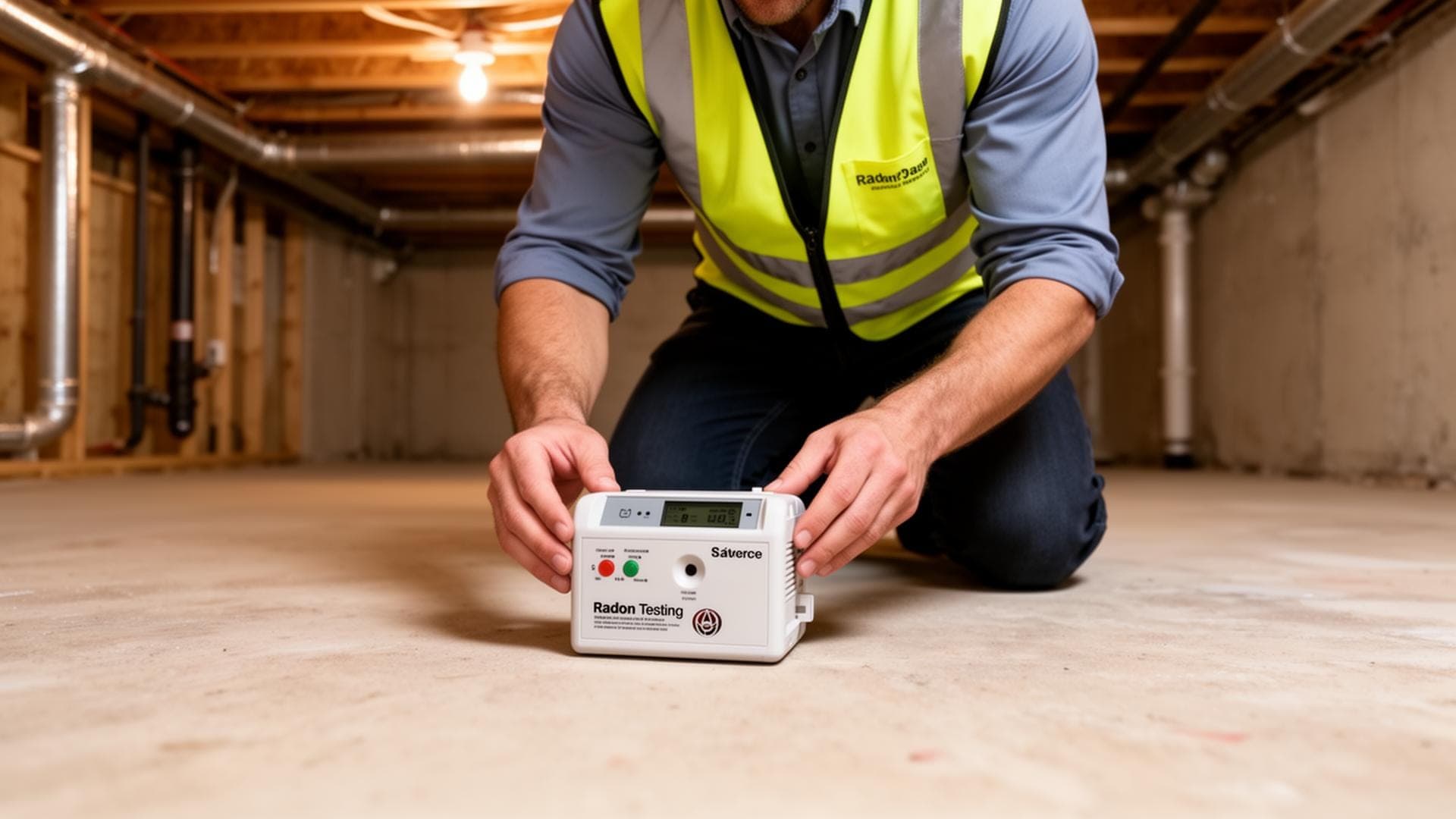
Should you avoid testing during rain? No. Here is why:
If your test happened during unusually heavy rain and the result is borderline (2-4 pCi/L), a follow-up long-term test will provide a more representative annual average. But do not delay an initial test waiting for perfect weather. Schedule a professional radon test today. Check your area's risk level with our radon risk lookup.
7. Do Mitigation Systems Handle Weather Spikes?
Yes. A properly designed sub-slab depressurization system handles weather-related radon fluctuations effectively. The continuous fan creates consistent negative pressure under the slab, regardless of soil saturation or barometric pressure changes.
During major storms, a mitigated home might see a small temporary increase in radon (perhaps from 1.0 to 1.5 pCi/L), but this is far below the spikes an unmitigated home would experience (perhaps from 5 to 12 pCi/L during the same event).
Weather-Proof Protection
This is one of the key advantages of active mitigation over passive approaches. A mitigation system with a fan provides consistent protection regardless of weather conditions. Opening windows (a common but unreliable approach) actually becomes impossible during the rain events that cause the highest radon spikes. Get a cost estimate for your home.