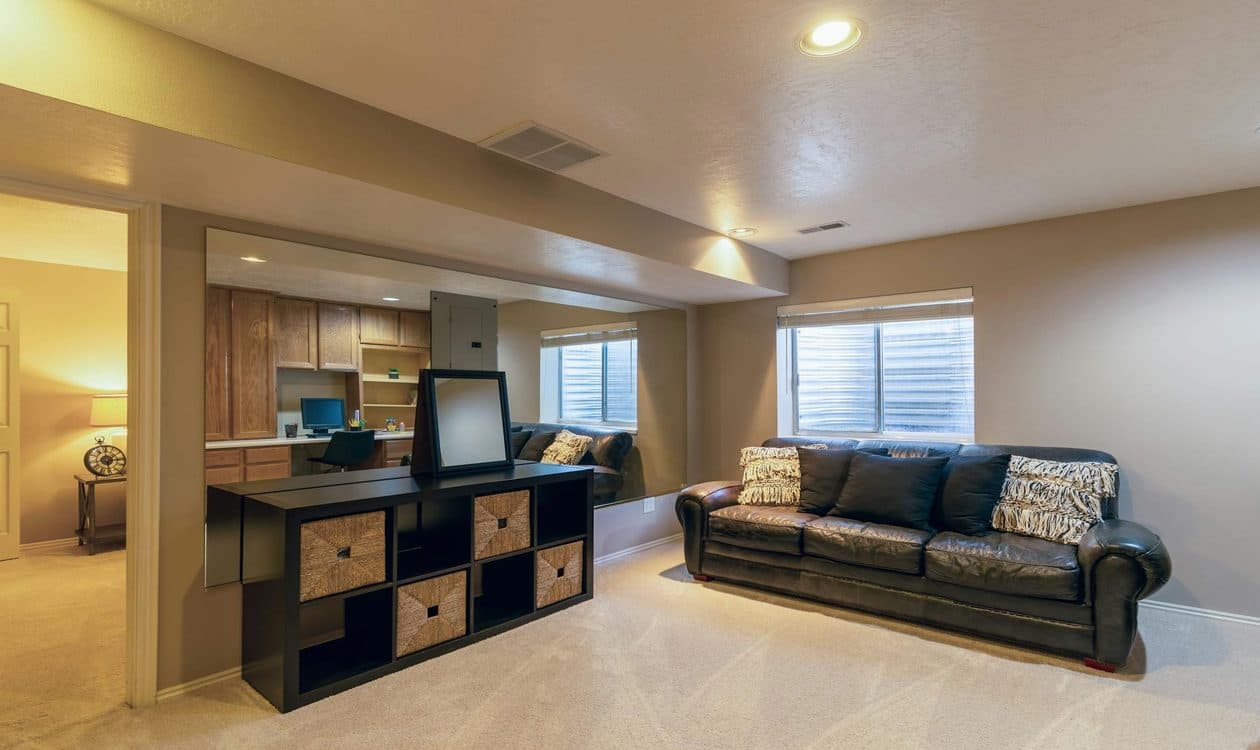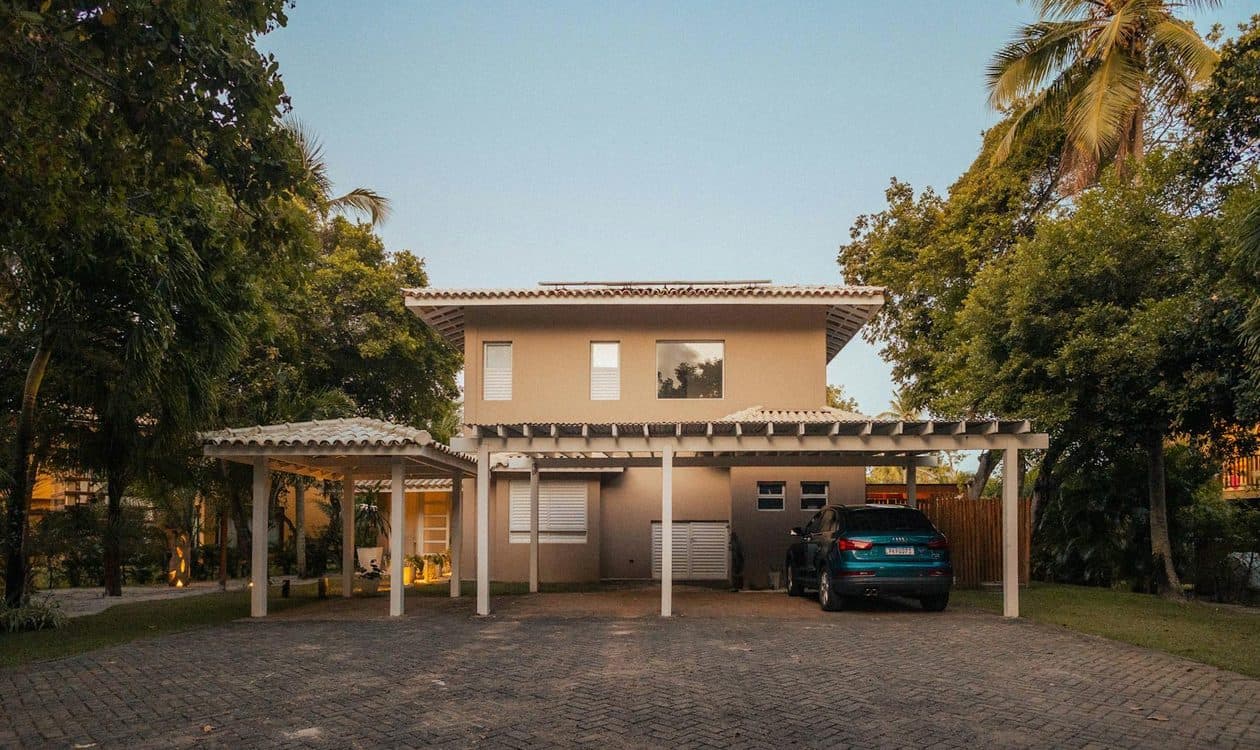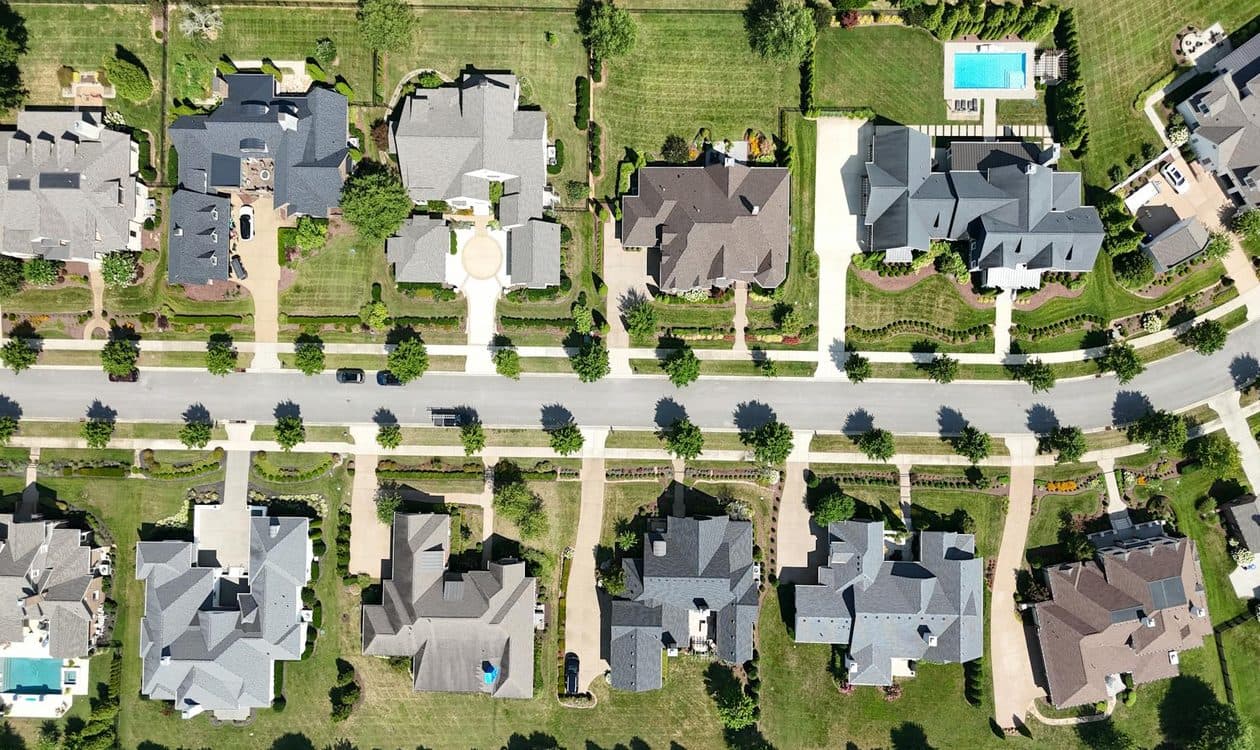
Radon does not care whether you own or rent. If you live on a ground floor or lower level apartment, townhome, or rental house, radon can accumulate in your living space just as it would in a single-family home. The good news is that testing is simple, inexpensive, and something you can do on your own.
1. Yes, Radon Affects Apartments Too
Many renters assume radon is only a concern for homeowners with basements. In reality, any building with a foundation in contact with the ground can have radon. Apartments, condos, townhomes, and duplexes are all susceptible, particularly units on the lowest occupied floor.
A large apartment complex sits on the same soil as surrounding houses. If the area has uranium-bearing rock or soil (as much of North Georgia does), radon can enter through the building's foundation, slab, or any ground-contact surface.
2. Which Floors Are at Risk?
Radon risk decreases as you move farther from ground level, but it does not disappear entirely.
Risk by Floor Level
- Basement / Garden level: Highest risk. Direct contact with soil on one or more sides.
- Ground floor / 1st floor: High risk. Slab-on-grade construction directly over soil.
- 2nd floor: Moderate risk. Radon can travel through building pathways.
- 3rd floor and above: Lower risk, but not zero. The EPA recommends testing through the third floor.
3. How to Test Your Apartment
Testing an apartment for radon is straightforward and non-invasive. You have two main options.
DIY Test Kit ($15 to $40)
Purchase a charcoal canister or alpha track test kit online or from a hardware store. Place it in the lowest lived-in room for the specified duration, then mail it to the lab. Results arrive within a week.
Professional Testing ($150 to $300)
A professional places a continuous radon monitor in your apartment for 48+ hours. Results are available immediately upon retrieval and include hourly readings and tamper indicators. Schedule a professional radon test for the most reliable results.
4. Tenant Rights in Georgia
Georgia's landlord-tenant laws do not specifically address radon. However, tenants do have some general protections that may apply.
- Implied warranty of habitability: Georgia courts have recognized that rental properties must be fit for human habitation. A known, unaddressed carcinogen could potentially violate this standard.
- Right to test: You can test your apartment for radon without landlord permission, as the test is non-invasive.
- Written requests: If radon is elevated, submit a written request to your landlord documenting the results and asking for mitigation. Keep copies of all correspondence.
5. Talking to Your Landlord
Approaching your landlord about radon requires a balance of factual communication and practical suggestions. Most landlords are not aware of radon risks and will respond better to an educational approach.
Share Your Test Results
Present the lab report with the measured level and the EPA action level of 4.0 pCi/L. Facts are more persuasive than alarm.
Provide EPA Resources
Include a link to EPA radon guidance. This validates your concern with an authoritative source.
Offer a Solution
Mention that radon mitigation typically costs $800 to $2,500 and takes one day to install. Framing it as a manageable expense helps. Our radon test kit types comparison can help you choose the right test. Prolonged radon exposure is a documented lung cancer risk, which strengthens your case when communicating with your landlord.
6. What If Your Landlord Refuses?
If your landlord is unresponsive or refuses to address elevated radon, you have several options.
- Document everything: Keep written records of your test results, communications, and the landlord's responses.
- Contact your local health department: They may be able to provide guidance or intervene on your behalf.
- Consult a tenant rights attorney: If levels are very high and the landlord refuses to act, legal consultation may be warranted.
- Consider relocating: In cases of very high radon with an unresponsive landlord, moving may be the most practical solution for your health.
7. Protecting Yourself as a Renter
While you wait for mitigation or if levels are moderately elevated, there are temporary steps you can take.
Temporary Measures
- Increase ventilation by opening windows when weather permits
- Use fans to improve air circulation, especially in lower-level rooms
- Seal visible cracks in the floor or walls with appropriate sealant
- Spend less time in the lowest level of the apartment if possible
Frequently Asked Questions
Test Your Apartment for Radon
Whether you own or rent, knowing your radon level is the first step to protecting your health.