1. Why Renovations Change Radon Levels
Radon enters your home through specific pathways: cracks in the foundation slab, gaps around pipes and utility penetrations, construction joints where walls meet the floor, and openings around sump pits. Your home's pressure dynamics, ventilation patterns, and building envelope also play a role in how much radon accumulates indoors.
When you renovate, you are often changing one or more of these factors. Breaking through a concrete slab to add plumbing creates new entry points. Finishing a basement changes the airflow patterns in the lowest level. Installing a new HVAC system alters the pressure balance throughout the house.
Even renovations that seem unrelated to radon can have an effect. Adding an addition changes how your home pressurizes. Replacing windows with tighter-sealing models reduces air infiltration, which can increase radon concentration. Regrading your yard changes drainage patterns around the foundation.
The bottom line is that any significant renovation has the potential to change your radon situation, either for better or for worse. The only way to know is to test after the work is complete.
2. Renovations That Affect Radon Most
Not all renovations carry the same radon risk. Some projects are much more likely to change your levels than others.
Foundation work
Any work that involves cutting, drilling, or modifying your foundation slab can create new radon entry points. This includes adding floor drains, bathroom rough-ins, or structural modifications to the slab.
Basement finishing
Converting an unfinished basement into living space changes ventilation patterns, adds insulation that seals the space tighter, and often involves new HVAC ductwork. All of these affect radon dynamics.
HVAC replacement or modification
New systems with different ductwork layouts, return air locations, or capacity can change the pressure balance in your home. This is especially true if return ducts are added or moved in the lowest level.
Home additions
Adding square footage, especially at grade level, introduces new foundation area where radon can enter. The connection between the existing foundation and the new addition is often a significant entry point.
3. Basement Finishing and Radon
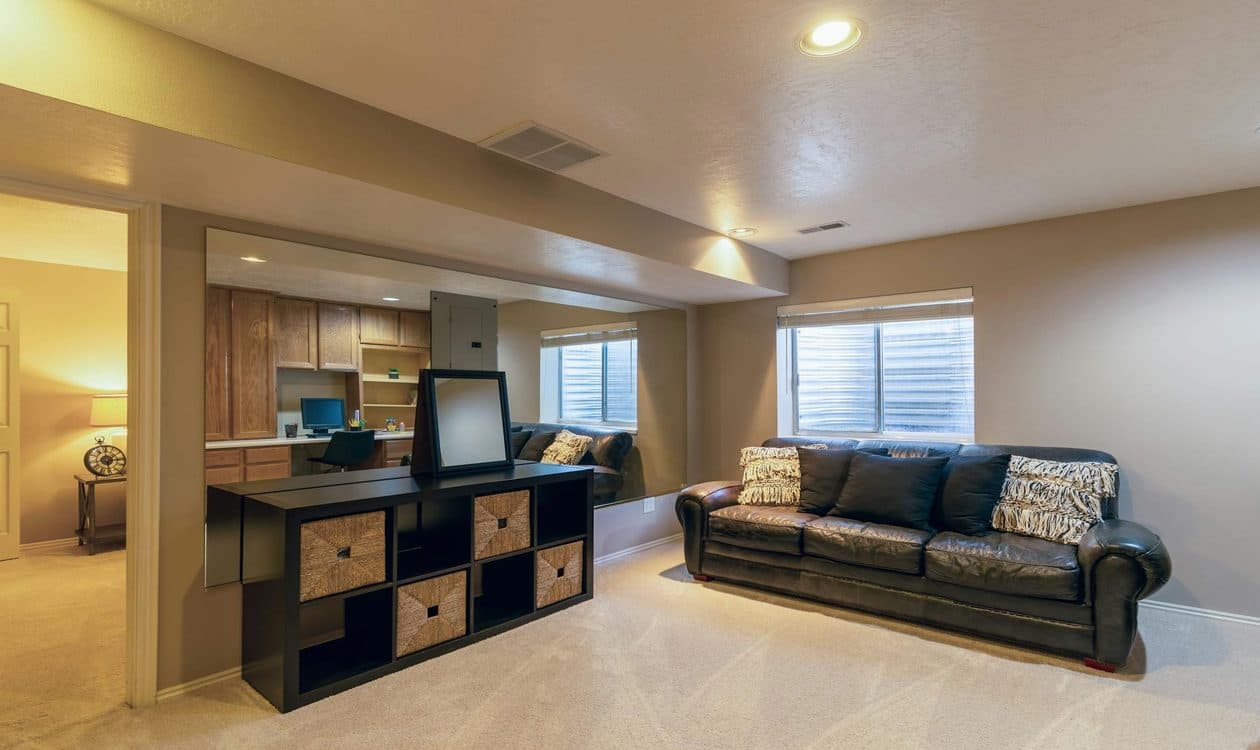
Basement finishing is one of the most common renovations in Georgia homes, and it deserves special attention for radon control. Before the renovation, your unfinished basement may have had some natural ventilation through gaps, vents, or an open layout that allowed radon to dissipate somewhat.
After finishing, the space is insulated, drywalled, and sealed much more tightly. This can trap radon in the living space more effectively. At the same time, you and your family are now spending time in that space, breathing that air, which makes the radon concentration more relevant to your health.
On the positive side, some basement finishing work can actually reduce radon entry. Sealing the slab with proper vapor barriers, filling cracks with appropriate sealant, and encapsulating the floor can reduce the pathways radon uses to enter. However, sealing alone is not considered a reliable radon reduction strategy because it is nearly impossible to seal every microscopic crack and gap.
Plan Ahead
If you are planning a basement finish, consider testing for radon before the project starts. If levels are high, you can have a radon mitigation system installed during the renovation when access to the slab is easier and the work can be integrated into the overall project. This is often less expensive and less disruptive than retrofitting a system after the finishing work is complete.
4. HVAC Changes and Radon
Your HVAC system plays a bigger role in radon dynamics than most homeowners realize. The system creates pressure differences throughout your home as it moves air from one area to another. These pressure differences can either help or hurt your radon situation.
When your HVAC system has more return air capacity in the lower level than supply air, it creates negative pressure in that area. This negative pressure acts like a vacuum, pulling soil gas (including radon) through foundation cracks and into your home. A well-balanced system with equal supply and return in each zone minimizes this effect.
If you recently replaced your HVAC system, added zones, or changed your ductwork layout, your home's pressure dynamics have changed. Even upgrading to a more powerful system can alter how air moves through the house and affect radon levels.
This is why retesting after an HVAC change is so important. The new system may be more energy-efficient and comfortable, but it may also be creating conditions that draw more radon into your living space.
5. When to Retest After Renovation
Timing matters for post-renovation radon testing. Testing too soon can give you inaccurate results because the house has not settled into its new normal.
Wait at Least 30 Days
Allow new concrete to cure, dust to settle, and your HVAC system to run under normal conditions for at least a month before testing. This gives you a reading that reflects how your home will actually perform going forward.
Resume Normal Living First
Make sure windows are back to being kept closed or open as you normally would, your HVAC is running its regular schedule, and you are living in the renovated space. A test during construction conditions will not reflect your real exposure.
If your pre-renovation radon test showed levels below 4 pCi/L and your post-renovation test shows levels above 4 pCi/L, the renovation likely introduced new radon pathways or changed your home's pressure dynamics. A professional radon mitigation system can resolve this, typically costing between $1,200 and $2,500 in the Atlanta area. Start with a professional radon test and explore our residential radon services.
6. Radon Prevention During Renovations
If you are planning a renovation, there are steps you can take during the project to minimize the risk of increasing radon levels.
First, test before the project starts. Knowing your baseline radon level helps you understand whether the renovation changed anything. If your pre-renovation level is already elevated, you can address it during the construction process.
Second, if the project involves cutting or modifying the slab, ask your contractor about sealing the cuts properly when the work is complete. While sealing alone is not a complete radon solution, it does reduce the size of the entry points.
Third, if you are adding new plumbing through the slab, make sure the gaps around the pipes are sealed with appropriate caulk or expanding foam designed for below-grade applications.
Pro Tip: Install During Renovation
If you know you need radon mitigation, or if your pre-renovation test shows borderline levels, consider having a sub-slab depressurization system installed during the renovation. It is easier and often cheaper to install when the basement or crawl space is already opened up for construction. For more on what installation involves, read how radon enters your home.