1. Why Acworth Has High Radon Risk
Acworth sits at the northern edge of Cobb County and extends into Cherokee County. Both counties are classified by the EPA as Zone 1, the highest radon risk designation. The bedrock beneath Acworth is Piedmont granite and gneiss, rich in uranium that decays into radon gas. The gas migrates through soil and enters homes through foundation openings.
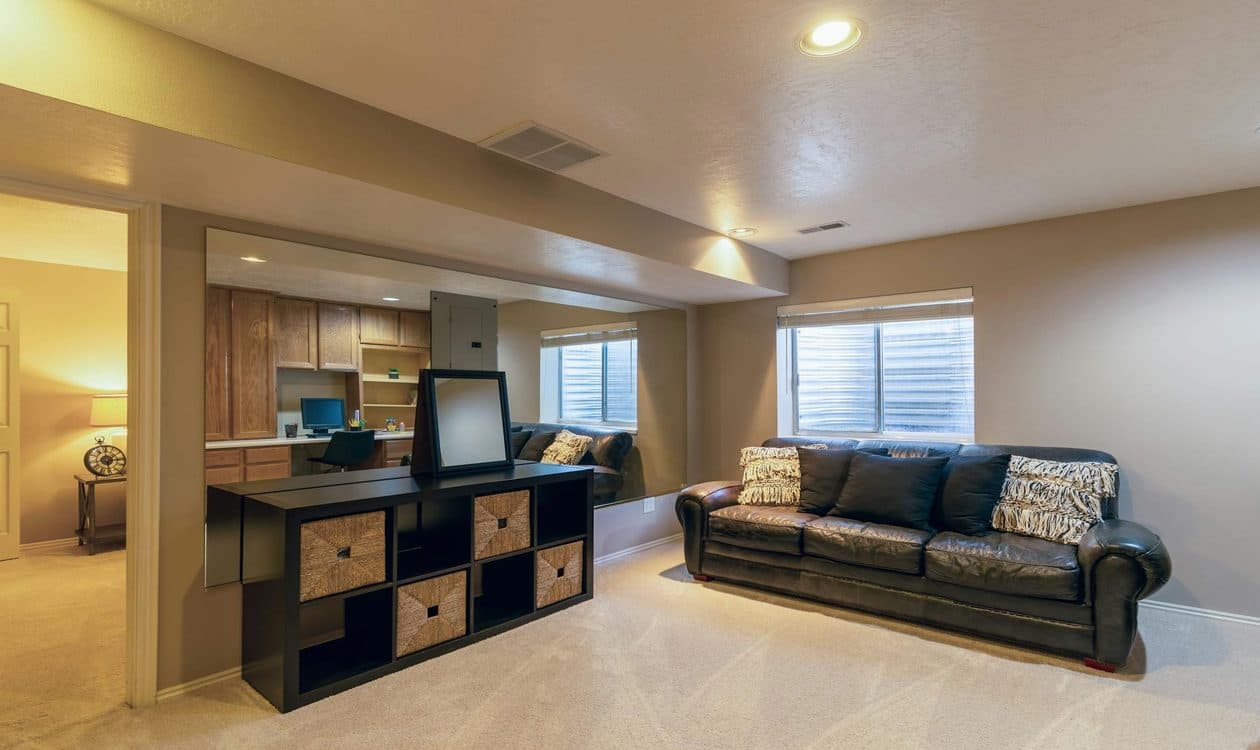
The terrain around Acworth is hilly, especially near Lake Acworth and Lake Allatoona. This terrain means many homes are built with walkout basements, full basements, or crawl spaces that follow the natural grade. These below-grade spaces put living areas closer to the radon source and tend to accumulate higher levels than main-floor rooms.
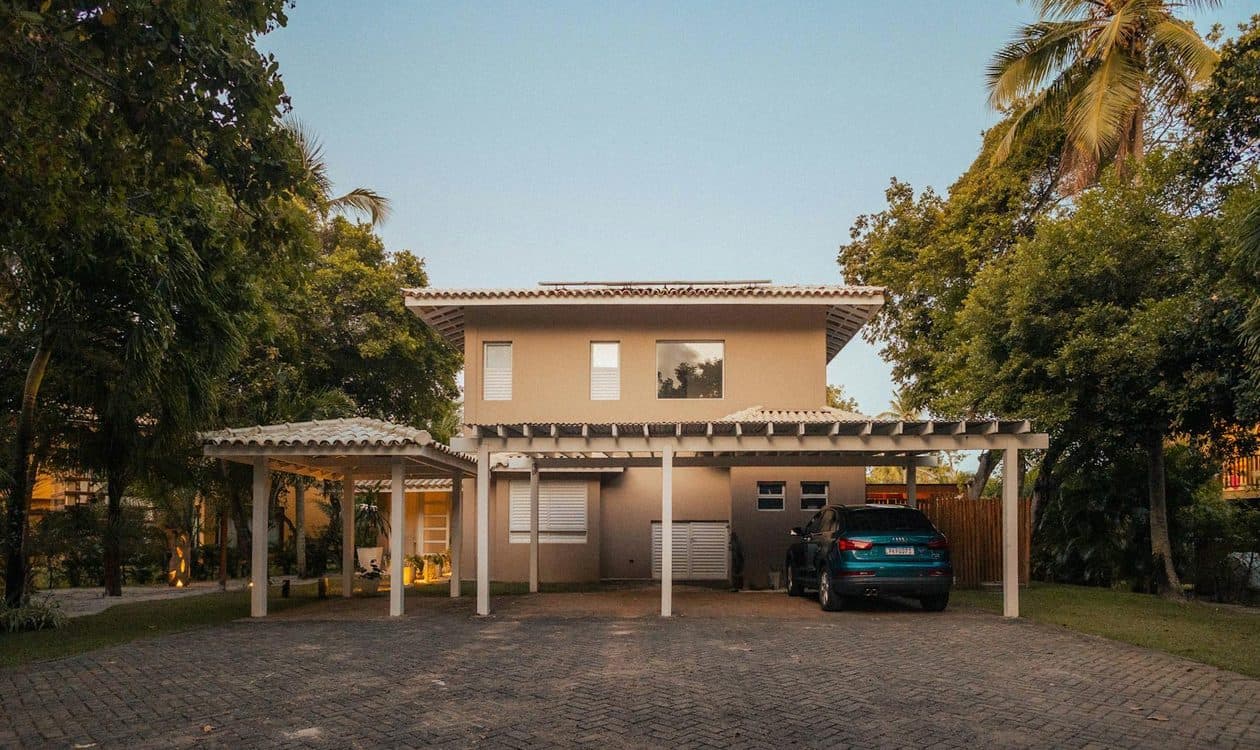
Acworth's housing stock spans from historic homes near downtown to large subdivisions built in the 2000s and 2010s. Regardless of age, all homes in Acworth sit on the same high-risk geology. The only way to know your home's radon level is to have your home tested for radon.
2. EPA Zone Designation for Acworth
Acworth spans two counties, both classified as EPA Zone 1. Cobb County and Cherokee County share this highest-risk designation, with predicted average indoor radon levels above 4 pCi/L. This makes Acworth one of the few cities in Metro Atlanta that sits entirely within Zone 1 territory.
| Zone | Predicted Avg | Risk Level |
|---|---|---|
| Zone 1 (Cobb & Cherokee / Acworth) | Above 4 pCi/L | High |
| Zone 2 (Moderate) | 2-4 pCi/L | Moderate |
| Zone 3 (Lowest) | Below 2 pCi/L | Low |
Dual Zone 1 Counties Mean High Priority
Acworth is unique in sitting across two Zone 1 counties. The EPA recommends testing every home in Zone 1 areas. With local averages of 3.5-6.0 pCi/L and over a quarter of tested homes exceeding the action level, radon testing in Acworth is not optional, it is essential.
3. Neighborhoods with Higher Radon Potential
All Acworth homes should be tested, but certain areas show patterns of elevated readings:
For broader county-level data, see our Cobb County radon guide.
Use our check your zip code's radon risk to check the risk level for your Acworth zip code.
4. Local Testing Data and Trends
Testing data from radon professionals working in Acworth shows these patterns: Neighboring cities like Kennesaw, Woodstock, and Powder Springs show similar radon patterns due to shared geology.
Acworth's growing real estate market makes radon testing during home purchases particularly important in this Zone 1 area. See our home inspection radon guide for details.
5. How to Test Your Acworth Home
Testing is straightforward. Here is the recommended approach:
Choose Your Test Type
A short-term test (minimum 48 hours) gives a quick snapshot. Professional CRM testing is standard for real estate. DIY charcoal kits cost $15-40 plus lab fees.
Place the Test Correctly
Test in the lowest livable level. For basement homes, test in the basement. For slab or crawl space homes, test on the main floor. Keep the device away from windows and exterior walls. Maintain closed-house conditions.
Interpret Your Results
Below 2 pCi/L: Low risk, retest every 2 years. Between 2-4 pCi/L: Consider follow-up testing or mitigation. Above 4 pCi/L: The EPA recommends professional radon mitigation. Above 8 pCi/L: Prioritize mitigation promptly.
6. Mitigation Options for Acworth Homes
If your Acworth home tests above 4 pCi/L, mitigation is effective and straightforward:
Slab or Basement
$1,200-$2,500
Sub-slab depressurization: a suction point drilled through the foundation, connected to PVC pipe and a fan that vents radon above the roofline.
Crawl Space
$2,500-$5,000
Sub-membrane depressurization: a sealed vapor barrier over exposed soil with active suction that pulls radon from beneath and vents it outside.
Both systems reduce radon by 90-99% and are typically installed in a single day. Use our estimate your radon mitigation cost for a specific estimate.
Acworth Homeowners
Acworth sits in two Zone 1 counties with among the highest radon risk in Georgia. If you have not tested your home, a 48-hour test gives you a definitive answer. Learn more about how radon mitigation works.