Category
Commercial & Multifamily Radon Guides
Commercial and multifamily properties are tested and mitigated differently from single-family homes, and the requirement usually comes from a lender, an agency program, or a due-diligence report rather than a state law. These guides cover each property type, the rules that trigger testing, what a commercial system costs, and how to keep a closing on schedule.
21 articles in this topic

Radon in Mixed-Use Developments: Residential Over Ground-Floor Retail
Apartments or condos over ground-floor retail are a fast-growing metro-Atlanta build type. Why the ground floor and lowest units carry the most radon risk, how testing is designed across uses, and how mitigation works in a shared structure.

Radon and Affordable Housing: LIHTC, Section 42, and Section 8 in Georgia
Affordable housing is financed through tracks separate from a standard HUD mortgage, including LIHTC (Section 42) and project-based Section 8, and radon testing often comes up through the allocating agency, investors, and resident-safety obligations. How it fits the development timeline.
Radon Testing for Self-Storage Facilities
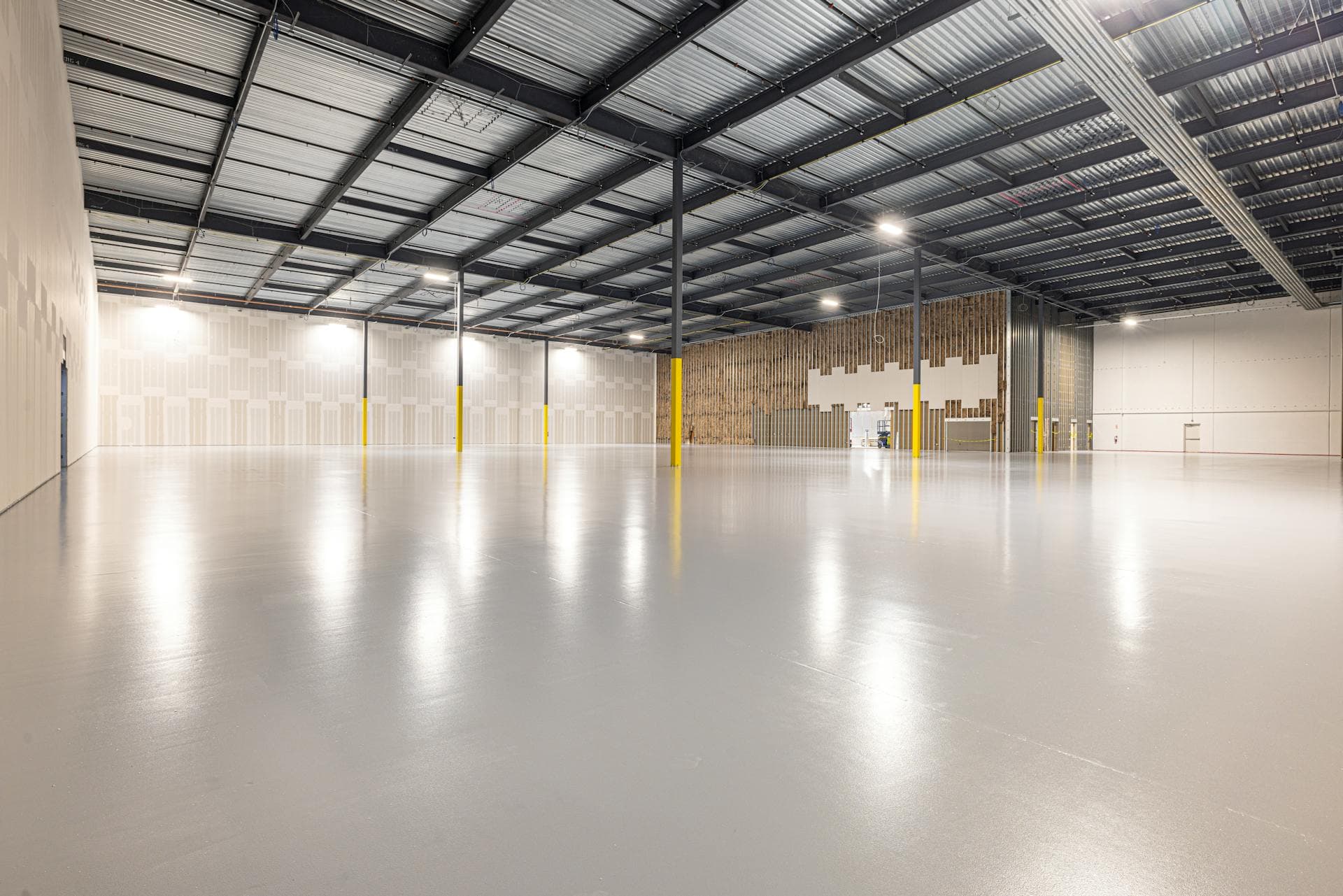
Self-storage facilities combine slab-on-grade construction, low ventilation, and climate-controlled units. Why operators and acquirers test, how testing a storage facility works, and what mitigation involves.

Radon Testing for Retail and Strip-Center Spaces in Georgia
Retail and strip-center spaces sit on large slab-on-grade footprints with many soil-gas entry points. Why landlords and ground-floor tenants test, how testing works, and the Georgia transaction and liability picture.

Radon Testing for Georgia Schools: District Programs and the AARST School Standard
A facilities-director guide to radon in K-12 schools. EPA estimates roughly 1 in 5 schools has at least one ground-contact room above 4 pCi/L. How district testing programs work, the consensus measurement standard schools follow, and where Georgia stands (no state mandate).

Does OSHA Require Radon Testing at Work? Georgia Employer Duties
Radon is a workplace concern, not just a home one. The OSHA general duty clause obligates employers to address recognized hazards, and ground-floor and lower-level workspaces can carry elevated radon. Why employers test, how it works, and what duty of care looks like in Georgia.

Commercial Radon Disclosure and Landlord Liability in Georgia
Georgia has no radon mandate and no radon-specific disclosure law, but once a landlord is on notice a duty of care exists. Why documenting a test and any mitigation is the defensible response to a tenant inquiry, plus lease and risk-management considerations. General information, not legal advice.

Why a Missing or Late Radon Report Can Delay Your Commercial Closing
When a loan program or lender requires radon testing, a missing, late, or elevated result can hold up a commercial or multifamily closing. Why it happens and how to keep radon from delaying your deal.

ANSI/AARST Radon Standards Explained: The Protocols Lenders Expect
A plain-language guide to the ANSI/AARST radon standards that lenders and programs reference: the multifamily and large-building measurement standard (MA-MFLB-2023) and the new-construction soil-gas control standard (CC-1000), and why they matter when you hire a tester.

Radon in Commercial Real Estate Due Diligence: Where It Fits in a Phase I ESA
Radon is generally outside the scope of a standard ASTM E1527 Phase I Environmental Site Assessment. Here is why, how buyers and lenders add radon to commercial due diligence, and why it still matters in higher-radon geographies.

Radon Testing for Hotels and Hospitality Properties
Hotels combine ground-floor guest rooms, amenity spaces, and long employee shifts, which makes radon a real consideration. Why hospitality owners test, how testing a large lodging property works with minimal guest disruption, and what mitigation involves.

Radon Testing for Hospitals and Medical Office Buildings
Patients and staff spend long hours in healthcare buildings, often on ground-floor and basement clinical levels. Why hospitals and medical offices test for radon, how testing works around active clinical operations, and what mitigation looks like.
Radon Testing for Warehouses and Industrial Buildings
Large slab-on-grade warehouses and industrial buildings can concentrate radon: big ground-contact footprints, slab penetrations, and low fresh-air ventilation, with workers at ground level. Why owners test, how testing a large floor area works, and how mitigation scales up.

Radon Testing for Senior Living and Assisted Living Facilities
Senior living and assisted living facilities house a vulnerable, long-occupancy population, and HUD Section 232 loans require a radon report. Why operators test, how testing works in an occupied care facility, and how to plan it into a loan timeline.

Which Radon Rules Apply to Your Multifamily Loan: HUD, Fannie Mae, Freddie Mac, or Your Lender
Which radon rules govern a multifamily deal depends on how it is financed. Here is how HUD, Fannie Mae, Freddie Mac, and individual lender requirements differ after the 2025 FHFA changes, and how to find the requirement that actually controls your loan.

Commercial Radon Mitigation Cost for Large Buildings
What drives the cost of mitigating radon in a large or commercial building: the number of affected units and areas, slab construction and footprint, suction points, fan selection and noise control, riser routing in occupied buildings, electrical, and post-mitigation verification. How commercial sub-slab depressurization scales up from residential, and why a firm price comes after testing and a site visit.

Does Georgia Require Radon Testing for Commercial Buildings?
Georgia has no state law requiring radon testing for commercial or residential buildings, and it does not license radon professionals. But federal lending, real estate due diligence, and duty of care to tenants and employees make testing a real liability anyway. Here is what owners in metro Atlanta need to know.
Radon Testing for Apartment Buildings in Georgia: An Owner and Manager Guide
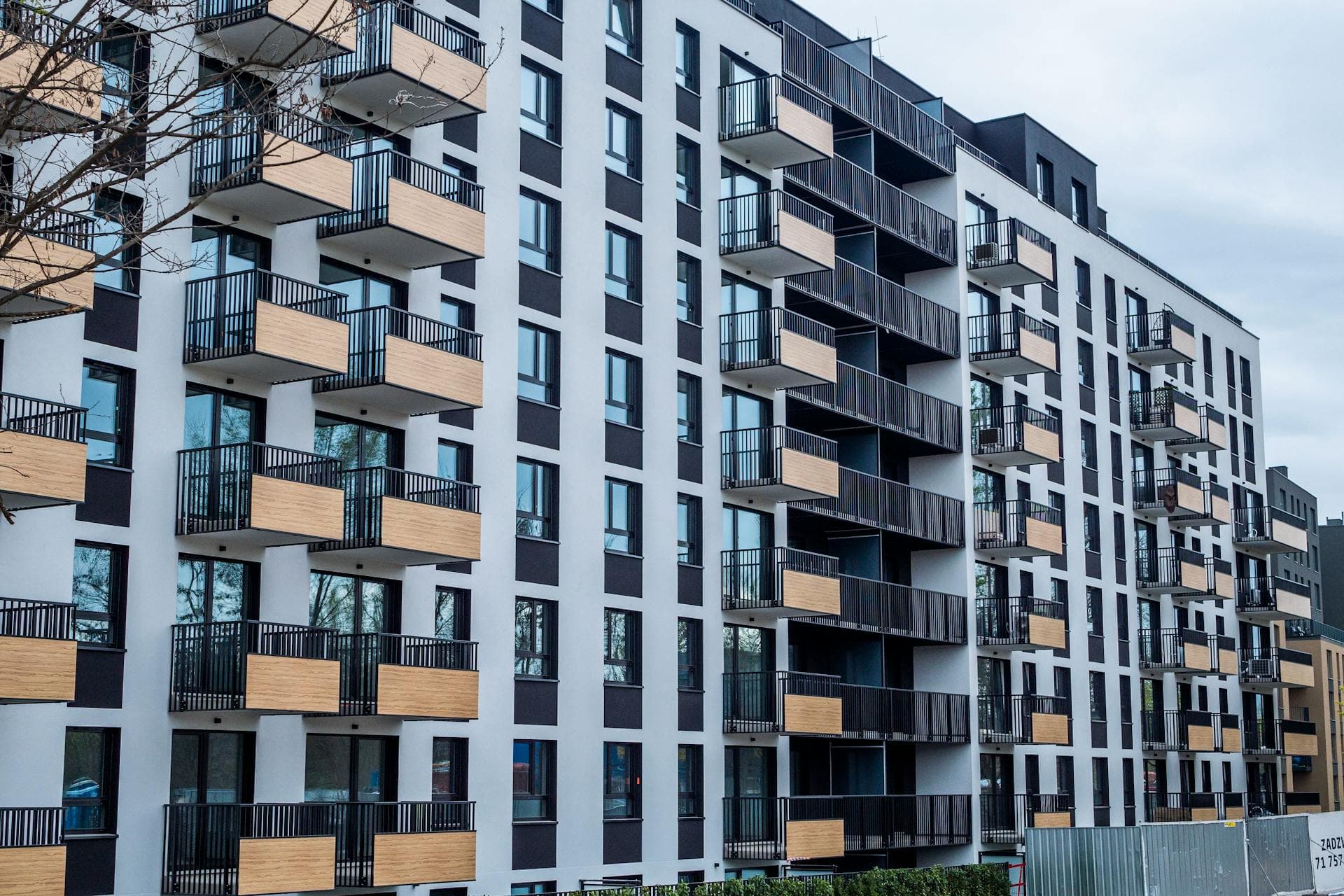
A practical guide for apartment owners and property managers in metro Atlanta. Why apartment buildings get tested, how testing works in an occupied building without disrupting residents, which units carry the most risk, what mitigation looks like, and the disclosure and liability picture in Georgia.

Commercial Radon Testing Cost in Georgia: What Building Owners Pay
What actually drives the cost of commercial radon testing in Georgia: building size, the number of units or zones tested, device type, occupied-building logistics, and turnaround. How commercial pricing differs from residential, how multifamily per-unit pricing works, and what a fixed-fee testing quote includes.
HUD Radon Requirements for Multifamily Properties: Testing Rules and What Owners Must Do
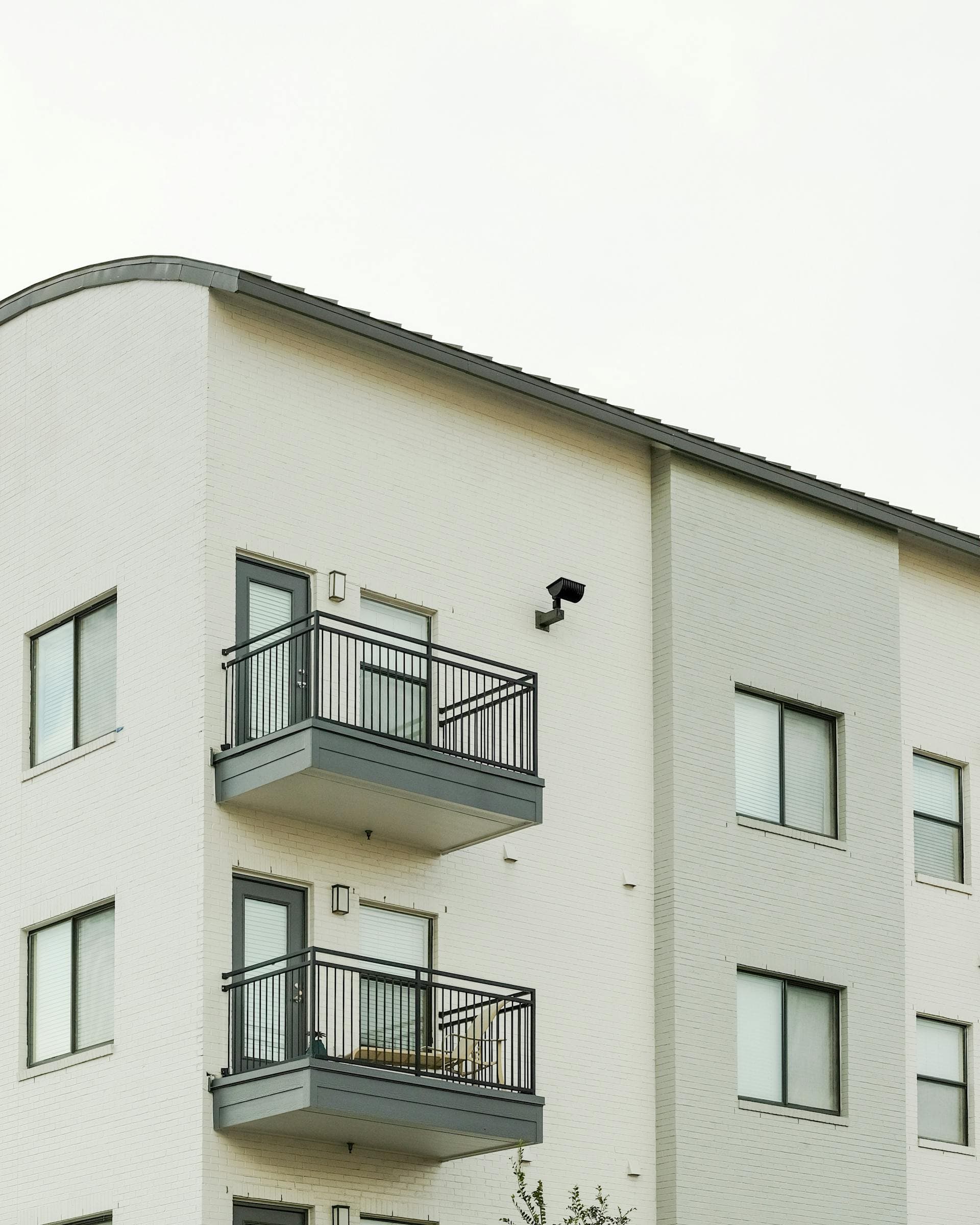
HUD finances much of US multifamily housing, and most of those loans require radon testing. Here is how the rules work in 2026: the 4.0 pCi/L action level, the 2025 sampling update, ANSI/AARST protocols, Section 232 senior living, and what it costs.

Fannie Mae & Freddie Mac Changed Radon Testing Rules in March 2025: What Multifamily Owners Need to Know
On March 26, 2025, the FHFA rescinded its 2022 directive that had standardized radon testing across Fannie Mae and Freddie Mac. Each enterprise now sets its own multifamily requirements, with more room for environmental-professional judgment and state law. HUD requirements are separate and unchanged. Here is what acquisition teams need to know.
Ready to test or mitigate?
Our radon professionals serve all of Metro Atlanta with testing and mitigation that fits your home.