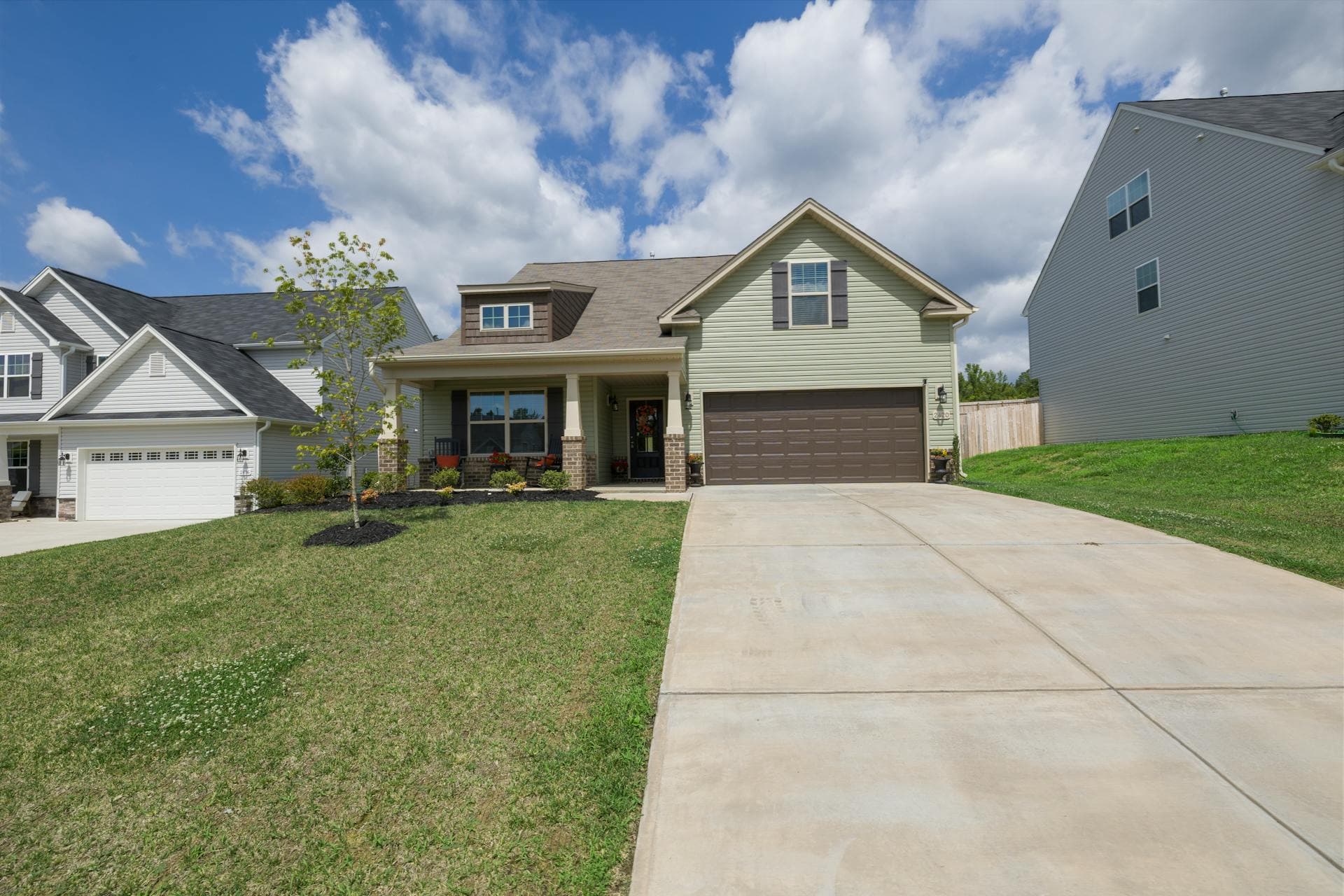
Slab Foundation Radon in Marietta
Sub-Slab Depressurization for Cobb County Homes
Many newer Marietta homes are built on concrete slab foundations. We install sub-slab systems that effectively remove radon from beneath your home.
How Radon Enters Slab Foundations
Concrete slabs may appear solid, but they have multiple pathways where radon can infiltrate your Marietta home.
Shrinkage Cracks
As concrete cures and settles, hairline cracks develop that allow radon to seep through the slab.
Control Joints
Intentional grooves in slabs designed to control cracking become pathways for radon entry.
Utility Penetrations
Gaps around plumbing pipes, electrical conduits, and HVAC lines passing through the slab.
Slab-Wall Gaps
The perimeter where concrete meets foundation walls often has small gaps that allow radon infiltration.
Sub-Slab Installation Process
Site Evaluation
We assess your slab construction, soil conditions, and identify optimal suction point locations.
Core Drilling
A 4-5 inch hole is drilled through the concrete slab to access the sub-slab material.
Suction Pit
Material is excavated beneath the slab to create a suction pit for effective depressurization.
System Install
PVC piping connects the suction point to a fan that vents radon above the roofline.
Common in Cobb County New Construction
Slab-on-grade foundations are popular in newer Marietta subdivisions. Many homes built after 2000 in areas like West Cobb and along the Dallas Highway corridor feature slab construction. These homes are ideal candidates for sub-slab depressurization.
Slab System Advantages
Single Suction Point
Most Marietta slab homes only need one suction point for effective radon reduction.
Hidden Routing
Piping can run through garages, closets, or along exterior walls for minimal visibility.
Quick Installation
Slab systems are typically installed in a single day with minimal disruption.
High Effectiveness
Sub-slab depressurization achieves 90-99% radon reduction in most homes.
Foundation Comparison for Marietta
| Feature | Slab Foundation | Crawl Space | Basement |
|---|---|---|---|
| Mitigation Method | Sub-Slab | Sub-Membrane | Sub-Slab |
| Typical Cost | $900 - $1,800 | $1,000 - $2,200 | $1,000 - $2,000 |
| Installation Time | 3-5 hours | 4-8 hours | 4-6 hours |
| Common In Marietta | Newer subdivisions | Throughout Cobb | Older homes |
Slab Foundation Radon FAQs
How does sub-slab depressurization work?
A hole is drilled through your concrete slab to create a suction point. A fan creates negative pressure beneath the slab, drawing radon out through PVC piping and venting it safely above your roofline before it can enter your home.
Will drilling through my slab cause damage?
No. The 4-5 inch core-drilled hole doesn't affect structural integrity. The pipe is properly sealed into the slab, creating an airtight connection. We've installed hundreds of systems in Cobb County homes without issues.
How much does slab radon mitigation cost in Marietta?
Slab foundation systems in Marietta typically cost $900-$1,800 depending on home size, number of suction points needed, and pipe routing complexity. Most homes fall in the $1,000-$1,400 range.
Are slab foundation homes at higher radon risk?
Not necessarily. Slab homes have direct ground contact but no below-grade living space. Radon risk depends more on local geology than foundation type. Cobb County's granite bedrock produces radon regardless of foundation.
Where does the radon system pipe go?
We route the pipe through the most discreet path: interior closet, garage, or exterior wall. The fan is typically installed in the attic or on the exterior, and the pipe exhausts above the roofline.
How do I know the system is working?
Every system includes a u-tube manometer that shows the fan is creating suction. We also perform post-installation testing to verify radon levels are reduced below 4.0 pCi/L.
Protect Your Slab Foundation Home
Contact us for a free quote on slab foundation radon mitigation in Marietta.
Related Topics
Radon Testing
Test your slab home for radon
Mitigation Systems
Compare all system types
Mitigation Cost
Slab systems $900-$1,800
Crawl Space Radon
Sub-membrane for crawl spaces
Basement Radon
Sub-slab for basements
New Construction
RRNC for new slab homes
Radon Safety Resources
Expert insights and guides to keep you informed
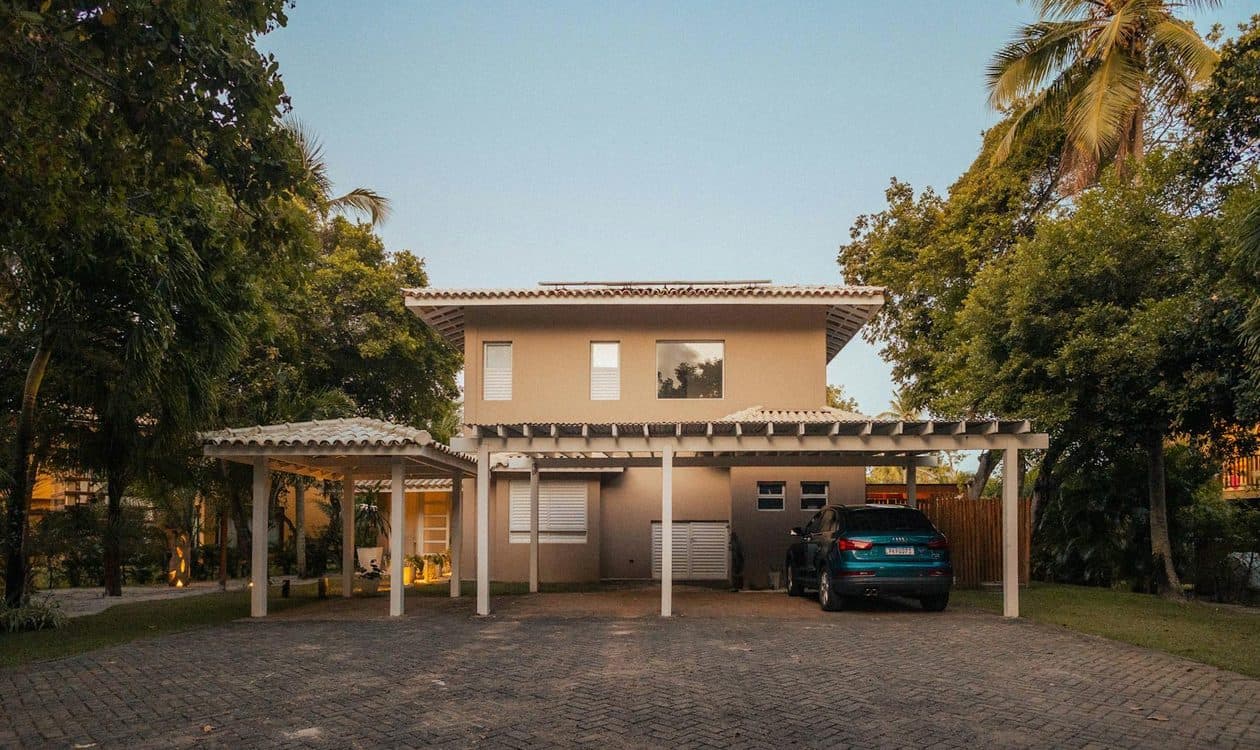
Radon Levels Chart: What Every Reading Means, From 0.4 to 20+ pCi/L
A radon levels chart from 0.4 to 20+ pCi/L. What each reading means, the EPA lifetime lung cancer risk at every level for smokers and never-smokers, the WHO reference level, and exactly what to do next at your number.
Read more about Radon Levels Chart: What Every Reading Means, From 0.4 to 20+ pCi/L →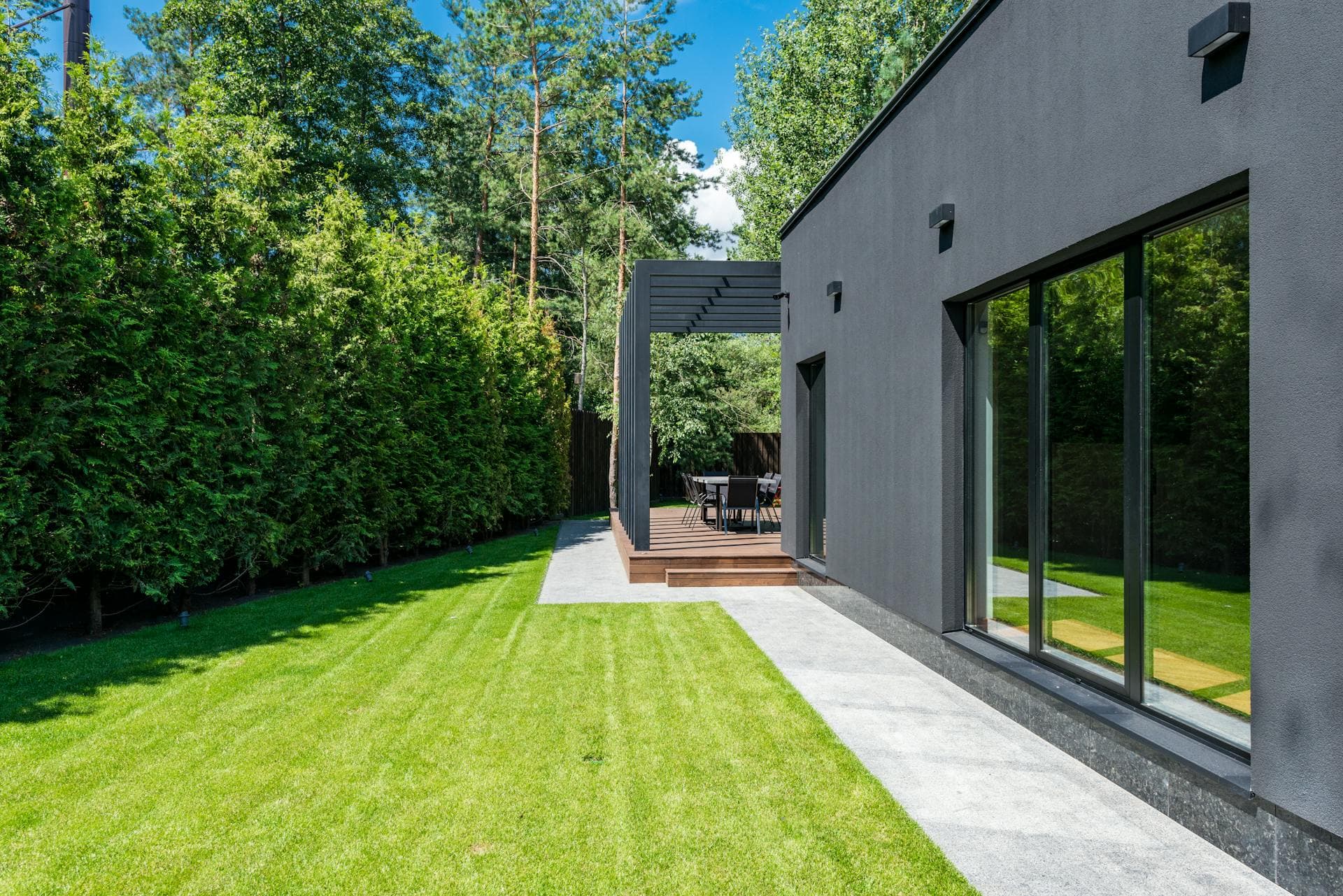
Radon in Holly Springs, Georgia: A Cherokee County Homeowner Guide
A local guide for Holly Springs and Cherokee County homeowners. Why north-Georgia granite geology produces elevated indoor radon in many homes, why every home should be tested regardless of zone, and how testing and mitigation work.
Read more about Radon in Holly Springs, Georgia: A Cherokee County Homeowner Guide →
Radon in Athens, Georgia: An Athens-Clarke County Homeowner Guide
A local guide for Athens and Athens-Clarke County homeowners, landlords, and renters. Why north-Georgia geology produces elevated indoor radon in many homes, why every home and rental should be tested regardless of zone, and how testing and mitigation work.
Read more about Radon in Athens, Georgia: An Athens-Clarke County Homeowner Guide →