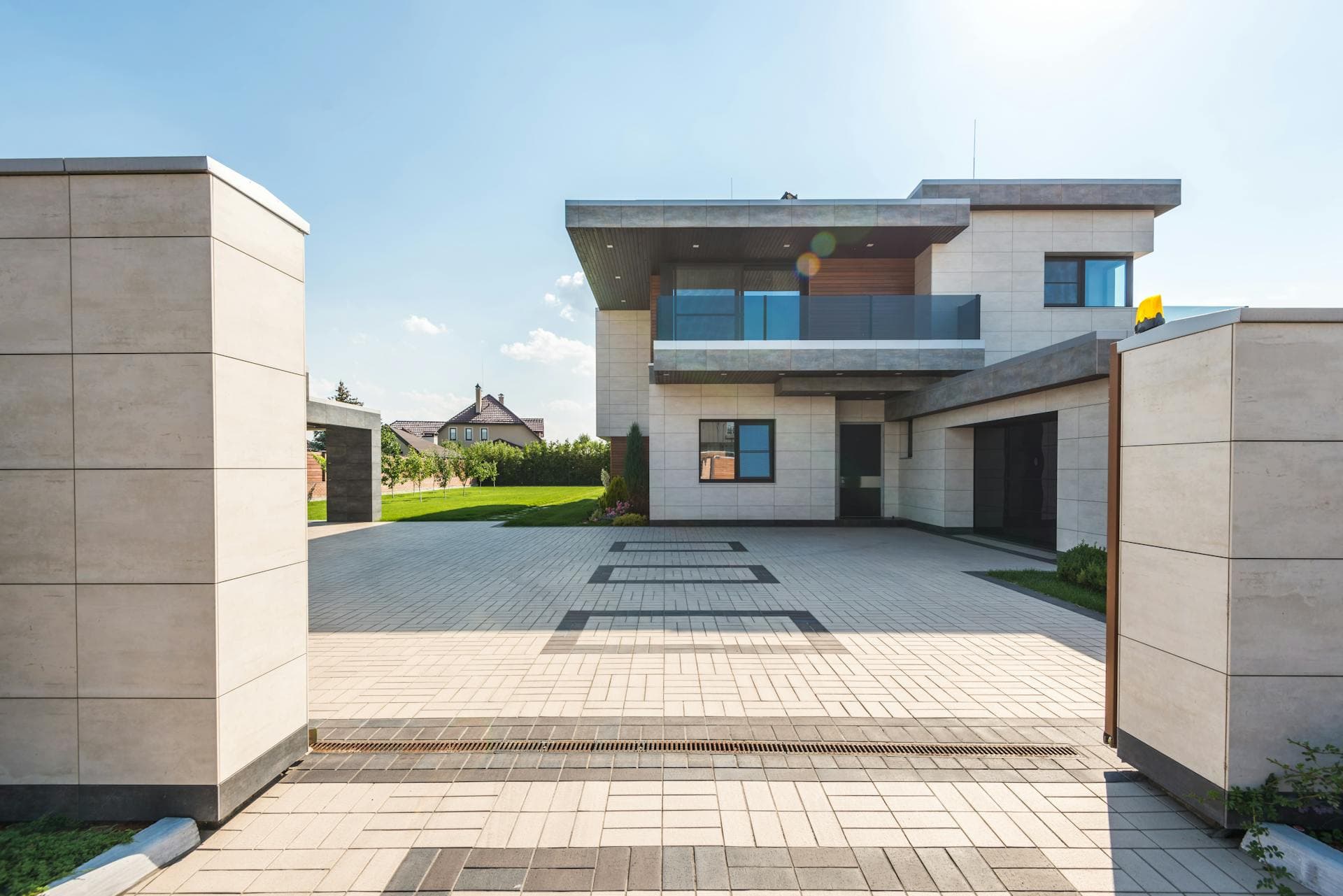
New Construction Radon in Marietta
Testing & RRNC for Cobb County New Homes
Building a new home in Cobb County? New construction doesn't mean low radon. Test to verify your home's levels and protect your family.
Why Test New Cobb County Homes
New Construction Areas We Serve
West Cobb
New subdivisions along Dallas Highway and Lost Mountain area
East Cobb
Infill developments and new townhome communities
Kennesaw
Growth areas near Kennesaw Mountain and Town Center
Smyrna Border
New construction in mixed-use developments
Radon-Resistant New Construction (RRNC)
RRNC features make it easy and affordable to reduce radon if testing shows elevated levels. Ask your builder about including these components.
Gas-Permeable Layer
4-inch gravel bed beneath the foundation allows soil gases to move freely for collection.
Vapor Barrier
6-mil polyethylene sheeting over gravel creates a barrier against soil gas entry.
Vent Pipe
3" or 4" PVC pipe runs from below the slab through interior walls to above the roofline.
Sealed Foundation
All cracks, joints, and penetrations sealed with polyurethane caulk.
Electrical Rough-In
Junction box and wiring in attic for fan installation if activation is needed.
RRNC vs. Retrofit Comparison
| Feature | RRNC (Built-In) | Retrofit (After) |
|---|---|---|
| Initial Cost | $500 - $1,000 | N/A |
| Activation Cost | $300 - $500 | $1,000 - $2,200 |
| Disruption | None | Core drilling required |
| Pipe Visibility | Hidden in walls | May be visible |
| Installation Time | 1-2 hours (fan only) | 4-6 hours |
*RRNC is most cost-effective when included during construction. Both approaches effectively reduce radon when properly installed.
Builder & Contractor Services
We work with Cobb County builders and contractors on RRNC installation and verification:
New Construction Radon FAQs
Do new homes in Marietta have radon problems?
Yes. Cobb County is in EPA Zone 1 with high radon potential. The Piedmont region's granite geology produces radon that affects both new and older homes equally. The only way to know your new home's radon levels is to test.
What is radon-resistant new construction (RRNC)?
RRNC includes features built during construction: gravel under the slab, vapor barrier, a vertical vent pipe, sealed penetrations, and electrical rough-in for a fan. These make it easy to activate a mitigation system if testing shows elevated radon.
Do Cobb County builders include RRNC features?
Georgia doesn't require RRNC, but some Cobb County builders include these features, especially in higher-end developments. Ask your builder specifically about radon-resistant features before signing a contract.
Should I test my new Marietta home even with RRNC?
Yes. RRNC features are designed to make mitigation easier if needed, but they don't guarantee low radon. Testing verifies actual levels and whether the passive system needs to be activated with a fan.
When should I test my new construction home?
Test after the home is completed, HVAC is operational, and doors/windows are installed. This is typically after closing or during the final walkthrough period. We can coordinate with your closing timeline.
How much does it cost to activate an RRNC system?
If your new home has RRNC features and testing shows elevated radon, activating the system costs $300-$500 for fan installation. This is significantly less than retrofitting a home without RRNC ($1,000-$2,200).
Test Your New Marietta Home
Contact us to schedule testing for your new construction home in Cobb County.
Related Topics
Radon Testing
Test your new home for radon
Mitigation Systems
Active systems if RRNC needs activation
Mitigation Cost
Compare RRNC vs retrofit pricing
Slab Foundation
Sub-slab for slab-on-grade construction
Real Estate Testing
Testing for new home purchases
Radon Safety Resources
Expert insights and guides to keep you informed
Radon Levels Chart: What Every Reading Means, From 0.4 to 20+ pCi/L
A radon levels chart from 0.4 to 20+ pCi/L. What each reading means, the EPA lifetime lung cancer risk at every level for smokers and never-smokers, the WHO reference level, and exactly what to do next at your number.
Read more about Radon Levels Chart: What Every Reading Means, From 0.4 to 20+ pCi/L →
Radon in Holly Springs, Georgia: A Cherokee County Homeowner Guide
A local guide for Holly Springs and Cherokee County homeowners. Why north-Georgia granite geology produces elevated indoor radon in many homes, why every home should be tested regardless of zone, and how testing and mitigation work.
Read more about Radon in Holly Springs, Georgia: A Cherokee County Homeowner Guide →
Radon in Athens, Georgia: An Athens-Clarke County Homeowner Guide
A local guide for Athens and Athens-Clarke County homeowners, landlords, and renters. Why north-Georgia geology produces elevated indoor radon in many homes, why every home and rental should be tested regardless of zone, and how testing and mitigation work.
Read more about Radon in Athens, Georgia: An Athens-Clarke County Homeowner Guide →