Radon Mitigation Systems in Marietta
Professional Installation for Cobb County Homes
We design and install radon mitigation systems tailored to your Marietta home's foundation type and layout.
Mitigation System Types
Sub-Slab Depressurization
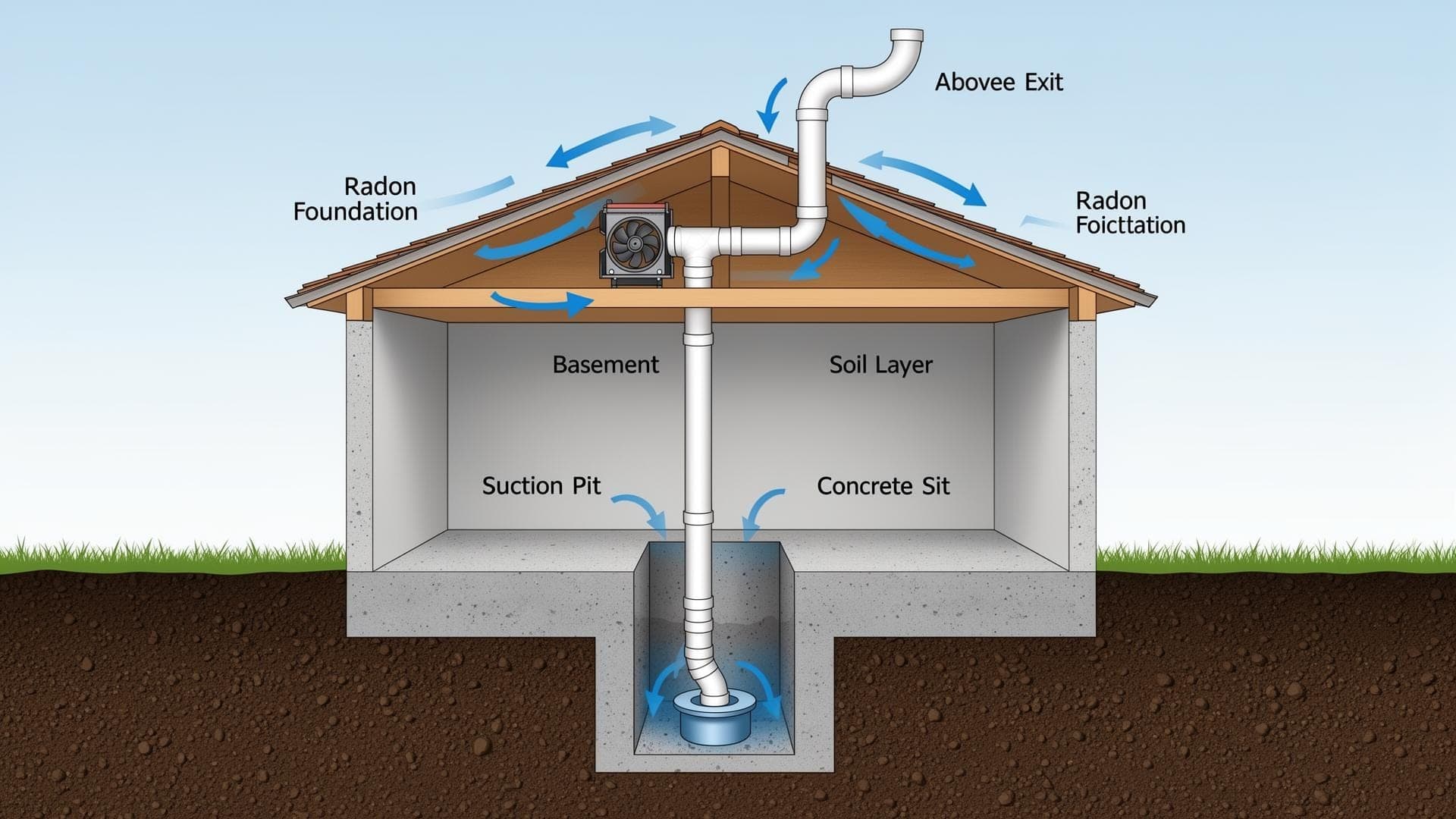
The most common system for Marietta homes with basement or slab foundations. A fan creates negative pressure beneath the foundation, drawing radon out before it enters.
Sub-Membrane Depressurization
Designed for homes with dirt-floor crawl spaces. A sealed membrane covers the crawl space floor, and a fan extracts radon from beneath.
Passive Stack Systems
Uses natural air pressure differences to vent radon. Can be upgraded to active with a fan if needed. Common in newer Cobb County construction.
System Components
Every Marietta radon mitigation system includes these professional-grade components
Suction Point
Core-drilled hole through foundation slab or crawl space membrane
PVC Piping
3" or 4" Schedule 40 PVC runs from suction point to above roofline
Radon Fan
Quiet, energy-efficient fan rated for continuous operation
Manometer
U-tube gauge shows system is operating correctly
Weatherproof Cap
Rain cap protects exhaust point above roof
Sealed Penetrations
All foundation cracks and gaps sealed with polyurethane caulk
Cobb County Foundation Types
| Foundation Type | Common In Marietta | Mitigation Approach | Typical Cost Range |
|---|---|---|---|
| Full Basement | Very common (older homes) | Sub-slab depressurization | $1,000 - $2,000 |
| Slab-on-Grade | Common (newer construction) | Sub-slab depressurization | $900 - $1,800 |
| Crawl Space | Common throughout Cobb | Sub-membrane depressurization | $1,000 - $2,200 |
| Combination | Common (split-level homes) | Multiple suction points | $1,200 - $2,500 |
Radon System FAQs
How do radon mitigation systems work?
Most Marietta systems use sub-slab depressurization: a fan creates negative pressure beneath your foundation, drawing radon-laden air out through PVC piping and venting it safely above your roofline before it can enter your home.
What type of system does my Marietta home need?
System type depends on your foundation: sub-slab depressurization for basements and slabs, sub-membrane for crawl spaces. Many Cobb County homes have combination foundations requiring multiple suction points.
How long do radon mitigation systems last?
The PVC piping and suction points last indefinitely. Radon fans typically last 10-15 years. We install quality fans with 5-year warranties and offer replacement services.
Are radon systems noisy?
Modern radon fans are designed for quiet operation. Interior fans produce about 35-45 decibels, similar to a refrigerator. Exterior or attic installations are even quieter from inside the home.
How much electricity does a radon system use?
Radon fans use approximately 50-100 watts, costing about $4-8 per month to operate continuously. Energy-efficient models are available.
Will a radon system affect my home's appearance?
Systems can be designed for minimal visibility. Piping can run through garages, closets, or along exterior walls painted to match. Interior routing keeps pipes hidden when possible.
Get a Mitigation System Quote
Contact us to discuss mitigation options for your Marietta home.
Related Topics
Radon Testing
Test before and after system installation
Mitigation Cost
Detailed pricing for Cobb County systems
Basement Radon
Sub-slab systems for Marietta basements
Crawl Space Radon
Sub-membrane systems for crawl spaces
Slab Foundation
Systems for slab-on-grade homes
Radon Safety Resources
Expert insights and guides to keep you informed
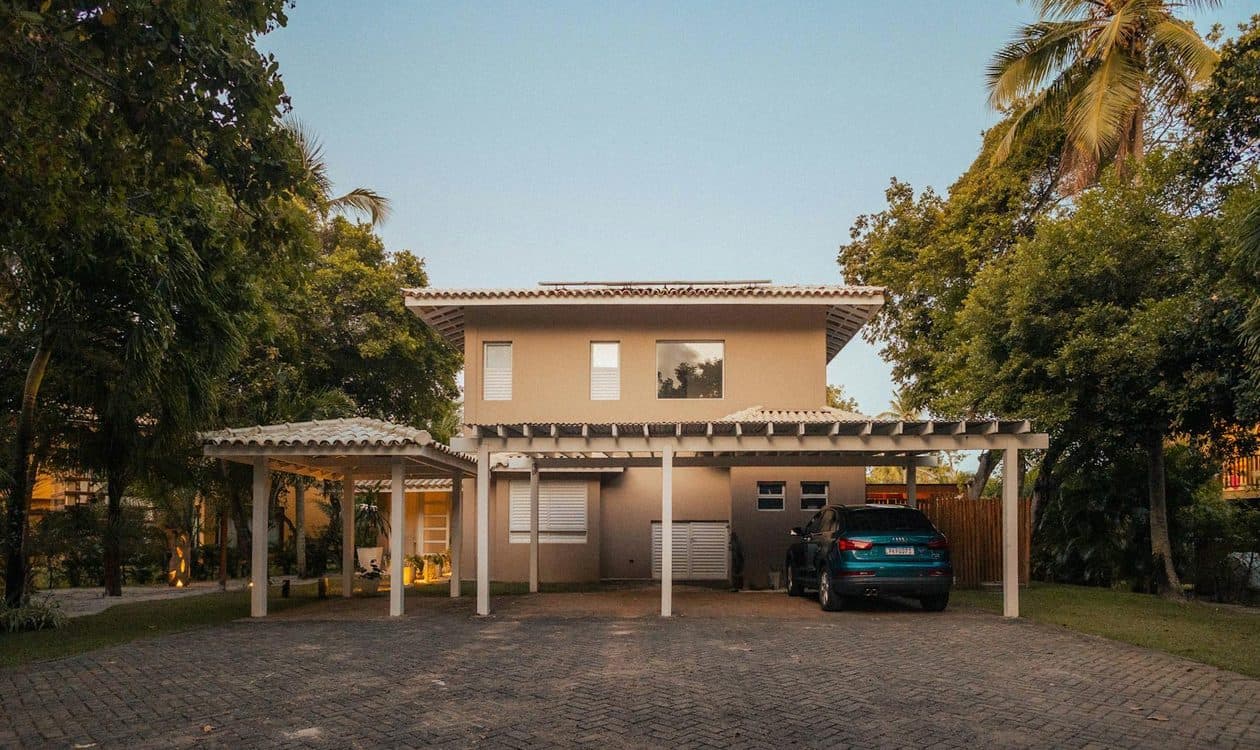
Radon Levels Chart: What Every Reading Means, From 0.4 to 20+ pCi/L
A radon levels chart from 0.4 to 20+ pCi/L. What each reading means, the EPA lifetime lung cancer risk at every level for smokers and never-smokers, the WHO reference level, and exactly what to do next at your number.
Read more about Radon Levels Chart: What Every Reading Means, From 0.4 to 20+ pCi/L →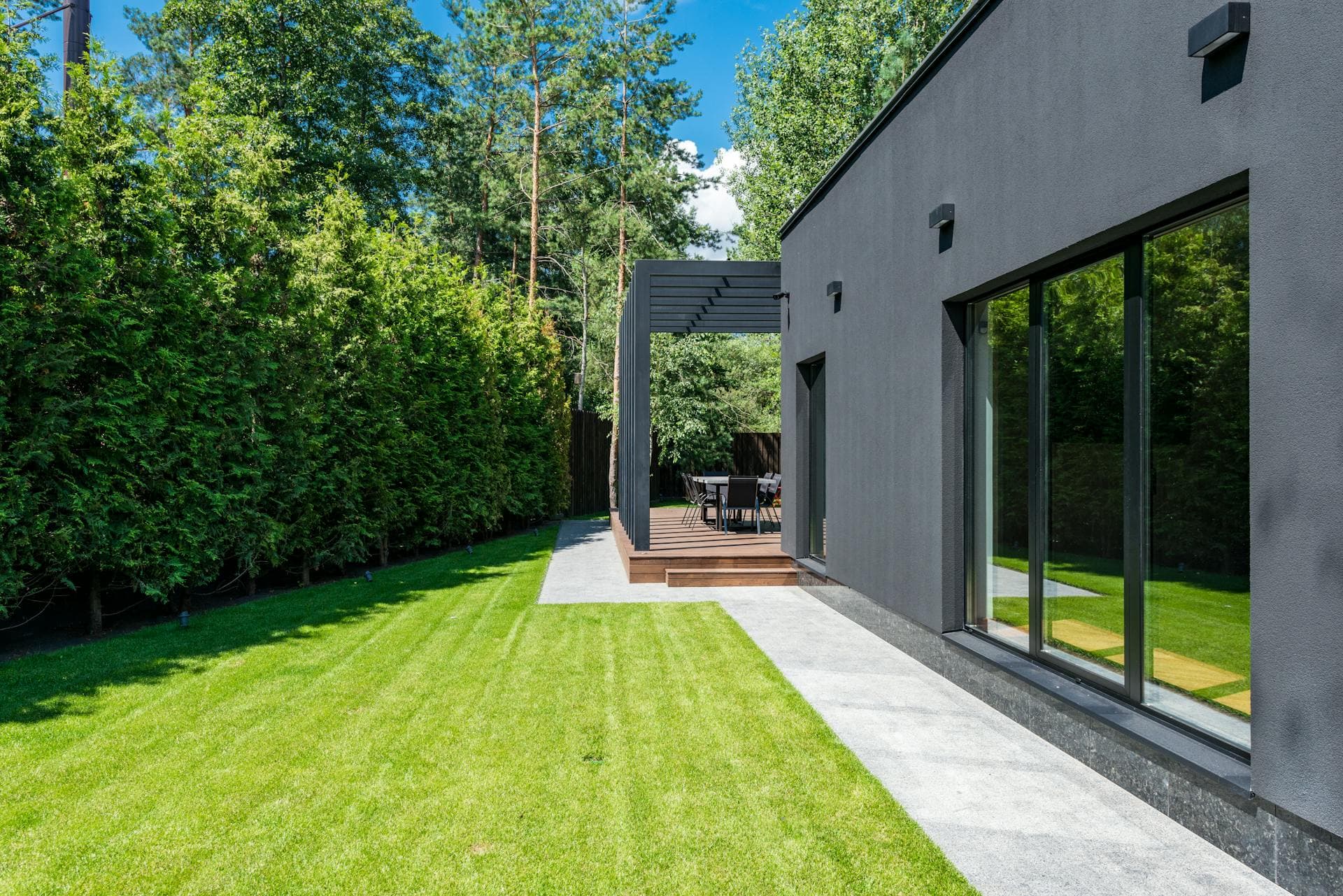
Radon in Holly Springs, Georgia: A Cherokee County Homeowner Guide
A local guide for Holly Springs and Cherokee County homeowners. Why north-Georgia granite geology produces elevated indoor radon in many homes, why every home should be tested regardless of zone, and how testing and mitigation work.
Read more about Radon in Holly Springs, Georgia: A Cherokee County Homeowner Guide →
Radon in Athens, Georgia: An Athens-Clarke County Homeowner Guide
A local guide for Athens and Athens-Clarke County homeowners, landlords, and renters. Why north-Georgia geology produces elevated indoor radon in many homes, why every home and rental should be tested regardless of zone, and how testing and mitigation work.
Read more about Radon in Athens, Georgia: An Athens-Clarke County Homeowner Guide →