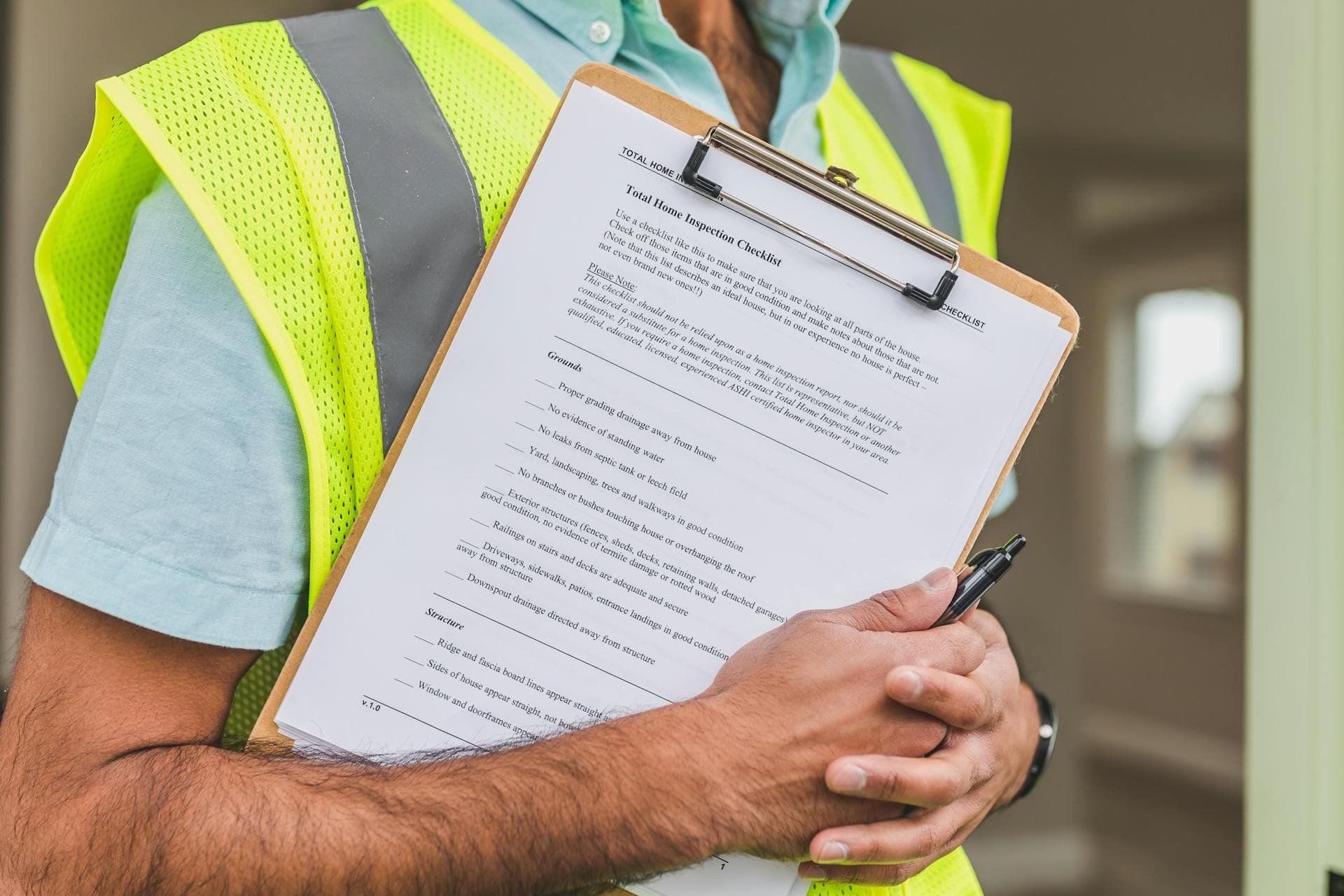
Radon Testing in Virginia Highland, Atlanta
Historic bungalows, craftsman homes, and renovated basements from the 1910s-1930s
Professional continuous-monitor testing tailored to Virginia Highland's older housing stock. 48-hour results for homeowners and real estate transactions.
Why Virginia Highland Tests Higher
Virginia Highland has one of the oldest concentrations of residential housing in Atlanta. That history matters for radon.
Basement Living Space Means Higher Exposure
The hallmark of Virginia Highland renovations over the last 20 years is converting basements into living space: offices, guest suites, media rooms, and home gyms. When people use that lower level regularly, they are exposed to whatever radon level exists there. Many VA-Hi renovated basements never had radon testing during construction, so the exposure goes unmeasured.
Radon Testing Methods
Short-Term Testing
48-hour to 7-day tests for Virginia Highland real estate transactions. The standard approach for due diligence on bungalows, craftsman homes, and renovated historic properties along Highland Avenue and Virginia Avenue.
Long-Term Testing
90+ day tests give the most accurate annual picture. Useful for VA-Hi owners who renovated a basement or added a lower-level living space and want season-to-season data.
Continuous Radon Monitors
Hourly recording with tamper detection. The method used for nearly all Virginia Highland real estate testing and our default. Particularly valuable for older homes where radon can spike during specific weather patterns.
Our VA-Hi Testing Process
Schedule
Book online or by phone. Virginia Highland tests are typically placed within 1-3 business days. We coordinate with you directly rather than going through a property manager.
Placement
For most VA-Hi homes the lowest livable level is a basement or partial basement. Monitors go in the basement living area or, for homes without basements, on the main floor. For renovated lower levels that serve as bedrooms, offices, or media rooms, placement is in that space.
Testing
48+ hours of hourly readings under closed-home conditions. You stay in your home. We explain what to avoid during the test: window fans, whole-house fans, and prolonged fireplace use.
Results
Detailed report with hourly data, average, and next steps within 48 hours of pickup. Format is accepted by Atlanta-area real estate agents and closing attorneys.
Virginia Highland Streets and Areas We Serve
Virginia Highland Radon Testing FAQs
Why is radon a concern in Virginia Highland?
Virginia Highland sits on the same Piedmont granite as all of Atlanta, which is EPA Zone 1 (highest radon risk). What makes VA-Hi specifically higher risk is the age of the housing stock. Most homes were built between 1905 and 1935 with full or partial basements. Older masonry, settled foundations, and original building techniques mean more radon entry points than modern construction. Many basements have been converted to living space without radon being addressed during the renovation.
Do all Virginia Highland homes have basements?
Most do, though some are partial or have dirt-floor sections. The original bungalow-style construction typical of VA-Hi used a full or partial basement to accommodate the coal furnace and storage. Many of these basements have since been finished into offices, playrooms, guest suites, or ADU-style spaces. Whatever the basement is used for, radon testing on that level is essential.
How much does radon testing cost in Virginia Highland?
Professional testing runs $150 to $200 for a 48-hour continuous monitor test in most VA-Hi homes. Very large renovated homes or homes with multiple lower levels may require two monitors, which affects pricing slightly. Contact us for a specific quote.
Should I test before or after renovating my VA-Hi basement?
Both, ideally. Test before renovation to understand current radon levels and plan accordingly. If levels are elevated, addressing radon during construction is cheaper and less disruptive than retrofitting a finished basement later. Test again after renovation because sealing and HVAC changes can alter radon patterns. Many VA-Hi homeowners skip pre-renovation testing and regret it when a finished basement tests elevated.
What is the average radon level in Virginia Highland?
Individual results vary significantly but Fulton County averages 4.0+ pCi/L. Virginia Highland specifically tends to trend higher because of the basement-heavy housing stock and the older construction. We regularly see VA-Hi results of 5 to 8 pCi/L in finished basements, with occasional readings above 10 pCi/L in homes where renovation work created new entry points.
Does a recent addition or renovation affect radon levels?
Often yes. Additions can create new slab-to-slab joints that allow radon entry. Basement renovations that seal dirt floor sections or reroute HVAC can redistribute radon without reducing total exposure. Window replacement and air sealing tightens the home and can concentrate radon that was previously diluted. Any significant renovation is a good reason to test.
Can you test during a real estate transaction in Virginia Highland?
Yes. VA-Hi homes move quickly and due diligence periods are often tight. We schedule real estate testing within 1-2 business days and deliver results 48 hours after pickup. Our reports are accepted by Atlanta area agents and are commonly used to negotiate mitigation or credits at closing.
What should I do if my VA-Hi home tests high?
If the result is 4.0 pCi/L or higher, the EPA recommends mitigation. For a typical Virginia Highland home with a basement, a standard sub-slab depressurization system runs $1,200 to $2,500. Historic homes may use custom routing to preserve the front elevation. Systems typically reduce levels by 90-99% and include a post-installation test to verify.
Schedule Your VA-Hi Radon Test
Testing tailored to Virginia Highland's older homes and finished basements.
More Virginia Highland Radon Information
VA-Hi Radon Overview
Full overview of radon in Virginia Highland
Historic Home Radon
Guidance for older Atlanta homes
Basement Radon
Why basements matter most for radon
Morningside Testing
Neighboring Morningside homes
Poncey-Highland Testing
Neighboring Poncey-Highland
Real Estate Testing
For buyers and sellers
Radon Safety Resources
Expert insights and guides to keep you informed
Radon Levels Chart: What Every Reading Means, From 0.4 to 20+ pCi/L
A radon levels chart from 0.4 to 20+ pCi/L. What each reading means, the EPA lifetime lung cancer risk at every level for smokers and never-smokers, the WHO reference level, and exactly what to do next at your number.
Read more about Radon Levels Chart: What Every Reading Means, From 0.4 to 20+ pCi/L →
Radon in Holly Springs, Georgia: A Cherokee County Homeowner Guide
A local guide for Holly Springs and Cherokee County homeowners. Why north-Georgia granite geology produces elevated indoor radon in many homes, why every home should be tested regardless of zone, and how testing and mitigation work.
Read more about Radon in Holly Springs, Georgia: A Cherokee County Homeowner Guide →
Radon in Athens, Georgia: An Athens-Clarke County Homeowner Guide
A local guide for Athens and Athens-Clarke County homeowners, landlords, and renters. Why north-Georgia geology produces elevated indoor radon in many homes, why every home and rental should be tested regardless of zone, and how testing and mitigation work.
Read more about Radon in Athens, Georgia: An Athens-Clarke County Homeowner Guide →