
Radon Testing in Johns Creek, GA
Johns Creek averages 4.6 pCi/L, above the EPA action level of 4.0
Professional continuous-monitor testing for Country Club of the South, St. Ives, Rivermont, Shakerag, and every Johns Creek neighborhood. 48-hour results.
Why Radon Testing Matters in Johns Creek
Johns Creek sits on the Piedmont granite of North Fulton County. The uranium in this granite produces radon gas, which enters homes through foundations. Johns Creek's combination of large executive homes with finished basements and homes near the Chattahoochee granite corridor creates significant radon risk.
Finished Basements Mean Higher Exposure
The hallmark of Johns Creek homes is large finished basements used as media rooms, home gyms, in-law suites, and kids' playrooms. When families spend daily time on the lowest level, they are exposed to whatever radon level exists there. Testing in the finished basement is essential, not on an upper floor that underrepresents the actual exposure.
New to Johns Creek?
Johns Creek is one of metro Atlanta's top-rated school districts and a destination for corporate relocations. If you're new to the area, here is what to know about radon in your new home:
Johns Creek sits on radon-producing granite
North Fulton County, including Johns Creek, sits on Piedmont granite that produces uranium, which decays into radon gas. The Chattahoochee corridor along Rivermont and Newtown has particularly visible granite outcroppings.
Executive homes often have the most exposure
Johns Creek is known for large executive homes with finished basements used as media rooms, game rooms, and home offices. When families spend significant time in the lowest level of the home, they are exposed to whatever radon concentration exists there.
New and old homes both need testing
From established Shakerag homes built in the 1970s to newer Abbotts Bridge Road subdivisions built in the last 15 years, all Johns Creek homes sit on the same uranium-bearing granite. Age and construction type do not predict radon level.
Georgia has no radon disclosure law
Unlike some states, Georgia does not require sellers to disclose radon. If you are buying a Johns Creek home, radon testing should be part of your due diligence. Many Fulton County buyers now include radon as standard.
Radon Testing Methods
Short-Term Testing
48-hour to 7-day tests for Johns Creek real estate transactions and initial screening. Works well for executive homes in Country Club of the South, St. Ives, and Rivermont.
Long-Term Testing
90+ day tests give annual average data. Useful for Johns Creek homeowners with finished basements who want to understand how radon levels change through the year.
Continuous Radon Monitors
Electronic monitors with hourly data and tamper detection. Our primary method for Johns Creek homes and the standard required by most real estate transactions.
Our Johns Creek Testing Process
Schedule
Book by phone or online. Johns Creek appointments are typically available within 1-3 business days. For Country Club of the South and St. Ives, we coordinate gate access with the community.
Placement
Monitors are placed on the lowest lived-in level. For Johns Creek executive homes with finished basements that are used as media rooms, home offices, or guest suites, testing in the basement is essential. For slab-on-grade homes, placement is on the main floor.
Testing
Continuous monitors collect hourly data for a minimum of 48 hours under closed-home conditions. Johns Creek winter tests often show higher readings in finished basements during heating season.
Results
Detailed report with hourly graph, period average, and next-step recommendations within 48 hours of pickup. Reports are accepted by Johns Creek real estate agents and closing attorneys.
Johns Creek Neighborhoods We Serve
Johns Creek Radon Testing FAQs
How much does radon testing cost in Johns Creek?
Professional testing runs $150 to $200 for a 48-hour continuous monitor test. Very large estate homes in Country Club of the South or St. Ives may require two monitors, which affects pricing slightly. The fee includes placement, pickup, hourly data analysis, and a detailed report.
What is the average radon level in Johns Creek?
Johns Creek averages approximately 4.6 pCi/L, above the EPA action level of 4.0 pCi/L. Individual homes vary significantly: we regularly see readings of 6-10 pCi/L in finished basements, and higher readings in homes near the Chattahoochee corridor in Rivermont. Lower-radon homes also exist, which is why testing is essential rather than guessing.
Are Country Club of the South and St. Ives homes higher risk?
They can be. Executive homes in these communities typically have finished basements used as daily living space. Combined with the North Fulton granite below and larger foundation footprints (which provide more radon entry surface area), these homes frequently test above 4.0 pCi/L. Every home is different, so testing is the only way to confirm.
Do Rivermont homes along the Chattahoochee test higher?
Often yes. The Chattahoochee corridor in Rivermont sits on fractured granite with visible outcroppings. Homes on hillsides and near the river have direct proximity to granite bedrock, which increases radon potential. We have measured Rivermont homes at 8-12 pCi/L, higher than the Johns Creek city average.
Should I test my new construction Johns Creek home?
Yes. New homes in Abbotts Bridge Road, Shakerag, and other areas built in the last 10-15 years still sit on radon-producing granite. Slab-on-grade foundations allow radon entry through slab joints, utility penetrations, and sump pits. Many new-construction Johns Creek homes test above 4.0 pCi/L. The EPA recommends testing every home regardless of age.
How long does testing take in Johns Creek?
Short-term continuous monitor tests run a minimum of 48 hours. Most Johns Creek tests complete in 48-72 hours with results delivered within 48 hours of pickup. Total turnaround from placement to report is typically 4 to 5 days.
Do I need to leave home during testing?
No. You stay in your home as normal during the 48-hour test. The main requirement is closed-home conditions: keep windows and exterior doors closed except for normal entry and exit. Avoid operating window fans, whole-house fans, and prolonged fireplace use. Your routine is otherwise unaffected.
What happens if my Johns Creek home tests high?
If results are 4.0 pCi/L or higher, the EPA recommends mitigation. For most Johns Creek single-family homes, a standard mitigation system costs $1,200 to $2,500. Larger executive homes in Country Club of the South or St. Ives with multiple suction points can run $2,500 to $5,000. Crawl space mitigation runs $1,800 to $3,500. Systems reduce levels by up to 99%.
Schedule Your Johns Creek Radon Test
With Johns Creek averaging 4.6 pCi/L, testing is essential. Protect your family with professional continuous-monitor testing.
More Johns Creek Radon Information
Johns Creek Overview
Full overview of radon services in Johns Creek
Johns Creek Crawl Space
Sub-membrane mitigation for older homes
Alpharetta Testing
Services in neighboring Alpharetta
Suwanee Radon
Services in neighboring Suwanee
Duluth Radon
Services in neighboring Duluth
Milton Radon
Services in neighboring Milton
Radon Safety Resources
Expert insights and guides to keep you informed
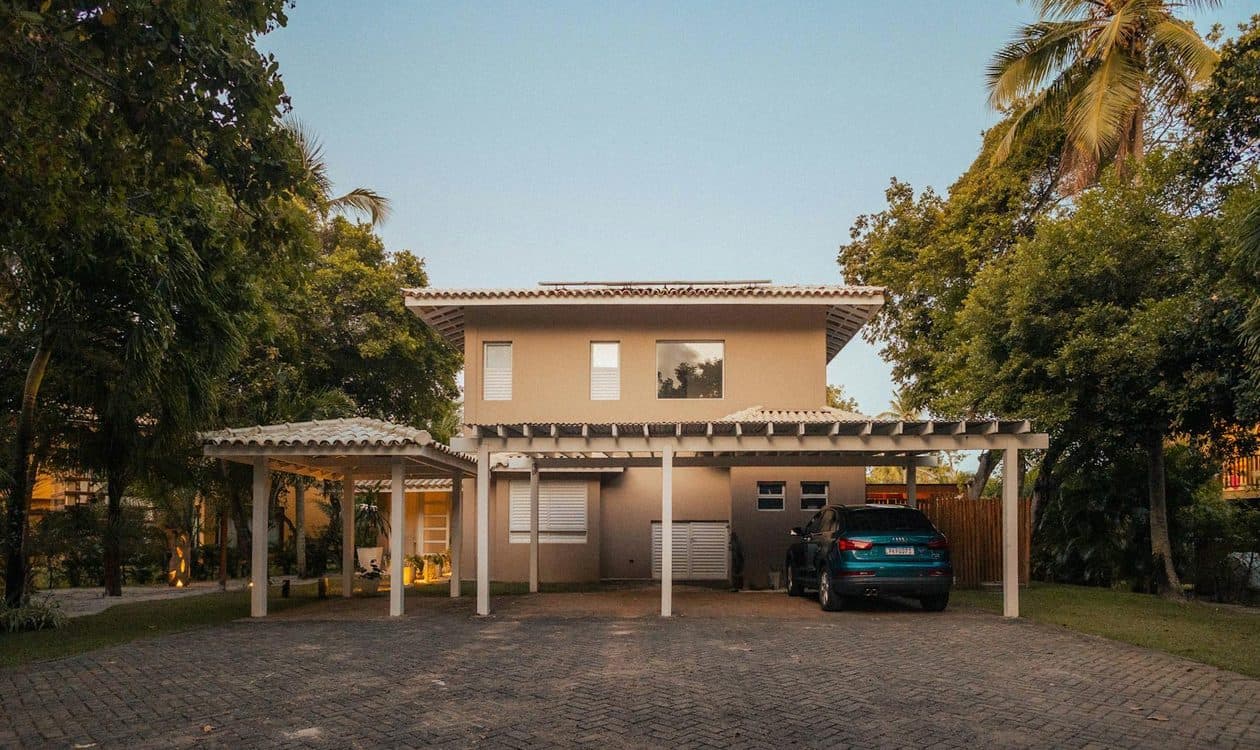
Radon Levels Chart: What Every Reading Means, From 0.4 to 20+ pCi/L
A radon levels chart from 0.4 to 20+ pCi/L. What each reading means, the EPA lifetime lung cancer risk at every level for smokers and never-smokers, the WHO reference level, and exactly what to do next at your number.
Read more about Radon Levels Chart: What Every Reading Means, From 0.4 to 20+ pCi/L →
Radon in Holly Springs, Georgia: A Cherokee County Homeowner Guide
A local guide for Holly Springs and Cherokee County homeowners. Why north-Georgia granite geology produces elevated indoor radon in many homes, why every home should be tested regardless of zone, and how testing and mitigation work.
Read more about Radon in Holly Springs, Georgia: A Cherokee County Homeowner Guide →
Radon in Athens, Georgia: An Athens-Clarke County Homeowner Guide
A local guide for Athens and Athens-Clarke County homeowners, landlords, and renters. Why north-Georgia geology produces elevated indoor radon in many homes, why every home and rental should be tested regardless of zone, and how testing and mitigation work.
Read more about Radon in Athens, Georgia: An Athens-Clarke County Homeowner Guide →