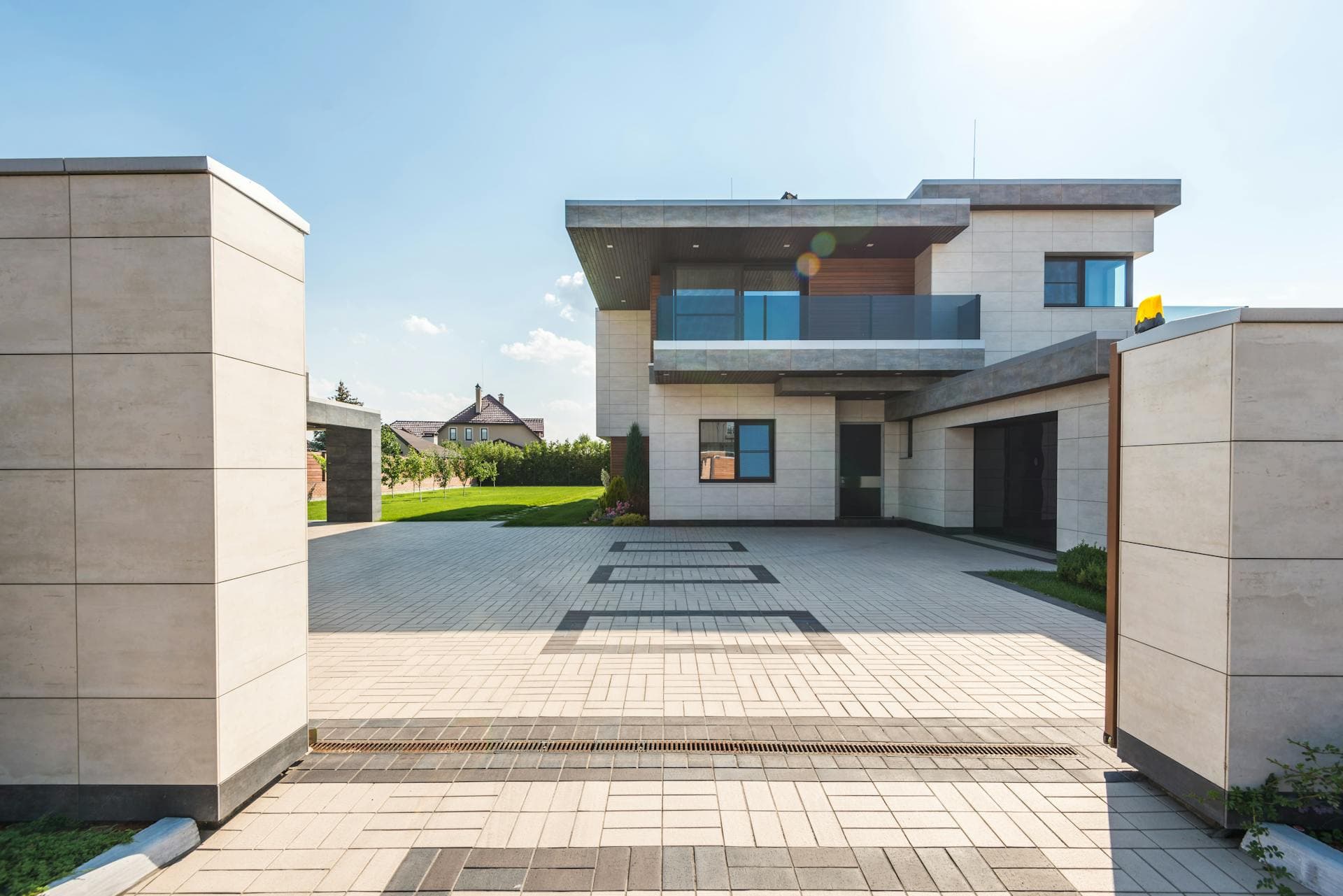
New Construction & Radon in Alpharetta
New doesn't mean radon-free. Alpharetta averages 4.9 pCi/L regardless of build date.
Whether you're building, buying new, or recently moved into a new Alpharetta home, radon testing should be on your list.
The "New Home = Safe Home" Myth
One of the most common misconceptions in Alpharetta real estate is that newly built homes don't have radon problems. This is false. Radon comes from the natural decay of uranium in the granite bedrock beneath your home. That granite has been there for hundreds of millions of years and doesn't differentiate between a 2025 build and a 1985 build.
Why new Alpharetta homes still need testing
- Granite bedrock beneath Alpharetta produces radon regardless of when the home above it was built
- Energy-efficient construction with tighter building envelopes can actually trap more radon inside
- Georgia does not require radon-resistant new construction (RRNC) in residential building codes
- Homes in Windward, Crabapple, and Webb Bridge areas sit on the same Zone 1 geology as older neighborhoods
- The EPA recommends testing every home, including new construction, before occupancy
New Construction Areas in Alpharetta
Alpharetta is one of Metro Atlanta's fastest-growing cities for new residential construction. These areas have significant new and recent builds:
Windward
One of Alpharetta's largest planned communities with ongoing new construction phases. Primarily slab-on-grade homes from 2,500 to 5,000+ sq ft. Active builders include several national and regional firms.
Crabapple
Mix of new custom builds and infill construction in the historic Crabapple district. Homes range from smaller renovations to large custom estates. Some builders include RRNC prep, many do not.
Webb Bridge
Growing residential area with newer subdivision developments. Primarily slab-on-grade single family homes. Similar geological profile to Windward.
Avalon Area
Mixed-use development area with newer townhomes, condos, and single-family homes. Townhome slab foundations still require radon consideration despite smaller footprints.
Milton Border
Larger lot custom builds along the Alpharetta-Milton boundary. Mix of slab and crawl space foundations. Custom builders are more likely to include RRNC if requested.
North Point / Kimball Bridge
Residential development corridor with newer subdivisions. Standard slab-on-grade construction typical of the area.
What is Radon-Resistant New Construction (RRNC)?
RRNC is a set of building techniques that make it easier and cheaper to reduce radon if elevated levels are found. When included during construction, RRNC adds $350-$600 to the build cost. Here are the five core components:
Gas-Permeable Layer
4 inches of clean gravel beneath the slab allows soil gas to move freely to the collection point. This is the foundation of any RRNC system.
Plastic Sheeting
Heavy-duty polyethylene sheeting over the gravel layer and under the slab acts as a soil gas barrier, reducing radon entry through the concrete.
Vent Pipe
A 3-4 inch PVC T-pipe embedded in the gravel and routed through the home to above the roofline. Initially operates passively (no fan).
Sealing & Caulking
Sealing of foundation-to-wall joints, utility penetrations, and sump pit covers to minimize radon entry points.
Electrical Junction Box
A pre-wired junction box in the attic near the vent pipe for quick fan installation if post-construction testing shows elevated radon.
RRNC vs. Retrofit: Cost Comparison
| Approach | Cost | When | Details |
|---|---|---|---|
| RRNC during construction | $350 - $600 | During build | Gravel, membrane, passive pipe, junction box. Most cost-effective option. |
| Activate passive system | $300 - $500 | Post-build | Add a fan to existing passive pipe. Quick and affordable if RRNC was installed. |
| Retrofit slab home | $1,000 - $1,800 | Post-build | Core through slab, install pipe and fan. Standard for homes without RRNC. |
| Retrofit crawl space | $1,800 - $3,500 | Post-build | Membrane installation plus pipe and fan. Higher cost but also addresses moisture. |
Bottom line: If you're building in Alpharetta, adding RRNC during construction costs a fraction of what a retrofit costs later. Even if your home tests low after construction, RRNC provides insurance against future changes in radon levels.
Questions to Ask Your Alpharetta Builder
Whether buying from a production builder in Windward or working with a custom builder near Crabapple, ask these questions before closing:
Energy-Efficient Homes and Radon
Modern Alpharetta homes are built to increasingly strict energy efficiency standards. While this is excellent for comfort and utility costs, it creates a side effect for radon:
Tighter Building Envelope
Better insulation, sealed ductwork, and advanced windows reduce air exchange between inside and outside. Radon that enters the home through the foundation has fewer natural pathways to escape, potentially leading to higher indoor concentrations.
Mechanical Ventilation
Some newer Alpharetta homes include ERV (energy recovery ventilator) or HRV (heat recovery ventilator) systems that provide fresh air exchange. While helpful for air quality, these systems alone do not address radon. Active sub-slab depressurization is still needed if levels are elevated.
New Construction Radon FAQs
Do new Alpharetta homes have radon?
Yes. New construction homes in Alpharetta sit on the same Piedmont granite formations as older homes. The granite produces radon through natural radioactive decay, and it enters homes through the foundation regardless of when the house was built. Alpharetta's average of 4.9 pCi/L applies to new homes as much as older ones.
Does Georgia require RRNC in new homes?
No. Georgia does not require radon-resistant new construction features in its residential building code. Some builders voluntarily include RRNC, especially in areas with known high radon like North Fulton County, but it is not standard practice. You should specifically ask your builder whether RRNC is included.
What does RRNC cost to add during construction?
Adding RRNC features during construction typically costs $350 to $600, far less than retrofitting after the home is built. The components (gravel, membrane, passive pipe, junction box) are inexpensive and simple to install during the foundation and framing stages.
My new home has a passive radon pipe. Is that enough?
A passive pipe relies on natural air convection to vent radon, which is often not sufficient in high-radon areas like Alpharetta. Testing after move-in is essential. If levels are still above 4.0 pCi/L, adding a fan to the passive pipe converts it to an active system for $300 to $500, which is much cheaper than a full retrofit.
Should I test before or after moving into a new Alpharetta home?
Ideally both. Test before closing if possible (this can be part of your home inspection). Then retest 6 to 12 months after move-in once the home has settled and your living patterns are established. The EPA recommends retesting every 2 years regardless.
Can I ask the builder to install a radon system?
Yes. Buyers in Alpharetta can request that the builder add RRNC during construction or install a full active system. This is a negotiation point, especially for custom builds. Having it done during construction is far cheaper and less disruptive than retrofitting later.
Do energy-efficient homes have higher radon?
They can. Modern energy-efficient construction in Alpharetta uses tighter building envelopes, better insulation, and sealed ductwork. While great for energy costs, this reduced air exchange means radon that enters the home has fewer pathways to escape. Mechanical ventilation (ERV/HRV) helps but does not replace radon mitigation if levels are elevated.
What if my builder says the home doesn't need radon testing?
Test anyway. No builder, regardless of how reputable, can guarantee a home is radon-free without testing. The only way to know is to measure. In EPA Zone 1 areas like Alpharetta, the EPA recommends testing every home. A professional test costs $150 to $200 and takes 48 hours.
Test Your New Alpharetta Home
Whether you just closed, are building, or moved in last year, a 48-hour radon test gives you the information you need to protect your family.
More Alpharetta Radon Information
Radon Testing
Professional testing for new and existing Alpharetta homes
Mitigation Systems
System types including RRNC activation
Mitigation Cost
RRNC vs. retrofit cost comparison
Slab Foundation
Most new Alpharetta homes are slab-on-grade
Radon Levels
Alpharetta averages 4.9 pCi/L, above EPA action level
Real Estate Testing
Testing for new home purchases
Radon Safety Resources
Expert insights and guides to keep you informed
Radon Levels Chart: What Every Reading Means, From 0.4 to 20+ pCi/L
A radon levels chart from 0.4 to 20+ pCi/L. What each reading means, the EPA lifetime lung cancer risk at every level for smokers and never-smokers, the WHO reference level, and exactly what to do next at your number.
Read more about Radon Levels Chart: What Every Reading Means, From 0.4 to 20+ pCi/L →
Radon in Holly Springs, Georgia: A Cherokee County Homeowner Guide
A local guide for Holly Springs and Cherokee County homeowners. Why north-Georgia granite geology produces elevated indoor radon in many homes, why every home should be tested regardless of zone, and how testing and mitigation work.
Read more about Radon in Holly Springs, Georgia: A Cherokee County Homeowner Guide →
Radon in Athens, Georgia: An Athens-Clarke County Homeowner Guide
A local guide for Athens and Athens-Clarke County homeowners, landlords, and renters. Why north-Georgia geology produces elevated indoor radon in many homes, why every home and rental should be tested regardless of zone, and how testing and mitigation work.
Read more about Radon in Athens, Georgia: An Athens-Clarke County Homeowner Guide →