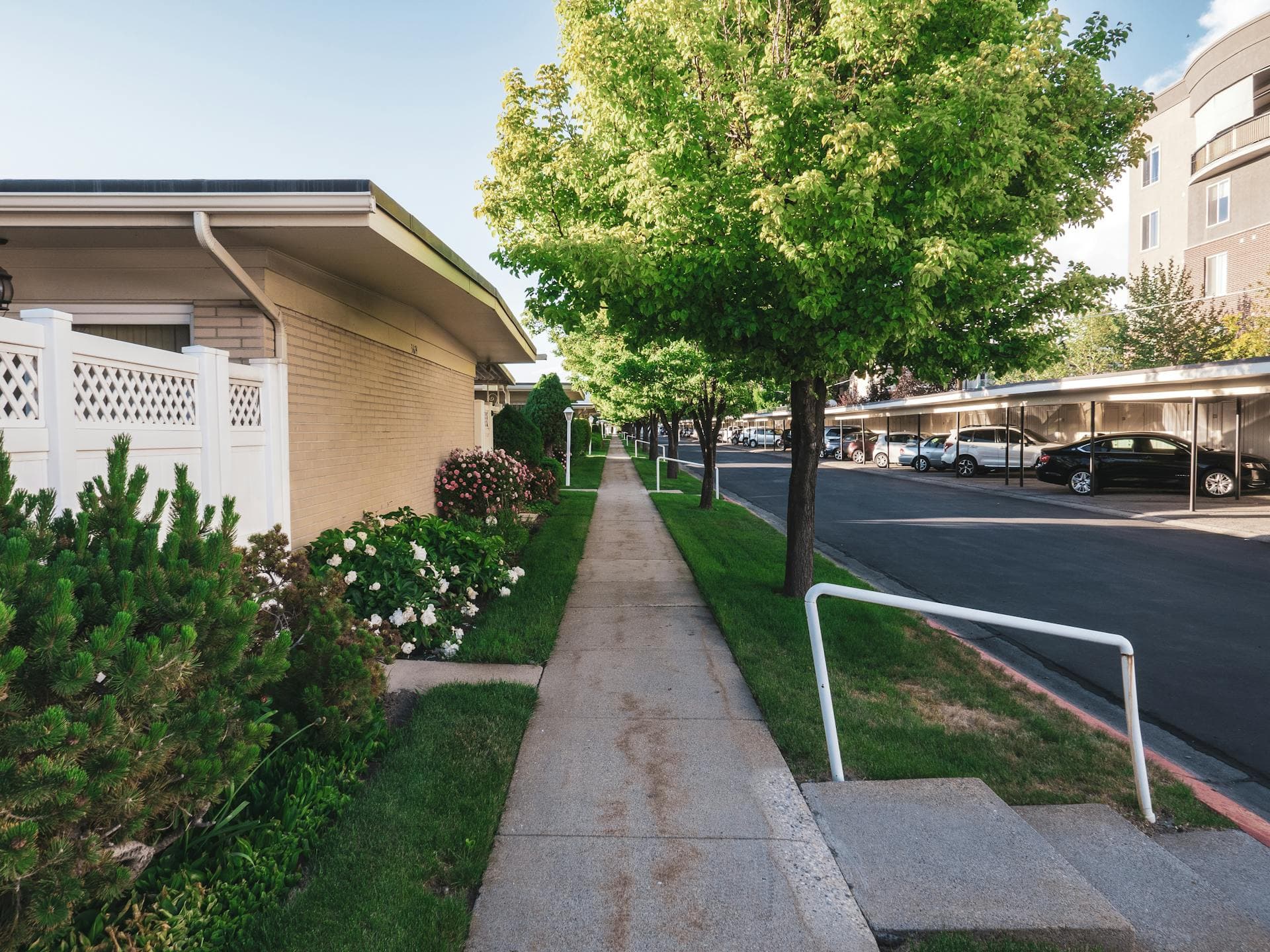
Radon Mitigation Sandy Plains, GA
Radon Services in Sandy Plains, Marietta
Trusted radon testing and experienced mitigation contractors serving Sandy Plains families throughout Marietta.
Expert Radon Mitigation in Sandy Plains, Marietta
When searching for radon companies in Sandy Plains, Marietta, choose experienced contractors who understand Cobb County's radon challenges. We provide comprehensive radon services including professional testing, expert mitigation, and complete system maintenance.
Our experienced professionals help families in the Sandy Plains area protect their homes from radon gas exposure with effective, long-lasting mitigation systems.
Sandy Plains area homes range from 1990s subdivisions to brand-new construction. Our team serves this growing corridor regularly and understands the predominant slab and crawl space foundations found in Sandy Plains neighborhoods.
Why Sandy Plains Residents Need Radon Testing
Sandy Plains is a growing residential area in northeastern Cobb County, anchored by Sandy Plains Road and featuring a mix of established neighborhoods and newer developments. The area's Piedmont geology with granite bedrock creates conditions where radon gas accumulates beneath home foundations. The EPA recommends that all homes be tested. If elevated levels are found, our contractors install effective mitigation systems to protect your home.
Professional Radon Services in Sandy Plains
Comprehensive radon testing, mitigation, and installation from experienced contractors
Radon Testing Services
Professional radon testing in Sandy Plains with experienced equipment and accurate results within 48 hours.
Learn more about Radon Testing Services →Radon Mitigation Systems
Expert radon mitigation installation by professional contractors serving Sandy Plains homeowners.
Learn more about Radon Mitigation Systems →Residential Radon Services
Complete residential radon solutions for Sandy Plains homes of all foundation types.
Learn more about Residential Radon Services →Commercial Radon Services
Professional radon testing and mitigation for commercial properties near Sandy Plains.
Learn more about Commercial Radon Services →Why Choose Our Sandy Plains Radon Company?
Trusted contractors and experienced professionals serving Sandy Plains
Growing Community Experts
Dedicated to protecting Sandy Plains families with reliable radon solutions throughout Cobb County.
Experienced Team
Experienced radon professionals serving Sandy Plains and all of Cobb County.
Fast Response
Quick response times for Sandy Plains residents with same-day testing availability.
Proven Results
Every system includes post-installation testing to verify radon levels are reduced below 4.0 pCi/L.
Radon Services in Nearby Marietta Neighborhoods
Frequently Asked Questions About Radon in Sandy Plains
Common questions about radon testing and mitigation in Sandy Plains, Marietta
Are newer homes in Sandy Plains at risk for radon?
Yes. New construction in Sandy Plains is just as susceptible to radon as older homes. While newer homes may have radon-resistant features, these passive systems don't guarantee safe levels. Cobb County's granite bedrock produces radon regardless of when a home was built. Every new home in Sandy Plains should be tested after occupancy.
Does foundation type affect radon levels in Sandy Plains homes?
Foundation type influences how radon enters your home. Slab-on-grade foundations common in newer Sandy Plains developments can trap radon beneath the concrete. Crawl space foundations in older subdivisions allow radon to accumulate in the enclosed space below the home. Both types require different mitigation approaches, and we tailor our systems accordingly.
How much does radon mitigation cost in Sandy Plains?
Sandy Plains radon mitigation typically costs $1,000-$2,200 depending on your home's foundation type, size, and layout. Most standard single-point systems for Sandy Plains homes fall in the $1,200-$1,600 range. We provide free quotes so you know the exact cost before any work begins.
How often should Sandy Plains homeowners test for radon?
The EPA recommends testing every 2-5 years, or after any major renovation that disturbs the foundation or changes airflow patterns. Sandy Plains is in EPA Zone 1 with high radon potential, so regular testing is especially important. If you've never tested your Sandy Plains home, schedule a test as soon as possible.
Is radon a concern in Sandy Plains' growing neighborhoods?
Absolutely. Rapid development in the Sandy Plains corridor means many families are moving into homes that have never been tested for radon. New subdivisions built on previously undeveloped land can have significant radon levels due to the underlying granite geology. Whether your neighborhood is newly built or well-established, professional radon testing is essential.
Protect Your Sandy Plains Home From Radon
Contact our radon contractors for professional testing and mitigation. Free consultations available.
Radon Safety Resources
Expert insights and guides to keep you informed
Radon Levels Chart: What Every Reading Means, From 0.4 to 20+ pCi/L
A radon levels chart from 0.4 to 20+ pCi/L. What each reading means, the EPA lifetime lung cancer risk at every level for smokers and never-smokers, the WHO reference level, and exactly what to do next at your number.
Read more about Radon Levels Chart: What Every Reading Means, From 0.4 to 20+ pCi/L →
Radon in Holly Springs, Georgia: A Cherokee County Homeowner Guide
A local guide for Holly Springs and Cherokee County homeowners. Why north-Georgia granite geology produces elevated indoor radon in many homes, why every home should be tested regardless of zone, and how testing and mitigation work.
Read more about Radon in Holly Springs, Georgia: A Cherokee County Homeowner Guide →
Radon in Athens, Georgia: An Athens-Clarke County Homeowner Guide
A local guide for Athens and Athens-Clarke County homeowners, landlords, and renters. Why north-Georgia geology produces elevated indoor radon in many homes, why every home and rental should be tested regardless of zone, and how testing and mitigation work.
Read more about Radon in Athens, Georgia: An Athens-Clarke County Homeowner Guide →